Most people meet Jamaican cooking through a single dish and then struggle to generalise from it. You make jerk chicken from a recipe, it comes out fine, and you still have no idea what to do with ackee, callaloo, green banana, or a piece of salt fish. The cuisine has a small set of governing techniques — jerk, escovitch, brown stew, curry, rundown — and once you can name them, the recipes stop being isolated instructions and start being variations.
The second thing to get right is sourcing and heat. Scotch bonnet, pimento (allspice) berries and wood, thyme, scallion, and green seasoning do most of the work, and no substitution schedule fully replaces them. A reading order that establishes context and pantry before recipe volume saves you from cooking a lot of technically correct food that tastes like nothing in particular.
Get the island and the pantry in view
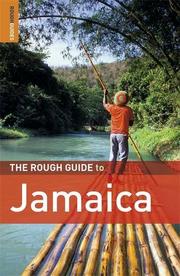
Eat Caribbean by Virginia Burke is the right opener: a Jamaican-authored collection that sets the region's dishes against their history, so you learn where the Spanish, West African, Indian, and Chinese threads in the food come from. Then The Rough Guide to Jamaica by Polly Thomas — and yes, that is a travel guide, not a cookbook. It earns its place because it tells you what people actually eat, where, and at what time of day, which is context no recipe headnote provides. Skim its food and market sections; skip the hotel listings.
The core recipe books
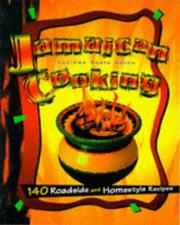
Jamaican cooking by Lucinda Scala Quinn is the workhorse of this path — a broad, reliable collection covering the everyday repertoire from stew peas to rice and peas to festival, with enough headnote detail to teach as it goes. Alongside it, The Complete Book of Caribbean Cooking by Elisabeth Lambert Ortiz widens the frame to the whole region; use it to see which Jamaican dishes have Trinidadian, Cuban, or Haitian cousins. If you only want one recipe book at this stage, take the Quinn.
Go deep on jerk, then on ingredients
Jerk from Jamaica by Helen Willinsky is the single-technique book worth owning, and jerk deserves it: the pimento wood, the dry-rub-versus-wet-marinade question, and the low indirect fire are all decisions the average recipe glosses over. Provisions by Michelle Rousseau follows naturally, focusing on the plant side of Caribbean cooking — ground provisions, greens, legumes — which is what most home meals actually consist of.
Two technique books round out the shelf without being Jamaican at all. The spice companion by Lior Lev Sercarz teaches you to buy, store, and toast whole spices, which changes your curry powder and your jerk rub more than any recipe tweak. Fiery Ferments by Kirsten K. Shockey covers pepper sauces and fermented chilli condiments, the natural next step once you have more scotch bonnets than you can use.
Read the diaspora
Close with two books that place the cuisine in a bigger story. Motherland by Melissa Thompson is a Jamaican food history and recipe collection that traces the island's dishes through colonisation, slavery, and migration — the most substantive single volume here on why the food is the way it is. Mezcla by Ixta Belfrage is the outlier: not Jamaican, but a cook's demonstration of how Caribbean flavour ideas travel and recombine. Read it last, when you know the tradition well enough to see what is being bent.
Work through the list in order and you will be cooking from instinct rather than from a page. Browse more cuisine paths when you are ready for the next kitchen.
Follow the full ordered path here: The Best Jamaican Cookbooks to Read First.