Caribbean Cooking: The Best Books on Jerk, Curry, and Island Food
This curriculum takes a beginner from the essential pantry and flavor principles of Caribbean cooking all the way to mastering regional specialties, authentic Jamaican jerk, curries, and island classics. Each stage builds on the last — starting with accessible introductions, moving through Jamaican and broader Caribbean traditions, and finishing with deep-dive regional and cultural mastery.
Island Foundations
BeginnerUnderstand the core ingredients, flavor profiles, and techniques that define Caribbean cooking — scotch bonnets, allspice, coconut milk, rice and peas — and gain confidence making approachable island dishes.
▸ Study plan for this stage
Pace: 4–5 weeks, approximately 25–30 pages per day, alternating between reading and hands-on cooking practice
- The role of scotch bonnet peppers and other Caribbean chiles in building heat and flavor complexity
- Allspice as a foundational spice and its use in jerk seasonings, stews, and rice dishes
- Coconut milk as a base for curries, soups, and creamy island dishes
- Rice and peas (pigeon peas, kidney beans, or gungo peas) as a staple carbohydrate and cultural cornerstone
- The balance of sweet, savory, spicy, and umami flavors in Caribbean cuisine
- Core cooking techniques: browning, simmering, steaming, and one-pot cooking methods
- How colonial history and African, Indian, and indigenous influences shaped Caribbean ingredient availability and flavor profiles
- What are the key characteristics of scotch bonnet peppers, and how do they differ from other Caribbean chiles in heat level and flavor?
- How is allspice used across different Caribbean dishes, and what flavor notes does it contribute?
- Describe the role of coconut milk in Caribbean cooking and name at least three dishes that rely on it as a base.
- What are rice and peas, why are they culturally significant in the Caribbean, and how do you prepare them?
- What are the dominant flavor profiles in Caribbean cuisine, and how do you balance them in a single dish?
- What are the main cooking techniques used in Caribbean kitchens, and when would you use each one?
- Read 'Provisions' by Michelle Rousseau and create an annotated ingredient glossary highlighting scotch bonnets, allspice, coconut milk, and regional variations
- Prepare a basic rice and peas dish using a recipe from either book, documenting the cooking process and flavor development at each stage
- Make a scotch bonnet-based hot sauce or seasoning paste, tasting and adjusting heat and flavor balance as you go
- Cook a coconut milk-based curry or soup from 'Eat Caribbean,' noting how coconut milk changes the texture and mouthfeel of the dish
- Taste-test at least two Caribbean dishes side by side and identify the flavor profiles (sweet, savory, spicy, umami) in each
- Prepare a complete one-pot Caribbean meal (such as a stew with rice and peas) that demonstrates browning, simmering, and layering of flavors
Next up: This stage equips you with the flavor vocabulary and foundational techniques needed to move into regional specialization, where you'll explore how specific islands and territories adapt these core ingredients into distinct culinary traditions.

A beautifully accessible entry point that grounds readers in the history, culture, and pantry staples of Caribbean cuisine before any technique is introduced — essential context for a beginner.

A practical, beginner-friendly cookbook covering the full sweep of Caribbean islands with clear recipes for rice and peas, curries, and jerk, building everyday cooking confidence.
The Heart of Jamaica
BeginnerMaster authentic Jamaican cooking — jerk seasoning, rice and peas, oxtail, curry goat, and patties — understanding the cultural stories behind each dish.
▸ Study plan for this stage
Pace: 4–5 weeks, ~40–50 pages/day, with 2–3 cooking sessions per week
- Jerk seasoning: the foundational spice blend (allspice, scotch bonnet, thyme, garlic, ginger) and its Maroon heritage
- Rice and peas: the staple side dish and its role in Jamaican daily meals and cultural identity
- Oxtail stew: slow-cooking techniques and the use of economical cuts in Jamaican cuisine
- Curry goat: Caribbean curry spice profiles and the importance of marinating for flavor development
- Jamaican patties: pastry-making fundamentals and the savory filling techniques that define street food culture
- The cultural and historical context of Jamaican dishes—colonialism, African diaspora, and ingredient adaptation
- Flavor layering: how Jamaican cooking builds depth through scotch bonnets, allspice, and slow cooking
- Ingredient sourcing and substitutions: working with Caribbean staples and finding alternatives in non-Caribbean markets
- What are the five essential ingredients in authentic jerk seasoning, and why is each one important to the flavor profile?
- How does the preparation of rice and peas reflect broader themes in Jamaican food culture and daily life?
- What cooking techniques make oxtail tender and flavorful, and why is this cut traditionally central to Jamaican cuisine?
- What distinguishes Jamaican curry goat from other Caribbean curry dishes, and what role does marinating play?
- How do Jamaican patties differ from other pastries, and what are the key steps to achieving the right texture and flavor?
- What historical and cultural factors shaped the ingredients and cooking methods found in authentic Jamaican cuisine?
- Make authentic jerk seasoning from scratch using whole spices; taste-test variations and document how each ingredient contributes to the final blend
- Prepare rice and peas using traditional methods from Scala Quinn's recipes; compare the texture and flavor to simplified versions
- Slow-cook oxtail stew over 3+ hours, noting how the meat becomes tender and how flavors develop; document the transformation at 1-hour intervals
- Marinate and cook curry goat, experimenting with marinating times (4 hours vs. overnight) to understand flavor absorption
- Make Jamaican patties from scratch—both pastry and filling—and practice achieving the characteristic golden, flaky crust
- Read the cultural and historical sections in The Rough Guide to Jamaica; create a timeline connecting specific dishes to historical events and migrations
- Host a tasting session where you prepare 2–3 dishes and identify the flavor layers (heat, earthiness, aromatic notes) in each
Next up: This stage establishes your foundation in Jamaica's core dishes and their cultural roots, preparing you to explore the broader Caribbean region's cooking traditions and how Jamaican techniques and ingredients influence neighboring islands' cuisines.
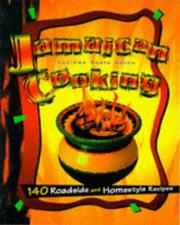
A trusted, widely-praised guide to authentic Jamaican home cooking that teaches jerk, rice and peas, and island classics with clear instructions perfect for those building on their foundation.
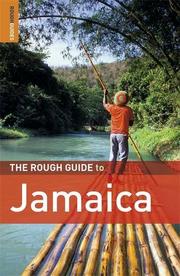
Provides rich cultural and culinary context for Jamaican food traditions, deepening appreciation of why dishes like jerk and curry goat taste and feel the way they do — pairs well with a hands-on cookbook.
Jerk, Spice & Fire
IntermediateGo deep on jerk technique, spice blending, marinades, and the art of smoke and heat — moving from recipes into understanding the 'why' behind Jamaican and Caribbean seasoning.
▸ Study plan for this stage
Pace: 6–8 weeks, ~25–30 pages/day, with 2–3 days per week dedicated to hands-on cooking practice
- Jerk as a technique, not just a recipe: understanding the historical and cultural roots of Jamaican jerk seasoning and its evolution from African and Caribbean traditions
- The anatomy of jerk spice blends: how allspice, scotch bonnet, thyme, garlic, ginger, and other aromatics work together and why ratios matter
- Marinade chemistry: how acid, oil, salt, and spice interact to penetrate and flavor protein over time
- Smoke and heat management: the relationship between wood choice, temperature control, and flavor development in traditional jerk cooking
- Spice blending as a craft: learning to taste, balance, and adjust seasoning for depth and complexity rather than heat alone
- Caribbean flavor foundations: how jerk principles extend across Caribbean cuisines and regional variations in 'Belly Full'
- From ingredient to plate: translating written recipes and techniques into intuitive cooking decisions based on understanding the 'why'
- What are the historical and cultural origins of jerk seasoning, and how does understanding this context change the way you approach the technique?
- Explain the role of allspice in traditional jerk blends and why it is considered the cornerstone spice—what would you lose if you omitted it?
- How do acid, oil, and salt work together in a marinade to flavor meat, and what happens if you alter the balance of these components?
- Describe the difference between jerk as a dry rub versus a wet marinade, and when would you choose one over the other based on your protein and desired outcome?
- What is the relationship between smoke type, temperature, and cooking time in achieving authentic jerk flavor, and how do you adapt these variables for different equipment?
- How do the spice and flavor principles from 'Jerk from Jamaica' appear in other Caribbean dishes featured in 'Belly Full', and what unifies them?
- Make three different jerk spice blends from 'Jerk from Jamaica' (e.g., traditional, hot, and mild) and taste them side by side; document how allspice, scotch bonnet heat, and thyme ratios shift the flavor profile
- Prepare a wet jerk marinade and a dry rub from the same base spices; marinate identical proteins for the same time and cook them side by side to compare penetration, crust, and moisture retention
- Cook jerk chicken using at least two different heat sources or methods described in 'Jerk from Jamaica' (e.g., charcoal grill, gas grill, oven) and evaluate how smoke and temperature control affect the final flavor
- Create a marinade experiment: prepare three batches of the same protein with varying acid-to-oil ratios and marinating times; taste and note how texture and flavor saturation change
- Select a non-jerk Caribbean dish from 'Belly Full' and identify the spice and seasoning techniques it shares with jerk; recreate it and write a short reflection on how jerk principles informed your approach
- Develop your own jerk spice blend by adjusting a base recipe from 'Jerk from Jamaica' to suit your heat tolerance and flavor preference; test it on at least two proteins and refine it based on results
Next up: This stage equips you with deep technical knowledge of Caribbean heat, spice, and smoke—the foundational flavors and methods that will allow you to confidently explore regional Caribbean cuisines, fusion applications, and how to build complete menus that balance jerk and other Caribbean techniques.
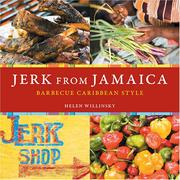
The definitive book on jerk cooking by a Jamaican author — covers the history of jerk, dry rubs vs. wet marinades, and authentic pit-style technique that intermediate cooks need to go beyond basic recipes.

Explores how Caribbean flavors — especially Jamaican — evolved in diaspora kitchens, introducing spice combinations and curry traditions that expand the cook's repertoire at an intermediate level.
The Wider Caribbean Table
IntermediateBroaden from Jamaica to the full Caribbean — Trinidad, Barbados, Cuba, Puerto Rico — mastering curries, stews, roti, and the African, Indian, and Spanish influences that shape island cooking.
▸ Study plan for this stage
Pace: 8–10 weeks, ~25–30 pages/day, with 2–3 cooking sessions per week
- The distinct culinary identities of major Caribbean islands (Jamaica, Trinidad & Tobago, Barbados, Cuba, Puerto Rico) and how geography, climate, and history shaped their food traditions
- African diaspora influences in Caribbean cooking: okra, plantains, rice-based dishes, and slow-cooked stews that reflect enslaved peoples' resourcefulness and cultural memory
- Indian indentured labor legacy in Trinidad and other islands: the role of curries, roti, dal, and spice blends in modern Caribbean cuisine
- Spanish colonial influence: sofrito, adobo, mojo marinades, and the use of citrus, garlic, and cumin in Cuban and Puerto Rican dishes
- Core Caribbean cooking techniques: seasoning pastes and marinades, slow braising, one-pot cooking, and the use of fresh herbs (cilantro, thyme, scallions)
- Essential Caribbean ingredients and their uses: coconut milk, scotch bonnet peppers, callaloo, breadfruit, yams, and how to source or substitute them
- How to build authentic flavor profiles by layering spices, aromatics, and acid (lime, vinegar) rather than relying on single dominant flavors
- The social and family contexts of Caribbean cooking: street food, festival dishes, and how recipes connect to celebration and community
- What are the three major cultural influences on Caribbean cuisine, and how does each one appear in the cooking of Trinidad, Barbados, and Cuba?
- Explain the difference between a Jamaican jerk preparation and a Trinidad curry, including the spices, techniques, and historical origins of each
- What is roti, where did it come from, and how is it used across different Caribbean islands?
- Describe the role of coconut milk and scotch bonnet peppers in Caribbean cooking, and name at least three dishes that feature these ingredients
- How do African-influenced stews (like callaloo or ackee and saltfish preparations) differ from Indian-influenced curries in terms of technique, spice profile, and cultural significance?
- What is sofrito or adobo, and how do these Spanish-influenced seasonings appear in Puerto Rican and Cuban dishes?
- Cook a Jamaican jerk chicken or fish using a traditional spice rub; document the spices used and compare the flavor profile to a Trinidad curry you also prepare
- Make roti from scratch (using the recipes in Kaufman's book) and use it to wrap a Caribbean curry filling; practice the rolling and cooking technique until you achieve thin, pliable roti
- Prepare a one-pot Caribbean stew (such as a beef or seafood stew) that showcases African influences; focus on building depth through slow cooking and layering aromatics
- Create a sofrito or adobo paste from fresh ingredients (garlic, cilantro, cumin, lime) and use it as a base for a Puerto Rican or Cuban dish; compare homemade paste to any bottled versions you may have tried
- Cook three curries from different islands (e.g., Trinidad, Barbados, and one other) using Lalbachan's recipes; taste and compare the spice blends, coconut milk ratios, and cooking times
- Prepare a complete Caribbean meal (appetizer, main, side, and drink) that represents a single island's cuisine; serve it to friends or family and explain the cultural and historical context of each dish
Next up: Mastering the foundational flavors, techniques, and cultural narratives of the wider Caribbean prepares you to explore advanced regional specialties, fusion applications, and the role of Caribbean cooking in contemporary global cuisine.
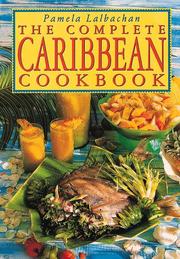
A comprehensive, island-by-island reference that connects Jamaican techniques already learned to the broader Caribbean, covering Trinidadian curries, Bajan dishes, and more with authority.
Focuses on the Indian and African culinary threads woven through Caribbean cooking — especially curries and rice dishes — giving intermediate cooks a deeper cultural and technical understanding.
Deep Mastery & Modern Caribbean
ExpertSynthesize tradition with creativity — understand the full cultural lineage of Caribbean food, cook with professional-level depth, and explore how modern Caribbean chefs are reinterpreting island classics.
Illuminates the African culinary roots shared between American Southern and Caribbean cooking, giving advanced cooks the historical depth to understand and innovate within the tradition.
Discussion
Keep reading
Paths that share books, cover the same subject, or open a related topic.