Best Books on a Hospice and Palliative Care Career
This curriculum is built for clinicians, social workers, chaplains, and care coordinators who are already working in or entering hospice and palliative care and want to go beyond the basics. The four stages move from the philosophical and clinical foundations of the field, through the hard conversations and team dynamics that define daily practice, into advanced symptom management, and finally into the essential work of sustaining yourself and your team over a career. Each book builds the language, empathy, and clinical reasoning needed for the next.
Foundations of the Field
IntermediateUnderstand the philosophy, history, and human meaning of hospice and palliative care, and develop the core vocabulary and ethical framework that underpin every other stage.
▸ Study plan for this stage
Pace: 8–10 weeks, ~40–50 pages/day (Being Mortal: 4–5 weeks; The Needs of the Dying: 3–4 weeks, with 1–2 weeks for integration and reflection)
- The limitations of curative medicine and the importance of reframing goals of care around quality of life and patient values rather than extending life at all costs
- Mortality as a fundamental human reality that shapes how we should live and practice medicine, and the role of honest conversations about death in compassionate care
- The distinction between prolonging life and prolonging dying, and how to recognize when aggressive treatment may cause more suffering than benefit
- The five core emotional and spiritual needs of the dying: safety, connection, completion, legacy, and meaning—and how caregivers can address each
- Palliative care as a philosophy centered on relieving suffering and honoring patient autonomy, applicable across all stages of serious illness, not just at end of life
- The ethical framework of informed consent, shared decision-making, and patient-centered care as the foundation for all hospice and palliative work
- The caregiver's role in bearing witness to suffering, managing their own emotions, and maintaining presence without fixing or abandoning the dying
- What is Gawande's central argument about how modern medicine has failed to prepare patients and families for mortality, and how does this connect to the need for palliative care?
- Describe the five needs of the dying according to Kessler. How might addressing these needs change the way you approach a patient or family member facing end of life?
- What is the difference between palliative care and hospice care, and at what points in a serious illness should each be considered?
- How do the case studies in Being Mortal (e.g., Sara Monopoli, Felix, Gawande's own father) illustrate the consequences of failing to have honest conversations about mortality and goals of care?
- What does Kessler mean by 'completion' as a need of the dying, and why is it distinct from other emotional or spiritual needs?
- How would you explain to a family member the concept that sometimes 'doing everything' medically can actually harm a dying person's quality of life?
- Read Being Mortal in two sittings (Part 1: Medicine and Mortality, Part 2: Hard Conversations) and write a 1–2 page reflection after each on how the cases presented challenge your assumptions about medical care and death.
- Identify one person in your own life (real or hypothetical) facing a serious illness. Using Gawande's framework, draft what an honest conversation about goals of care might look like—what would you ask, and what would you listen for?
- After reading The Needs of the Dying, create a one-page reference guide mapping Kessler's five needs to concrete caregiver actions (e.g., how to foster 'connection,' how to support 'legacy').
- Listen to or watch a recorded interview with Atul Gawande or David Kessler discussing their work (available online), and note which ideas from the books they emphasize and which new insights they add.
- Role-play or write out a difficult conversation: a family member insists on aggressive treatment for a dying relative. Using principles from both books, how would you respond with compassion while honoring the patient's autonomy?
- Attend or observe (if possible) a palliative care team meeting, hospice intake, or end-of-life care discussion in a clinical setting, and reflect on how the concepts from these books show up in real practice.
Next up: This stage establishes the philosophical and ethical bedrock—understanding *why* hospice and palliative care exist and *what values* drive them—preparing you to move into the next stage, which will likely focus on the practical skills, clinical assessment, and symptom management needed to actually deliver this care.

A landmark, widely-read entry point that reframes what medicine can and cannot do at the end of life — essential shared vocabulary for the entire field and a compelling case for why palliative care exists.
Grounds the reader in the practical and emotional rights of dying patients, establishing the patient-centered values that hospice teams are built around before moving into clinical specifics.
The Conversations That Matter
IntermediateMaster the communication skills required for goals-of-care discussions, prognosis conversations, and family meetings — the core competency that separates good palliative care from great palliative care.
▸ Study plan for this stage
Pace: 8–10 weeks, ~40–50 pages/day (approximately 2–3 weeks per book with time for reflection and exercises between them)
- The Five Wishes framework: understanding what matters most to patients (medical wishes, personal wishes, spiritual wishes, forgiveness, and legacy)
- Prognostic honesty without abandonment: delivering difficult truths while maintaining hope and relationship
- Reframing goals-of-care conversations from 'what do we do?' to 'what matters most to you?'
- The role of narrative and storytelling in understanding patient values and family dynamics
- Recognizing when aggressive medical interventions conflict with patient goals and how to navigate that tension
- Managing family disagreement and conflict during end-of-life discussions
- The physician's own mortality awareness and emotional resilience as essential tools for authentic communication
- Practical communication techniques: open-ended questions, silence, validation, and avoiding false reassurance
- What are the Five Wishes, and how can you use them to structure a goals-of-care conversation with a patient and family?
- How does Byock's concept of 'dying well' challenge conventional medical approaches to end-of-life care, and what communication shifts does it require?
- Describe Zitter's experience with the tension between being a 'good doctor' (aggressive intervention) and being a 'good person' (honoring patient wishes). What does this teach about prognostic conversations?
- What are the key differences between telling a patient 'there's nothing more we can do' versus 'here's what we can do to support what matters most to you'?
- How should you respond when a family member's goals conflict with the patient's stated wishes? What communication techniques help navigate this?
- Why is the physician's own awareness of mortality essential to having authentic conversations about death and dying?
- Role-play a goals-of-care conversation using the Five Wishes framework with a peer or mentor, recording yourself and reviewing for use of open-ended questions, silence, and validation
- Write a 2–3 page reflection on a real (or hypothetical) case where aggressive medical intervention conflicted with patient values; analyze what communication approach might have prevented or resolved the conflict
- Conduct a 'mortality awareness' self-interview: write down your own answers to the Five Wishes as if you were the patient. Reflect on how this exercise changes your approach to these conversations
- Analyze a transcript or video of a real goals-of-care conversation (from training materials or published case studies); identify moments of prognostic honesty, false reassurance, and missed opportunities for deeper understanding
- Practice delivering bad news using the SPIKES framework (Setting, Perception, Invitation, Knowledge, Emotions, Strategy) in a simulated patient encounter, then debrief on how Byock's and Zitter's insights apply
- Develop a personal 'communication toolkit' document: list 5–7 phrases, questions, and responses you will use in difficult conversations, grounded in the books' examples and your own voice
Next up: This stage equips you with the communication foundation and emotional awareness to lead difficult conversations; the next stage will deepen your clinical decision-making by teaching you how to translate those conversations into concrete care plans, symptom management, and team coordination that honor patient values.
Through vivid patient stories, Byock shows what a 'good death' looks like in practice and models how clinicians can open and guide the conversations that make it possible.

A palliative care physician's insider account of ICU culture and the fight to redirect care; sharpens the reader's ability to recognize and address the systemic barriers to honest end-of-life dialogue.
Clinical Mastery: Pain and Symptom Management
ExpertDevelop advanced clinical competency in assessing and managing pain, dyspnea, nausea, delirium, and other distressing symptoms across the trajectory of serious illness.
▸ Study plan for this stage
Pace: 8–10 weeks, ~40–50 pages/day (Oxford Textbook first 4–5 weeks; Palliative Care Nursing 4–5 weeks). Allocate 1–2 weeks for integration and case review.
- Comprehensive pain assessment frameworks (nociceptive, neuropathic, visceral, somatic) and the role of patient self-report as the gold standard
- Pharmacological pain management: opioid titration, rotation, tolerance, and adjuvant medications (NSAIDs, anticonvulsants, antidepressants) with dose optimization strategies
- Non-pharmacological and psychosocial pain interventions: cognitive-behavioral approaches, physical therapies, and spiritual/existential support
- Dyspnea assessment and management: oxygen therapy, opioids, anxiolytics, positioning, and psychosocial strategies across disease trajectories
- Nausea and vomiting pathophysiology: chemoreceptor trigger zone, gastric stasis, and multimodal pharmacological management (5-HT3 antagonists, corticosteroids, metoclopramide)
- Delirium recognition, differential diagnosis, and management: reversible causes, pharmacological and environmental interventions, and family communication
- Symptom assessment tools and measurement scales (pain scales, dyspnea scales, symptom burden instruments) for clinical decision-making
- Nursing assessment and intervention strategies: holistic patient evaluation, symptom monitoring, medication administration, and patient/family education
- How do you differentiate between nociceptive, neuropathic, visceral, and somatic pain, and what are the pharmacological and non-pharmacological management strategies specific to each type?
- Describe the opioid titration process, including dose escalation principles, management of side effects, and when opioid rotation is indicated.
- What are the major causes of dyspnea in palliative care patients, and how do you select and implement appropriate interventions (pharmacological and non-pharmacological)?
- Explain the pathophysiology of nausea and vomiting in serious illness and outline a systematic approach to antiemetic selection and sequencing.
- How do you assess for delirium in a seriously ill patient, distinguish it from depression or dementia, and implement both reversible and comfort-focused management strategies?
- What nursing assessment and intervention strategies are essential for comprehensive symptom management, and how do you educate patients and families about realistic symptom control expectations?
- Complete 5–10 detailed pain assessments using the framework from Oxford Textbook (nociceptive/neuropathic/visceral classification), documenting pain location, quality, intensity, temporal pattern, and impact on function.
- Develop opioid titration plans for 3–5 clinical scenarios (e.g., opioid-naïve patient, patient on chronic opioids with breakthrough pain, opioid rotation case) using Oxford Textbook dosing guidelines.
- Create a symptom management protocol for dyspnea, nausea, and delirium for a specific patient population (e.g., advanced cancer, heart failure, COPD), integrating both pharmacological and non-pharmacological interventions.
- Practice using 2–3 symptom assessment tools (e.g., Edmonton Symptom Assessment Scale, Numeric Rating Scale for dyspnea) on simulated or real patients and interpret results for clinical decision-making.
- Conduct a case study analysis of a complex symptom management scenario (e.g., opioid-induced constipation with delirium, refractory dyspnea) using evidence from both texts to justify your management approach.
- Role-play patient and family education sessions on pain management expectations, opioid safety, and realistic symptom control goals, incorporating communication strategies from Palliative Care Nursing.
Next up: This stage equips you with the clinical knowledge and practical skills to manage the most common and distressing symptoms in palliative care; the next stage will likely focus on integrating these symptom management skills into comprehensive psychosocial, spiritual, and existential care, and managing complex family dynamics and goals-of-care conversations.

The definitive clinical reference in the field; read selectively by symptom domain to build rigorous, evidence-based knowledge of pharmacological and non-pharmacological management.

Bridges the Oxford Textbook's depth with bedside nursing practice, covering symptom assessment tools, care planning, and interdisciplinary coordination in concrete, actionable terms.
Team Roles, Grief, and Sustaining Yourself
ExpertUnderstand the interdisciplinary team model in depth, process the cumulative grief inherent in this work, and build the personal and professional practices needed for a long, meaningful career.
▸ Study plan for this stage
Pace: 8–10 weeks, ~25–30 pages/day, with 1–2 reflection days per week
- The four things that matter most in end-of-life conversations: forgiveness, gratitude, love, and goodbye—and how to facilitate them with patients and families
- Grief as a non-linear, ongoing process with distinct phases and patterns that require active processing, not suppression
- The interdisciplinary team model: roles of physicians, nurses, social workers, chaplains, and volunteers in holistic end-of-life care
- Cumulative grief and moral injury in palliative care workers—recognizing burnout, compassion fatigue, and secondary trauma
- Practical self-care and resilience-building strategies: mindfulness, boundary-setting, peer support, and meaning-making
- The cultural, spiritual, and existential dimensions of dying well—moving beyond medical models to person-centered care
- Personal preparation for mortality and legacy: how understanding your own death informs your work with dying patients
- What are the four things that matter most according to Byock, and how would you facilitate each one in a patient conversation?
- Describe the phases of grief outlined in Warner's work and explain why grief is not linear—what does this mean for supporting grieving families?
- How does the interdisciplinary team model in palliative care differ from traditional medical hierarchies, and what is each discipline's core contribution?
- What is cumulative grief or moral injury in palliative care, and what are three warning signs you might experience it yourself?
- What self-sustaining practices does Butler advocate for, and how do they connect to a philosophy of dying well?
- How would you explain to a colleague why personal mortality awareness is essential—not optional—for palliative care professionals?
- Conduct a mock four-things conversation with a peer, taking turns as patient/family and care provider; record what felt authentic and what felt forced
- Journal for 10 minutes daily for one week on a personal loss or grief experience; identify which phase(s) of Warner's grief model you recognize in your own process
- Map your local palliative care team: identify each discipline represented, interview one person from a role unfamiliar to you, and document their perspective on team dynamics
- Create a personal grief inventory: list cumulative losses from your work (patient deaths, difficult cases, moral conflicts); rate your current burnout/compassion fatigue on a 1–10 scale and identify one concrete change
- Design a weekly self-care ritual (30–60 minutes) based on Butler's principles; commit to it for 2 weeks and reflect on its impact on your resilience and presence with patients
- Write a personal mortality reflection: imagine your own end-of-life care in detail (where, with whom, what matters); share insights with a trusted colleague or mentor
Next up: This stage equips you with the emotional intelligence, team awareness, and personal grounding necessary to lead or mentor others in palliative care, setting the foundation for the next stage's focus on advanced clinical decision-making, ethical complexity, and systems-level impact.
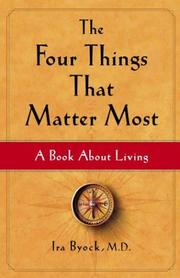
Shifts focus to the relational and spiritual dimensions of end-of-life care, equipping every team member — regardless of discipline — with a shared language for meaning-making with patients and families.

Addresses the ongoing, cumulative grief that hospice workers carry; provides structured reflection practices that help clinicians process loss without burning out.

Closes the curriculum by integrating clinical, relational, and personal dimensions into a whole-person vision of what it means to do this work well — both for patients and for the professionals who serve them.
Discussion
Keep reading
Paths that share books, cover the same subject, or open a related topic.