The Best Books for Cancer Survivors and Patients
This curriculum is designed for cancer survivors and patients who already have some familiarity with their diagnosis and want to go deeper—moving from understanding the treatment landscape and rebuilding the body, to mastering emotional resilience and long-term thriving. Each stage builds on the last: first you orient yourself within the medical system, then you reclaim your physical health, and finally you do the deeper psychological and existential work that defines life after cancer.
Navigating the Medical Landscape
IntermediateUnderstand how to work effectively with your oncology team, make informed treatment decisions, and know what questions to ask so you feel like an active partner in your own care.
▸ Study plan for this stage
Pace: 6–8 weeks, approximately 25–35 pages/day, with 1–2 days per week for reflection and exercises
- Building a collaborative relationship with your oncology team: roles, communication styles, and how to advocate for yourself
- The decision-making framework for treatment options: understanding benefits, risks, side effects, and how to weigh them against your values and goals
- Asking effective questions during appointments: what to ask before, during, and after treatment discussions to ensure informed consent
- Documenting your medical information: maintaining records, understanding your pathology report, and tracking treatment details
- The patient's role in treatment planning: how lifestyle factors (diet, stress, movement) complement medical interventions
- Managing side effects and quality of life: recognizing when to escalate concerns and negotiating care adjustments with your team
- Understanding the evidence: how to evaluate treatment recommendations and distinguish between standard care and emerging approaches
- What are the key roles within an oncology team, and how do you establish effective communication with each member?
- How do you evaluate a treatment recommendation by understanding its benefits, risks, and how it aligns with your personal values and goals?
- What are the critical questions to ask your oncologist before starting a new treatment, and why does each matter?
- How do you maintain organized medical records, and what information should you always have accessible?
- What lifestyle factors does your oncology team consider part of your care plan, and how do you integrate them with medical treatment?
- How do you recognize when a side effect warrants escalation to your medical team, and what is your process for doing so?
- Create a one-page 'oncology team map' listing each member of your care team (oncologist, nurses, social workers, etc.), their roles, and preferred communication methods
- Draft a personal 'treatment decision framework' document that outlines your health values, priorities (e.g., quality of life vs. aggressive treatment), and how you will weigh options
- Prepare a written list of 10–15 questions you want to ask at your next oncology appointment, organized by category (diagnosis, treatment options, side effects, lifestyle)
- Organize your medical records into a binder or digital folder with sections for pathology reports, treatment plans, test results, and appointment notes
- Interview a family member or caregiver about their perspective on your care and identify one area where you could improve communication or collaboration
- Design a simple side-effect tracking log (daily or weekly) that captures symptoms, severity, and when you should contact your care team
Next up: This stage equips you with the tools and confidence to navigate medical decisions as an informed partner; the next stage will deepen your understanding of the biological and lifestyle factors that support recovery and long-term survivorship beyond the treatment phase.

A practical, evidence-based starting point that bridges the gap between your medical team's advice and daily life decisions, giving you the vocabulary to engage confidently with your care.
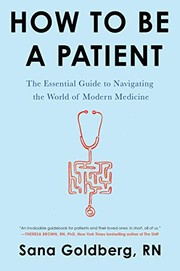
Written by a nurse and health educator, this book teaches you how to navigate the healthcare system, advocate for yourself, and communicate clearly with doctors—essential skills before diving into deeper survivorship topics.
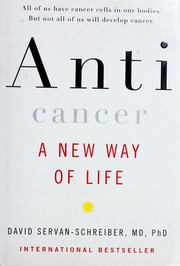
A physician and cancer survivor himself, Servan-Schreiber synthesizes the science of lifestyle factors that complement oncology treatment, making it an ideal bridge between the medical world and personal action.
Rebuilding the Body
IntermediateDevelop a concrete, science-backed plan for nutrition, movement, and physical recovery that supports healing during and after treatment.
▸ Study plan for this stage
Pace: 4–5 weeks, ~25–30 pages/day. Week 1–2: "The Cancer-Fighting Kitchen" (complete); Week 3–5: "Radical Remission" (complete), with 2–3 days for integration and reflection.
- Anti-inflammatory and nutrient-dense foods as foundational tools for recovery, including specific ingredients (turmeric, ginger, cruciferous vegetables, omega-3s) and their mechanisms
- Personalized nutrition planning: assessing individual needs, food sensitivities, and treatment side effects to build a sustainable eating strategy
- The nine key factors of radical remission: nutrition, stress reduction, increased exercise, deepened spirituality, enhanced social support, positive attitude, herbal supplements, conventional treatment, and listening to intuition
- Movement and exercise as active healing: types, intensity, and timing that support physical recovery without overexertion during treatment
- The mind-body connection in survivorship: how psychological and emotional shifts directly influence physical healing outcomes
- Practical meal planning and preparation strategies that are realistic for someone managing treatment side effects and fatigue
- Integration of conventional medical care with complementary lifestyle practices for holistic recovery
- What are the key anti-inflammatory foods Katz recommends, and what specific mechanisms make them beneficial for cancer recovery?
- How do you assess your individual nutritional needs and food sensitivities during cancer treatment, and what adjustments might you need to make?
- According to Turner, what are the nine key factors of radical remission, and which three feel most actionable for your personal situation?
- What role does exercise play in recovery according to both texts, and what types of movement are appropriate during different treatment phases?
- How do stress reduction, spirituality, and social support directly impact physical healing, based on Turner's research?
- What is a realistic first step you can take this week to implement one nutrition or movement change from these books?
- Design a 3-day anti-inflammatory meal plan using recipes or principles from 'The Cancer-Fighting Kitchen,' accounting for one realistic side effect (e.g., nausea, dry mouth, fatigue). Write out shopping list and prep strategy.
- Create a personal 'Radical Remission Profile': rate yourself on Turner's nine factors (1–10 scale), identify your top 3 priorities, and write one concrete action for each.
- Prepare one recipe from Katz's book, document how you felt before and after eating it, and reflect on taste, energy, and any digestive response.
- Design a realistic 4-week movement plan that progresses gradually, specifying type (walking, yoga, strength, etc.), duration, and frequency. Include rest days.
- Interview or journal with someone in your support network about how they can help with meal prep, exercise accountability, or stress reduction. Document commitments.
- Build a 'Healing Toolkit' checklist combining Katz's top 5 pantry staples and Turner's top 3 non-nutritional factors (e.g., meditation app, support group contact, exercise class). Commit to acquiring/scheduling each.
Next up: This stage establishes the physical and nutritional foundation for recovery, preparing you to deepen emotional resilience, meaning-making, and long-term survivorship identity in the next stage.
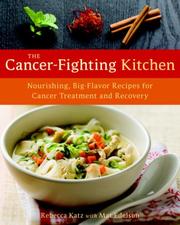
A registered dietitian's practical guide to nourishing the body during treatment; reading this after Anticancer lets you immediately apply the nutritional principles you've just learned.
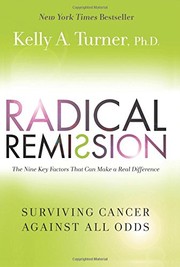
Based on Turner's doctoral research into unexpected cancer recoveries, this book identifies key lifestyle and mindset factors—diet, supplements, social support—that survivors report as transformative, expanding your toolkit beyond conventional medicine.
The Emotional and Psychological Journey
IntermediateProcess the fear, grief, identity shifts, and anxiety that accompany a cancer diagnosis, and build durable coping strategies grounded in psychology and lived experience.
▸ Study plan for this stage
Pace: 8–10 weeks, ~25–30 pages/day (approximately 3–4 weeks per book with reflection time)
- The post-treatment transition as a distinct psychological phase requiring intentional adjustment and identity reconstruction
- Emotional responses to cancer (fear, grief, anger, guilt) as normal and manageable through evidence-based coping strategies
- The role of meaning-making and purpose in psychological resilience and long-term emotional recovery
- Practical strategies for managing anxiety, survivorship-related distress, and the 'new normal' after treatment ends
- How identity shifts during and after cancer can be reframed as opportunities for growth and authentic living
- The importance of social support, professional help, and community in processing trauma and building sustainable coping
- Existential frameworks for finding meaning in suffering and transforming fear into purposeful action
- What are the key emotional and psychological challenges that emerge specifically in the post-treatment phase, and how do they differ from treatment-phase concerns?
- How can you identify and name the emotions you're experiencing (fear, grief, guilt, anger) and understand their origins in the cancer experience?
- What evidence-based coping strategies from Silver and Holland are most applicable to your own situation, and how would you implement them?
- How has your sense of identity, values, or priorities shifted because of cancer, and what does your 'new normal' look like?
- What meaning or purpose can you extract from your cancer experience, and how does that meaning support your emotional recovery?
- What role does social support, professional mental health care, or community play in your survivorship journey, and where are gaps you need to address?
- Create a 'post-treatment emotions inventory': List the emotions you're experiencing weekly, rate their intensity (1–10), and identify triggers. Track changes over the 8–10 weeks.
- Develop a personalized coping toolkit: Select 3–5 strategies from Silver and Holland (e.g., journaling, grounding techniques, physical activity) and practice one daily for 2 weeks, documenting what works.
- Write a 'before and after' identity reflection: Describe who you were before cancer, who you are now, and who you want to become. Revisit this at the end of the stage to track shifts.
- Conduct a meaning-making interview with yourself: Answer Frankl's core question—'What meaning can I find in this experience?'—in writing, then discuss with a trusted person or therapist.
- Build a support map: Identify your current support sources (family, friends, professionals, groups) and create an action plan to strengthen weak areas (e.g., joining a support group, scheduling therapy).
- Practice a weekly 'fear-naming' ritual: Write down one fear related to survivorship, examine its roots using Silver's and Holland's frameworks, and write a compassionate response to yourself.
Next up: This stage equips you with emotional awareness, coping tools, and a sense of meaning—the psychological foundation needed to move forward into practical life domains (relationships, work, health management, and long-term planning) in the next stage.

A physiatrist and cancer survivor, Silver addresses the often-overlooked emotional and physical aftermath of finishing treatment—the 'now what?' phase—making it the perfect emotional entry point for this stage.
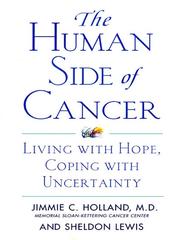
Written by the founder of psycho-oncology, this is the definitive guide to understanding and managing the emotional experience of cancer, from diagnosis through survivorship, grounding your feelings in clinical insight.
![Man's Search for Meaning adapted for Young Adults [adaptation]](https://covers.openlibrary.org/b/id/11203708-M.jpg)
A classic of existential psychology that many cancer survivors cite as profoundly clarifying; reading it here, after processing the practical and emotional terrain, allows you to engage with its ideas about suffering and purpose at the deepest level.
Thriving Long-Term and Finding Meaning
ExpertMove beyond survival mode into a life shaped by post-traumatic growth, renewed purpose, and a sustainable vision of health and identity as a cancer survivor.
▸ Study plan for this stage
Pace: 6–8 weeks, ~40–50 pages/day (alternating between both books), with 2–3 reflection days per week
- Post-traumatic growth: how confronting mortality can clarify values, deepen relationships, and reshape identity beyond the 'cancer survivor' label
- The tension between medical hope and acceptance: navigating treatment decisions when cure becomes unlikely, as explored through Kalanithi's terminal diagnosis and Butler's framework for 'dying well'
- Meaning-making through narrative: how telling your story and examining what matters most creates coherence after cancer disrupts your life trajectory
- Redefining health and identity: moving from 'fighting' cancer to integrating the experience into a fuller sense of self that includes but transcends survivorship
- Legacy and purpose: how survivors can channel their experience into meaningful contribution, whether through relationships, creative work, or helping others
- The role of mortality awareness in living fully: using the perspective gained from cancer to prioritize authentically and reject inauthentic obligations
- Sustainable practices for long-term wellbeing: building a life that honors both vulnerability and resilience without burnout or denial
- How does Kalanithi's journey from physician to patient reshape his understanding of what makes life meaningful, and what parallels exist in your own post-cancer reassessment of values?
- What does Butler mean by 'dying well,' and how does her framework apply to cancer survivors who are living but have confronted mortality—what does a 'well-lived' survivorship look like?
- Identify a moment in either book where the author moves from survival mode (fighting, enduring) into a different relationship with their situation. What enabled that shift, and is it relevant to your experience?
- How do Kalanithi and Butler each use storytelling and reflection to construct meaning after a life-altering medical crisis? What is the role of narrative in your own healing?
- What does post-traumatic growth mean in the context of these books, and what evidence of it do you see in the authors' lives? What growth have you experienced or are you working toward?
- How do these authors balance acceptance with continued engagement in life? What does sustainable hope look like when cure is no longer the goal?
- Write a personal 'values clarification' essay: Identify 3–5 core values that have shifted or crystallized since your cancer diagnosis. Use specific scenes from Kalanithi's reflections on meaning to anchor your own insights.
- Create a 'legacy document': Following Butler's emphasis on intentional living, outline 3–5 concrete ways you want to be remembered or contribute going forward. This could be relational, creative, or service-oriented.
- Narrative reframing practice: Select one difficult chapter from your cancer journey and rewrite it from the perspective of post-traumatic growth—not minimizing the pain, but identifying what you learned or how you changed.
- Dialogue with the authors: Write a letter to either Kalanithi or Butler responding to a passage that moved you. What would you ask them? What wisdom from their experience applies to your next chapter?
- Life audit: Using Butler's framework for 'dying well,' audit your current commitments, relationships, and daily practices. What aligns with your deepest values? What drains you without purpose? Draft one concrete change.
- Meaning-making conversation: Have a structured conversation with a trusted friend, family member, or therapist using these prompts: 'What do you think I've learned from cancer?' and 'What do you see me becoming?' Listen for themes that echo the books' insights.
Next up: This stage anchors you in the existential and relational dimensions of survivorship, preparing you to move into the next stage—whether that involves practical reintegration into work and community, deepening specific relationships, or translating meaning into sustained action and advocacy.
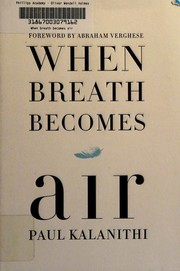
A neurosurgeon's memoir written as he faced terminal lung cancer; its unflinching meditation on mortality and meaning reframes survivorship as an opportunity for profound self-examination rather than just a return to 'normal.'

Closes the curriculum by helping survivors think clearly and courageously about the full arc of life, end-of-life planning, and what it means to live well on your own terms—turning survivorship into an ongoing, intentional practice.
Discussion
Keep reading
Paths that share books, cover the same subject, or open a related topic.