Best Books to Become a Wind Turbine Technician
This curriculum takes a complete beginner from zero wind-energy knowledge to job-ready wind turbine technician across four progressive stages. Each stage builds on the last — starting with how wind energy works conceptually, moving into the mechanical and electrical systems inside a turbine, then covering the safety and climbing standards required on the job, and finally addressing the career and hiring landscape.
Foundations: How Wind Energy Works
BeginnerUnderstand the fundamentals of wind energy, why turbines are built the way they are, and the big-picture role of wind power in the energy grid — building the vocabulary needed for all technical study ahead.
▸ Study plan for this stage
Pace: 4–5 weeks, ~40–50 pages/day. Start with "Wind Energy Explained" (Chapters 1–4, approximately 2 weeks), then transition to "Wind Power For Dummies" (approximately 2–3 weeks) for reinforcement and practical context.
- How wind is converted to mechanical energy through blade aerodynamics and rotor design
- The role of the gearbox, generator, and power electronics in converting mechanical energy to electricity
- Wind resource assessment: how wind speed, direction, and terrain affect turbine placement and output
- Turbine components and their functions: nacelle, tower, foundation, control systems, and safety mechanisms
- Grid integration: how wind power connects to the electrical grid and the challenges of variable output
- Wind farm economics and site selection criteria that determine why turbines are built where they are
- Environmental and social considerations in wind energy deployment
- The role of wind power in the broader energy mix and decarbonization goals
- Explain how wind speed is converted into rotational energy in a wind turbine rotor, and why blade design matters.
- What are the main components of a wind turbine (from blade to grid connection), and what does each one do?
- Why do wind turbines need gearboxes and generators, and how do they work together to produce electricity?
- How do wind resource assessment and terrain analysis influence where a wind farm is built?
- What are the main challenges in connecting variable wind power to an electrical grid, and how are they managed?
- Why are some turbine designs (e.g., horizontal-axis vs. vertical-axis) more common than others in utility-scale applications?
- Sketch a labeled diagram of a horizontal-axis wind turbine showing all major components (rotor, nacelle, tower, foundation, control systems) and write a one-sentence function for each.
- Calculate the theoretical power output of a turbine given wind speed, rotor diameter, and air density using the power equation from 'Wind Energy Explained'; compare your result to real-world capacity factors discussed in the books.
- Visit a wind farm website or online resource and analyze the site selection: identify terrain features, wind resource data, and proximity to grid infrastructure that justify the location.
- Create a simple flowchart showing how electricity flows from wind turbine blades through the gearbox, generator, power electronics, and into the grid.
- Read case studies in 'Wind Power For Dummies' on different turbine designs and write a 1–2 page comparison of why utility-scale turbines differ from small residential turbines.
- Interview a wind technician (in person, by phone, or via online forum) about the most common component failures they encounter and relate those failures to the design principles in the books.
Next up: This stage establishes the vocabulary, physical principles, and systemic context needed to understand turbine operation and maintenance; the next stage will dive into hands-on technical skills—electrical systems, mechanical troubleshooting, and safety protocols—that depend on this conceptual foundation.

The single most widely used introductory textbook on wind energy; it covers aerodynamics, rotor theory, and system components in plain terms, giving beginners a solid conceptual map before diving into hands-on systems.
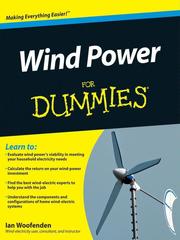
A highly accessible, jargon-light overview of how wind turbines generate electricity and how systems are sized and sited — perfect for reinforcing the concepts from Manwell in everyday language before moving to technical depth.
Inside the Machine: Mechanical & Electrical Systems
IntermediateUnderstand the mechanical drivetrain, hydraulic pitch and yaw systems, generators, power electronics, and control systems that a working technician inspects, maintains, and troubleshoots every day.
▸ Study plan for this stage
Pace: 8–10 weeks, ~40–50 pages/day (Wildi first: 5–6 weeks; Parr second: 3–4 weeks)
- AC induction motors and synchronous generators: construction, operating principles, and torque-speed characteristics relevant to turbine drivetrains
- Power electronics fundamentals: rectifiers, inverters, and power conversion for grid integration and variable-speed operation
- Hydraulic systems architecture: pumps, actuators, valves, and pressure control in pitch and yaw mechanisms
- Fluid power circuit design and troubleshooting: reading schematics, identifying component failures, and predicting system behavior under load
- Generator types (induction vs. synchronous) and their role in converting mechanical energy to electrical power for the grid
- Pitch control via hydraulic actuators: how pressure, flow, and valve logic maintain blade angle during operation
- Yaw system hydraulics: slew drive, brake, and accumulator operation for nacelle orientation
- Real-world failure modes: cavitation, pressure spikes, seal degradation, and electrical faults in integrated drivetrain systems
- How does an AC induction generator differ from a synchronous generator, and why is this distinction important for wind turbine grid integration?
- Explain the role of power electronics (inverters and rectifiers) in allowing a wind turbine to operate efficiently across varying wind speeds.
- Describe the complete hydraulic circuit for a pitch control system: identify the pump, actuator, pressure relief valve, and control logic that adjusts blade angle.
- What are the main failure modes in hydraulic pitch systems (cavitation, seal leakage, pressure spikes), and how would you diagnose each during a service call?
- How do yaw system hydraulics differ from pitch hydraulics, and what role does the accumulator play in yaw brake operation?
- Given a hydraulic schematic, identify the function of each major component (pump, motor, valve, accumulator) and predict system behavior when a valve is stuck or a seal fails.
- Work through Wildi's motor/generator problems (Ch. 5–7): solve 5–8 torque-speed and power-factor calculations for induction machines to internalize load behavior.
- Sketch and label a complete AC induction generator circuit from memory, including stator windings, rotor, and the role of slip in variable-speed operation.
- Read and annotate a real wind turbine pitch control hydraulic schematic (sourced from manufacturer manuals or online resources); identify pump, actuators, relief valves, and solenoid logic.
- Build or simulate a simple hydraulic circuit using free software (e.g., Fluid Sim or Automation Studio demo): create a pressure-controlled actuator circuit and observe behavior when you adjust relief valve settings.
- Case study: Analyze a documented pitch system failure (cavitation, seal blow-out, or pressure spike) using Parr's troubleshooting framework; write a 1–2 page diagnostic report.
- Create a comparison table: induction motor vs. synchronous generator, listing construction, speed regulation, efficiency, and grid-tie requirements—reinforce distinctions from Wildi.
Next up: Mastery of the drivetrain's mechanical and hydraulic heart, combined with understanding of electrical generation and power conversion, equips you to move into the next stage—control systems and SCADA—where you'll learn how sensors, logic, and software orchestrate all these components into a responsive, grid-compliant machine.
Wind technicians must understand AC/DC machines, transformers, and variable-frequency drives; this classic textbook is the clearest treatment of electrical machines used in turbine drivetrains and is widely assigned in wind-tech programs.
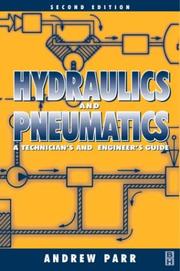
Hydraulic systems control blade pitch and braking on most utility-scale turbines; this concise, practical guide explains hydraulic circuits, valves, and actuators — exactly what a technician reads on a schematic in the nacelle.
Safety, Climbing & Site Certification
IntermediateMaster the fall-protection standards, rescue procedures, confined-space rules, and electrical safety practices required for GWO (Global Wind Organisation) and OSHA certification and safe daily work at height.
▸ Study plan for this stage
Pace: 4–5 weeks, ~25–30 pages/day, with 2–3 days per week dedicated to hands-on rigging practice and safety drills
- Load calculations, working load limits (WLL), and safety factors in rigging systems—foundational for understanding fall-protection load ratings and rescue equipment capacity
- Knot tying, hitches, and bends as core competencies for securing harnesses, creating anchor points, and emergency rescue rigging
- Rope and hardware inspection protocols to identify wear, damage, and degradation—critical for daily pre-work safety checks on turbine sites
- Mechanical advantage and pulley systems used in rescue operations and load management at height
- Rigging terminology, standards (ASME, ANSI), and industry best practices that align with GWO and OSHA fall-protection requirements
- Practical troubleshooting and problem-solving in rigging scenarios—essential for adapting to confined spaces and emergency situations on wind turbines
- What is the relationship between working load limit (WLL), safety factor, and the maximum safe load you can suspend on a given rope or sling, and how does this apply to fall-arrest harness systems?
- Describe at least five essential knots and hitches from Toss's manual, explain their specific use cases in rigging, and demonstrate how they apply to securing rescue anchors or harness attachment points
- What are the key inspection criteria for rope, slings, and hardware, and what defects or conditions require immediate removal from service?
- How do mechanical advantage systems (block and tackle) work, and why are they critical for rescue operations when a technician must be lowered or raised from a turbine tower?
- What is the difference between dynamic and static rope, and when would each be appropriate (or inappropriate) for fall protection and rescue scenarios?
- How do the rigging principles and standards in Toss's book align with GWO and OSHA fall-protection requirements for working at height?
- Tie and inspect all major knots and hitches from the book (bowline, clove hitch, figure-eight, sheet bend, etc.) on actual rope; practice until you can tie each correctly and quickly in low-light conditions
- Conduct a detailed inspection of a rope or sling following Toss's protocols: measure diameter, check for cuts/fraying/discoloration, test flexibility, and document findings—repeat weekly with different equipment
- Set up a simple pulley system (2:1 or 3:1 mechanical advantage) and calculate the actual force reduction; practice rigging it safely and testing with a known load
- Create a mock rescue scenario: rig an anchor point, secure a harness using appropriate knots, and practice lowering a weighted dummy using a pulley system and proper braking techniques
- Study and memorize the load ratings and safety factors for three types of rope (natural fiber, synthetic, wire) and explain when each is appropriate for wind turbine work
- Photograph and document five pieces of rigging hardware (carabiners, shackles, D-rings) from your workplace or training facility, identify their rated capacity, and assess their condition against Toss's inspection standards
Next up: Mastery of rigging fundamentals—load calculations, knot work, and equipment inspection—provides the technical foundation for understanding fall-arrest system design, rescue procedures, and confined-space entry protocols, which are the focus of the next stage.
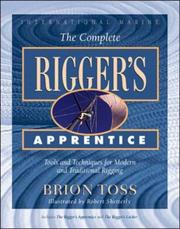
Though rooted in marine rigging, this is the most thorough practical guide to knots, rope mechanics, and load calculations used in rope-access and rescue work — directly applicable to turbine tower climbing and rescue scenarios.
Career Launch: Getting Hired & Thriving on the Job
ExpertTranslate technical knowledge into a competitive job search — understanding the wind industry job market, resume and certification strategy, and the professional skills that separate great technicians from average ones.
▸ Study plan for this stage
Pace: 4–5 weeks, ~25–30 pages/day, with 2–3 days per week dedicated to exercises and reflection
- The Flower Exercise: identifying your skills, values, and ideal work environment to target the right wind turbine technician roles
- Researching the wind energy job market: company structures, hiring timelines, and where technician positions are concentrated geographically
- Networking as a primary job search strategy: building relationships with wind farm managers, recruiters, and industry professionals before applying
- Crafting a compelling resume and cover letter that translates technical certifications (GWO, OSHA, electrical) into employer language
- Interviewing strategically: preparing stories that demonstrate problem-solving, safety mindset, and hands-on competence in turbine maintenance
- Negotiating compensation and benefits: understanding salary ranges, hazard pay, travel requirements, and contract terms in the wind industry
- Onboarding and professional growth: establishing yourself as reliable and safety-conscious to build long-term career momentum
- What are your top 5–7 skills, values, and work environment preferences, and which wind technician roles align best with them?
- How is the wind energy job market structured, and where are technician positions most concentrated in your region or target geography?
- Name three specific people or organizations in the wind industry you could network with, and what is your outreach strategy?
- How would you reframe your technical certifications and hands-on experience in a resume bullet point that speaks to an employer's needs?
- What is a specific example from your training or work history that demonstrates your safety mindset or problem-solving ability, and how would you tell it in an interview?
- What is the typical salary range, hazard pay structure, and travel expectation for wind turbine technicians in your target market, and what is your negotiation baseline?
- Complete the Flower Exercise from Bolles: map your skills, values, preferred work environment, and ideal salary/benefits on paper or digitally; identify 3–5 wind technician roles that match your profile
- Research and document 5–10 wind energy companies operating in your target region (or nationally); note their hiring practices, technician roles, and contact information for networking
- Conduct informational interviews with 2–3 wind technicians or hiring managers; ask about their career path, what employers look for, and current market demand
- Draft a resume tailored to wind turbine technician positions, highlighting certifications (GWO, OSHA, electrical), hands-on experience, and safety record; have a peer or mentor review it
- Write 3–4 STAR stories (Situation, Task, Action, Result) from your training or work history that demonstrate safety, problem-solving, or technical competence; practice delivering them aloud
- Create a 30–60–90 day job search action plan: set weekly networking goals, application targets, and interview preparation milestones
Next up: This stage equips you with the mindset, tools, and network to land a wind technician role; the next stage will focus on mastering the technical and soft skills required to excel once hired and advance into leadership or specialized positions.
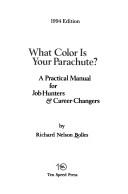
The most proven career-search guide in print; its skills-inventory and job-targeting methods are directly applicable to breaking into a specialized trade like wind technology, especially for career-changers entering from other fields.
Discussion
Keep reading
Paths that share books, cover the same subject, or open a related topic.