Cut-flower gardening: the best books to grow blooms for the vase
This curriculum takes a complete beginner from "what is a cut flower garden?" to confidently planning, sowing, succession-planting, and harvesting blooms across an entire season. The four stages build deliberately — first establishing a love of the craft and core vocabulary, then mastering practical growing skills, then deepening knowledge of specific flowers and design, and finally refining the harvest-to-vase workflow for truly abundant, professional-quality bouquets.
Foundations: Falling in Love with Cut Flowers
BeginnerUnderstand what a cut flower garden is, get inspired by what's possible, and absorb the essential vocabulary of planning, plant types, and seasonal thinking before touching a seed.
▸ Study plan for this stage
Pace: 4–5 weeks, ~25–30 pages/day, with 2–3 days per week for reflection and exercises
- The philosophy and aesthetic of a cut flower garden versus ornamental landscaping
- Seasonal planting calendars and succession planting to ensure year-round blooms
- Plant families and their characteristics (dahlias, zinnias, cosmos, celosia, etc.) and why certain varieties work for cutting
- Color theory and design principles for arranging cut flowers
- The relationship between growing conditions (soil, water, sunlight) and flower quality and longevity
- Essential vocabulary: hardiness zones, succession planting, vase life, stem conditioning, and flower families
- How to read seed catalogs and select varieties suited to your climate and aesthetic goals
- What is the core difference between a cut flower garden and a traditional ornamental garden, and why does this distinction matter for your design and plant selection?
- How does succession planting work, and why is it essential for maintaining a continuous harvest of fresh flowers throughout the growing season?
- Name at least three plant families commonly grown for cutting, describe their characteristics, and explain which seasons they thrive in.
- What factors determine the vase life of a cut flower, and how do growing practices (soil quality, watering, harvesting technique) influence longevity?
- How do you use color theory and design principles to plan a cut flower garden that produces harmonious arrangements?
- What information should you gather about your specific growing conditions (zone, sunlight, soil type) before selecting varieties, and how do you use seed catalogs to find suitable plants?
- Create a seasonal planting calendar for your hardiness zone using varieties mentioned in Floret Farm's Cut Flower Garden, mapping out what to plant each month for continuous blooms
- Design a color palette for three different arrangements using the principles from The Flower Recipe Book, then sketch or collage your vision
- Visit a local seed catalog or website and select 8–10 cut flower varieties suited to your climate, noting their bloom time, vase life, and color; justify each choice in writing
- Read through Floret Farm's plant profiles and create flashcards for 10 key varieties, noting family, bloom time, height, and why they're good for cutting
- Photograph or collect images of 5 cut flower arrangements you love (from the books, Instagram, or florists), then analyze each using the design principles from The Flower Recipe Book
- Write a 1–2 page personal manifesto for your cut flower garden: What aesthetic appeals to you? What colors and textures do you want to grow? What will you do with your flowers?
Next up: This stage equips you with the visual inspiration, vocabulary, and design thinking needed to move into the next stage—practical site planning and soil preparation—where you'll translate these dreams into a real garden layout and prepare your beds for planting.

The single best entry point for beginners — lush, motivating, and packed with clear guidance on planning a cutting garden from scratch. It introduces key terms (succession sowing, direct sow, transplant) that every later book assumes you know.
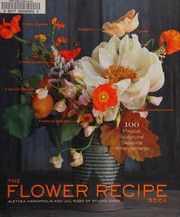
Reading this early connects the garden to the vase, giving the beginner a vivid sense of purpose — knowing what you're growing toward makes every planning decision more meaningful.
Planning & Sowing: Getting Seeds in the Ground
BeginnerCreate a season-long planting calendar, understand succession sowing, choose the right annuals and perennials for continuous bloom, and confidently start seeds indoors and outdoors.
▸ Study plan for this stage
Pace: 4–5 weeks, ~25–30 pages/day. Start with "The Cut Flower Patch" (weeks 1–2), then move to "The Flower Farmer" (weeks 3–5), allowing time for planning and seed-starting preparation between reading sessions.
- Succession sowing: timing multiple plantings 2–3 weeks apart to ensure continuous blooms throughout the season
- Selecting cold-hardy annuals (snapdragons, sweet peas, cosmos) and reliable perennials (dahlias, zinnias, sunflowers) suited to your climate zone
- Creating a season-long planting calendar that maps frost dates, sowing windows, and harvest periods for each crop
- Seed-starting fundamentals: indoor sowing timing (6–8 weeks before last frost), hardening off, and direct-sowing outdoors at the right soil temperature
- Understanding your local growing season, first/last frost dates, and how to extend the season with cold frames or row covers
- Spacing, thinning, and transplanting techniques to maximize plant health and flower production
- Record-keeping and observation: tracking what works in your specific garden conditions
- How do you calculate the timing for succession sowing, and why is planting in staggered intervals critical for continuous cut flowers?
- What are the key differences between cold-hardy annuals and tender annuals, and which varieties does Curley recommend for early-season cutting?
- How do you determine your local frost dates, and what role do they play in planning your sowing calendar?
- What are the essential steps for starting seeds indoors, and when should you begin relative to your last frost date?
- How do you harden off seedlings, and why is this step crucial before transplanting outdoors?
- What does a season-long planting calendar look like, and how would you adapt one from the books to your own garden?
- Create a detailed season-long planting calendar for your growing zone, mapping out succession sowings for at least 4–5 flower varieties (use frost dates and information from both books to set timing)
- Start a seed-starting experiment: sow seeds indoors following Curley's or Byczynski's guidance, document germination rates, seedling growth, and transplant success
- Harden off a batch of seedlings over 7–10 days, recording daily temperature and light exposure changes, then transplant outdoors and monitor establishment
- Design a small cut-flower patch layout (on paper or in your garden) that incorporates succession plantings and includes both annuals and perennials mentioned in the books
- Visit a local garden center or seed supplier and select seeds for at least 3 varieties recommended in the books; compare seed packet information (days to maturity, spacing) against the authors' guidance
- Keep a garden journal for 2–3 weeks documenting soil temperature, weather conditions, sowing dates, and early germination/growth observations to ground the reading in real conditions
Next up: This stage equips you with a personalized planting calendar and hands-on seed-starting skills, setting the foundation for the next stage—managing growth, pest control, and harvesting—where you'll learn to nurture seedlings into mature, productive plants and harvest flowers at peak quality.

A focused, practical guide written specifically for home growers who want blooms from spring to frost. It walks through month-by-month sowing schedules — the perfect next step after Benzakein's inspiration.
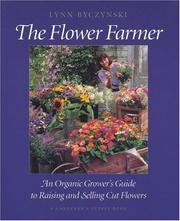
A beloved classic that bridges hobby and small-scale production, with deep coverage of which crops to grow, when to sow them, and how to stagger plantings for non-stop harvest — essential reading before moving to advanced cultivation.
Growing Deeper: Specific Flowers & Garden Craft
IntermediateMaster the cultivation requirements of the most rewarding cut flower families — dahlias, sweet peas, ranunculus, zinnias, and more — and learn to manage a productive garden through the full season.
▸ Study plan for this stage
Pace: 8–10 weeks, ~40–50 pages/day. Read "Floret Farm's a Year in Flowers" over 5–6 weeks (approximately 300 pages), then "The Sweet Peas" over 2–3 weeks (approximately 150 pages). Allocate 1–2 weeks for overlap and hands-on practice between books.
- Month-by-month cultivation calendar: understanding what to plant, tend, and harvest across the full growing season to maintain continuous cut-flower production
- Dahlia mastery: tuber selection, planting depth, staking, deadheading, and pest management to maximize blooms and longevity
- Sweet pea propagation and support systems: seed stratification, succession planting, trellis design, and extending the season through timing and variety selection
- Ranunculus and zinnia fundamentals: soil preparation, spacing, watering schedules, and variety selection for color and form in arrangements
- Garden infrastructure and workflow: bed layout, irrigation, tool organization, and harvest timing to work efficiently at scale
- Seasonal transition management: preparing beds for succession crops, managing disease pressure, and planning for season-end cleanup and renewal
- Variety selection strategy: choosing cultivars for color palette, vase life, and complementary bloom times across flower families
- What are the key planting windows and care tasks for dahlias from spring through fall, and how does tuber storage differ from seed-grown annuals?
- How do you design and implement a succession planting schedule for sweet peas to extend the harvest season, and what role does variety selection play?
- What are the essential soil, spacing, and watering requirements for ranunculus and zinnias, and how do these differ from each other?
- How should a cut-flower garden be laid out and managed to maximize productivity and minimize time spent on non-essential tasks?
- What are the most common pests, diseases, and environmental stressors affecting these five flower families, and what are your first-line management strategies?
- How do you plan a cohesive color palette and bloom-time sequence across dahlias, sweet peas, ranunculus, and zinnias for a full season of arrangements?
- Create a detailed month-by-month planting and care calendar for your own garden (or a hypothetical garden) using the frameworks from 'Floret Farm's a Year in Flowers,' specifying planting dates, succession intervals, and harvest windows for at least three flower families.
- Source and compare at least 5 dahlia varieties (tuber or seed) based on Benzakein's recommendations; document bloom time, color, form, and vase life for each, then sketch a planting plan for a small dahlia bed.
- Design a sweet pea support system (trellis, netting, or stakes) and plan a succession planting schedule with 2–3 sowing dates using varieties from 'The Sweet Peas'; calculate expected bloom windows for each sowing.
- Prepare a bed or container for ranunculus and zinnias: amend soil according to book recommendations, plant seeds or transplants at proper spacing, and establish a watering and deadheading routine for 4–6 weeks.
- Map out your garden's infrastructure: sketch bed locations, irrigation points, tool storage, and harvest staging areas; identify one workflow bottleneck and propose a solution based on Benzakein's efficiency principles.
- Keep a harvest and arrangement journal for 4–6 weeks, recording bloom dates, vase life, color combinations, and any pest or disease issues; cross-reference observations with book guidance to refine future planning.
Next up: This stage equips you with deep, season-long cultivation knowledge and hands-on garden management skills; the next stage will build on this foundation by teaching you to design cohesive, intentional gardens at larger scales and to develop a personal aesthetic and business model around your cut-flower practice.
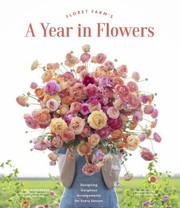
Benzakein's follow-up dives into the specific growing needs of dozens of cut flower varieties season by season, building directly on the planning skills established in Stage 2.
Dahlias are the workhorse of the late-season cutting garden; this concise, authoritative guide covers planting, pinching, staking, and tuber storage — skills that dramatically expand late-summer and autumn harvests.
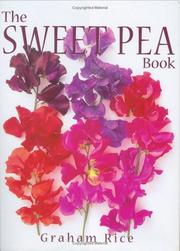
Sweet peas are among the most beloved and nuanced cut flowers; Rice's dedicated guide ensures the learner can grow them well, adding an important cool-season crop to their succession plan.
Harvest to Vase: Abundance & Bouquet Mastery
IntermediateOptimize harvest timing, conditioning, and post-harvest handling to maximize vase life, then arrange flowers with confidence and creativity to produce truly abundant, beautiful bouquets.
▸ Study plan for this stage
Pace: 8–10 weeks, ~40–50 pages/day, with 2–3 days per week dedicated to hands-on practice and experimentation
- Optimal harvest timing for maximum vase life: understanding stem maturity, time of day, and flower stage indicators
- Post-harvest conditioning techniques: hydration, stem preparation, water quality, and chemical treatments to extend longevity
- Dahlia-specific cultivation and harvesting strategies to produce premium cut flowers with strong stems and full blooms
- Seasonal flower availability and selection: knowing what blooms when and how to build a year-round cutting garden
- Color theory, proportion, and design principles for creating balanced, visually abundant bouquets
- Arranging techniques: mechanics (floral foam, grids, spirals), focal flowers, filler, and greenery placement for professional results
- Container selection and preparation to support arrangement longevity and aesthetic impact
- Confidence-building through repetition: developing a personal arranging style and creative voice
- What are the key indicators that a dahlia is ready to harvest, and why does timing of day matter for post-harvest longevity?
- How do you properly condition cut flowers immediately after harvest, and what role does water temperature and additives play?
- What are the main differences between arranging with dahlias versus other seasonal flowers, and how do you account for their specific needs?
- How do you apply color theory and proportion principles to create a visually abundant bouquet that feels balanced rather than chaotic?
- What are the essential mechanics and tools for arranging (foam, grids, spirals), and when should you use each method?
- How do you select and prepare a container to support both the aesthetic and the longevity of your arrangement?
- Harvest practice: Cut dahlias at different times of day and stages of bloom, condition them identically, and track which batches last longest in the vase to internalize timing principles
- Conditioning deep-dive: Prepare the same variety of cut flowers using three different conditioning methods (basic water, floral preservative, and warm-water conditioning) and compare vase life results
- Seasonal flower audit: Over 4 weeks, visit a farmers market or garden weekly and document what's in season; sketch or photograph each variety and note its vase life and arranging characteristics
- Dahlia arrangement series: Create 4–5 different bouquets using only dahlias in varying colors, sizes, and stages of bloom to master proportion, color balance, and focal point placement
- Mixed seasonal arrangement: Combine dahlias with 3–4 seasonal companion flowers (greenery, filler, secondary blooms) and practice using different mechanics (foam, grid, spiral) to see which feels most natural
- Container and mechanics exploration: Arrange the same flowers in 3 different containers (narrow vase, wide bowl, bud vase) and with 3 different mechanics to understand how each affects design and longevity
Next up: This stage transforms you from a grower into a confident designer and post-harvest specialist, equipping you with the knowledge to keep flowers alive longer and arrange them beautifully—skills that prepare you to scale production, develop a signature style, or teach others the art of cut-flower design.

Combines advanced dahlia cultivation with stunning design guidance, reinforcing harvest-timing principles and showing how a single crop can anchor an entire season of bouquets.

Chezar's book ties the whole curriculum together — it teaches how to think seasonally about what to grow and cut, and how to arrange garden-grown flowers into generous, naturalistic bouquets that reflect the rhythm of the cutting garden.
Discussion
Keep reading
Paths that share books, cover the same subject, or open a related topic.