Floral arranging: the best books to design beautiful bouquets, in order
This four-stage curriculum takes a complete beginner from the fundamental language of flowers and design principles all the way through professional-level mechanics, seasonal sourcing, and advanced compositional styles. Each stage builds directly on the last — you'll develop an eye for color and form before picking up tools, master structure before tackling complex seasonal work, and finish with the creative confidence to design original arrangements for any occasion.
Foundations: The Language of Flowers & Design
BeginnerBuild core vocabulary around floral design — color theory, the names and characteristics of common flowers, and the basic principles of form and balance — so every later technique has a conceptual home.
▸ Study plan for this stage
Pace: 4–5 weeks, ~25–30 pages/day, with 2–3 days per week dedicated to hands-on practice and reflection
- Color theory fundamentals: complementary, analogous, and monochromatic palettes and how they create mood and visual harmony in arrangements
- Flower anatomy and characteristics: stem structure, bloom types (focal, filler, line flowers), vase life, and seasonal availability
- Design principles: balance (symmetrical and asymmetrical), proportion, focal points, and negative space in floral compositions
- The 'recipe' approach to arranging: using structured templates and ingredient lists to build confidence and repeatability
- Seasonal and garden-based thinking: understanding what grows when and how to plan cut flower gardens for year-round arranging material
- Texture, form, and line: how different flower shapes and foliage create visual interest and movement within an arrangement
- Mechanics and preparation: conditioning flowers, choosing vessels, and using floral foam or other support systems
- What are the three main types of color harmonies discussed in *The Flower Recipe Book*, and how would you use each to create different moods in an arrangement?
- Name at least five common flowers from *Floret Farm's Cut Flower Garden* and describe their bloom type (focal, filler, or line flower) and approximate vase life
- Explain the difference between symmetrical and asymmetrical balance in floral design, and give an example of when you would use each
- What does the 'recipe' structure in *The Flower Recipe Book* teach you about building arrangements, and how does it reduce decision fatigue?
- Based on *Floret Farm's Cut Flower Garden*, what are three flowers or foliage plants you could grow or source in your climate, and when would they be available?
- How do focal flowers, line flowers, and filler flowers work together to create a complete composition?
- Complete at least three 'recipes' from *The Flower Recipe Book* using whatever flowers are available to you locally (fresh, grocery store, or foraged); photograph each and note what you'd change next time
- Create a color palette mood board: choose one color harmony (complementary, analogous, or monochromatic) and gather 8–10 images of flowers and foliage that fit it; write a 2–3 sentence description of the mood it evokes
- Sketch or photograph five different flowers from your reading, labeling their bloom type (focal, filler, line) and noting their vase life and season
- Arrange the same three flowers in two different ways: one symmetrical, one asymmetrical; compare them and write down which feels more balanced and why
- Visit a local florist, farmer's market, or garden and identify flowers you've read about; ask questions about conditioning, vase life, and seasonal availability
- Design your own simple 'recipe' for an arrangement using only three types of flowers/foliage you have access to; write it out in the style of *The Flower Recipe Book* (ingredient list + step-by-step instructions)
Next up: This stage equips you with the vocabulary, design principles, and confidence to understand *why* certain combinations work, preparing you to move into technique-focused stages where you'll learn *how* to execute specific styles (like hand-tied bouquets, vase arrangements, or event installations) with intention and skill.
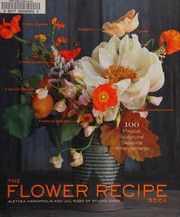
A perfect first book: it organizes arrangements by color palette and walks through step-by-step recipes, giving beginners an immediate, confidence-building framework for combining flowers without feeling overwhelmed.

Introduces the seasonal and botanical side of floristry — which flowers exist, when they bloom, and what they look like — building the plant literacy every designer needs before moving into mechanics.
Color, Form & Composition
BeginnerDevelop a trained eye for how color relationships, flower shapes (focal, filler, line), and structural balance work together to create intentional, beautiful arrangements.
▸ Study plan for this stage
Pace: 4–5 weeks, ~20–25 pages/day, with 2–3 days per week dedicated to hands-on practice
- Color theory fundamentals: complementary, analogous, and monochromatic color schemes and their emotional impact in arrangements
- Flower form categories: focal flowers (roses, peonies), filler flowers (baby's breath, waxflower), and line flowers (delphinium, snapdragons) and their structural roles
- Composition principles: balance (symmetrical vs. asymmetrical), proportion, and visual weight distribution in three-dimensional space
- Seasonal and textural harmony: how to layer different flower shapes, sizes, and textures to create depth and movement
- Design intention: translating mood and concept into deliberate color and form choices
- Container and mechanics: how vessel choice and structural support (floral foam, chicken wire) enable compositional vision
- How do complementary, analogous, and monochromatic color schemes differ, and when would you choose each for a specific arrangement?
- What are the three main flower form categories, and what role does each play in building a balanced composition?
- How do you create visual balance in an asymmetrical arrangement, and why might asymmetry feel more dynamic than symmetry?
- How do texture, scale, and negative space work together to guide the viewer's eye through an arrangement?
- What is the relationship between your design intention (the mood or concept you want to convey) and your color and form choices?
- How do container shape and size influence the overall composition and what mechanics support your structural vision?
- Create three small arrangements using the same flowers but different color schemes (complementary, analogous, monochromatic); photograph and compare how each shifts the mood
- Collect and sort 15–20 flowers or foraged stems by form category (focal, filler, line); practice identifying these roles in real flowers and in photographs from the book
- Design and build a symmetrical arrangement, then deliberately shift it to asymmetrical balance; document how the visual weight feels different
- Practice 'negative space studies': arrange the same flowers in three vessels of different shapes and sizes; observe how the container dictates composition
- Create a mood board for a specific design intention (e.g., 'romantic spring,' 'bold modern,' 'soft autumn'), then build an arrangement to match it; reflect on whether your color and form choices supported the concept
- Sketch three arrangement compositions before building them, labeling focal, filler, and line flowers; build them and compare sketch to reality, noting what surprised you
Next up: Mastering color, form, and composition in this stage gives you the visual vocabulary and structural confidence to tackle advanced techniques—such as specific design styles (European, Japanese, modern), seasonal and event-driven arrangements, and the business and creative problem-solving skills needed to work with client briefs and constraints.

Chezar's approach is explicitly organized around color and seasonal form, making it the ideal bridge from recipe-following to understanding *why* certain combinations work — a crucial conceptual leap.
A comprehensive, beautifully illustrated reference that systematically covers design principles — proportion, texture, line, and mass — giving the learner a professional design vocabulary to apply going forward.
Mechanics & Technique
IntermediateMaster the hands-on craft: conditioning stems, using floral foam, armatures, and hand-tying techniques to build arrangements that are structurally sound and long-lasting.
▸ Study plan for this stage
Pace: 4–5 weeks, ~25–30 pages/day, with 2–3 days per week dedicated to hands-on practice
- Stem conditioning and preparation techniques (hydration, cutting, stripping) to maximize flower longevity
- Floral foam selection, preparation, and mechanics for securing stems at proper angles and depths
- Hand-tying structure and balance—achieving visual and physical stability without mechanical aids
- Armature construction using wire, tape, and natural materials to support complex arrangements
- Proportion and weight distribution principles that ensure arrangements are structurally sound and won't topple
- Seasonal and botanical considerations for selecting conditioning methods and mechanics based on flower type
- Creating depth and movement through strategic stem placement and layering techniques
- What are the key steps in conditioning different flower types, and why does each matter for longevity?
- How do you properly prepare and secure floral foam, and what common mistakes compromise structural integrity?
- What is the difference between hand-tying and foam-based mechanics, and when should each be used?
- How do you construct and conceal an armature to support heavy or delicate flowers?
- What principles of balance and proportion prevent an arrangement from becoming top-heavy or unstable?
- How do stem angle, depth of insertion, and spacing affect both the visual design and structural stability of an arrangement?
- Condition 5–10 stems of different flower types (roses, dahlias, greenery, woody stems) using Cylinder's techniques; document hydration times and longevity
- Prepare and secure floral foam in 3 different vessel types; practice inserting stems at various angles and depths to test stability under weight
- Hand-tie a small bouquet or posy using only twine or ribbon, focusing on achieving balance without foam or armature support
- Build a simple wire armature for a tall or top-heavy arrangement; practice concealing it with foliage and testing its load capacity
- Recreate 2–3 arrangements from 'The Flower Chef' photographs, paying close attention to stem placement, spacing, and structural mechanics
- Conduct a longevity test: arrange identical flowers using two different conditioning and mechanics methods; track water uptake and bloom life over 7–10 days
Next up: This stage equips you with the mechanical foundation and problem-solving skills needed to move into design principles—you'll now understand how to make any structural choice serve both aesthetic and practical goals.

Focuses squarely on the practical mechanics of arrangement-making — tools, stem prep, vessel selection, and construction — translating design ideas into reliable, repeatable technique.
A thorough professional reference covering advanced mechanics including wiring, taping, and structural frameworks, preparing the learner for complex or event-scale work.
Seasonal Mastery & Personal Style
ExpertWork fluidly with seasonal availability, develop a personal aesthetic voice, and design with the confidence to create original arrangements for any occasion or environment.
▸ Study plan for this stage
Pace: 8–10 weeks, ~20–25 pages/day with 2–3 practice days per week
- Seasonal flower availability and sourcing: understanding what blooms when and how to build relationships with growers and suppliers year-round
- Color palettes and mood creation tied to seasons: how spring's pastels, summer's saturations, autumn's earth tones, and winter's jewel tones evoke different emotional responses
- Designing with constraint: using limited seasonal materials as creative fuel rather than limitation, and adapting classic techniques to available flowers
- Personal aesthetic voice: identifying your design philosophy, signature techniques, and the visual language that distinguishes your work
- Occasion-specific and environment-specific design: tailoring arrangements to weddings, events, homes, and commercial spaces with intentional styling
- Year-round design continuity: creating cohesive work across seasons while honoring seasonal shifts in color, texture, and form
- Confidence through repetition and experimentation: building muscle memory with seasonal materials and learning to improvise with what's available
- What flowers and foliage are available in each season where you live or work, and how would you source them reliably?
- How do you identify and articulate your personal design aesthetic, and what specific techniques or color combinations are signature to your style?
- How would you design an arrangement differently for a spring wedding versus a winter holiday event, and what seasonal materials would you prioritize?
- When your preferred flower is out of season, how do you adapt your design without compromising your aesthetic voice?
- How do you tailor an arrangement to a specific environment (e.g., a bright modern kitchen vs. a moody restaurant) and what role does seasonality play in that decision?
- What is your approach to building a year-round design practice that feels fresh and intentional rather than repetitive?
- Create a seasonal availability chart for your region or market: map out which flowers, foliage, and branches are available each month, noting peak seasons and alternatives
- Design and execute four seasonal arrangements (one per season) using only what's available in that season; photograph and document your color choices, mechanics, and emotional intent
- Develop a personal design manifesto: write 3–5 sentences describing your aesthetic voice, signature techniques, and the emotions or environments your work serves
- Redesign the same arrangement concept (e.g., a hand-tied bouquet) for four different occasions (wedding, funeral, dinner party, corporate event) and explain how seasonality and context shift your choices
- Visit a local flower market, farm, or supplier and spend 1–2 hours experimenting with unexpected seasonal materials; create at least two arrangements using flowers or foliage you've never worked with before
- Photograph and analyze 5–10 arrangements from the books that resonate with your aesthetic; identify recurring color palettes, proportions, and techniques, then create your own original arrangement inspired by those patterns
Next up: This stage equips you with the seasonal fluency and design confidence to move into specialized applications—whether that's advanced event design, commercial floristry, or teaching others—because you now understand how to create intentional, original work within real-world constraints.
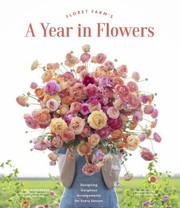
Organized season by season, this book teaches the learner to think like a working florist — choosing flowers by what is actually available and at peak beauty — cementing true seasonal fluency.

Chezar's second major work pushes the learner toward a fully personal, garden-driven aesthetic, synthesizing color, form, mechanics, and seasonality into a cohesive creative practice.
Discussion
Keep reading
Paths that share books, cover the same subject, or open a related topic.