The Best Books on Fibromyalgia and Chronic Fatigue
This curriculum starts at an intermediate level, assuming the reader already has a basic familiarity with chronic illness, and builds toward sophisticated self-management strategies grounded in neuroscience, pacing, and lifestyle medicine. Each stage deepens understanding — from validating the conditions and building a conceptual framework, to mastering practical tools, to integrating advanced mind-body and energy-management approaches that complement ongoing medical care.
Foundations & Validation
IntermediateUnderstand what fibromyalgia and chronic fatigue syndrome (ME/CFS) actually are — their biology, diagnosis, and why standard medicine often falls short — so you can become an informed, empowered patient.
▸ Study plan for this stage
Pace: 4–5 weeks, ~40–50 pages/day (approximately 280–350 pages total across both books)
- The neurobiological basis of fibromyalgia: central sensitization, pain amplification, and how the nervous system becomes dysregulated
- How fibromyalgia and ME/CFS differ from autoimmune and inflammatory diseases, and why they are often misdiagnosed or dismissed
- The diagnostic criteria and clinical presentation of fibromyalgia and ME/CFS, including the role of objective biomarkers versus subjective symptom reporting
- Why standard medical approaches (conventional pain management, rest-based protocols) often fail for these conditions and what the evidence actually supports
- The interconnected systems involved: autonomic nervous system dysfunction, sleep disturbance, neuroendocrine abnormalities, and immune dysregulation
- How to evaluate treatment claims critically and distinguish between evidence-based interventions and unproven remedies
- The patient's role in diagnosis and self-advocacy: recognizing your own patterns and communicating effectively with healthcare providers
- What is central sensitization and how does it explain the pain and symptom amplification in fibromyalgia?
- How do fibromyalgia and ME/CFS differ from autoimmune conditions like rheumatoid arthritis, and why does this distinction matter for treatment?
- What are the current diagnostic criteria for fibromyalgia and ME/CFS, and what role do biomarkers play in confirming diagnosis?
- Why do traditional approaches like bed rest and opioid pain management often fail or worsen outcomes in these conditions?
- What are the key systems (nervous, endocrine, immune, autonomic) that are dysfunctional in fibromyalgia and ME/CFS, and how do they interact?
- How can you critically evaluate a treatment claim or intervention to determine if it is evidence-based?
- Create a personal symptom timeline: document your own fibromyalgia or ME/CFS symptoms over the past 6–12 months, noting patterns in pain, fatigue, sleep, and triggers. Compare your patterns to the diagnostic criteria and central sensitization mechanisms described in the books.
- Conduct a treatment audit: list all treatments or interventions you've tried or considered. For each, research and write a one-paragraph summary of the evidence level (based on Dryland and Liptan's frameworks) and whether it aligns with the neurobiological understanding of these conditions.
- Write a diagnostic narrative: compose a 1–2 page summary of your own diagnostic journey, identifying where standard medicine fell short and which concepts from the books help explain your experience.
- Compare and contrast: create a side-by-side table comparing fibromyalgia, ME/CFS, and one autoimmune condition (e.g., lupus or rheumatoid arthritis) across key dimensions: pathophysiology, diagnostic tests, typical treatment approaches, and prognosis.
- Develop a healthcare communication script: draft 3–4 key talking points you could use with a healthcare provider to explain your condition based on the neurobiological framework presented in the books, focusing on why certain treatments are or aren't appropriate.
- Analyze a case study: select a patient case or testimonial from the books (or a real-world example) and write a brief analysis explaining their symptoms through the lens of central sensitization and system dysregulation.
Next up: By grounding yourself in the biological reality and diagnostic validity of these conditions, you'll be prepared to move into the next stage—practical management and treatment protocols—with the confidence and knowledge to evaluate which interventions actually address the underlying mechanisms rather than just masking symptoms.
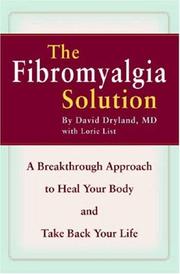
Provides a clear, medically grounded overview of fibromyalgia's mechanisms and diagnosis, giving the reader the vocabulary and conceptual map needed for everything that follows.
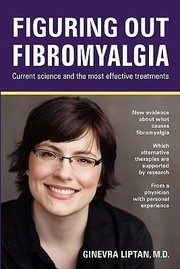
Written by a physician who has fibromyalgia herself, this book bridges clinical knowledge and lived experience, validating the condition while explaining the fascia and sleep-disruption science behind it.
Establishes a rigorous clinical understanding of ME/CFS distinct from fibromyalgia, ensuring the reader can distinguish and discuss both conditions accurately with their healthcare team.
Pain Science & the Nervous System
IntermediateGrasp the neuroscience of central sensitization and chronic pain so you can stop blaming yourself and start working with your nervous system rather than against it.
▸ Study plan for this stage
Pace: 6–8 weeks, ~20–25 pages/day (approximately 1 week per book, with time for reflection and exercises)
- Central sensitization: how the nervous system amplifies pain signals independent of tissue damage
- The biopsychosocial model of pain: pain as an output of the brain integrating sensory, emotional, and cognitive inputs
- Nociception vs. pain: the distinction between tissue damage signals and the conscious experience of pain
- Neuroplasticity and pain memory: how repeated pain experiences reshape neural pathways and lower pain thresholds
- The role of fear, catastrophizing, and attention in perpetuating chronic pain cycles
- Graded exposure and desensitization: how to gradually retrain your nervous system through safe movement and activity
- Self-compassion and nervous system regulation: moving from self-blame to self-directed healing
- What is the difference between nociception and pain, and why does this distinction matter for chronic pain sufferers?
- How does central sensitization change the way your nervous system processes pain signals, and what role does the brain play?
- What are the main factors (sensory, emotional, cognitive, social) that contribute to the pain experience according to the biopsychosocial model?
- How can fear, catastrophizing, and avoidance behaviors create a self-perpetuating pain cycle, and what evidence supports this?
- What is neuroplasticity in the context of chronic pain, and how can understanding it help you stop blaming yourself?
- What are graded exposure and pacing strategies, and how do they help retrain a sensitized nervous system?
- Create a personal 'pain neuroscience' glossary: define nociception, central sensitization, neuroplasticity, and catastrophizing in your own words with real examples from your experience
- Map your own pain cycle: identify a recent pain episode and trace the sensory, emotional, and cognitive factors that amplified or prolonged it using the biopsychosocial framework
- Practice the 'pain science reframe': take 3 catastrophic thoughts you have about your pain and rewrite them using the language of nervous system sensitization rather than tissue damage
- Develop a graded movement or activity plan: choose one activity you've been avoiding and design a 4-week progression plan using principles from the books (start small, build gradually, track tolerance)
- Nervous system check-in journal: for 2 weeks, daily note your pain level, emotional state, stress level, sleep quality, and activity—look for patterns that show how non-pain factors influence your pain experience
- Teach-back exercise: explain central sensitization and the biopsychosocial model to a trusted friend or family member; their questions will reveal gaps in your understanding
Next up: This stage equips you with the neuroscience foundation to understand that chronic pain is not a character flaw but a nervous system state—preparing you to move into practical, evidence-based strategies for pacing, activity management, and lifestyle changes in the next stage.

The definitive accessible introduction to modern pain neuroscience; reading this first reframes pain as a brain-output phenomenon, which is essential context for all subsequent self-management strategies.

Translates pain science into structured cognitive-behavioral coping skills, building directly on the neuroscience framework established by Explain Pain.
Pacing, Energy & Daily Management
IntermediateMaster practical, evidence-informed strategies for pacing activity, managing post-exertional malaise, improving sleep, and structuring daily life to reduce flares.
▸ Study plan for this stage
Pace: 4–5 weeks, ~40–50 pages/day. Week 1–2: "The Fatigue and Fibromyalgia Solution" (primary focus on pacing and energy management chapters). Week 3–5: "From Fatigued to Fantastic!" (deeper dive into daily protocols, sleep optimization, and flare prevention). Allow 2–3 days for review and integration bet
- Energy envelope theory and activity pacing: staying within your current capacity to prevent post-exertional malaise (PEM) and boom-bust cycles
- Post-exertional malaise (PEM) mechanics: why overexertion triggers delayed crashes and how to recognize your personal PEM threshold
- Sleep optimization protocols: Teitelbaum's sleep restoration techniques (including supplement protocols and sleep hygiene) as foundational to energy recovery
- The SHINE protocol framework: addressing Sleep, Hormones, Infections, Nutrition, and Exercise in an integrated way to reduce flares
- Practical pacing tools: how to track activity, set realistic daily limits, and adjust based on symptom feedback
- Flare management and recovery: recognizing early warning signs, de-escalating activity before crashes, and structured recovery protocols
- Nutrition and hydration for energy: Teitelbaum's evidence-based dietary recommendations to support cellular energy production
- Graded, gentle movement: distinguishing between harmful overexertion and therapeutic, symptom-appropriate activity
- What is the energy envelope model, and how does it differ from 'pushing through' or 'pacing by symptoms'?
- How do you identify your personal post-exertional malaise threshold, and what strategies prevent crossing it?
- Describe Teitelbaum's SHINE protocol and explain how each component (Sleep, Hormones, Infections, Nutrition, Exercise) contributes to reducing fatigue flares.
- What are the key sleep optimization techniques from the books, and why does sleep restoration come before aggressive exercise in the recovery hierarchy?
- How do you structure a daily activity plan that prevents boom-bust cycles while still making gradual progress?
- What early warning signs indicate an approaching flare, and what immediate de-escalation strategies does Teitelbaum recommend?
- Create a personal energy envelope baseline: track your current activity tolerance (hours of work, household tasks, social time) over 3–5 days without changing behavior, then identify your sustainable daily limit.
- Design a weekly activity schedule using pacing principles: allocate energy for work, self-care, rest, and one gentle activity; build in buffer time and ensure no single day exceeds your envelope.
- Implement Teitelbaum's sleep protocol for 2 weeks: follow his recommended sleep hygiene, supplement timing, and sleep-support strategies; journal sleep quality and daytime energy changes.
- Develop a personal PEM trigger log: record activities that have caused crashes in the past, estimate the exertion level and delayed symptom onset, and identify your individual threshold.
- Practice flare early-warning recognition: list your personal prodromal symptoms (e.g., increased pain, brain fog, insomnia) and create a tiered response plan (mild warning = reduce activity 20%, moderate = 50%, severe = rest day).
- Build a daily nutrition and hydration plan aligned with Teitelbaum's recommendations: plan 3 meals and 2 snacks that support energy production, track water intake, and note any energy/symptom correlations over 1 week.
Next up: This stage equips you with the daily operational skills and self-awareness to sustain energy and prevent crashes; the next stage will likely deepen your understanding of the underlying physiological mechanisms and introduce more targeted medical and therapeutic interventions to address root causes.

Introduces the SHINE protocol (Sleep, Hormones, Infections, Nutrition, Exercise) — a widely used integrative framework — giving readers a concrete action plan to discuss with their doctors.
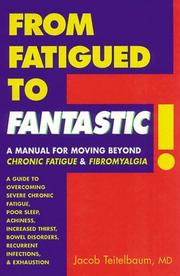
Teitelbaum's flagship work expands the SHINE approach with deeper detail on supplements, sleep restoration, and pacing, and is best read after the Solution to build on its foundation.
Mind-Body Integration & Lifestyle Medicine
ExpertIntegrate mind-body practices — including nervous system regulation, mindfulness, and lifestyle medicine — to achieve lasting improvements in quality of life beyond symptom suppression.
▸ Study plan for this stage
Pace: 8–10 weeks, ~40–50 pages/day, with 2–3 days per week dedicated to practice integration
- The nervous system's role in fibromyalgia and chronic fatigue: understanding central sensitization and how stress amplifies symptoms
- Mindfulness-based stress reduction (MBSR) as a clinical intervention: formal and informal meditation practices for nervous system regulation
- The mind-body connection in chronic illness: how thoughts, emotions, and beliefs directly influence pain perception and fatigue
- Lifestyle medicine fundamentals: sleep hygiene, pacing, movement, and nutrition as foundational tools for symptom management
- Somatic awareness and body scanning: techniques to recognize and interrupt pain-amplifying patterns
- Acceptance and non-resistance: moving beyond fighting symptoms toward living fully within current capacity
- Building sustainable self-care rituals: integrating practices into daily life for long-term resilience
- The role of compassion and self-compassion in healing: addressing perfectionism and shame that perpetuate the illness cycle
- How does central sensitization relate to the mind-body connection in fibromyalgia, and what role does the nervous system play in symptom amplification?
- What are the core principles of mindfulness-based stress reduction (MBSR), and how do formal practices like body scans and meditation directly address chronic pain and fatigue?
- How can you distinguish between pacing strategies that support energy management and avoidance patterns that reinforce deconditioning?
- What is the relationship between perfectionism, self-criticism, and fibromyalgia symptom flares, and how does self-compassion interrupt this cycle?
- How would you design a personalized daily routine that integrates sleep hygiene, movement, mindfulness, and nutrition to support nervous system regulation?
- What does it mean to practice acceptance in chronic illness, and how is this different from resignation or giving up?
- Complete a 10-minute body scan meditation daily for 2 weeks, noting which areas hold tension and how awareness alone shifts sensation
- Keep a symptom-mood-stress log for 1 week: record pain/fatigue levels alongside emotional state and stressors to identify mind-body patterns
- Design and implement one sleep hygiene protocol from the books (e.g., consistent bedtime, cool dark room, no screens 1 hour before bed) and track sleep quality for 2 weeks
- Practice the 'STOP' technique (Stop, Take a breath, Observe, Proceed) from MBSR when you notice a stress response or pain flare, and journal the outcome
- Establish a sustainable movement practice (gentle yoga, walking, or tai chi) 3–4 times per week for 4 weeks, using pacing principles to avoid boom-bust cycles
- Create a written self-compassion script addressing your most common self-critical thought about your illness, and practice it daily when shame or frustration arises
Next up: This stage grounds you in the neurobiological and psychological foundations of chronic illness recovery, preparing you to move into more specialized or advanced interventions—whether that's targeted medical treatments, deeper trauma work, or community-based resilience strategies—with a stabilized nervous system and sustainable daily practices already in place.

Liptan's comprehensive treatment guide synthesizes sleep, pain, fatigue, and mood management into a unified protocol; reading it here allows you to apply it with the full scientific and practical context built in earlier stages.

The foundational text on Mindfulness-Based Stress Reduction (MBSR), whose techniques have the strongest evidence base for reducing pain catastrophizing and improving function in fibromyalgia and chronic illness.
Discussion
Keep reading
Paths that share books, cover the same subject, or open a related topic.