Chronic pain relief: the best books to understand and manage persistent pain
This curriculum moves from understanding what chronic pain actually is — biologically and psychologically — to mastering evidence-based self-management tools, and finally to integrating that knowledge into a productive, collaborative relationship with a healthcare team. Each stage builds the vocabulary and conceptual framework needed to get the most out of the next, so reading in order matters.
Foundations: Understanding Pain Science
BeginnerGrasp why chronic pain is fundamentally different from acute pain, understand the nervous system's role in amplifying pain signals, and shed unhelpful beliefs that can make suffering worse.
▸ Study plan for this stage
Pace: 4–5 weeks, ~20–25 pages/day, with 2–3 review days per week
- Pain is a protective output of the nervous system, not a direct measure of tissue damage
- The distinction between nociception (sensory input) and pain (conscious experience) and why this matters
- How the nervous system can amplify pain signals through sensitization and central processing
- The role of beliefs, emotions, and attention in modulating pain perception
- Why chronic pain persists even after tissue healing and how this differs from acute pain
- The concept of 'pain neuromatrix' and how multiple brain systems contribute to the pain experience
- How understanding pain science can reduce fear and catastrophizing, which fuel suffering
- Why is pain not simply a measure of tissue damage, and what does this mean for chronic pain sufferers?
- Explain the difference between nociception and pain. Why is this distinction crucial for understanding chronic pain?
- How does the nervous system amplify pain signals, and what are the mechanisms Butler describes?
- What role do beliefs, emotions, and attention play in modulating the pain experience according to Butler?
- How does understanding pain science help reduce unhelpful beliefs that worsen suffering?
- What is the pain neuromatrix, and how does it explain why chronic pain can persist after tissue healing?
- Create a two-column chart: 'Acute Pain vs. Chronic Pain.' List the biological, psychological, and temporal differences Butler outlines.
- Map the pain neuromatrix: draw or write out the multiple brain systems and inputs (sensory, emotional, cognitive, memory) that contribute to pain perception.
- Identify one personal or observed example of pain that was influenced by belief or emotion (e.g., pain worsening with stress or fear). Explain it using Butler's concepts.
- Practice explaining nociception vs. pain to someone else in 2–3 minutes. Record yourself or write it out to check clarity.
- Keep a 'pain belief audit': list 3–5 unhelpful beliefs about pain you or others hold, then reframe each using Butler's science-based perspective.
- Annotate key passages in Explain Pain where Butler explains why pain persists without ongoing tissue damage. Summarize each in one sentence.
Next up: This foundation in pain neuroscience and the distinction between tissue damage and pain perception sets the stage for the next stage, where you'll learn specific, evidence-based strategies to modulate the nervous system and reduce pain through targeted interventions.

The ideal starting point — it uses clear language and illustrations to explain the neuroscience of pain, dismantling the myth that pain always equals tissue damage and building the foundational vocabulary for everything that follows.
Introduces the concept of the nervous system's role in holding tension and pain patterns in the body, bridging pain science into early practical awareness before deeper clinical texts are introduced.
The Mind-Body Connection
BeginnerUnderstand how emotions, stress, trauma, and thought patterns are neurologically linked to chronic pain, and begin to see psychological approaches as legitimate, science-backed medicine — not 'it's all in your head.'
▸ Study plan for this stage
Pace: 4–5 weeks, ~25–30 pages/day. Read "Way Out" first (weeks 1–2, ~200 pages), then "Unlearn Your Pain" (weeks 3–5, ~250 pages). Allocate 2–3 days between books for reflection and integration.
- Pain neuroscience: how the brain generates pain signals independent of tissue damage, and the role of the nervous system in chronic pain amplification
- The nocebo effect and conditioned pain responses: how learned associations, fear, and negative expectations can perpetuate pain
- Emotional and psychological roots: how unprocessed emotions, trauma, and stress become embedded in the nervous system and manifest as physical pain
- Thought patterns and pain narratives: how beliefs about pain ('my spine is damaged,' 'pain means danger') reinforce the pain cycle
- Neuroplasticity and retraining: the brain's ability to rewire pain pathways through cognitive and emotional work, not just physical treatment
- The distinction between pain and suffering: pain is a signal, but suffering is the emotional and cognitive layer we add to it
- Psychological legitimacy: understanding that mind-body approaches are neuroscience-based medicine, not placebo or denial of real pain
- Explain how chronic pain can persist without ongoing tissue damage, using the pain neuroscience concepts from 'Way Out.'
- What is the nocebo effect, and how does it relate to your own pain beliefs or narratives about your condition?
- Describe the connection between unprocessed emotions or trauma and chronic pain, as outlined in 'Unlearn Your Pain.'
- How do thought patterns and pain-related beliefs (e.g., 'my body is broken') contribute to the perpetuation of chronic pain?
- What is neuroplasticity, and why is it significant for chronic pain recovery according to these books?
- How would you explain to a skeptic that psychological approaches to pain are legitimate, science-backed medicine?
- Pain narrative audit: Write down your current beliefs and story about your pain (e.g., 'my spine is damaged,' 'I'll never recover'). Identify which beliefs are fact-based vs. fear-based, using concepts from 'Way Out.'
- Emotion-pain mapping: For one week, keep a log linking emotional events, stress levels, or mood changes to pain flares. Identify patterns that suggest emotional-physical connections.
- Thought pattern challenge: When you notice a pain-related catastrophic thought ('this pain means permanent damage'), pause and reframe it using pain neuroscience language learned from the books.
- Guided visualization or somatic awareness practice: Use techniques from 'Unlearn Your Pain' to notice where you hold tension or pain, and practice gentle, non-fearful awareness without trying to 'fix' it.
- Dialogue with pain: Write a two-way conversation between yourself and your pain, exploring what emotions or messages might be underneath (inspired by 'Unlearn Your Pain's' psychological framework).
- Teach-back exercise: Explain the mind-body pain connection to a friend or family member in your own words, testing your understanding of key concepts from both books.
Next up: This stage establishes the neurological and psychological foundations of chronic pain, preparing you to move into practical, actionable techniques—such as cognitive restructuring, somatic therapies, or mindfulness-based interventions—that directly leverage the mind-body mechanisms you now understand.

Written by a psychotherapist specializing in chronic pain, this accessible book introduces Pain Reprocessing Therapy and explains how the brain can learn — and unlearn — chronic pain, with real patient stories that make the science tangible.

Builds directly on the mind-body framework with a structured, workbook-style program grounded in clinical research, giving the reader their first set of concrete exercises to practice.
Evidence-Based Self-Management
IntermediateAcquire a practical, multi-modal toolkit — including movement, sleep, pacing, and cognitive strategies — drawn from the best clinical evidence for reducing chronic pain and improving daily function.
▸ Study plan for this stage
Pace: 8–10 weeks, ~40–50 pages/day, with 2–3 days per week dedicated to formal practice sessions
- Mindfulness-based stress reduction (MBSR) as a clinical framework for chronic pain management
- The role of present-moment awareness in breaking the pain-suffering cycle
- Body scan meditation as a tool for developing non-judgmental awareness of physical sensations
- Gentle movement practices (yoga, walking meditation) adapted for pain conditions
- Cognitive reframing: how thoughts and attitudes amplify or diminish pain perception
- The interconnection between stress, tension, and chronic pain
- Self-compassion and acceptance as active coping strategies rather than passive resignation
- Sustainable pacing and lifestyle integration of mindfulness practices
- How does Kabat-Zinn distinguish between pain and suffering, and why is this distinction clinically important for chronic pain management?
- What is the MBSR program structure, and how can you adapt its core practices (body scan, sitting meditation, mindful movement) for your own pain condition?
- How does present-moment awareness interrupt the cycle of anticipatory anxiety and pain catastrophizing?
- What role does non-judgmental observation play in changing your relationship to chronic pain?
- How can you integrate mindfulness into daily activities (eating, walking, routine tasks) to build a sustainable self-management practice?
- What is the difference between acceptance and resignation in the context of chronic pain, and how does Kabat-Zinn's approach support active coping?
- Complete a full body scan meditation (45 minutes) at least 3 times per week for 4 weeks, recording observations about sensations, emotions, and thought patterns that arise
- Practice 10–15 minutes of mindful movement (gentle yoga or walking meditation) daily, focusing on breath and present-moment awareness rather than pain reduction
- Keep a 'pain and thought log' for 2 weeks: record pain intensity, triggering thoughts, and how your mental state shifted after a brief mindfulness practice
- Conduct a mindfulness experiment: choose one routine daily activity (eating, showering, walking) and practice it with full sensory awareness for one week; note changes in stress or pain perception
- Develop a personal MBSR-inspired weekly schedule: designate specific times for formal practice (body scan, meditation) and informal practice (mindful movement, mindful eating)
- Practice a 10-minute sitting meditation focused on the breath, 5 days per week, and track how consistency affects your baseline stress and pain levels over 6 weeks
Next up: This stage establishes the foundational mindset and core practices of mindfulness-based pain management; the next stage will build on this awareness by introducing complementary modalities—such as sleep optimization, pacing strategies, and targeted cognitive-behavioral techniques—that work synergistically with the present-moment awareness you've cultivated here.

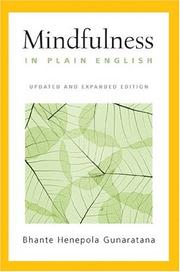
The canonical text on Mindfulness-Based Stress Reduction (MBSR), which has decades of clinical evidence for chronic pain; reading it now gives the learner a deep, program-level understanding of mindfulness as medicine.
Working With Your Healthcare Team
IntermediateBecome an informed, empowered patient — able to understand treatment options, ask the right questions, evaluate medications and interventions critically, and collaborate effectively with doctors, physical therapists, and pain specialists.
▸ Study plan for this stage
Pace: 4–5 weeks, ~25–30 pages/day. Start with "A Nation in Pain" (weeks 1–3, ~350 pages), then "Painful Yarns" (weeks 4–5, ~150 pages). Allow 2–3 days at the end for review and integration.
- The biopsychosocial model of pain: understanding pain as a complex interaction of biological, psychological, and social factors rather than purely structural damage
- How the nervous system learns and perpetuates pain signals (neuroplasticity and sensitization), and why this changes how we approach treatment
- The limitations and risks of common pain treatments (opioids, surgery, imaging) and why they often fail or cause harm
- How to evaluate medical evidence critically: distinguishing between correlation and causation, understanding placebo effects, and recognizing industry influence on pain research
- The role of patient education and expectation in pain outcomes, and how narrative and metaphor shape our pain experience
- Effective communication strategies with healthcare providers: asking the right questions, advocating for yourself, and building collaborative relationships
- The importance of multidisciplinary pain management: integrating medical, physical, psychological, and lifestyle approaches
- How to recognize and challenge unhelpful pain narratives and develop a more empowering understanding of your condition
- What is the biopsychosocial model of pain, and how does it differ from the traditional biomedical model? Why does this distinction matter for your treatment approach?
- Explain neuroplasticity and sensitization in the context of chronic pain. How do these concepts help explain why pain persists even after structural healing?
- What are the key limitations and risks of opioid therapy and surgery for chronic pain, according to Foreman? What evidence does she present?
- How can you critically evaluate pain research and medical claims? What red flags should you watch for when assessing treatment options?
- What role does patient expectation and narrative play in pain outcomes? How can reframing your pain story affect your experience?
- What questions should you ask your healthcare provider to ensure you're making informed decisions about your treatment? How do you advocate for yourself effectively?
- Create a 'pain history timeline': Document your pain journey, including when it started, what treatments you've tried, what worked/didn't work, and what you believed about your pain at each stage. Reflect on how your narrative has evolved.
- Conduct a 'treatment audit': List all medications, interventions, or procedures you've had or are considering. For each, research the evidence quality, side effects, and mechanism. Write a one-page summary of what the evidence actually shows vs. what you were told.
- Draft 5–7 critical questions to ask your healthcare provider at your next appointment, based on concepts from the books. Practice asking them in a role-play with a friend or family member.
- Analyze a pain-related medical claim (from an ad, website, or provider): Identify the evidence cited, check for conflicts of interest, and determine whether the claim is supported by rigorous research or marketing.
- Create a 'pain narrative reframe' exercise: Write your current pain story (how you explain your pain to others), then rewrite it using biopsychosocial language and concepts from Moseley. Notice how the framing changes your sense of agency.
- Build a multidisciplinary pain management plan: Identify one provider from each category (medical, physical/movement, psychological, lifestyle) that you could work with. Write down what each would contribute and how they'd communicate.
Next up: This stage equips you with critical thinking tools and collaborative skills to navigate the healthcare system; the next stage will likely focus on implementing specific evidence-based self-management strategies and building a personalized pain recovery plan.

A veteran science journalist's rigorous survey of the chronic pain landscape — treatments, research, policy, and patient experience — giving the reader the broader context needed to navigate the healthcare system with confidence.

A leading pain neuroscientist uses memorable stories to deepen understanding of pain mechanisms, equipping the reader to have more sophisticated, productive conversations with clinicians and to critically evaluate advice they receive.
Discussion
Keep reading
Paths that share books, cover the same subject, or open a related topic.