Bipolar disorder is a serious, lifelong mental health condition, and it is also very treatable with the right care. Reading about it can build understanding, reduce isolation, and improve how you or a loved one manages it, but the honesty rail must lead: these books complement, they do not replace, treatment from a psychiatrist and therapist. Bipolar disorder requires professional diagnosis and usually medication, and self-help works best as a supplement to that care.
The order that works starts with lived experience for empathy, moves into clinical understanding, and finishes with practical self-management and support for those around a person with the condition.
Lived experience
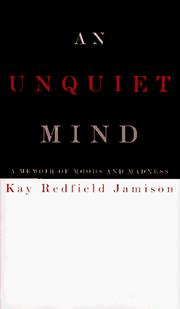
Start with a human story. An unquiet mind by Kay Redfield Jamison, a clinical psychologist who has bipolar disorder herself, is a luminous memoir that conveys both the illness and its treatment from the inside — one of the most important books on the subject. Touched with Fire, also by Kay Redfield Jamison, explores the historical link between mood disorders and creativity, adding depth and perspective. Reading these first makes the clinical material that follows land with empathy rather than abstraction.
Clinical understanding
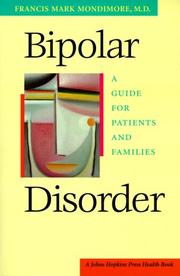
Next, get the facts. Bipolar disorder by Francis Mark Mondimore is a clear, authoritative guide to the condition, its types, and its treatments, written for patients and families. The Bipolar Disorder Survival Guide by David Miklowitz is widely regarded as the essential practical handbook, covering diagnosis, medication, and staying well — arguably the most useful single book here. Together they give you an accurate, up-to-date understanding to bring to conversations with your care team.
Self-management and support
The final arc turns understanding into daily practice. Cognitive-behavioral therapy for bipolar disorder by Monica Ramirez Basco and The bipolar workbook, also by Basco, offer structured, evidence-based tools for tracking moods and managing episodes, ideally used alongside a therapist. Depression and manic-depressive illness by Frederick Goodwin is the deep clinical reference for those who want more depth. And for loved ones, Loving someone with bipolar disorder and Take charge of bipolar disorder, both by Julie Fast, give families and partners practical, compassionate guidance.
Read in this order and bipolar disorder becomes more understandable and more manageable, for both the person living with it and those who love them. Follow the full path as a supplement to professional treatment, never as a substitute for it, and reach out to a qualified clinician for diagnosis and ongoing care.
Follow the full reading path →
Ready to learn something deeply?
Build a reading path — free