The Best Books on Autism in Adults
This curriculum is designed for adults who suspect they may be autistic, have recently received a late diagnosis, or are deepening their self-understanding as neurodivergent people. Starting from a solid conceptual foundation, the path moves through personal identity and unmasking, into the practical terrain of relationships and work, and finally into advanced frameworks for thriving and advocacy. Each stage builds the language, self-awareness, and strategies needed for the next.
Reframing the Lens
IntermediateBuild an accurate, modern understanding of what autism actually looks like in adults — especially those who were missed or misdiagnosed — and begin the process of self-recognition.
▸ Study plan for this stage
Pace: 6–8 weeks, ~40–50 pages/day (alternating between both books; start with "Unmasking Autism" for 2 weeks, then "Neurotribes" for 4–6 weeks)
- Masking and camouflaging: how autistic adults, especially women and BIPOC individuals, hide their autistic traits to fit social expectations and the psychological cost of this survival strategy
- The neurodiversity paradigm: autism as a neurological difference rather than a deficit or disorder, and how this reframes what 'normal' means
- Historical erasure and misdiagnosis: why autism was long defined by male stereotypes, leading to missed diagnoses in girls, women, and adults who developed coping mechanisms
- Sensory and social differences in adults: how autistic adults experience overwhelm, stimming, special interests, and social interaction differently—and why these are strengths, not failures
- The autism spectrum myth: understanding that autism is not a linear spectrum but a complex profile of traits that vary across contexts and over time
- Internalized ableism: recognizing how society's negative messages about autism become internalized beliefs that affect self-perception and mental health
- Late diagnosis and self-recognition: the emotional and practical journey of recognizing autism in adulthood, including grief, relief, and identity reconstruction
- What is masking/camouflaging in autism, and what are the documented psychological and physical costs of sustained masking in adults?
- How did the historical focus on autistic boys and men lead to the underdiagnosis of autism in women and other groups, according to Silberman's account?
- What does the neurodiversity paradigm propose, and how does it differ from the medical/deficit model of autism?
- Describe three ways that autistic adults' sensory or social differences might actually be adaptive strengths rather than deficits.
- What is internalized ableism, and how might it prevent someone from recognizing or accepting their own autism?
- How does Price describe the experience of unmasking, and what does it require from the individual and their environment?
- Masking audit: Spend one week tracking moments when you feel you're 'performing' or hiding aspects of yourself in different contexts (work, family, social). Write down what you're hiding, why, and the energy cost. Reflect on patterns.
- Sensory mapping: Create a detailed inventory of your sensory preferences and aversions (sounds, textures, lights, smells, tastes, movement). Note which ones you suppress in public and which ones you allow yourself. Compare to Price's and Silberman's descriptions of autistic sensory experience.
- Historical diagnosis reflection: Research the diagnostic criteria for autism in different decades (DSM-III, DSM-IV, DSM-5). Write a short reflection on how your traits might have been invisible or misnamed under older definitions.
- Special interest deep-dive: Identify one or more of your intense interests. Spend time exploring it without guilt or time limits. Journal about how this feels compared to 'normal' hobbies, and consider how Price and Silberman discuss special interests as autistic strengths.
- Internalized ableism inventory: List beliefs you hold about autism or neurodivergence that are negative (e.g., 'autistic people are selfish,' 'I'm broken'). For each, trace where it came from and write a counter-statement based on the neurodiversity paradigm.
- Unmasking experiment: Choose one low-stakes environment and try one small act of unmasking (e.g., stimming, taking a break, being honest about a preference). Document what happened, how you felt, and what you learned about the risks and benefits.
Next up: This stage equips you with the conceptual framework and self-awareness to recognize autism in yourself and others; the next stage will move from understanding *what* autism is to exploring *how* to live authentically as an autistic adult—including practical strategies for unmasking, building community, and advocating for your needs.

The ideal starting point: Price synthesizes research and lived experience to explain why so many adults — especially women, people of color, and LGBTQ+ individuals — go undiagnosed for decades. It introduces the core vocabulary of masking that the rest of the curriculum builds on.

Provides the essential historical and cultural context for why autism was so narrowly defined for so long. Reading this second helps you understand the systemic reasons behind late diagnosis before diving into personal narratives.
Late Diagnosis & Self-Discovery
IntermediateExplore what it feels like to receive a late autism diagnosis as an adult, process identity shifts, and recognize your own lifelong experiences through others' stories.
▸ Study plan for this stage
Pace: 8–10 weeks, ~25–30 pages/day, with 2–3 reflection days per week
- The diagnostic journey: recognizing autism traits in retrospect and understanding why diagnosis often comes late for adults
- Identity reconstruction: how receiving a late diagnosis reshapes self-perception and life narrative
- Neurodiversity as a lens: moving from deficit-based thinking to understanding autism as a different neurotype with distinct strengths
- Sensory and cognitive differences: recognizing how autistic brains process information, perceive the world, and solve problems differently
- Masking and camouflage: understanding the hidden labor of passing as neurotypical and its psychological toll
- Pattern recognition in your own life: connecting childhood experiences, social struggles, and coping mechanisms to autism
- Strengths-based self-discovery: identifying your unique cognitive abilities, interests, and ways of thinking that align with autistic traits
- Validation through narrative: using others' stories to contextualize your own experiences and reduce shame or self-doubt
- What are the key reasons why autism in adults—especially women and girls—often goes undiagnosed until adulthood, according to Kim and James?
- How does Temple Grandin describe the autistic brain's approach to thinking, and what does she identify as core strengths of autistic cognition?
- Describe a moment from one of the three books where the author's experience of masking or camouflage resonated with you. What did you learn about yourself?
- How have your own childhood experiences (social challenges, sensory sensitivities, intense interests, coping strategies) taken on new meaning after reading these accounts?
- What is the difference between viewing autism through a deficit model versus a neurodiversity model, and how does that shift change your relationship to your own diagnosis or self-discovery?
- Which autistic strengths or ways of thinking described in these books do you recognize in yourself, and how might you leverage them going forward?
- Timeline exercise: Create a personal timeline of your life, marking moments of social difficulty, intense interests, sensory sensitivity, or feeling 'different.' After reading each book, annotate the timeline with insights from the authors that reframe these moments through an autistic lens.
- Masking inventory: List 5–10 ways you have masked, camouflaged, or 'performed' neurotypicality in different contexts (work, family, friendships). For each, note the emotional cost and what you were hiding. Reflect on whether these patterns align with what Kim and James describe.
- Strengths mapping: After reading Grandin's section on autistic cognition, identify 3–5 cognitive strengths or ways of thinking that feel true to you (e.g., pattern recognition, visual thinking, deep focus, logical reasoning). Document specific examples from your life where these strengths showed up.
- Narrative reflection: Choose one story from Kim's or James's book that deeply resonated with you. Write 1–2 pages exploring why it mattered, what it validated about your experience, and what you learned about yourself through their lens.
- Sensory audit: Using Grandin's framework of sensory processing differences, spend one week documenting your own sensory preferences and aversions (sounds, textures, lights, smells, tastes, movement). Identify patterns and note which environments or situations feel most comfortable or overwhelming.
- Identity conversation: Write a letter to yourself before your diagnosis/self-discovery, explaining what you now understand about why certain things were hard, why you felt different, and what strengths you've always had. Use language and examples from the three books to validate your past self.
Next up: This stage anchors your understanding of autism as a lived, internal experience and identity shift; the next stage will build on this self-knowledge to explore how to navigate relationships, work, and daily life with your autism in mind.
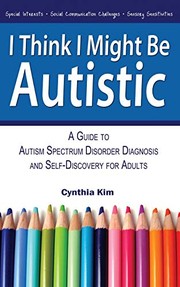
A practical and personal guide written specifically for adults pursuing a late diagnosis. Kim's clear, grounded voice makes it the right first read in this stage before moving to deeper memoir.
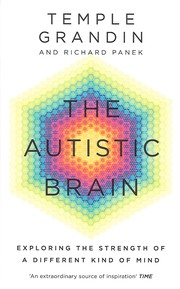
Grandin bridges neuroscience and lived experience, helping readers understand the cognitive and sensory differences that define autistic minds — essential context for interpreting your own history.

A candid memoir of receiving an autism diagnosis in midlife. James's account of re-examining her entire life through a new lens is deeply validating and closes this stage with emotional resonance.
Unmasking & Authentic Identity
IntermediateMove beyond diagnosis into the active, often difficult work of dropping the mask, understanding autistic burnout, and building a more authentic sense of self.
▸ Study plan for this stage
Pace: 4–5 weeks, ~40–50 pages/day (accounting for dense, reflective material and journaling time)
- Camouflaging as a survival mechanism and its long-term psychological costs
- The distinction between masking behaviors and authentic autistic identity
- Autistic burnout: signs, triggers, and the relationship to sustained masking
- Gender differences in camouflage presentation, especially in autistic women and AFAB individuals
- The sensory and emotional labor involved in maintaining a mask in social and professional contexts
- Recognizing internalized shame and the path toward self-acceptance
- Building sustainable life structures that reduce the need for constant masking
- What is camouflaging, and how does it differ from simple social adaptation?
- What are the documented physical and mental health consequences of long-term masking described in Bargiela's work?
- How does autistic burnout manifest, and what role does sustained camouflage play in triggering it?
- Why do autistic women and AFAB individuals often camouflage more extensively, and what are the specific impacts?
- What does 'authentic identity' mean in the context of autism, and how can someone begin to uncover it after years of masking?
- What practical strategies does Bargiela suggest for gradually reducing reliance on camouflage in daily life?
- Create a 'masking inventory': document specific situations where you camouflage, what behaviors you adopt, and the energy cost—track this for one week
- Write a reflective piece comparing your 'masked self' and 'unmasked self' across three key life domains (work, family, close relationships)
- Identify one low-stakes environment where you can experiment with dropping a specific mask behavior; practice and journal about the experience weekly
- Map your burnout triggers using Bargiela's framework; identify which are directly tied to masking and which are separate
- Interview or journal conversations with 2–3 trusted people about how they perceive your 'real self' vs. your public presentation
- Design a personal 'unmasking action plan' for the next 3 months with 2–3 concrete, achievable steps to reduce camouflage in one life domain
Next up: This stage equips you with the language and framework to recognize masking patterns and burnout; the next stage will build on this self-awareness by introducing strategies for building sustainable autistic-affirming structures, relationships, and life designs that support your authentic self long-term.

A research-grounded, accessibly illustrated exploration of how autistic women mask. It introduces the concept of camouflaging with nuance and is a gentle but rigorous entry into this stage.
Relationships, Work & Daily Life
IntermediateDevelop concrete strategies for navigating the specific challenges autistic adults face in romantic relationships, friendships, and professional environments.
▸ Study plan for this stage
Pace: 8–10 weeks, ~25–30 pages/day (approximately 4–5 hours/week of reading and reflection)
- Autistic masking and camouflaging in social and professional contexts, and the emotional cost of sustained performance
- Sensory and communication differences that affect romantic relationships, friendships, and workplace dynamics
- Recognizing autistic strengths (pattern recognition, loyalty, deep focus) as assets in relationships and careers
- Concrete communication strategies for disclosing autism and negotiating needs with partners, friends, and colleagues
- The difference between social rule-following and genuine connection; building relationships based on authentic self
- Managing executive function challenges, time blindness, and emotional regulation in daily life and work
- Identifying and setting boundaries to prevent burnout from constant social adaptation
- Creating supportive environments and seeking accommodations rather than forcing neurotypical conformity
- What is autistic masking, and what are the long-term psychological and physical consequences of sustained masking in relationships and work?
- How do sensory sensitivities and communication differences manifest in romantic relationships, and what practical strategies can address them?
- What are three autistic strengths that O'Toole and Kim identify, and how can these be leveraged in professional and social contexts?
- When and how should an autistic adult disclose their autism to a romantic partner, friend, or employer, and what are the potential outcomes?
- What is the difference between 'fitting in' and 'belonging,' and why is this distinction important for autistic adults' wellbeing?
- What concrete strategies do the authors recommend for managing executive function challenges, time blindness, or emotional overwhelm in daily life?
- Create a personal masking inventory: List the contexts where you mask most heavily (work, dating, family gatherings), the specific behaviors you suppress, and the emotional/physical cost. Reflect on which masks feel most exhausting and which might be worth reconsidering.
- Map your sensory profile: Document your sensory triggers and preferences (sound, light, texture, smell, social proximity) in different environments (home, work, social venues). Develop 2–3 concrete accommodations for your most challenging setting.
- Draft a disclosure script: Write out what you would say to a romantic partner, close friend, or manager about your autism. Include specific examples of how it affects you, what you need, and what strengths you bring. Practice delivering it aloud.
- Identify your autistic strengths: List 5–10 skills or traits you believe are connected to your autism (e.g., pattern recognition, persistence, loyalty, attention to detail). For each, write one example of how it has helped you in a relationship or work situation.
- Analyze a recent social conflict: Choose a misunderstanding or tension from a relationship (romantic, friendship, or work). Using concepts from the books, identify whether sensory needs, communication differences, or unmet expectations played a role, and brainstorm an alternative approach.
- Create a daily/weekly routine template: Design a realistic schedule that includes work, social commitments, self-care, and recovery time. Identify where you need buffer time or transitions, and build in sensory breaks.
Next up: This stage equips you with self-awareness and practical strategies for navigating existing relationships and environments; the next stage will likely deepen your understanding of identity, self-advocacy, and long-term wellbeing by exploring how to build a life intentionally designed around your authentic autistic self rather than adapting to others' expectations.

Focuses on the social and relational landscape for autistic adults, particularly women, with practical insight into communication, friendship, and self-advocacy that applies broadly.

Kim's second appearance in the curriculum is earned: this book digs specifically into the social mechanics of adult autistic life — conversations, relationships, and workplace dynamics — with actionable, non-condescending guidance.
Thriving, Advocacy & Neurodivergent Flourishing
ExpertSynthesize everything into a forward-looking philosophy of neurodivergent thriving — moving from surviving and coping to genuinely flourishing, self-advocating, and contributing on your own terms.
▸ Study plan for this stage
Pace: 4–5 weeks, ~40–50 pages/day (approximately 280–350 pages total); allows time for reflection exercises and integration work between chapters
- Neurodiversity as a strength-based framework: reframing autism, ADHD, and related conditions as natural variations in cognition rather than deficits
- The distinction between surviving (masking, coping, burnout) and thriving (authentic self-expression, sustainable practices, joy)
- Intersectionality in neurodivergence: how gender, race, sexuality, and other identities shape the autistic/ADHD experience and access to support
- Self-advocacy as a core skill: understanding your own needs, communicating boundaries, and negotiating accommodations in work, relationships, and daily life
- Sensory and cognitive needs as legitimate and non-negotiable: designing life around your actual wiring rather than forcing neurotypical patterns
- Building a neurodivergent community and finding belonging: moving from isolation to connection with others who share similar experiences
- Channeling neurodivergent traits into meaningful contribution: leveraging hyperfocus, pattern recognition, creativity, and passion for purpose-driven work
- How does Nerenberg distinguish between 'surviving' and 'thriving' for autistic and neurodivergent adults, and what are the key differences in mindset and practice?
- What role does intersectionality play in the autistic experience, and how do factors like gender, race, and sexuality complicate diagnosis, masking, and access to support?
- What are concrete strategies for self-advocacy that Nerenberg presents, and how can you apply them to a specific area of your own life (work, relationships, healthcare)?
- How can neurodivergent traits—such as hyperfocus, pattern recognition, or intense interests—be reframed as assets and channeled into meaningful work or contribution?
- What does a 'thriving' lifestyle look like for an autistic or neurodivergent adult, and what non-negotiable needs or accommodations does it require?
- How does building community with other neurodivergent people support flourishing, and what barriers might prevent autistic/ADHD adults from finding or maintaining such connections?
- Surviving vs. Thriving Audit: Identify 3–5 areas of your life (work, relationships, health, hobbies) where you are currently 'surviving' (masking, exhausted, inauthentic). For each, write one concrete change that would move you toward 'thriving' and outline what support or boundary-setting it would require.
- Self-Advocacy Role-Play & Script: Choose a real situation where you need to advocate for yourself (e.g., requesting a work accommodation, setting a boundary with family, asking for sensory needs to be respected). Write out what you want to communicate, practice saying it aloud, and identify potential pushback and your response.
- Intersectionality Reflection: Map how your own identities (gender, race, sexuality, class, disability status, etc.) have shaped your autistic/neurodivergent experience—diagnosis journey, masking patterns, access to resources, and sense of belonging. Write 1–2 pages on how these intersections have affected you.
- Strengths & Hyperfocus Inventory: List your neurodivergent traits (hyperfocus, pattern recognition, intense interests, sensory sensitivity, etc.) and brainstorm 3 ways each could be leveraged in work, creative projects, or community contribution. Identify one you could act on in the next month.
- Sensory & Cognitive Needs Design: Create a detailed profile of your non-negotiable sensory, cognitive, and social needs (e.g., quiet workspace, movement breaks, low-demand friendships). Design one 'ideal day' or 'ideal work environment' that honors these needs, then identify 1–2 realistic steps to move closer to it.
- Community Connection Plan: Identify one neurodivergent community, group, or online space you could join or deepen your involvement in (autism/ADHD support group, online forum, local meetup, professional network). Set a concrete goal (attend one meeting, reach out to one person, participate in one discussion) and commit to a timeline.
Next up: This stage synthesizes a comprehensive, strength-based philosophy of neurodivergent flourishing and equips you with self-advocacy tools and community connection strategies; if there is a next stage, it would likely focus on sustaining and deepening this thriving practice through long-term resilience, relational skills, or specialized applications (e.g., parenting, workplace leadership, creative ex

Zooms out to examine neurodivergence — including autism, ADHD, and sensory processing differences — as a spectrum of human variation. It equips readers with a broader advocacy framework and a vision of systemic change.
Discussion
Keep reading
Paths that share books, cover the same subject, or open a related topic.