Healing after a breakup or divorce: the best books to move forward, in order
This curriculum moves through four carefully sequenced stages: first stabilizing your emotional ground in the immediate aftermath, then understanding the deeper psychology of grief and attachment, then doing the inner work of self-rediscovery, and finally rebuilding a healthy, intentional life going forward. Each stage builds the emotional vocabulary and self-awareness needed for the next, so reading in order matters.
Surviving the Storm — Immediate Grief & Stabilization
BeginnerUnderstand that what you are feeling is normal, find immediate comfort, and develop a basic framework for navigating the acute pain of loss.
▸ Study plan for this stage
Pace: 4–5 weeks, ~20–25 pages/day (alternating between Behrendt's narrative and Fisher's workbook exercises)
- Grief is a normal, predictable response to loss—not a sign of weakness or failure
- The 'no contact' principle: cutting off communication is essential for healing, not cruel
- Your brain is chemically addicted to the relationship; withdrawal symptoms are real and temporary
- Stabilization requires basic self-care routines (sleep, nutrition, movement) as a foundation for emotional recovery
- Identifying your 'story' about the breakup versus the facts helps separate shame from reality
- The rebuilding process has distinct phases; you cannot skip grief to reach acceptance
- Setting boundaries and protecting your emotional space is an act of self-love, not selfishness
- Why does Behrendt argue that 'it's called a breakup because it's broken'—what is he saying about responsibility and acceptance?
- What does Fisher mean by the 'rebuilding wheel,' and why is understanding your current position on it important for your healing timeline?
- How does understanding the chemical/neurological aspects of breakup addiction change the way you view your urges to contact your ex?
- What are the key differences between healthy grieving and depression, and how do you know which one you're experiencing?
- What does 'no contact' actually mean according to Behrendt, and why is it non-negotiable in the early stages?
- How can you distinguish between the story you're telling yourself about the breakup and the objective facts?
- Complete Fisher's 'Relationship Inventory' worksheet to identify patterns and separate your narrative from reality
- Write a 'no contact commitment letter' to yourself, signed and dated, explaining why you will not reach out for the next 30 days
- Create a daily self-care checklist (sleep hours, meals, movement, one grounding activity) and track it for 2 weeks
- Identify your top 3 'urge triggers' (times/situations when you want to contact your ex) and write a specific alternative action for each
- Journal your responses to Behrendt's key questions: 'What was I hoping would change?' and 'What am I grieving—the person or the fantasy?'
- Build a 'stability anchor' list: 5–7 specific people, activities, or places that make you feel safe, and commit to engaging with at least one daily
Next up: This stage establishes that your pain is valid and temporary, and that stabilization (not happiness) is the immediate goal—preparing you to move into the next stage where you'll actively process emotions and begin reconstructing your identity beyond the relationship.

A warm, direct, and validating first read that normalizes the chaos of a fresh breakup and gives simple, actionable permission to grieve. Its accessible tone makes it the perfect entry point before heavier emotional work.
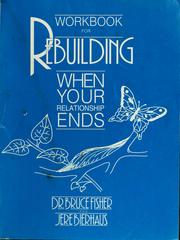
A classic, research-backed guide that maps the emotional 'rebuilding blocks' after divorce or separation. Reading it second gives you a clear roadmap for the stages ahead, reducing the fear of the unknown.
Understanding Grief & Attachment
BeginnerUnderstand the psychology of grief, loss, and why romantic attachment creates such profound pain when it ends — building emotional literacy for deeper healing.
▸ Study plan for this stage
Pace: 8–10 weeks, ~25–30 pages/day (approximately 2–3 weeks per book with time for reflection and exercises between books)
- Grief as a natural, multi-stage process with distinct emotional phases (denial, anger, bargaining, depression, acceptance) that must be moved through rather than bypassed
- Attachment styles (secure, anxious, avoidant, fearful-avoidant) and how your attachment history shapes your response to romantic loss
- The neurobiology of attachment: how the brain becomes 'addicted' to a partner, creating withdrawal symptoms similar to substance addiction
- Abandonment wound: the deep fear of rejection rooted in early relationships that gets triggered and amplified during breakup/divorce
- The distinction between grief (healthy processing of loss) and rumination (getting stuck in painful thought loops that prevent healing)
- How unresolved attachment patterns and abandonment fears perpetuate cycles of unhealthy relationships
- Self-compassion and emotional validation as essential tools for moving through grief without judgment or self-blame
- The role of narrative: how we tell the story of our relationship and breakup shapes our emotional recovery
- What are the five stages of grief, and how might they appear differently in the context of romantic loss compared to other types of loss?
- What is your attachment style, and how does it influence the way you respond to rejection, abandonment, or the end of a relationship?
- Why does the brain experience breakup pain as similar to physical pain or addiction withdrawal, and what does this tell us about how to heal?
- What is the abandonment wound, and how might unresolved abandonment fears from your past be influencing your current relationship patterns?
- How can you distinguish between healthy grief processing and unhealthy rumination, and what practices help you move from one to the other?
- What story are you currently telling yourself about your breakup or divorce, and how might reframing that narrative support your healing?
- Complete the attachment style self-assessment from 'Attached' and journal about how your attachment style has shown up in past relationships—identify specific patterns and triggers
- Map your grief journey: create a timeline of your breakup/divorce and mark where you are in the five stages of grief; write about what each stage has felt like and what you still need to process
- Write a letter to your ex (unsent) expressing all the feelings you haven't voiced—anger, sadness, longing, resentment—without censoring yourself; this externalizes rumination
- Identify your abandonment wound: trace back to early relationships (parents, caregivers) where you first learned to fear rejection; journal about how that wound is being triggered now
- Practice the 'grief container' exercise: set aside 20 minutes daily to fully feel and express your grief (cry, write, move), then consciously close the container and redirect your attention to present-moment activities
- Create a self-compassion practice: write yourself a letter from the perspective of a wise, loving friend who understands your pain; read it when shame or self-blame arises
Next up: By understanding the psychology of your grief, attachment patterns, and abandonment fears, you've built the emotional literacy needed to move into the next stage—learning concrete strategies to regulate your nervous system, break unhealthy cycles, and rebuild your sense of self and worth.
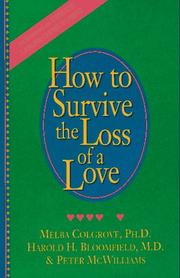
A gentle, poetic, and psychologically grounded guide to loss in all its forms. Its short, digestible format eases the reader into grief theory without being overwhelming.

Introduces attachment theory in plain language, helping you understand *why* the bond felt so powerful and why its loss is so destabilizing — essential context before doing deeper self-work.

Specifically addresses the unique wound of abandonment within romantic loss, bridging grief theory and personal healing. Best read after Attached, as the attachment framework makes its insights land more deeply.
The Inner Work — Self-Discovery & Emotional Recovery
IntermediateMove from surviving to actively healing by turning inward, processing old wounds, and beginning to rediscover who you are outside of the relationship.
▸ Study plan for this stage
Pace: 8–10 weeks, ~25–30 pages/day. Allocate roughly 3 weeks per book to allow time for reflection and journaling between sections.
- The 'no contact' rule and its role in breaking the cycle of rumination and false hope (Elliott)
- Identifying codependent patterns—how you've abandoned yourself in relationships and how to reclaim your own needs (Beattie)
- The concept of 'detachment with love'—caring about others without controlling outcomes or losing yourself (Beattie)
- Using emotional pain as a gateway to self-discovery rather than something to escape (Chödrön)
- The practice of sitting with discomfort and uncertainty without immediately seeking relief (Chödrön)
- Recognizing and releasing the stories you tell yourself about the relationship and your role in it (Elliott & Chödrön)
- Building a foundation of self-compassion and self-trust as you rebuild your identity (all three)
- Understanding that healing is non-linear and that setbacks are part of the process, not failure (Elliott & Chödrön)
- What is the purpose of the 'no contact' rule, and how does it interrupt the cycle of seeking reassurance or closure from your ex?
- How do you recognize codependent behaviors in yourself, and what does it mean to 'detach with love' from someone you care about?
- What are the stories or beliefs you've held about yourself in the relationship, and how are they limiting who you can become?
- How can you use emotional pain as information about your needs and values rather than as a sign that something is wrong with you?
- What does it mean to 'sit with' difficult emotions like grief, anger, or loneliness without trying to fix or escape them?
- What are the early signs that you're beginning to rediscover your own identity, interests, and values outside of the relationship?
- Complete Elliott's 'No Contact' commitment: write down your specific no-contact rules and place them where you'll see them daily. Track your adherence for two weeks.
- Codependency audit: List 5–10 ways you abandoned your own needs in the relationship (from Beattie's framework). For each, identify one small way you can honor that need now.
- Journaling prompt (Elliott): Write a letter to your ex that you will never send, expressing everything you wish you'd said. Then write a response from your wisest self.
- Detachment practice (Beattie): Identify one person in your life you're trying to control or manage. Practice one week of stating your boundary clearly once, then letting go of the outcome.
- Sitting practice (Chödrön): Dedicate 10 minutes daily to observing one difficult emotion without trying to change it. Notice what happens when you simply allow it to be present.
- Values clarification: List 10 things you enjoyed or valued before the relationship. Choose 3 to actively re-engage with this week.
Next up: By completing this inner work—processing codependency patterns, sitting with discomfort, and reconnecting with your authentic self—you'll have the emotional clarity and self-knowledge needed to move into the next stage, which focuses on rebuilding your life, setting healthy boundaries, and preparing to engage with the world and relationships from a place of wholeness rather than need.

A structured, workbook-style guide that bridges understanding and action, with exercises for grieving, journaling, and rebuilding self-esteem. It translates the theory from earlier stages into daily practice.
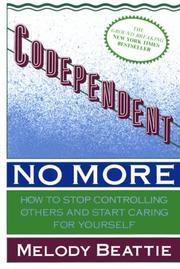
A landmark book for anyone who lost themselves in a relationship. It surfaces the patterns of over-reliance and people-pleasing that often deepen heartbreak, and offers a path to emotional self-sufficiency.

A profound Buddhist-inspired guide to sitting with pain rather than fleeing it. Read here, after the emotional groundwork is laid, it teaches the radical skill of finding groundedness within uncertainty.
Rebuilding & Thriving — Creating Your New Life
ExpertIntegrate everything learned, consciously design a fulfilling life going forward, and approach future relationships — and yourself — with greater wisdom and intention.
▸ Study plan for this stage
Pace: 8–10 weeks, ~40–50 pages/day (mix of reading and reflection work)
- Conscious uncoupling as a practice of awareness, responsibility, and compassion—transforming the narrative from failure to evolution
- The four intentions of conscious uncoupling: clarity, commitment, compassion, and collaboration
- Identifying and releasing limiting beliefs and stories about yourself, your ex-partner, and what relationships mean
- The reckoning, rumbling, and rising framework—how to process difficult emotions and emerge with newfound strength and clarity
- Vulnerability as a path to resilience and authentic connection with yourself and others
- Designing your life intentionally: values clarification, boundary-setting, and creating new rituals and practices
- Wholehearted living—integrating your shadow, owning your story, and showing up authentically in future relationships
- What are the four intentions of conscious uncoupling, and how can you apply each one to your specific situation?
- How have your limiting beliefs about relationships, failure, or yourself shaped your narrative after the breakup/divorce, and what new story are you choosing to tell?
- What does the reckoning, rumbling, and rising process look like in your own healing journey, and where are you currently in that cycle?
- How can you practice vulnerability and shame resilience in your daily life, and what does wholehearted living mean for you personally?
- What are your core values, and how will they guide the design of your new life and future relationships?
- What specific boundaries, rituals, and practices will support your thriving in this next chapter?
- Write a letter to your former self (before the relationship) and to your future self (one year from now), exploring how your understanding of love, partnership, and yourself has evolved
- Map the four intentions of conscious uncoupling onto your breakup/divorce: where have you achieved clarity, where do you need to recommit, where is compassion still difficult, and how can you collaborate (with yourself, your ex, or your support system)?
- Complete a values clarification exercise: list 10–15 values that matter to you, rank your top 5, and write how each will shape your daily decisions and long-term vision
- Practice the reckoning, rumbling, and rising cycle with a specific painful memory or limiting belief: write what happened (reckoning), explore the emotions and stories underneath (rumbling), and articulate what you've learned and how you're choosing to move forward (rising)
- Design a personal ritual or practice that symbolizes your transition into this new chapter—something you'll do weekly or monthly to anchor your commitment to wholehearted living
- Conduct a relationship readiness audit: assess your emotional availability, attachment patterns, boundaries, and what you're looking for in a future partner—then identify one area to develop further
Next up: This stage equips you with a conscious, values-driven framework for moving forward; the next stage will deepen your capacity to build and sustain healthy relationships by teaching you the specific skills and patterns to recognize and cultivate.

Reframes the end of a relationship not as a failure but as a conscious completion, offering a five-step process to close the chapter with dignity and clarity. It's most powerful once the raw grief has settled.

The ideal capstone: Brown's research on vulnerability, shame, and resilience teaches you how to own your story, reckon with what happened, and rise into a braver, more wholehearted version of yourself.
Discussion
Keep reading
Paths that share books, cover the same subject, or open a related topic.