Intimacy and connection: the best books to deepen love and closeness
This curriculum builds from the inside out — starting with how your early experiences shape the way you connect with others, then developing the communication and emotional skills to deepen those connections, and finally exploring the more nuanced, advanced science and practice of lasting intimacy. Each stage lays the conceptual groundwork for the next, so that by the end you have both the language and the tools to build genuinely secure, close relationships.
Foundations: Understanding How We Attach
BeginnerUnderstand attachment theory in plain language — why you relate to others the way you do, what your attachment style is, and how early bonds shape adult relationships.
▸ Study plan for this stage
Pace: 4–5 weeks, ~25–30 pages/day. "Attached" (300 pages, ~2 weeks), then "Hold Me Tight" (300 pages, ~2–3 weeks). Include 2–3 days between books for reflection and integration.
- The three attachment styles (secure, anxious, avoidant) and how they form in childhood based on caregiver responsiveness
- How attachment patterns show up in adult romantic relationships—what triggers anxiety, avoidance, or security in partners
- The neurobiology of attachment: why we seek proximity, what happens when we feel rejected, and how the nervous system responds to connection and disconnection
- Anxious attachment: hypervigilance to partner availability, fear of abandonment, and protest behaviors
- Avoidant attachment: emotional suppression, independence as a defense, and withdrawal when intimacy increases
- Secure attachment: the ability to seek support, tolerate vulnerability, and maintain perspective during conflict
- Emotional bonding cycles: how couples get stuck in pursue-withdraw or protest-shutdown patterns, and how to recognize them
- Accessibility, responsiveness, and engagement (A.R.E.) as the foundation for safe connection and breaking negative cycles
- What are the three attachment styles, and what early experiences typically lead to each one?
- How does your attachment style show up in your romantic relationships? What triggers your anxiety, avoidance, or sense of security?
- What is the pursue-withdraw cycle, and why do anxious and avoidant partners often get locked into it?
- According to Sue Johnson, what does emotional accessibility, responsiveness, and engagement (A.R.E.) mean, and why is it essential for secure bonding?
- How does understanding attachment theory change the way you interpret your partner's behavior during conflict or distance?
- What is the difference between a 'protest behavior' (anxious attachment) and 'stonewalling' (avoidant attachment), and why do they trigger each other?
- Attachment style self-assessment: After reading 'Attached,' identify your primary attachment style using the book's framework. Write 2–3 specific examples from your current or past relationships that illustrate this style.
- Relationship pattern mapping: Create a timeline of your romantic relationships and note recurring patterns (e.g., 'I always pursue when my partner withdraws'). Identify which attachment styles were at play.
- Pursue-withdraw cycle analysis: In a current or recent relationship conflict, map out the exact sequence of who pursued, who withdrew, and what triggered each move. Use Sue Johnson's language to describe it.
- Partner attachment style exploration: If you're in a relationship, discuss attachment styles with your partner using 'Attached' as a reference. Identify both of your styles and one recent conflict through that lens.
- Emotional accessibility practice: For one week, practice A.R.E. (accessibility, responsiveness, engagement) in a key relationship. Each day, note one moment where you were emotionally available and one where you weren't—what was the difference?
- Rewrite a conflict narrative: Take a recent argument and rewrite it using attachment theory language. Instead of 'My partner is cold,' write 'When I pursued closeness, my partner's avoidant attachment triggered withdrawal, which activated my anxiety.'
- Attachment reflection journal: Write 3–4 entries exploring how your attachment style connects to your childhood experiences with caregivers. What did you learn about love, safety, and closeness?
Next up: This stage gives you the diagnostic lens to see *why* you and your partner struggle; the next stage will teach you the specific skills and conversations to *repair* those patterns and build lasting security.

The perfect starting point: it translates academic attachment theory into clear, everyday language, helping you identify your own attachment style and understand your patterns in relationships before diving deeper.

Builds directly on attachment concepts by showing how those patterns play out in romantic partnerships, introducing Emotionally Focused Therapy in an accessible, story-driven way.
Communication: The Bridge to Closeness
BeginnerLearn evidence-based communication skills — how to express needs, listen deeply, manage conflict, and create emotional safety in conversations.
▸ Study plan for this stage
Pace: 8–10 weeks, ~25–30 pages/day. Start with "Nonviolent Communication" (4–5 weeks, ~200 pages), then move to "The Seven Principles for Making Marriage Work" (4–5 weeks, ~240 pages). Allow 1 week for integration and reflection.
- The four components of Nonviolent Communication (NVC): observation, feeling, need, and request — and how to express each without judgment or blame
- Empathetic listening and the practice of 'receiving with empathy' to understand others' underlying needs and feelings
- The difference between life-serving and life-alienating communication, and how language shapes relational safety
- Gottman's Four Horsemen of the Apocalypse (criticism, contempt, defensiveness, stonewalling) and their corrosive effects on intimacy
- The Sound Relationship House: building trust, intimacy, and shared meaning through intentional communication practices
- Conflict resolution through understanding needs rather than positions, and finding win-win solutions that honor both partners
- Emotional regulation and repair: how to de-escalate conflict, take responsibility, and restore connection after rupture
- Creating psychological safety in conversations by validating feelings, avoiding contempt, and practicing genuine curiosity about your partner's inner world
- What are the four components of Nonviolent Communication, and how do you apply them in a conversation where you feel hurt or unheard?
- How does empathetic listening differ from advice-giving or problem-solving, and why is it essential for emotional closeness?
- What are the Four Horsemen of the Apocalypse according to Gottman, and how does each one damage a relationship?
- Describe the Sound Relationship House model: what are its key layers, and how do they build toward intimacy and shared meaning?
- When conflict arises, how do you shift from debating positions to understanding underlying needs, and why does this matter?
- What is a repair attempt, and how can you use it to de-escalate conflict and rebuild safety after a disagreement?
- Practice the NVC four-step process: Choose a recent conflict or unmet need, and write out your observation (fact only), feeling (emotion), need (underlying desire), and request (specific, actionable ask). Then role-play delivering this to a partner or trusted friend.
- Empathetic listening exercise: Have a partner share something they're struggling with. Listen without interrupting or offering advice. Then reflect back what you heard: 'It sounds like you're feeling [emotion] because [need/value]. Is that right?' Practice this weekly for 4 weeks.
- Identify the Four Horsemen in your own communication: Record or write down a recent conflict conversation. Mark where criticism, contempt, defensiveness, or stonewalling appeared. Rewrite those moments using NVC language.
- Create a 'needs inventory': List 10–15 universal human needs (e.g., autonomy, connection, safety, growth). When you feel triggered in conversation, pause and ask yourself: 'What need of mine is unmet here?' Do this for a week, noting patterns.
- Repair attempt practice: After a conflict, intentionally use a repair attempt (apology, humor, affection, or curiosity). Write down what you said and how your partner responded. Aim for 2–3 repair attempts over 2 weeks.
- Sound Relationship House mapping: Draw or describe the layers of your current relationship (trust, intimacy, shared meaning). Identify one weak layer and design a small, concrete action to strengthen it (e.g., a weekly check-in ritual, a shared goal conversation).
Next up: This stage equips you with the communication tools and conflict-resolution skills to create safety and understanding; the next stage will deepen your capacity for vulnerability, emotional attunement, and the sustained practices that transform communication into lasting intimacy.

Introduces a foundational framework for expressing feelings and needs without blame or judgment — essential vocabulary for every conversation about intimacy that follows.

Grounded in decades of research, this book gives concrete, practical tools for communication and conflict resolution, and pairs naturally with Rosenberg's language framework.
Emotional Depth: Vulnerability and Self-Knowledge
IntermediateDevelop the emotional courage and self-awareness needed to be truly seen by another person — understanding vulnerability, shame, and emotional authenticity as the core of real connection.
▸ Study plan for this stage
Pace: 8–10 weeks, ~40–50 pages/day (approximately 3–4 days per book, with 1–2 weeks for integration and reflection)
- Vulnerability as strength: shame resilience and the courage to be imperfect and seen
- Wholehearted living: integrating authenticity, self-compassion, and connection across all life domains
- Emotional neglect and its hidden costs: recognizing how unmet emotional needs shape adult relationships and self-awareness
- The vulnerability paradox: how hiding our struggles isolates us, while honest exposure deepens connection
- Shame vs. guilt: understanding the difference and how shame blocks authentic connection
- Emotional awareness and attunement: developing the self-knowledge to recognize and name your own emotional needs
- The courage to show up: moving from perfectionism and people-pleasing to genuine presence in relationships
- What is the difference between shame and guilt, and how does shame specifically undermine authentic connection?
- How does Brené Brown define vulnerability, and why does she argue it is essential to wholehearted living and real intimacy?
- What is emotional neglect, and how does it manifest in adult relationships and self-awareness?
- How can recognizing your own emotional needs (as Webb describes) help you become more vulnerable and authentic in relationships?
- What are the main barriers to vulnerability in your own life, and how do shame resilience practices help overcome them?
- How do the concepts of vulnerability and emotional awareness work together to deepen connection with others?
- Shame resilience mapping: Identify a recent moment of shame or vulnerability avoidance. Using Brown's framework, map what triggered it, what story you told yourself, and how you could have responded with shame resilience instead.
- Emotional needs inventory: Work through Webb's exercises to identify your own unmet emotional needs from childhood. Write about how these show up in current relationships and what you need to feel truly seen.
- Vulnerability practice in low-stakes situations: Choose one small way to be more authentic this week (e.g., admit a mistake, share a genuine feeling, ask for help). Reflect on what you felt before, during, and after.
- Wholehearted living audit: Review the major areas of your life (work, family, friendships, romance, creativity). In which areas are you most guarded, and where are you already showing up authentically? What would change if you brought more vulnerability to the guarded areas?
- Dialogue with shame: Write a conversation between yourself and your shame—what does it want to protect you from? What is it afraid will happen if you're truly seen? Then write a response from your authentic self.
- Connection conversation: Have a deeper conversation with someone you trust, practicing emotional honesty about something you usually hide. Afterward, journal about how it felt to be seen and what you learned about connection.
Next up: This stage establishes the emotional foundation—understanding vulnerability, shame, and your own emotional needs—which prepares you to move into the next stage where you'll learn how to navigate conflict, repair ruptures, and build secure attachment patterns with others.
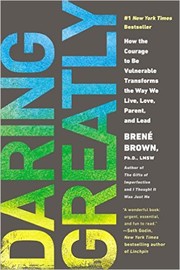
After building communication skills, this book explains why vulnerability is the prerequisite for genuine intimacy, and how shame and fear of judgment keep us from it — a crucial bridge to deeper closeness.

Addresses emotional neglect and how unmet childhood emotional needs quietly undermine adult connection, helping readers understand and name feelings they may have long struggled to access.
Advanced Practice: Secure Love and Lasting Intimacy
ExpertIntegrate everything into a mature, nuanced understanding of how to actively build and sustain secure, deeply intimate relationships over time.
▸ Study plan for this stage
Pace: 8–10 weeks, ~40–50 pages/day. "Mating in Captivity" (320 pp, ~2 weeks), then "The Body Keeps the Score" (464 pp, ~3–4 weeks), with 2–3 weeks for integration, reflection, and relational experiments.
- The paradox of desire: how domesticity and security can erode passion, and how to consciously cultivate both stability and eroticism in long-term partnerships
- Trauma's somatic imprint: how unresolved trauma lives in the body and disrupts attachment, nervous system regulation, and intimate connection
- The role of separateness and mystery in sustaining desire: maintaining individuality, curiosity, and psychological space within committed relationships
- Nervous system attunement and co-regulation: how partners can recognize and soothe each other's dysregulation to deepen safety and intimacy
- Narrative reconstruction: rewriting personal and relational stories to move from shame, fragmentation, and disconnection toward integration and secure attachment
- The body as a gateway to emotional truth: somatic awareness practices that bypass cognitive defenses and access authentic feeling and connection
- Intentional rituals and practices: concrete daily and relational behaviors that actively sustain desire, trust, and emotional intimacy over decades
- How does Perel explain the tension between security and desire in modern partnerships, and what specific strategies does she propose to hold both simultaneously?
- What is trauma's impact on the nervous system and attachment patterns, and how does van der Kolk argue it disrupts intimate connection?
- How can you recognize when your own or your partner's nervous system is dysregulated, and what are concrete co-regulation techniques you can use in real time?
- What role does separateness, mystery, and individual identity play in sustaining long-term desire, according to Perel?
- How can somatic awareness practices (body scanning, movement, breath work) help you access and communicate authentic emotional needs in your relationship?
- What narrative patterns or stories about yourself or your relationship might be limiting your capacity for intimacy, and how can you consciously rewrite them?
- Weekly 'state of desire' check-in: Each week, journal on one question from Perel (e.g., 'Where have I lost my sense of self in this relationship?' or 'What small act of mystery or autonomy could I reclaim?'). Share one insight with your partner.
- Nervous system mapping: Over 2 weeks, track your own and your partner's dysregulation patterns—what triggers it, how it shows up in the body, what calms it. Create a shared 'regulation toolkit' (music, touch, movement, breathing) to use together.
- Somatic intimacy practice: 2–3 times per week, spend 10–15 minutes on non-sexual touch (hand-holding, massage, skin-to-skin contact) while practicing slow, synchronized breathing. Notice sensations without goal or performance.
- Narrative rewrite exercise: Identify one core story you hold about love, trust, or your own lovability (e.g., 'I am unworthy' or 'Intimacy means losing myself'). Write its origin, its current cost, and a new, more resourced version. Share with your partner.
- Desire-sustaining ritual design: With your partner, co-create one weekly or bi-weekly ritual that honors both security and eroticism (e.g., a date with flirtation, a shared bath, a conversation about fantasies or vulnerabilities). Commit to it for 4 weeks and reflect.
- Body-based conflict resolution: When conflict arises, pause and ask: 'What is my body telling me right now?' Before problem-solving, each partner names their physical sensations (tension, shutdown, activation) and what they need somatically. Then address the issue.
- Separateness practice: Identify one area where you've merged with your partner (interests, identity, time). Reclaim 2–3 hours weekly for solo pursuits, friendships, or solitude. Notice how this affects your desire and sense of self.
- Trauma-informed communication: When a partner's behavior triggers you, pause and ask: 'Is this about them, or is this an old wound?' Journal or discuss with your partner how past trauma might be coloring your current perception, and what reassurance or repair you actually need.
Next up: This stage equips you with both the psychological frameworks and somatic tools to sustain mature, secure intimacy—setting the foundation for the next stage, which will likely deepen your capacity to navigate relational complexity, repair ruptures, and sustain connection through life's inevitable challenges and transitions.
Challenges and expands earlier frameworks by exploring the creative tension between security and desire, pushing the reader to think more sophisticatedly about long-term intimacy.

Brings the curriculum full circle by showing how the body and nervous system store relational wounds — essential for understanding why connection can feel so hard, and how healing happens at a deeper level.
Discussion
Keep reading
Paths that share books, cover the same subject, or open a related topic.