Complex PTSD and healing trauma: the best books to understand and recover
This curriculum moves from foundational trauma literacy — understanding what trauma is and how it lives in the body — through the specific landscape of Complex PTSD, and finally into deeper, evidence-based healing frameworks that complement ongoing therapeutic work. Each stage builds the vocabulary, self-compassion, and conceptual grounding needed to absorb the next, so the path feels supportive rather than overwhelming.
Foundations: What Trauma Is & How It Shapes Us
BeginnerUnderstand the basic science of trauma — how it affects the nervous system, brain, and body — and begin building a compassionate, non-pathologizing lens for your own experience.
▸ Study plan for this stage
Pace: 8–10 weeks, ~40–50 pages/day. "The Body Keeps the Score" (~464 pages) takes 5–6 weeks; "What Happened to You?" (~304 pages) takes 2–3 weeks. Include 1–2 weeks for reflection and integration between books.
- Trauma is stored in the body and nervous system, not just the mind—it dysregulates how you perceive and respond to threat
- The brain's threat-detection system (amygdala, insula) can become overactive, while executive function (prefrontal cortex) becomes underactive during trauma responses
- Dissociation, flashbacks, and hypervigilance are adaptive survival mechanisms, not character flaws or pathology
- The window of tolerance: understanding your capacity to process experience without becoming hyperaroused (fight/flight) or hypoaroused (freeze/shutdown)
- Developmental trauma shapes how you relate to safety, trust, and your own body—often from earliest relationships
- Top-down (cognitive) and bottom-up (somatic/nervous system) approaches are both needed to heal; talking alone is insufficient
- Neuroception: how your nervous system unconsciously scans for safety or danger, often based on past patterns rather than present reality
- Compassion and understanding your trauma response as a survival strategy is the foundation for healing
- How does trauma affect the brain's threat-detection system, and why can't 'just thinking differently' resolve trauma responses?
- What is the window of tolerance, and how does it change when you're triggered or dysregulated?
- Explain the difference between top-down and bottom-up healing approaches—why does van der Kolk argue both are necessary?
- What is neuroception, and how does it cause your nervous system to react to present situations based on past trauma?
- How do dissociation and flashbacks function as survival mechanisms, and what does this perspective change about how you view your symptoms?
- What role do early relationships and developmental trauma play in shaping your adult nervous system responses?
- Map your own window of tolerance: identify 3–5 situations where you feel regulated (in window), hyperaroused (fight/flight), and hypoaroused (freeze/shutdown). Notice physical sensations in each state.
- Track your neuroception for one week: notice moments when your body reacts as if there's danger when the environment is actually safe. What cues triggered the false alarm?
- Body scan practice (10 minutes, 3x/week): slowly scan from head to toe, noticing where you hold tension, numbness, or dissociation. This builds interoception (awareness of internal states).
- Write a compassionate letter to your trauma response: thank your fight/flight/freeze system for keeping you alive, and acknowledge what it was protecting you from.
- Identify one early relationship pattern from your childhood (from Perry's framework) and trace how it shows up in your current relationships or self-perception.
- Create a personal nervous system menu: list 3–5 bottom-up tools (breathing, movement, cold water, humming) that help you shift out of hyperarousal or hypoarousal. Test them and note which work best for your body.
Next up: This foundation in trauma neuroscience and nervous system literacy prepares you to move into Stage 2, where you'll learn specific, evidence-based healing modalities (somatic experiencing, EMDR, neurofeedback, etc.) that directly target the dysregulated nervous system patterns you now understand.

The essential starting point: van der Kolk explains in accessible, story-driven language exactly how trauma is stored in the body and brain, giving beginners the core vocabulary and science they need for everything that follows.
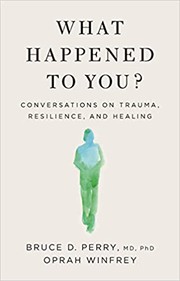
Co-authored with Oprah Winfrey, this book reframes trauma through the compassionate question 'what happened to you?' rather than 'what's wrong with you?' — a crucial mindset shift that makes the rest of the curriculum easier to absorb personally.
Understanding Complex PTSD
BeginnerRecognize the specific patterns of Complex PTSD — especially those rooted in childhood or relational trauma — and understand how it differs from single-incident PTSD.
▸ Study plan for this stage
Pace: 6–8 weeks, ~25–30 pages/day (approximately 3–4 days per week for sustainable engagement)
- The four trauma responses (fight, flight, freeze, fawn) and how they manifest differently in Complex PTSD versus single-incident PTSD
- How childhood relational trauma and developmental disruption create lasting neurobiological and psychological patterns
- The role of the nervous system dysregulation in Complex PTSD, including hypervigilance, emotional flashbacks, and somatic symptoms
- Internal Family Systems (IFS) and parts work as frameworks for understanding fragmented trauma responses
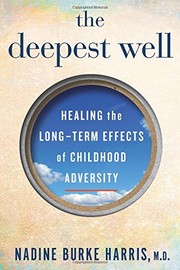
- Adverse Childhood Experiences (ACEs) and their cumulative impact on immune, endocrine, and nervous system function
- The distinction between Complex PTSD rooted in prolonged interpersonal trauma versus single-incident PTSD
- How shame, self-blame, and distorted self-perception develop and persist in Complex PTSD survivors
- The neurobiology of childhood disruption: how early relational trauma alters brain development and stress response systems
- What are the four primary trauma responses (fight, flight, freeze, fawn), and how do they appear in your own nervous system or in people you know?
- How does Complex PTSD differ from single-incident PTSD in terms of onset, triggers, and symptom patterns?
- What role does childhood relational trauma play in shaping adult attachment, emotional regulation, and self-perception?
- How does the nervous system become dysregulated through prolonged childhood disruption, and what are the physical/somatic consequences?
- What is emotional flashbacking, and how does it differ from traditional PTSD flashbacks?
- How do ACEs (Adverse Childhood Experiences) accumulate to affect immune function, stress hormones, and long-term health outcomes?
- Complete a personal trauma timeline: map out significant relational disruptions or adverse experiences from childhood to present, noting which trauma responses (fight/flight/freeze/fawn) you defaulted to in each period
- Track your own nervous system responses for one week: note moments of hypervigilance, emotional flashbacks, or somatic symptoms, and identify the trigger or relational context
- Practice identifying your parts: journal about different 'versions' of yourself that emerge in different contexts (e.g., the protector, the exile, the manager), inspired by IFS concepts from Walker
- Calculate your ACE score using the standard ACE questionnaire, then reflect in writing on how each adverse experience may have shaped your current patterns, beliefs, or health
- Create a 'nervous system map': draw or describe your body's physical responses to stress (where do you feel it? what happens to your breathing, posture, voice?), then identify which trauma response this reflects
- Interview yourself or journal: describe a recent emotional flashback or triggered moment in detail—what was the trigger, what age/memory did it connect to, and what response did your body/mind default to?
Next up: This stage establishes the foundational language and neurobiology of Complex PTSD, preparing you to move into the next stage—learning specific, evidence-based healing practices and somatic/psychological tools to regulate your nervous system and begin processing trauma.

The most widely recommended starting point for C-PTSD specifically; Walker writes from both clinical expertise and lived experience, making the emotional flashback concept and the 4F trauma responses immediately recognizable and validating.

Bridges the science of Adverse Childhood Experiences (ACEs) with personal stories, showing how early relational trauma creates lasting biological and psychological effects — deepening the 'why' behind C-PTSD patterns introduced by Walker.
The Nervous System & the Body's Role in Healing
IntermediateDevelop a working understanding of the autonomic nervous system and somatic (body-based) approaches, so you can recognize your own physiological states and begin working with them rather than against them.
▸ Study plan for this stage
Pace: 6–8 weeks, ~25–30 pages/day. "Waking the Tiger" (first 3–4 weeks, ~280 pages), then "The Polyvagal Theory in Therapy" (remaining 3–4 weeks, ~240 pages). Allocate 2–3 days per week for somatic practices and reflection journaling.
- Somatic experiencing: how trauma is stored in the body as incomplete defensive responses and how pendulation (moving attention between resourced and activated states) allows the nervous system to discharge and self-regulate
- The autonomic nervous system's three-part structure: sympathetic (mobilization), parasympathetic dorsal vagal (immobilization/shutdown), and parasympathetic ventral vagal (social engagement and safety)
- Polyvagal theory and vagal tone: how the vagus nerve's different branches govern your capacity to feel safe, connect socially, and shift out of threat states
- Titration and completion: the principle of working with small doses of activation and allowing the body to complete its natural defensive cycles rather than forcing catharsis
- Window of tolerance: recognizing your personal zone of optimal arousal and learning to notice when you're hyperaroused (fight/flight) or hypoaroused (freeze/shutdown)
- Nervous system states and their signatures: identifying your own patterns of activation, shutdown, and safety so you can intervene early
- Resourcing and grounding: building internal and external anchors of safety that allow the nervous system to downregulate and heal
- What is somatic experiencing, and how does the concept of 'completion' differ from traditional talk therapy approaches to trauma?
- Describe the three branches of the autonomic nervous system and give a personal example of how you experience each state in your own body.
- What is polyvagal theory, and how does vagal tone relate to your capacity to feel safe and connect with others?
- What is your personal window of tolerance, and what are the early warning signs that you're moving into hyperarousal or hypoarousal?
- How does titration work as a healing principle, and why is it safer than pursuing intense emotional release?
- What is the difference between the dorsal vagal shutdown response and the ventral vagal state of safety, and how do you recognize each in your body?
- Pendulation practice (from 'Waking the Tiger'): Spend 10–15 minutes daily shifting your attention between a place of activation (tension, discomfort) and a place of resource (comfort, safety). Notice the sensations without judgment. Track what happens in your body over 2–3 weeks.
- Nervous system state mapping: Create a personal chart identifying your hyperarousal, window of tolerance, and hypoarousal signatures. Include physical sensations, emotions, thoughts, and behaviors for each state. Update weekly as you recognize patterns.
- Vagal tone breathing and humming: Practice gentle vagal toning exercises (e.g., extended exhales, humming, gentle neck stretches) for 5–10 minutes daily. Use 'The Polyvagal Theory in Therapy' guidance to notice shifts in your sense of safety and social connection.
- Resourcing inventory: Identify 5–7 internal resources (memories, sensations, images) and 5–7 external resources (people, places, objects) that evoke genuine safety. Practice accessing one internal and one external resource daily for 2–3 minutes.
- Titration journaling: After each reading session, write for 5 minutes about any activation that arose and how you used pendulation or resourcing to return to your window of tolerance. Note what worked and what didn't.
- Body scan with nervous system awareness: Perform a 15–20 minute body scan 3–4 times per week, explicitly naming which nervous system state you're in and where you feel it. Notice changes over time without trying to 'fix' anything.
Next up: By developing somatic literacy and the ability to recognize and work with your nervous system states, you'll be ready to integrate trauma-processing techniques and relational healing practices that build on this foundation of embodied self-awareness.

Levine introduces Somatic Experiencing — the idea that trauma is a physiological event that can be resolved through the body — providing an accessible, nature-based framework that complements talk therapy beautifully.

Dana translates Stephen Porges's complex Polyvagal Theory into clear, practical language, giving readers a map of their own nervous system states (safe, mobilized, shutdown) that is immediately useful alongside therapeutic work.
Compassionate Healing Practices & Inner Work
IntermediateIntegrate evidence-based, self-compassion-centered practices — including parts work and mindfulness — that actively support recovery and can be used as ongoing tools between therapy sessions.
▸ Study plan for this stage
Pace: 8–10 weeks, ~25–30 pages/day (approximately 4–5 weeks per book, allowing time for integration and practice)
- Self-compassion as a foundational healing practice: the three pillars of mindfulness, common humanity, and self-kindness as antidotes to shame and isolation in trauma recovery
- The neurobiology of self-criticism and how self-compassion rewires the nervous system toward safety and regulation
- Internal Family Systems (IFS) model: understanding the Self as the core healing resource and how protective parts develop in response to trauma
- Parts work as a trauma-informed practice: recognizing exiled parts (holding trauma memories), managers (controlling/preventing pain), and firefighters (numbing/acting out), and how to dialogue with them compassionately
- The role of mindfulness in both self-compassion and parts work: observing internal experience without judgment as a prerequisite for healing
- Practical integration: using self-compassion language and parts-based awareness to interrupt shame cycles and support nervous system regulation between therapy sessions
- The relationship between Self-leadership and sustainable healing: moving from parts-dominated states toward greater internal balance and choice
- What are the three core components of self-compassion according to Kristin Neff, and how does each one specifically counter the shame and isolation common in complex PTSD?
- How does Neff explain the relationship between self-compassion and resilience, and why is self-compassion more effective than self-esteem for trauma survivors?
- In the IFS model, what is the Self, and how does it differ from parts? Why is accessing the Self considered essential for healing?
- What are the three main categories of parts in the IFS framework (exiles, managers, firefighters), and what protective roles do they play in trauma responses?
- How does Richard Schwartz define 'no bad parts,' and what does this perspective change about how you relate to your own protective mechanisms?
- How can you use self-compassion and parts awareness together as practical tools to interrupt a shame spiral or trauma response in daily life?
- Daily self-compassion practice: For one week, identify a moment of self-criticism or shame each day. Pause and practice Neff's three-step self-compassion break (mindfulness, common humanity, self-kindness), writing down what you notice about your internal state before and after.
- Mindful parts mapping: Spend 20–30 minutes in a quiet space and notice the different 'voices' or impulses within you (e.g., the critic, the protector, the scared one). Write down what each part seems to want or fear. Do not try to change anything; simply observe and name.
- Internal dialogue with a protective part: Choose one part that shows up frequently (e.g., anxiety, anger, numbness). Using IFS-informed dialogue, ask it: 'What are you protecting me from?' and 'What do you need from me?' Write the conversation, allowing the part to respond. Practice curiosity rather than judgment.
- Compassionate letter to an exiled part: Identify a painful emotion or memory that feels 'stuck' inside you. Write a letter from your Self (your wisest, most compassionate self) to the part holding that pain, acknowledging its burden and expressing gratitude for its role in your survival.
- Nervous system check-in with parts awareness: Three times per week, do a 5-minute body scan and notice which parts are active (tension, numbness, urgency, etc.). Respond with a self-compassion phrase (e.g., 'This is hard right now; I'm here for you') and observe how your nervous system shifts.
- Real-world application: When you notice a trauma response or shame spiral arising, pause and practice: (1) name the part that's activated, (2) offer it self-compassion, (3) ask what it needs. Journal about what you learned and how this differed from your usual reaction.
Next up: This stage establishes self-compassion and parts awareness as the foundational inner tools for healing, preparing you to move into deeper trauma processing work—such as addressing specific trauma memories, working with somatic/body-based responses, and integrating these practices into a comprehensive recovery framework.

Many trauma survivors struggle with fierce self-criticism; Neff's research-backed framework for self-compassion is a foundational healing skill that makes every other practice in this stage more effective.

Introduces Internal Family Systems (IFS) — one of the most effective therapeutic models for C-PTSD — in an accessible, non-clinical way, helping readers understand and befriend the protective 'parts' that developed in response to trauma.
Advanced Integration: Relationships, Identity & Long-Term Recovery
ExpertUnderstand how C-PTSD shapes attachment, identity, and relationships, and develop a long-term vision of post-traumatic growth and integrated selfhood.
▸ Study plan for this stage
Pace: 8–10 weeks, ~40–50 pages/day (with integration breaks). "Attached" (~300 pages) over 4–5 weeks; "Myth of Normal" (~400+ pages) over 4–5 weeks. Allocate 1 week for synthesis and personal mapping.
- Attachment theory fundamentals: secure, anxious, avoidant, and fearful-avoidant patterns, and how C-PTSD distorts attachment behavior
- The neurobiology of attachment: how early relational trauma becomes embedded in the nervous system and shapes adult bonding capacity
- Intergenerational trauma transmission: how unhealed trauma in parents and caregivers shapes children's attachment templates and identity formation
- The 'myth of normal': how societal narratives of health, success, and normalcy mask the pervasive role of trauma and disconnection in shaping behavior and identity
- Identity fragmentation in C-PTSD: how trauma disrupts coherent selfhood and how integration through relational repair supports post-traumatic growth
- Somatic and relational healing: the role of safe relationships, embodied awareness, and nervous system regulation in recovering from complex trauma
- Authenticity and belonging: moving from survival-based relational patterns toward genuine connection and a coherent sense of self
- How do the four attachment styles (secure, anxious, avoidant, fearful-avoidant) manifest in adults with C-PTSD, and what nervous system patterns underlie each?
- What is the relationship between early relational trauma and adult attachment difficulties, and how does understanding this connection support healing?
- How does intergenerational trauma transmission occur, and what role do unhealed parental wounds play in shaping a child's identity and relational capacity?
- What does Maté mean by the 'myth of normal,' and how does recognizing this myth help reframe C-PTSD symptoms as adaptive responses rather than pathology?
- How can safe, attuned relationships facilitate nervous system healing and identity integration in C-PTSD recovery?
- What is the difference between a fragmented, trauma-organized identity and an integrated, post-traumatic-growth identity, and what practices support this transition?
- Attachment mapping: Identify your primary attachment style(s) using Levine's framework. Trace how this pattern shows up in your closest relationships (romantic, familial, friendships). Write a brief narrative of a recent interaction that triggered your attachment response, noting the nervous system activation and relational outcome.
- Intergenerational trauma genogram: Map your family's trauma history across at least two generations (parents, grandparents). Identify patterns of disconnection, emotional unavailability, or relational rupture. Reflect on how these patterns appear in your own attachment behavior and identity.
- Nervous system tracking during attachment moments: Over 2 weeks, notice and journal one moment daily where you felt secure connection and one where you felt attachment anxiety or avoidance. Record the physical sensations, thoughts, and relational dynamics. Identify what conditions (safety, predictability, attunement) shift your nervous system state.
- Myth-busting reflection: Identify 3–5 'normal' narratives you've internalized (e.g., 'successful people don't struggle,' 'real strength means independence,' 'good families don't have conflict'). For each, write how this myth has shaped your identity and relational choices. Reframe each myth through a trauma-informed lens.
- Identity integration dialogue: Write an internal dialogue between your 'survival self' (the parts of you organized by trauma) and your 'authentic self' (the parts that emerge in safety). Let them speak to each other about needs, fears, and values. Identify one area where integration is beginning to happen.
- Relational safety audit: Identify 2–3 relationships where you feel increasing safety and attunement. For each, describe what the other person does that helps your nervous system settle, and what you're able to show of yourself in that space. Notice how your identity and sense of belonging shift in these relationships.
Next up: This stage establishes the relational and identity foundations of C-PTSD recovery, preparing you to move into the next stage—likely focused on embodied healing practices, somatic integration, and concrete tools for nervous system regulation and relational repair in real-time.

Relational trauma almost always disrupts attachment patterns; this accessible, science-based book helps readers identify their attachment style and understand how it plays out in adult relationships — essential for the relational healing stage.

A rich, integrative capstone that situates individual trauma within broader cultural and societal contexts, helping readers make meaning of their experience and envision authentic, embodied health — a powerful framework for long-term recovery.
Discussion
Keep reading
Paths that share books, cover the same subject, or open a related topic.