Coparenting after divorce: the best books to raise kids peacefully together
This curriculum guides a beginner through the emotional, practical, and child-centered dimensions of coparenting after divorce. It starts with stabilizing your own mindset and understanding your child's needs, then builds toward mastering communication and conflict, and finally equips you with advanced tools for sustaining a healthy two-home family long-term.
Foundations: Your Child's World First
BeginnerUnderstand how divorce affects children at different ages, and shift your perspective from your own pain to your child's needs — the essential first step before tackling coparenting logistics.
▸ Study plan for this stage
Pace: 4–5 weeks, ~20–25 pages/day. Start with "Dinosaurs Divorce" (1 week), then move to "The Truth About Children and Divorce" (3–4 weeks). Allow time for reflection between books.
- Children experience divorce differently based on age and developmental stage—infants, toddlers, school-age, and teens each have distinct emotional and behavioral needs
- Divorce is a process, not a single event—children's reactions evolve over time, and early responses differ from long-term adjustment
- Children often blame themselves, fear abandonment, or feel caught between parents—these are normal reactions that require active reassurance
- Your child's wellbeing depends on reducing parental conflict and maintaining stable, loving relationships with both parents
- Common myths about divorce (e.g., 'kids are resilient, so it won't hurt them') can mask real harm—evidence-based understanding prevents minimization
- Shifting from your own pain to your child's perspective is the foundation for effective coparenting decisions
- How do children's reactions to divorce differ across age groups (infants, toddlers, school-age children, adolescents), and what does your child's age group typically experience?
- What are the most common emotional and behavioral responses children have to divorce, and why do children often blame themselves?
- What does research say about the long-term effects of divorce on children, and how do parental conflict and relationship quality with each parent influence outcomes?
- What are three myths about divorce and children that 'The Truth About Children and Divorce' debunks, and why does believing them harm your coparenting approach?
- How can you recognize signs that your child is struggling with the divorce, and what reassurances do they need most from you?
- What is the difference between a child's immediate reaction to divorce and their long-term adjustment, and why does this matter for your parenting decisions?
- Read 'Dinosaurs Divorce' and create an age-specific profile: identify your child's age group and list 3–4 typical reactions/fears they may experience based on the book. Write one sentence for each: how you'll recognize it and how you'll respond.
- After finishing 'The Truth About Children and Divorce,' write a 1-page reflection: What surprised you most about the research on how divorce affects children? What myth did you believe before, and how has your thinking shifted?
- Identify one myth about divorce you've held (e.g., 'kids bounce back quickly' or 'staying together for the kids is better'). Write down the evidence from Emery's book that contradicts it, then journal about how this changes your approach to coparenting.
- Create a 'child's perspective' document: Write 3–5 sentences from your child's imagined viewpoint about the divorce. What are they worried about? What do they need to hear from you? Use insights from both books.
- Practice a reassurance conversation: Write out 2–3 things your child might fear (based on the books) and draft age-appropriate responses you could give. Practice saying them aloud.
- Track your child's behavior for one week and note any changes (mood, sleep, school performance, clinginess, withdrawal). Compare observations to the age-specific responses described in the books. What patterns match, and what might your child be trying to communicate?
Next up: This stage anchors your understanding in your child's emotional reality, which is essential before moving to the next stage—where you'll learn the practical logistics and communication strategies that actually protect that child's wellbeing.

Though written for children, reading this first gives parents an immediate, empathetic window into exactly how a child experiences divorce — a powerful perspective reset before diving into adult-focused guidance.

A research-backed, non-judgmental primer by a leading divorce psychologist that honestly explains what children need most; it builds the foundational vocabulary and child-first mindset the rest of the curriculum assumes.
Building the Coparenting Relationship
BeginnerLearn the core principles of respectful coparenting, establish healthy boundaries with your ex, and understand what a functional two-home family actually looks like in daily life.
▸ Study plan for this stage
Pace: 4–5 weeks, ~25–30 pages/day. Start with "Mom's House, Dad's House" (weeks 1–3, ~250 pages), then move to "Co-parenting Works!" (weeks 3–5, ~150 pages). Allow 2–3 days between books to consolidate learning.
- The two-home family model: understanding that children benefit from two stable, distinct households rather than trying to recreate one unified home
- Parental responsibility vs. parental control: distinguishing between decision-making authority and day-to-day parenting, and how to share both appropriately
- Boundary-setting with your ex: establishing clear communication protocols, respecting each other's parenting time, and protecting your personal space and new relationships
- The child's perspective: recognizing how transitions, loyalty conflicts, and parental conflict directly impact children's emotional security and adjustment
- Practical logistics of two-home living: schedules, routines, possessions, and consistency across homes to reduce child stress
- Managing emotions and triggers: identifying your own emotional wounds from the divorce and preventing them from sabotaging coparenting interactions
- Communication frameworks: using business-like, child-focused language to reduce conflict and keep conversations productive
- Creating functional coparenting agreements: moving from court orders to collaborative, flexible arrangements that serve the child's actual needs
- What is the core difference between a 'two-home family' model and trying to maintain a single unified family structure after divorce, and why does Ricci argue the former is healthier for children?
- How do you distinguish between parental responsibility (decision-making) and parental control (day-to-day management), and what does healthy sharing of each look like?
- What are the main boundary violations that undermine coparenting relationships, and what specific strategies does Daughtry recommend for maintaining boundaries without being rigid?
- How can you identify your own emotional triggers related to your ex, and what techniques can you use to prevent those triggers from derailing a coparenting conversation?
- What does a realistic daily/weekly routine look like for a child moving between two homes, and how can both parents create consistency without micromanaging each other?
- What communication approach does Daughtry recommend for discussing parenting decisions, and how does it differ from how you might communicate with a spouse?
- Map your child's current schedule across both homes for one full week (wake times, school, activities, bedtimes, transitions). Identify gaps, inconsistencies, or stress points, then draft one small change to improve stability.
- Write down 3–5 situations with your ex that trigger strong emotions (anger, shame, defensiveness). For each, identify the underlying fear or wound, then rewrite one recent conversation using Daughtry's business-like communication framework.
- Create a 'Boundary Charter' for your coparenting relationship: list 5–7 non-negotiable boundaries (e.g., no discussing adult relationships in front of the child, no unscheduled pickups, no criticism of the other parent). Share it with your ex or use it as a personal reference.
- Role-play or write out a difficult coparenting conversation (e.g., a schedule change, a discipline disagreement) using Ricci's and Daughtry's recommended language. Practice staying child-focused and emotion-neutral.
- Interview your child (age-appropriately) about what helps them feel secure during transitions between homes. Document their answers and identify 2–3 changes you can make based on their feedback.
- Draft a simple one-page 'Two-Home Family Guide' for your child that explains both homes, routines, and what to expect. This clarifies the two-home model for them and forces you to think through consistency.
Next up: This stage establishes the foundational mindset and practical tools for respectful coparenting; the next stage will likely deepen conflict resolution skills, address high-conflict dynamics, and tackle more complex scenarios (parental alienation, remarriage, special needs) that arise once the basic relationship structure is in place.
The classic, most widely recommended coparenting guide — it introduces the 'two-home' framework and practical tools for creating stability; read it early to establish the mental model everything else builds on.

A warm, non-judgmental guide that addresses the emotional side of coparenting alongside the practical, making it a natural companion to Ricci's more structural approach.
Communication & Conflict Reduction
IntermediateDevelop concrete communication skills for talking with a difficult ex, de-escalating conflict, and protecting children from parental tension — the hardest and most critical coparenting skill set.
▸ Study plan for this stage
Pace: 8–10 weeks, ~25–30 pages/day. Read "Difficult Conversations" over 4–5 weeks, then "Joint Custody with a Jerk" over 4–5 weeks. Allocate 1 week for review and skill integration between books.
- The three conversations framework: separating the relationship conversation from the identity and problem conversations to avoid defensiveness and blame
- Listening as a core skill: asking genuine questions, pausing to understand your ex's perspective, and validating their experience without agreeing with them
- Managing your own emotions and triggers before entering difficult conversations with your ex to prevent escalation
- Identifying and breaking patterns of conflict escalation, including recognizing when you're in a cycle and how to step out of it
- Protecting children by keeping adult conflict private, maintaining consistency across households, and modeling respectful disagreement
- Setting boundaries and using neutral, business-like communication (parallel parenting language) when direct cooperation isn't possible
- De-escalation techniques: staying calm, avoiding blame language, focusing on solutions rather than past grievances
- What are the three conversations, and how does understanding them help you avoid triggering defensiveness in your ex?
- How can you listen actively to your ex without agreeing with them, and why is this critical for reducing conflict?
- What are your personal emotional triggers in conversations with your ex, and what strategies can you use to manage them before and during difficult talks?
- What are the key patterns of conflict escalation in your coparenting relationship, and how can you interrupt them?
- How do you shield your children from parental conflict while still addressing necessary logistics and parenting decisions with your ex?
- When direct cooperation with your ex isn't possible, how do you use parallel parenting and boundary-setting to minimize conflict?
- Map your last three difficult conversations with your ex using the three conversations framework: identify which conversation(s) you were actually having, and which one(s) you missed or conflated.
- Record yourself (audio or written) practicing a difficult topic with your ex using active listening: ask open questions, pause, and reflect back what you hear before responding.
- Identify your top 3 emotional triggers in coparenting conversations and write a personal de-escalation plan for each (e.g., taking a 10-minute break, using a specific calming phrase, consulting a trusted friend).
- Draft a sample email or text to your ex about a contentious topic using neutral, business-like language; have a trusted friend or therapist review it for blame language or emotional triggers.
- Role-play a difficult conversation with a friend or therapist playing your ex; practice staying calm, listening, and proposing solutions without defending your position.
- Create a 'what not to say' list based on past conflicts with your ex, then rewrite each statement in de-escalated language that focuses on the child's needs or logistics.
Next up: This stage equips you with the communication tools and emotional regulation skills to navigate coparenting conversations; the next stage will focus on building sustainable systems and agreements (custody structures, schedules, financial arrangements) that reduce the need for constant difficult conversations.
The gold-standard guide to navigating hard talks; reading it here gives you transferable communication tools — active listening, separating intent from impact — that directly apply to coparenting disputes.

Specifically written for coparenting with a high-conflict or uncooperative ex, this book translates general communication principles into scripts and strategies for the most challenging real-world scenarios.
Healing Yourself to Parent Better
IntermediateProcess your own grief, anger, and identity shift after divorce so that your emotional state stops interfering with your coparenting — because regulated parents raise regulated children.
▸ Study plan for this stage
Pace: 8–10 weeks, ~25–30 pages/day with 2–3 days/week for workbook exercises and reflection journaling
- The Rebuilding Blocks framework: understanding the 19 emotional and practical tasks required to heal after divorce (Fisher)
- Your grief, anger, and loss are normal and necessary—not obstacles to parenting, but material to process (Fisher)
- Imago Relationship Therapy: recognizing how your childhood wounds and unconscious partner selection patterns shaped your marriage (Hendrix)
- The concept of the 'Imago' and how unhealed wounds replay in parenting dynamics and coparenting conflict (Hendrix)
- Emotional regulation as a skill you develop through self-awareness, not willpower—your regulated nervous system is the foundation for regulated children
- Differentiation: separating your ex-partner from your role as coparent, and your divorce grief from your parenting identity
- How unprocessed anger and blame keep you psychologically fused to your ex, undermining coparenting effectiveness
- What are the 19 Rebuilding Blocks, and which 3–4 are you currently working through? How does your progress in these blocks affect your emotional availability to your children?
- Describe a recent coparenting conflict. What unhealed grief or anger from your divorce was triggered? How did that emotional state shape your response?
- What is your 'Imago,' and how did it influence your choice of partner? What childhood wounds does your ex-partner represent?
- How are you currently projecting your divorce trauma onto your children or coparenting interactions? What would change if you took full responsibility for your own healing?
- What does emotional regulation look like for you specifically? Name 2–3 concrete practices that help you return to calm when coparenting stress arises.
- How is your identity shifting post-divorce, separate from being 'married' or 'partnered'? How is this identity work connected to showing up as a regulated parent?
- Complete Fisher's Rebuilding Blocks workbook sequentially (at least one block per week). After each block, journal: 'How did this block show up in my marriage? How is it showing up in my coparenting now?'
- Identify your Imago using Hendrix's framework: write a detailed description of your ex-partner's positive and negative traits, then trace each trait back to a parent or caregiver. Notice patterns.
- Practice the 'Imago Dialogue' (Hendrix) with a trusted friend or therapist: have them mirror back your feelings about a coparenting conflict without advice or judgment. Record how this shifts your perspective.
- Create a 'Grief Inventory': list 10 losses from your divorce (identity, lifestyle, daily parenting time, financial security, etc.). Spend 10 minutes with each loss—feel it, don't fix it. Notice how this processing reduces reactive anger in coparenting.
- Develop a personal 'Regulation Toolkit': identify 5–7 practices (breathing, movement, music, time alone, etc.) that reliably calm your nervous system. Use one daily, and deploy one before each coparenting interaction for 4 weeks.
- Write a letter to your ex-partner that you will never send: express all anger, blame, and hurt without filter. Then write a second letter from the perspective of a regulated, healed version of yourself. Compare the two.
Next up: By processing your own grief, anger, and identity shift through these frameworks, you'll develop the emotional regulation and self-awareness needed to move into the next stage—establishing healthy coparenting structures and communication patterns that protect your children from adult conflict.
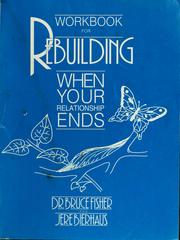
The most widely used guide for personal recovery after divorce; working through your own emotional stages here ensures your healing doesn't lag behind your coparenting efforts.

Helps you understand the relationship patterns that contributed to the divorce, reducing blame and building self-awareness — essential groundwork before the advanced stage on long-term family systems.
Sustaining a Healthy Two-Home Family Long-Term
ExpertApply everything learned to navigate evolving challenges — new partners, teenagers, holidays, and long-distance parenting — and build a resilient coparenting partnership that grows with your family.
▸ Study plan for this stage
Pace: 8–10 weeks, ~25–30 pages/day, with 1–2 reflection days per week
- Building resilience in children across two homes by maintaining consistency, open communication, and emotional safety despite life transitions
- Managing the introduction of new partners into coparenting dynamics while protecting children's relationships with both biological parents
- Navigating adolescent development in a split-family context—including identity formation, loyalty conflicts, and increased autonomy needs
- Creating sustainable holiday and special-occasion protocols that honor both households and reduce conflict during high-stress periods
- Adapting coparenting strategies for long-distance or geographically separated families through technology, flexible scheduling, and intentional connection
- Recognizing and addressing common coparenting pitfalls (triangulation, parental alienation, inconsistent boundaries) as children mature
- Developing a shared long-term vision for coparenting that evolves with your children's changing developmental needs and family circumstances
- How can you help your children build resilience and maintain emotional security as they navigate transitions between two homes, and what specific strategies does Pedro-Carroll recommend?
- What are the key principles for introducing a new partner into your coparenting arrangement, and how do you protect your children's relationships with both biological parents during this transition?
- How do adolescent developmental needs (autonomy, identity, peer relationships) differ from younger children's needs in a coparenting context, and what adjustments should you make to your parenting approach?
- What are effective strategies for managing holidays, birthdays, and special occasions in a two-home family, and how can you reduce conflict while honoring both households?
- How can long-distance coparenting work effectively, and what tools, communication methods, and scheduling flexibility are essential for maintaining strong parent-child bonds?
- What are the warning signs of triangulation, parental alienation, or boundary erosion in coparenting relationships, and how do you address them before they damage your children or partnership?
- Map out a realistic holiday and special-occasion calendar for the next 2 years with your coparent, identifying potential conflict points and agreeing on specific protocols (e.g., birthday celebrations, school events, religious observances)
- Write a 'new partner introduction plan' that outlines how and when you would introduce a new significant other to your children, including boundaries, roles, and communication with your coparent—then discuss it with your coparent
- Conduct a 'resilience audit' of your current two-home setup: identify which routines, rituals, and communication practices help your children feel secure, and which areas need strengthening
- Role-play or script three difficult coparenting conversations (e.g., introducing a new partner, addressing boundary violations, negotiating a teen's request to change custody) using Bonnell's communication frameworks
- Create an 'adolescent transition plan' for each teen in your family that addresses their changing needs (autonomy, peer time, identity exploration) and how both homes will support these developmental milestones
- Design a long-distance coparenting toolkit if applicable: select specific communication tools (video calls, shared calendars, messaging apps), establish frequency and timing, and test them for 2 weeks
- Identify one current coparenting pattern that isn't working (e.g., inconsistent discipline, unresolved conflict about a new partner, holiday stress) and develop a specific, actionable change plan using concepts from both books
Next up: This stage equips you with the advanced skills and frameworks to sustain a healthy coparenting partnership through life's major transitions; the next stage (if applicable) would deepen your ability to handle crisis situations, repair relationship ruptures, or navigate legal/custody changes while maintaining your children's wellbeing.

A research-rich, comprehensive capstone that synthesizes child development, communication, and family systems into a long-view roadmap — best appreciated after the earlier stages have built your foundation.

A practical, stage-by-stage reference for the years ahead — covering new relationships, shifting custody needs, and teenage dynamics — making it the ideal final book to keep on your shelf as your family evolves.
Discussion
Keep reading
Paths that share books, cover the same subject, or open a related topic.