Hunting: The Best Books on Wild Game and Field-to-Table
This curriculum takes a complete beginner from the ethics and mindset of fair-chase hunting through practical woodsmanship and tracking, into the hands-on skills of field dressing and butchering, and finally to the art of cooking wild game from field to table. Each stage builds the knowledge and vocabulary needed for the next, so that by the end the learner has a fully integrated, deeply grounded understanding of the entire hunt-to-table journey.
Foundations: Ethics, Mindset & the Hunting Life
BeginnerUnderstand the philosophy, ethics, and cultural context of fair-chase hunting before picking up a weapon or entering the field — building the right mental framework from day one.
▸ Study plan for this stage
Pace: 4–5 weeks, ~20–25 pages/day. "Meditations on Hunting" (weeks 1–2, ~150 pages), followed by "A Hunter's Heart" (weeks 3–5, ~250–300 pages). Allow 2–3 days between books for reflection and note-review.
- Hunting as a philosophical act: Ortega's view of hunting as a return to primal human nature and escape from modern artificiality
- The ethics of fair-chase: understanding restraint, respect for the animal, and the hunter's responsibility to maintain the hunt's integrity
- The hunter's mindset: cultivating patience, humility, and acceptance of failure as essential to the hunting life
- Hunting as a form of communion with nature: the spiritual and meditative dimensions of time spent in wild places
- The cultural and historical context of hunting: how hunting connects us to ancestral traditions and human identity
- The difference between hunting and mere killing: why the method, the challenge, and the ethics matter more than the outcome
- Personal transformation through hunting: how the hunting life shapes character, self-knowledge, and values
- According to Ortega, why is hunting fundamentally different from other human activities, and what does he mean by hunting as a 'return to nature'?
- What is 'fair-chase' hunting, and why do both Ortega and Petersen emphasize ethical restraint over simply obtaining game?
- How does Petersen's personal narrative in 'A Hunter's Heart' illustrate the transformation that hunting can bring to a person's character and worldview?
- What role does patience and acceptance of failure play in the hunting mindset, and how do both authors address the hunter's relationship with disappointment?
- How do Ortega and Petersen connect hunting to a deeper understanding of human nature and our place in the natural world?
- What responsibilities does a hunter have to the animal being hunted, and how should these responsibilities shape hunting decisions?
- Reflective journal: After finishing 'Meditations on Hunting,' write a 2–3 page response to Ortega's central thesis—do you agree that hunting is fundamentally different from other pursuits? Why or why not?
- Comparative analysis: Create a two-column chart comparing Ortega's philosophical framework with Petersen's personal examples. How does Petersen's lived experience illustrate or challenge Ortega's ideas?
- Ethics case study: Identify 3–4 hunting scenarios from 'A Hunter's Heart' and analyze each through the lens of fair-chase ethics. What makes each decision ethical or unethical?
- Personal values inventory: Write a 1–2 page reflection on what the 'hunting mindset' means to you personally. What values from these books resonate most strongly, and which challenge you?
- Nature immersion practice: Spend 2–3 hours in a natural setting (forest, field, or park) without a specific goal—just observe and sit quietly. Afterward, journal about how this experience connects to the meditative aspects of hunting described in both books.
- Discussion or teaching exercise: Explain the difference between 'hunting' and 'killing' to someone unfamiliar with hunting culture, using specific examples and ideas from both texts.
Next up: This stage establishes the ethical and philosophical foundation that will guide all practical decisions in the next stage—you now understand *why* hunters hunt and *how* they should hunt, preparing you to learn the *how-to* of field skills, gear selection, and game-specific techniques with the right values already in place.

The foundational philosophical text on why humans hunt and what ethical fair-chase means — reading this first ensures every skill learned later is grounded in purpose and respect.
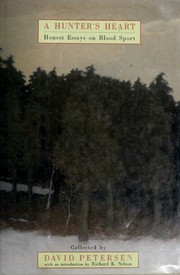
A collection of essays by leading hunters and conservationists that broadens the beginner's view of hunting culture, ethics, and the relationship between predator and prey.
Woodsmanship: Tracking, Scouting & Animal Behavior
BeginnerDevelop the ability to read the landscape, find and follow game, interpret sign, and understand animal behavior well enough to close the distance ethically.
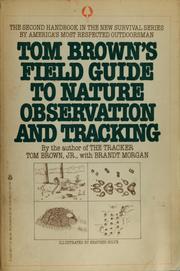
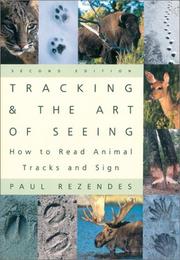
The most accessible and thorough introduction to tracking for beginners — builds the foundational vocabulary of tracks, gait patterns, and sign that all later hunting skill depends on.
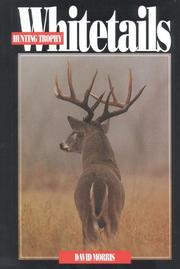
Goes deep into scouting, reading terrain, and understanding deer behavior and movement; the principles transfer broadly to most North American big-game hunting.
In the Field: Shot Placement, Field Dressing & Butchering
IntermediateExecute a clean, ethical kill and confidently handle the animal from the moment it's down — field dressing, skinning, quartering, and home butchering with zero waste.
▸ Study plan for this stage
Pace: 6–8 weeks, ~25–30 pages/day, with 1–2 days per week dedicated to video review and hands-on practice setup
- Shot placement anatomy: vital organs, angles, and how to identify a clean kill zone for different game species
- Immediate post-kill assessment: confirming death, handling the animal safely, and minimizing stress to meat quality
- Field dressing fundamentals: opening the body cavity, removing organs, and keeping meat clean and cool in the field
- Skinning and quartering techniques: efficient breakdown of the carcass into manageable sections while preserving meat
- Home butchering: breaking primals into retail cuts, understanding muscle groups, and trimming for quality
- Waste reduction and nose-to-tail philosophy: utilizing organs, bones, and trimmings for stock, sausage, and other products
- Sanitation and food safety: preventing contamination, proper cooling, and storage from field to table
- Species-specific variations: how techniques differ for upland birds, waterfowl, deer, elk, and other game
- What are the vital organs for your target species, and how do you identify the correct shot placement angle from different hunting positions?
- How do you assess whether an animal is dead, and what immediate steps should you take to preserve meat quality before field dressing begins?
- Walk through the complete field dressing process: what organs do you remove first, how do you keep the cavity clean, and what temperature management matters in the field?
- Describe the quartering process for a large game animal—how do you separate the major sections, and what cuts come from each primal?
- What is the difference between a primals and retail cuts, and how do you break down a primal into steaks, roasts, and stew meat?
- How do you minimize waste from a harvested animal, and what secondary products (organs, bones, trimmings) can you use for cooking?
- Study anatomical diagrams and video demonstrations from Rinella's guide; mark vital zones on printed game-animal diagrams for your target species
- Watch field dressing videos (Rinella and Fromm) multiple times, pausing to identify each organ and step; take detailed notes on the sequence
- Practice the knife skills and cuts on a whole chicken or rabbit in your kitchen—focus on clean, efficient cuts and proper knife control before working with larger game
- Set up a mock field dressing station in your garage or yard with a practice carcass (butcher's whole chicken or rabbit) to rehearse the full process under realistic conditions
- Break down a whole chicken or small game into primals and retail cuts, labeling each section and identifying muscle groups; compare your cuts to Fromm's diagrams
- Create a waste-reduction plan: identify all usable organs, bones, and trimmings from a practice animal and research recipes or uses for each (stock, sausage, pâté, etc.)
Next up: This stage transforms you from a hunter into a complete game processor, equipping you with the technical skills and confidence to handle the animal ethically and efficiently—setting the foundation for the next stage, where you'll apply these cuts and trimmings to develop signature recipes and cooking techniques that honor the harvest.

The single most comprehensive modern field-to-table reference — covers shot placement, field care, and butchering for virtually every North American species; the perfect anchor for this stage.

A practical, step-by-step visual guide to field dressing and butchering deer that reinforces and deepens the hands-on skills introduced by Rinella, with clear photography for beginners.
From Field to Table: Cooking Wild Game
IntermediateTransform harvested wild meat into exceptional meals — understanding how wild game differs from domestic meat, and mastering techniques that honor the animal through great cooking.

Builds directly on Rinella's butchering guide with recipes organized by species, teaching the cook how wild fat, muscle, and diet affect flavor and technique.

The definitive wild-deer cookbook by America's leading wild-game chef — goes deeper into flavor science, charcuterie, and global techniques that elevate wild venison to its full potential.

Rounds out the table by adding wild plants, mushrooms, and fish alongside game, giving the hunter a complete forager-to-table philosophy and a pantry of wild ingredients to pair with meat.
Discussion
Keep reading
Paths that share books, cover the same subject, or open a related topic.