Chainsaw and Tree Felling: Best Books in Order
This curriculum takes a complete beginner from zero chainsaw knowledge through professional-level tree felling and arborist technique. Each stage builds directly on the last — starting with safe handling and basic cuts, moving into felling strategy and woodland management, and finishing with advanced rigging and arborist-level work.
Foundations: Safety, Gear & First Cuts
BeginnerUnderstand chainsaw anatomy, personal protective equipment, basic maintenance, and the fundamental safety rules before making any cut.
▸ Study plan for this stage
Pace: 2–3 weeks, ~20–25 pages/day, with 2–3 days between chapters for hands-on practice and gear inspection
- Chainsaw anatomy: engine, bar, chain, fuel system, and how each component functions
- Personal protective equipment (PPE): helmet, eye protection, ear protection, chaps, boots, and gloves—why each is non-negotiable
- Pre-operation inspection and basic maintenance: checking fuel mix, chain tension, spark plug, and air filter
- Fundamental safety rules: grip, stance, cutting zones, and never operating a chainsaw alone or when fatigued
- Proper fueling and starting procedures to avoid kickback and engine damage
- Identifying hazards in a work environment: widow-makers, binding wood, and unstable terrain
- The role of operator discipline and mental readiness as the primary safety mechanism
- What are the main components of a chainsaw and what does each one do?
- Why is each piece of PPE (helmet, chaps, boots, etc.) essential, and what specific injuries does it protect against?
- What checks should you perform on your chainsaw before every use, and why is chain tension critical?
- What are the three fundamental grip and stance rules Philbrick emphasizes, and how do they prevent injury?
- What is a widow-maker and how do you identify and avoid one?
- What is the correct fuel mixture ratio, and what happens if you use the wrong mix?
- Obtain or borrow a chainsaw and identify all major components (engine, bar, chain, fuel cap, spark plug, air filter) without looking at the manual; then verify against the book
- Assemble a complete PPE kit and wear it for 30 minutes to understand weight distribution, visibility, and mobility limitations
- Practice the pre-operation inspection checklist from the book on an actual chainsaw: check fuel level, inspect chain tension with the proper tool, examine the spark plug, and clean or replace the air filter
- Measure and mix fuel to the correct ratio (typically 50:1 for modern saws) using a measuring cup and fuel container; repeat three times until you can do it confidently without reference
- Stand in front of a mirror and practice the proper grip, stance, and body positioning Philbrick describes; have someone photograph you from multiple angles to compare against the book's diagrams
- Walk through a wooded area or yard and identify three potential hazards (widow-makers, unstable branches, binding wood) and explain in writing why each is dangerous and how you'd avoid it
Next up: Mastering these foundations—anatomy, gear, maintenance, and safety discipline—equips you to move into the next stage with the confidence and knowledge to execute your first actual cuts under controlled conditions.
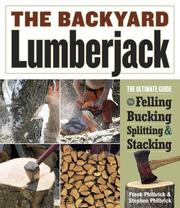
A highly accessible, illustrated introduction to chainsaws and hand tools for the home user; it builds practical intuition about felling direction, notches, and back-cuts in plain language before more technical texts are introduced.
Woodland Management & Intermediate Felling
IntermediatePlan and execute felling in a woodland context, manage timber, understand tree biology as it affects cutting decisions, and begin selective harvesting.
▸ Study plan for this stage
Pace: 4–5 weeks, ~25–30 pages/day, with 2–3 days per week dedicated to field observation and practice
- Woodland ecology and tree species identification as a foundation for selective felling decisions
- Coppicing, pollarding, and other traditional management techniques that preserve woodland health
- Reading tree structure and form to assess felling safety, timber quality, and ecological impact
- Timber grading, seasoning, and end-use planning to maximize value from harvested wood
- Integrating chainsaw technique with woodland management goals—felling for regeneration, not just extraction
- Seasonal timing and weather considerations specific to woodland operations
- Creating management plans that balance timber production with biodiversity and soil health
- How do you assess whether a tree in a woodland setting is suitable for felling based on its species, age, form, and ecological role?
- What are the key differences between coppicing and pollarding, and when would you use each in a managed woodland?
- How does understanding tree biology and growth patterns inform your decisions about which trees to fell and which to leave?
- What factors determine the end-use and market value of timber you fell, and how should this influence your felling plan?
- How do seasonal conditions and weather affect both the safety and quality of woodland felling operations?
- What is a woodland management plan, and what elements should it include to balance timber harvest with ecological health?
- Walk a local woodland or managed forest and identify at least 10 tree species by bark, leaf, and form; note which would be candidates for selective felling and why
- Create a simple management plan for a small woodland area (real or hypothetical), specifying which trees to fell, which to coppice, and your reasoning based on species, age, and position
- Practice assessing tree form and structure in the field: identify crown shape, branch architecture, and signs of disease or poor form that would affect felling decisions
- Fell and process 2–3 trees under supervision, applying woodland management principles—choosing trees that improve stand health, not just timber volume
- Document the seasoning process for timber you've felled: measure moisture content over 4–6 weeks, record conditions, and observe how drying affects wood quality
- Interview a woodland manager or forester about their management philosophy and how they balance timber production with conservation goals; compare their approach to Law's principles
Next up: This stage equips you with the ecological and planning foundation to move into advanced felling scenarios—steep terrain, large-scale operations, and problem trees—where you'll apply these principles under more demanding conditions.

Bridges pure chainsaw technique and real woodland stewardship, showing how tree species, growth patterns, and stand structure should inform every felling decision — essential context before tackling complex trees.
Advanced Felling & Arborist Technique
ExpertHandle hazard trees, use wedges and pulling systems for controlled felling, understand rigging principles, and work to a professional arborist standard.
▸ Study plan for this stage
Pace: 8–10 weeks, ~40–50 pages/day, with 2–3 days per week dedicated to hands-on practice and field observation
- Hazard tree assessment and risk evaluation protocols for identifying structural defects, decay, and failure modes
- Wedge mechanics and placement techniques for controlling felling direction and managing barber-chair and kickback risks
- Rigging principles including load calculations, anchor point selection, and mechanical advantage systems for controlled lowering
- Climbing safety systems and advanced rope work for accessing hazard trees and executing aerial felling operations
- Professional arborist standards, ethics, and industry best practices for liability management and client communication
- Chainsaw technique refinement for precision cuts in complex felling scenarios and limb removal from standing trees
- Tree biology and structural mechanics as they relate to failure prediction and safe dismantling strategies
- How do you systematically assess a hazard tree for structural defects, and what are the key indicators of failure risk you should document before felling?
- Explain the mechanics of wedge placement and how wedges prevent barber-chair and kickback during felling—what are the critical angles and positioning rules?
- What is the relationship between load calculations, anchor point strength, and mechanical advantage in designing a safe rigging system for lowering large limbs or sections?
- Describe the professional arborist standards for client communication, site safety, and liability documentation when working with hazard trees.
- How do climbing systems and rope work enable you to safely access and fell or dismantle a hazard tree from above, and what are the redundancy requirements?
- What are the differences in chainsaw technique and cut sequencing when felling a hazard tree versus a healthy tree, and why does precision matter more in complex scenarios?
- Conduct a full hazard tree assessment on 3–5 real trees (with a mentor or experienced arborist): document structural defects, decay indicators, lean, and failure modes using industry assessment forms.
- Practice wedge placement and felling mechanics on 5–10 felled logs or standing trees under supervision: focus on correct angles, depth, and timing to prevent barber-chair and control direction.
- Design and execute 3–4 rigging systems for lowering sections from standing trees or climbing scenarios: calculate loads, select anchor points, and verify mechanical advantage before deployment.
- Climb and work from a standing tree using the systems and techniques from 'The Tree Climber's Companion': practice rope work, positioning, and limb removal cuts from aloft.
- Shadow or work alongside a certified arborist on 2–3 hazard tree jobs: observe assessment, planning, client communication, and execution of complex felling or dismantling.
- Create a written safety and liability plan for a hypothetical hazard tree job, including risk assessment, equipment requirements, crew roles, and contingency procedures.
Next up: This stage equips you with the advanced technical and professional competencies to manage high-risk scenarios independently; the next stage will likely focus on specialization (e.g., storm cleanup, large-scale commercial operations, or certification pathways) and business/entrepreneurial aspects of arborist work.

The standard reference for professional tree climbers and arborists; introduces rope systems, rigging, and aerial work that underpin advanced controlled felling and removal of hazard trees.
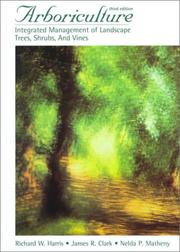
The definitive academic-level arborist text — covers tree biomechanics, decay detection, and risk assessment at a depth that allows the reader to make fully informed, professional felling decisions on any tree.
Discussion
Keep reading
Paths that share books, cover the same subject, or open a related topic.