Finish carpentry is defined by two facts that no amount of theory prepares you for. Nothing in a building is square, plumb or straight — walls bow, corners run at eighty-eight degrees, floors slope — and every one of your mistakes is left in plain view at eye level. Framing is forgiving because drywall hides it. Trim is the opposite: the whole job is the appearance of precision imposed on a structure that has none.
That is why the reading order for this subject runs fundamentals, then craft, then logistics, rather than starting with the glamorous work. Beginners buy a crown moulding book, discover that the compound angles in the tables assume a ninety-degree corner they do not have, and conclude that crown is beyond them. It is not. What was missing was scribing and coping, which is the actual answer to a building that is out of square, and which sits earlier in the sequence.
The trade fundamentals
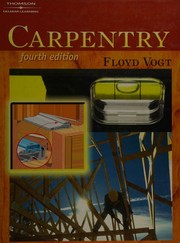
Carpentry by Floyd Vogt is the trade-school textbook and the broadest thing on this path — materials, framing, layout, stairs, and the finish work that sits on top of it. It is not a finish carpentry book, and that is deliberate: trim goes onto a structure, and understanding how that structure was built tells you why a door casing is out and whether to fix the opening or fix the trim. Read it if you are new to construction generally, or skim it for the layout and stair chapters if you are not. It is also the book to reach for if you are considering the trade as work rather than as a hobby.
The craft itself
Trim Carpentry Techniques is the heart of this path. Craig Savage wrote the classic short treatment of the skills that define the trade: coping an inside corner instead of mitring it, scribing a piece to a wall that is not flat, dealing with springing and back-cutting, installing casing and base and crown so that the joints stay closed after the heating season opens them. It is the book that answers the question everyone actually has, which is not what angle to cut but what to do when the angle is wrong.
Coping deserves the emphasis it gets. A mitred inside corner opens as the wood moves and as the wall settles; a coped joint absorbs both. It is a saw skill, it takes an evening of scrap and a coping saw to learn passably, and it is the single technique that most separates work that looks professional from work that does not.
Working alone
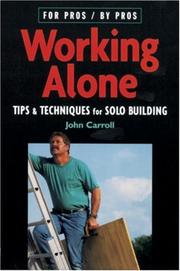
Working Alone is the odd one out and the most practically useful of the three for a homeowner or a one-person contractor. John Carroll's subject is exactly the problem the other books ignore: how to hold a sixteen-foot length of base against a wall, set a door, or hang a header when there is nobody on the other end. Jigs, props, temporary supports, sequencing the work so gravity does the holding. Most trim guidance quietly assumes a second person, and this book is the correction.
What books cannot do here
Three titles is the honest extent of this path, and the missing piece is not a fourth book. It is offcuts. Coping, scribing and compound cutting are muscle skills learned on scrap in front of a mitre saw, and an afternoon of deliberately bad corners teaches more than a chapter. If you are pursuing this as a career rather than for your own house, an apprenticeship or a trade programme remains how the credential is earned — books support that, they do not substitute for it. See carpentry as a career for that side of the subject.
Follow the full ordered path here: Trim and Finish Carpentry: The Best Books to Read First.
Ready to learn something deeply?
Build a reading path — free