Best Books on Wood Stoves and Chimneys
This curriculum takes a beginner from zero knowledge of wood heat all the way to confident, safe, and efficient operation of wood stoves and chimneys. Each stage builds on the last: first establishing core concepts and safety culture, then diving into installation and chimney physics, and finally reaching expert-level mastery of combustion efficiency and clean burning.
Foundations: Wood Heat Basics
BeginnerUnderstand how wood stoves and fireplaces work, learn essential safety principles, and build the vocabulary needed for every topic that follows — including basic draft, firewood types, and stove selection.
▸ Study plan for this stage
Pace: 4–5 weeks, ~25–30 pages/day. Start with "Wood Heat" (approximately 200–250 pages) over 2 weeks, then move to "The Woodburners Encyclopedia" (approximately 300–350 pages) over 2–3 weeks, allowing time for review and hands-on practice between books.
- How draft (natural convection and air flow) creates combustion and heat output in wood stoves and fireplaces
- The moisture content and seasoning requirements of firewood, and how to identify properly seasoned versus green wood
- The anatomy and function of key stove components: firebox, chimney, damper, grates, and ash removal systems
- Safety principles including clearance distances, chimney maintenance, creosote buildup, and preventing chimney fires
- The differences between wood stove types (cast iron, steel, catalytic, non-catalytic) and how to select the right stove for a space
- The relationship between stove efficiency, BTU output, and proper installation
- Essential vocabulary: draft, creosote, seasoning, BTU, draft diverter, and thermal mass
- Explain how draft works in a wood stove or fireplace and why it is essential for proper combustion
- What is the ideal moisture content for firewood, and how long does wood typically need to season?
- Describe the main components of a wood stove and explain the function of at least three of them
- What is creosote, why does it form, and what are the safety risks it poses?
- How do you determine whether a wood stove is appropriately sized for a given room or home?
- What are the key safety clearances and installation requirements for a wood stove or fireplace?
- Split and stack a cord of firewood, then measure moisture content with a moisture meter at different points to understand seasoning variation
- Visit a local chimney sweep or heating professional and observe a chimney inspection; ask about creosote deposits and maintenance frequency
- Sketch the internal anatomy of a wood stove or fireplace, labeling the firebox, grate, damper, and chimney connection, then compare your sketch to diagrams in both books
- Measure the clearance distances around an existing wood stove or fireplace using a tape measure, then verify these measurements against safety codes referenced in the books
- Calculate the BTU requirements for a room or small home using the formulas or guidelines provided in the books, then research stove models that match those requirements
- Create a firewood identification guide by collecting samples of 4–6 common wood species in your region, noting their density, burn characteristics, and seasoning time based on the books' guidance
Next up: This foundation in how wood stoves operate, how to select and install them safely, and how to prepare fuel positions you to move into the next stage—whether that covers advanced installation techniques, troubleshooting performance issues, or optimizing efficiency—with a solid grasp of the underlying principles.
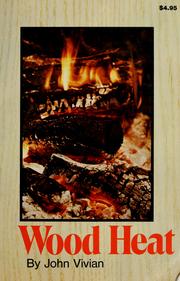
A classic, accessible introduction to every aspect of heating with wood — stove types, chimney basics, and firewood — giving beginners a complete mental map before diving deeper into any single topic.

Shelton was a physicist who studied wood combustion rigorously; this book translates that science into plain language, establishing the foundational concepts of heat output, efficiency, and draft that all later books assume you know.
Firewood: Selection, Seasoning, and Storage
BeginnerBe able to identify, split, season, and properly store firewood so that every fire burns hot, clean, and efficiently — the single biggest variable in wood-heat performance.
▸ Study plan for this stage
Pace: 4–5 weeks, ~20–25 pages/day, with 2–3 days per week dedicated to hands-on practice and observation
- Wood species characteristics: hardwoods vs. softwoods, burn quality, BTU output, and suitability for different heating needs
- Moisture content and seasoning: why green wood fails, the 12–24 month drying timeline, and how to measure readiness with a moisture meter
- Proper splitting technique: grain direction, tool selection, and safety to maximize efficiency and minimize waste
- Storage and stacking methods: protection from weather, air circulation, and organization to maintain wood quality through seasons
- The relationship between wood quality and stove/chimney performance: how poor firewood creates creosote buildup and reduces heat output
- Identifying and sourcing firewood: recognizing dead standing trees, salvage opportunities, and sustainable harvesting practices
- What is the difference between hardwoods and softwoods in terms of burn characteristics, and which wood species should you prioritize for your heating needs?
- Why is seasoning firewood essential, and how do you determine when wood is dry enough to burn efficiently?
- What are the correct splitting techniques, and how does proper splitting affect both safety and wood-stove performance?
- How should firewood be stacked and stored to prevent moisture reabsorption and maintain quality throughout the year?
- What problems occur when burning unseasoned or poor-quality firewood, and how does this affect your chimney and stove?
- Where can you source firewood sustainably, and what signs indicate a tree or log is suitable for harvesting?
- Visit a local woodlot or forest and identify at least 5 different tree species; research their BTU values and burning characteristics, then compare hardwoods vs. softwoods in your region
- Obtain a moisture meter and test wood samples from your own supply or a local source—record readings from freshly cut, partially seasoned, and fully seasoned wood to see the drying progression
- Practice splitting technique on 20–30 pieces of wood, focusing on grain direction and tool control; photograph or video your progress to identify improvements in efficiency and safety
- Design and build a firewood storage structure (or improve an existing one) that protects from rain while allowing air circulation—document the design with measurements and photos
- Create a firewood inventory log: track the species, cut date, seasoning start date, and moisture content of your current supply to build a personal reference library
- Burn a test fire using wood from different seasoning stages (green, partially seasoned, fully seasoned) and observe differences in flame quality, smoke, heat output, and ease of ignition
Next up: Mastering firewood selection and preparation establishes the foundation for understanding how to operate your stove and chimney safely and efficiently—the next stage will show you how to apply this knowledge to maximize heat output and minimize creosote and safety hazards.
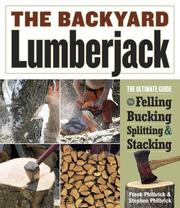
Covers felling, bucking, and processing your own firewood safely — the logical next step once you know what species and moisture levels to target.
Advanced: Clean Burning, Efficiency & Mastery
ExpertOptimize combustion for maximum heat output and minimum emissions, understand EPA certification standards, and operate a wood-heat system at an expert level year-round.
▸ Study plan for this stage
Pace: 4–5 weeks, ~25–30 pages/day, with 2–3 days per week dedicated to hands-on safety audits and equipment inspections
- Combustion chemistry and the conditions required for complete, efficient burning in wood stoves and chimneys
- Creosote formation, buildup mechanisms, and the relationship between burn temperature, moisture content, and chimney draft
- EPA certification standards and how they measure emissions, efficiency, and safety performance
- Chimney design principles: draft, sizing, clearances, and how structural factors affect burn quality and safety
- Carbon monoxide production, detection, and prevention strategies in wood-heat systems
- Seasonal operation and year-round maintenance protocols to sustain safe, efficient performance
- Troubleshooting common problems: poor draft, incomplete combustion, excessive creosote, and equipment failures
- What are the three essential conditions for complete combustion in a wood stove, and how does each affect emissions and heat output?
- How does wood moisture content directly influence creosote formation and chimney safety, and what is the practical target moisture range?
- What do EPA certification standards measure, and how do certified stoves differ in performance from non-certified models?
- How do chimney draft, diameter, height, and insulation interact to support efficient combustion and prevent dangerous backdrafting?
- What are the primary sources of carbon monoxide in a wood-heat system, and what operational and structural safeguards prevent dangerous accumulation?
- What is a comprehensive year-round maintenance schedule, and which tasks are critical before heating season begins?
- Conduct a detailed safety audit of your own wood stove or a neighbor's: measure clearances to combustibles, inspect the chimney exterior for damage, and document draft conditions using a draft gauge or smoke test
- Split and season a cord of wood, measuring moisture content weekly with a moisture meter to understand the relationship between drying time and combustion quality
- Perform a creosote inspection by removing and examining chimney sections or using a chimney camera; document buildup patterns and correlate them to burn conditions from your log
- Compare two wood stoves (certified vs. non-certified, or different EPA generations) by researching their published specifications and emission/efficiency ratings; explain the engineering differences
- Install and test a carbon monoxide detector in your heating space; run the stove under various conditions (low burn, high burn, door slightly ajar) and record CO readings to understand operational risk
- Create a detailed maintenance calendar for a full heating season, including pre-season inspection checklist, monthly tasks, and post-season procedures; execute at least two major tasks
Next up: This stage equips you with the scientific and regulatory foundation to operate wood-heat systems safely and efficiently; the next stage will likely focus on advanced optimization techniques—such as system integration with other heating sources, thermal mass design, or retrofitting older systems—and how to troubleshoot and adapt your setup to specific climate and building conditions.

Shelton's second major work goes deeper into the science of safe clearances, fire testing, and emissions — the authoritative technical capstone for anyone who wants to truly master safe and clean wood burning.
Discussion
Keep reading
Paths that share books, cover the same subject, or open a related topic.