Cast-iron cooking for beginners: essential books to season and skillet cook
This curriculum takes a beginner from zero cast-iron knowledge to confident, creative mastery across seasoning, searing, baking, and long-term care. Each stage builds on the last — starting with the "why" and "how" of the pan itself, moving through technique-driven cooking, then unlocking advanced and specialized applications that reward a well-seasoned skillet and a practiced hand.
Foundations: Know Your Pan
BeginnerUnderstand what cast iron is, why it behaves differently from other cookware, how to season and care for it, and how to cook a handful of essential, confidence-building dishes.
▸ Study plan for this stage
Pace: 4–5 weeks, ~25–30 pages/day, with 2–3 cooking sessions per week
- Cast iron's unique thermal properties: heat retention, even distribution, and how these differ from stainless steel and non-stick cookware
- The science of seasoning: how oil polymerizes on cast iron to create a non-stick surface, and why this process is cumulative
- Proper care and maintenance: why cast iron requires different cleaning methods than other pans, and how to prevent rust and maintain seasoning
- Pre-heating and heat management: cast iron's slow heat-up time and how to use it strategically for better cooking results
- Building foundational cooking skills: mastering searing, sautéing, and one-pot dishes that showcase cast iron's strengths
- Troubleshooting common issues: identifying and fixing sticky seasoning, rust spots, and uneven heat distribution
- Why does cast iron heat more evenly and retain heat longer than stainless steel, and how does this affect your cooking technique?
- Explain the seasoning process: what happens chemically when you apply oil to cast iron and heat it, and why multiple thin layers work better than one thick layer
- What is the correct way to clean and dry cast iron after cooking, and why is soap sometimes acceptable while it wasn't historically?
- How do you preheat a cast iron skillet properly, and why is patience with this step important for achieving good results?
- What are three essential dishes from the books that demonstrate cast iron's advantages, and what makes each one suitable for cast iron?
- How would you diagnose and fix a cast iron pan that has become sticky or has developed rust spots?
- Season a cast iron pan from scratch using the oven method (from Kramis or Cook's Country), applying 3–4 thin layers of oil, and document the visual changes after each layer
- Cook a simple seared protein (steak, chicken breast, or fish) using proper preheating and heat management techniques from the books, noting how the crust develops
- Prepare one complete one-pot meal from each book (e.g., a skillet dinner from Kramis and a stovetop-to-oven dish from Cook's Country), paying attention to how cast iron's heat retention affects cooking time
- Practice the proper cleaning and drying routine after each cooking session for 2 weeks, then assess the pan's seasoning and appearance
- Cook a breakfast dish (pancakes, cornbread, or hash) that relies on cast iron's even heat distribution, comparing results to a non-cast-iron attempt if possible
- Troubleshoot a problem: intentionally create a sticky spot or minor rust patch (or use an existing problem pan), then follow the books' remedies to restore it
Next up: This stage establishes the fundamental knowledge and muscle memory needed to confidently use cast iron for everyday cooking; the next stage will build on this foundation by introducing more advanced techniques, regional cuisines, and specialized cast iron cookware (Dutch ovens, griddles, etc.).
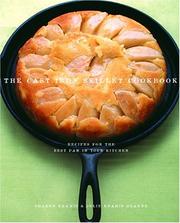
A gentle, well-organized entry point that covers seasoning basics, cleaning, and a broad range of simple recipes — perfect for building foundational vocabulary and first-skillet intuition before anything else.

Cook's Country's rigorous test-kitchen approach explains the science behind heat retention and seasoning in plain language, giving beginners a reliable, failure-proof framework for their first sears, braises, and bakes.
Building Technique: Heat, Sear, and Bake
BeginnerDevelop core cast-iron techniques — high-heat searing, stovetop-to-oven transitions, skillet baking, and fat management — through recipes that deliberately teach method over mere instruction.
▸ Study plan for this stage
Pace: 4–5 weeks, ~20–25 pages/day, with 2–3 recipe sessions per week
- Temperature control and preheating: why cast iron requires longer preheat times and how to recognize when a skillet is properly heated
- The sear: building fond and crust through high-heat contact, fat selection, and timing
- Stovetop-to-oven transitions: managing heat zones, using oven-safe handles, and transferring skillets safely
- Skillet baking: using residual heat and even heat distribution for breads, cornbreads, and baked goods
- Fat management: choosing appropriate fats for different temperatures, seasoning vs. cooking fats, and preventing smoke and burning
- Pan conditioning during cooking: how recipes build and maintain seasoning through repeated use and proper fat application
- How long should you preheat a cast-iron skillet, and what visual or tactile cues indicate it's ready for searing?
- What is fond, why does it form, and how do you use it to build flavor in a dish?
- Describe the steps for safely transferring a skillet from stovetop to oven, and explain why cast iron is ideal for this transition
- Why does skillet baking (cornbread, biscuits, etc.) produce superior results in cast iron compared to other pans?
- Which fats are best for high-heat searing, and which should you avoid? Why does fat choice matter for both flavor and seasoning?
- How do you know when a sear is complete, and what happens if you move the food too early?
- Preheat a dry cast-iron skillet on medium-high heat for 5–10 minutes, then test readiness by flicking water droplets onto it and observing the bead formation; repeat until you can reliably identify the 'ready' state
- Sear a protein (chicken breast, steak, or fish) in the skillet, resisting the urge to move it for 3–4 minutes; document the crust formation and compare results with different fats (butter vs. oil vs. lard)
- Cook a stovetop-to-oven recipe from the Lodge cookbook (e.g., a skillet-seared chicken with pan sauce finished in the oven); practice the transfer safely and note how the oven's ambient heat finishes cooking
- Bake a skillet cornbread or biscuit recipe from the book; compare the crust and rise to a version made in a standard baking pan, and analyze why cast iron's heat retention matters
- Prepare a recipe that builds fond (e.g., seared meat followed by deglazing); practice scraping the pan with a wooden spoon and incorporating the fond into a sauce
- Cook 3–4 recipes from the Lodge cookbook over 2 weeks, deliberately varying heat levels and fat types; keep notes on how the skillet's seasoning evolves and how it affects subsequent cooks
Next up: Mastery of these core techniques—searing, heat transitions, and fat management—provides the foundation for the next stage, where you'll apply them to more complex dishes, regional cuisines, and advanced seasoning strategies that build on your intuitive understanding of cast-iron behavior.

Published by America's oldest cast-iron manufacturer, this book bridges beginner comfort with real technique, introducing the stovetop-to-oven workflow and cornbread, skillet roasts, and pan sauces in a logical sequence.
Smaller-batch recipes force precision with heat and timing — a critical skill upgrade that teaches the learner to read the pan rather than just follow a recipe.
Going Deeper: Flavor, Versatility, and Outdoor Fire
IntermediateExpand the cast-iron repertoire into bolder flavor-building techniques — deep frying, Dutch oven braising, open-fire cooking, and long-cooked dishes — while deepening understanding of seasoning layers over time.
▸ Study plan for this stage
Pace: 6–8 weeks, ~40–50 pages/day (alternating between books; ~2 weeks per book with overlap for practice)
- Dutch oven as a thermal mass tool for even heat distribution and moisture retention in braising, stewing, and bread baking
- Maillard reaction and its role in building deep, complex flavors through high-heat searing and long, low-temperature cooking
- Seasoning layering: how cast iron develops patina over time through repeated cooking, and how different fats and foods contribute to non-stick properties
- Outdoor fire cooking techniques: managing variable heat sources, using cast iron over coals and open flames, and adapting recipes for campfire conditions
- Deep frying in cast iron: oil temperature control, thermal recovery, and the chemistry of crispy exteriors and tender interiors
- Braising and Dutch oven slow-cooking: the science of collagen breakdown, gelatin formation, and how low-and-slow methods transform tough cuts into tender dishes
- Seasoning maintenance and restoration: understanding the difference between polymerized oil layers and rust, and how to repair or rebuild seasoning
- How does a Dutch oven's design (thick walls, tight-fitting lid) create an ideal environment for braising, and what happens to moisture and heat circulation inside during long cooking?
- Explain the Maillard reaction and why searing meat at high temperatures before braising creates more complex flavor than cooking at low temperature from the start.
- What is the difference between a cast-iron seasoning layer and rust, and how do you restore a pan that has lost its seasoning?
- How do you manage heat when cooking over an open fire or coals with cast iron, and what adjustments must you make compared to stovetop cooking?
- Why is oil temperature critical in deep frying, and how does cast iron's thermal mass help maintain consistent frying temperatures?
- Describe the process of collagen-to-gelatin conversion in braising and why this transformation requires both time and moisture.
- How does repeated cooking with different fats and foods build and strengthen a cast-iron pan's seasoning over months and years?
- Braise a tough cut of meat (chuck roast, short ribs, or pork shoulder) in your Dutch oven for 3+ hours; document the texture changes and taste the gelatin-rich broth to understand collagen breakdown
- Perform a side-by-side sear test: sear two identical pieces of meat—one at high heat for deep browning, one at low heat—then braise both and compare flavor complexity and crust development
- Deep fry at least three different foods (chicken, potatoes, and a vegetable) in cast iron, using a thermometer to maintain oil temperature between 325–375°F; record how thermal recovery affects batch consistency
- Cook a complete meal over an outdoor fire or camping stove using cast iron (skillet and Dutch oven); adjust heat management and timing based on flame variability and document what worked and what didn't
- Restore or rebuild the seasoning on a neglected or lightly rusted cast-iron pan using the stovetop oil-polymerization method; track the visual changes over 5–10 cooking sessions
- Prepare a bread recipe (such as no-knead bread) in a preheated Dutch oven; observe how the trapped steam creates crust development and compare to bread baked in a regular oven
- Cook a long-simmered dish (stew, curry, or soup) that develops flavor over 2+ hours; taste at 30-minute intervals and note how flavor intensity and mouthfeel evolve
Next up: This stage transforms you from a competent cast-iron user into someone who understands the deep science behind flavor development and heat management, preparing you to tackle advanced topics like regional cast-iron traditions, specialized equipment (griddles, woks, specialty pans), and the intersection of cast iron with modern cooking techniques like sous-vide or smoking.

Introduces the Dutch oven as a natural cast-iron companion, covering braising, stewing, and campfire cooking — skills that deepen understanding of heat management and seasoning maintenance under varied conditions.

While broader than cast iron alone, this book's rigorous treatment of the Maillard reaction, crust formation, and fire management directly elevates the learner's searing and open-fire cast-iron work to an intermediate level.
Mastery: Creative Cooking and Long-Term Stewardship
ExpertCook with full creative confidence across cuisines and techniques, understand the long arc of seasoning a pan over years, troubleshoot any cast-iron problem, and treat the skillet as a lifelong kitchen heirloom.
▸ Study plan for this stage
Pace: 8–10 weeks, ~25–30 pages/day, with 2–3 cooking projects per week
- Regional Texas cooking traditions and how cast iron is integral to authentic Tex-Mex and Southern flavors
- Seasonal ingredient selection and how to adapt cast-iron techniques across spring, summer, fall, and winter produce
- Building flavor through long, slow cooking methods (braising, searing, simmering) that develop complexity over time
- The relationship between pan seasoning development and cooking outcomes—how a well-seasoned pan improves with every use
- Creative improvisation with cast iron: substituting ingredients, scaling recipes, and developing personal cooking style
- Long-term pan stewardship: recognizing when a pan needs rehabilitation, preventing rust, and maintaining heirloom quality
- Cross-cultural cast-iron applications: understanding how different cuisines leverage the pan's heat retention and browning properties
- How do the cooking techniques in *The Homesick Texan Cookbook* (such as chile preparation, slow-cooked meats, and skillet cornbread) rely on cast iron's specific properties, and how would these dishes differ in other cookware?
- What does Joshua McFadden mean by 'six seasons' and how do you adapt your cast-iron cooking strategy across the seasons using the produce and techniques he describes?
- Describe a cast-iron pan's seasoning journey over 5–10 years of regular use. What changes occur, and how does this affect your cooking?
- You encounter a cast-iron problem (rust, sticky seasoning, uneven heat spots). Walk through your troubleshooting and restoration process.
- How would you take a recipe from *The Homesick Texan Cookbook* and adapt it using seasonal principles from *Six Seasons*, and what cast-iron technique would you prioritize?
- What does it mean to treat your cast-iron skillet as a 'lifelong kitchen heirloom,' and what practices ensure it can be passed down?
- Cook 3–4 signature Texas recipes from *The Homesick Texan Cookbook* (e.g., chile con carne, skillet cornbread, enchiladas) in cast iron, documenting how the pan's heat and seasoning affect the final dish
- Plan and execute a full seasonal menu using *Six Seasons* principles: choose one season, select 3–4 recipes that highlight that season's produce, and cook them all in cast iron over 2 weeks
- Intentionally cook the same dish (e.g., a seared protein or braise) in your cast-iron pan across 4 different weeks, noting how the pan's seasoning evolution changes the browning, flavor development, and overall outcome
- Perform a cast-iron restoration project: identify a neglected or rusty pan, rehabilitate it using proper techniques, and document the before/after; then season it through 10+ cooking sessions
- Create a personal cast-iron 'flavor profile' by experimenting with 2–3 recipes from each book, then write a short reflection on your preferred techniques and how your pan has become an extension of your cooking style
- Teach someone else to cook a Texas or seasonal dish in cast iron, explaining why cast iron matters for that specific recipe and how to care for the pan long-term
Next up: This stage establishes you as a confident, creative cast-iron cook with deep knowledge of pan stewardship; the next stage would deepen specialized expertise—whether that's mastering a specific cuisine's cast-iron traditions, exploring advanced restoration and vintage pan collecting, or developing teaching and mentorship skills to pass cast-iron knowledge to others.

A cast-iron-centric cookbook at heart, it demonstrates how a deeply seasoned pan becomes a flavor vessel across Tex-Mex and Southern traditions — teaching the advanced cook to let accumulated seasoning do creative work.

A vegetable-forward, technique-rich book that challenges the advanced cast-iron cook to apply high-heat skillet skills to delicate, seasonal ingredients — the ultimate test of heat control and pan mastery.
Discussion
Keep reading
Paths that share books, cover the same subject, or open a related topic.