Entertaining and dinner parties: best books to host with confidence
This curriculum takes a complete beginner from "I've never hosted a dinner party" to confidently planning, cooking, and executing memorable gatherings at home. The four stages build deliberately: first establishing a hosting mindset and foundational skills, then mastering menus and cooking for a crowd, then refining the art of the table and atmosphere, and finally reaching the level of effortless, stylish entertaining that feels natural and joyful.
Foundations: The Hosting Mindset
BeginnerUnderstand the core philosophy of hospitality, learn how to plan and organize a gathering without panic, and build confidence as a first-time host.
▸ Study plan for this stage
Pace: 4-5 weeks, ~25-30 pages/day (approximately 180-200 pages total)
- Hospitality as a spiritual and relational practice, not a performance or status symbol
- The importance of imperfection and authenticity in creating welcoming spaces
- How shared meals and gathering rituals build deep community and connection
- Intentionality in creating moments of presence and vulnerability with guests
- The role of simplicity and restraint in reducing host anxiety and increasing genuine connection
- Using food and table settings as a language of care and invitation
- What is Shauna Niequist's core philosophy of hospitality, and how does it differ from perfectionism or performance?
- How does Niequist use personal stories and memoir to illustrate the relationship between food, gathering, and spiritual growth?
- What practical strategies does Niequist suggest for hosts who feel anxious or overwhelmed about entertaining?
- How can imperfection and vulnerability actually strengthen connections between host and guests?
- What role does intentionality play in creating meaningful gatherings, according to Niequist's approach?
- How can you apply Niequist's philosophy to your own entertaining style and values?
- Read one chapter per week and journal about a personal memory of a meaningful meal or gathering; reflect on what made it special
- Host a small, intentionally simple gathering (4-6 people) using Niequist's philosophy—focus on presence over perfection, and document what you learned
- Create a personal hospitality manifesto: write down 3-5 core values for how you want to host, inspired by Niequist's ideas
- Prepare one recipe from the book (or inspired by it) and cook it mindfully, noticing how the process of preparation can be an act of care
- Identify one area of entertaining that causes you anxiety, then reframe it using Niequist's philosophy of authenticity and simplicity
- Discuss key passages from the book with a friend or family member who also entertains, and share how the ideas resonate with your own hosting experiences
Next up: This foundational stage establishes the mindset and philosophy that will underpin all practical entertaining skills in the next stage, ensuring that every technique you learn is grounded in genuine hospitality rather than perfectionism.
A warm, practical guide written specifically for beginners that demystifies entertaining — covering planning, menus, and attitude — making it the perfect first read to build confidence and a hosting framework.

A memoir-style book about the meaning and joy of gathering people around a table; it builds the emotional 'why' behind hosting and reframes entertaining as an act of generosity rather than performance.
Menus & Cooking for a Crowd
BeginnerLearn how to plan cohesive menus, cook dishes that scale well, manage timing in the kitchen, and produce a complete meal that lands on the table at the right moment.
▸ Study plan for this stage
Pace: 8–10 weeks, ~40–50 pages/day, with 1–2 cooking projects per week
- Menu planning principles: choosing complementary dishes, balancing flavors/textures, and considering dietary needs and prep time
- Scaling recipes for larger groups while maintaining quality and flavor
- Kitchen timing and workflow: organizing prep, coordinating multiple dishes, and using make-ahead strategies
- Ina Garten's philosophy of 'easy entertaining': choosing recipes within your skill level and focusing on presentation over complexity
- Seasonal cooking and ingredient selection: using fresh, in-season produce to simplify menus and maximize flavor
- Mise en place and mise en place for crowds: organizing ingredients and prep work to execute smoothly under pressure
- Techniques for cooking multiple dishes simultaneously: understanding oven space, stovetop management, and temperature control
- Finishing and plating: last-minute touches that make food look restaurant-quality without extra labor
- How do you build a menu where all dishes can be prepared on the same timeline and served at the right temperature?
- What are Ina Garten's core principles for choosing recipes for entertaining, and how do they reduce stress in the kitchen?
- How do you scale a recipe for 4 people to serve 20 without losing flavor or texture?
- What make-ahead strategies does Ina Garten recommend, and which dishes benefit most from advance preparation?
- How do you use seasonal ingredients (as described in Six Seasons) to simplify menu planning and improve flavor?
- What is mise en place, and how does it change when you're cooking for a crowd versus cooking for yourself?
- Plan and execute a 4-person dinner using one complete menu from Barefoot Contessa Parties!, noting which dishes you can prep ahead and which require last-minute work
- Scale a recipe from one of Ina Garten's books from 4 servings to 12 servings, then cook it and evaluate how the flavor and texture held up
- Cook a 3-course meal for 6–8 people using techniques from Cook Like a Pro, focusing on timing so all dishes finish within 10 minutes of each other
- Plan a seasonal menu (using Six Seasons principles) for 8 people, selecting dishes based on what's in season, then execute it and note how ingredient quality affected the final result
- Practice mise en place for a crowd: set up your entire kitchen for a 2-course meal for 10 people before you start cooking, then time yourself executing the meal
- Host a small dinner party (6–8 people) using at least one make-ahead dish and one last-minute dish, and reflect on what worked and what you'd change next time
Next up: This stage equips you with the foundational skills to plan and execute complete meals for groups; the next stage will deepen your ability to handle more complex menus, dietary restrictions, and themed entertaining scenarios.

Ina Garten is the gold standard for stress-free entertaining cooking — this book teaches menu building, make-ahead strategies, and crowd-pleasing recipes that give beginners a reliable, tested playbook.

Read after Parties! to deepen kitchen technique and timing skills; Garten's professional tips on mise en place and sequencing directly translate to smoother dinner party execution.

Introduces the concept of building menus around seasonal ingredients, teaching the learner to think like a thoughtful host who plans cohesive, ingredient-driven meals rather than random collections of dishes.
The Table: Settings, Atmosphere & Ritual
IntermediateMaster the visual and sensory elements of a dinner party — table settings, flowers, lighting, and the flow of an evening — so the atmosphere matches the quality of the food.
▸ Study plan for this stage
Pace: 4–5 weeks, ~25–30 pages/day, with 2–3 days per week dedicated to hands-on table-setting and flower arrangement practice
- Seasonal and color-based flower selection for tables that complement food and occasion
- Creating visual balance and proportion in floral arrangements without over-styling
- How lighting (candlelight, natural light, ambient sources) shapes mood and perceived quality of a meal
- Table setting as ritual: the intentional placement of elements to guide guests through the evening
- The relationship between imperfection and elegance—embracing natural, lived-in aesthetics over rigid formality
- Atmosphere as a framework that elevates food: how sensory elements (sight, scent, texture) work together
- Practical logistics of table flow: pacing, sightlines, and guest comfort within the physical space
- How do you select flowers for a table based on season, color palette, and the menu you're serving?
- What are the key principles Chezar outlines for arranging flowers so they enhance rather than obstruct the dining experience?
- How does Needleman define 'imperfection' in home entertaining, and why does she argue it creates a more welcoming atmosphere than perfection?
- What role does lighting play in creating intimacy and perceived quality at a dinner table, and how do you layer different light sources?
- How should a table be physically arranged to support the flow of an evening and the comfort of guests?
- What is the relationship between the visual presentation of the table and guests' actual experience of the food and conversation?
- Arrange three different seasonal table settings (spring, summer, autumn/winter) using Chezar's principles, photographing each to compare proportion, color, and balance
- Create a flower arrangement for your dining table using only foraged or grocery-store stems, focusing on asymmetry and natural imperfection per Chezar's approach
- Redesign your own dining space's lighting: test candlelight alone, candlelight + overhead, and natural light at different times of day, noting how each affects the perceived warmth and intimacy
- Set your table three different ways (formal, casual, intimate) and host a small meal for each, documenting how the setting influenced guest behavior and conversation flow
- Read a chapter from Needleman, then audit your own home for one 'imperfect' element you've been hiding—expose it intentionally and reflect on whether it actually detracts from hospitality
- Plan a complete dinner party on paper: select a menu, choose flowers and colors that complement it, design the table layout, and map out the lighting scheme before executing it
Next up: This stage establishes that atmosphere is not decoration but infrastructure—a deliberate framework that makes guests feel cared for and enhances their experience—preparing you to move into the practical execution of menus and service that will fill this carefully crafted space.
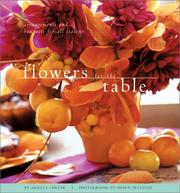
A beautifully practical guide to creating simple, seasonal floral arrangements for the dining table; read here so the learner can pair newly mastered menus with a polished, welcoming table.

Covers how to style and set a home for guests in an approachable, non-intimidating way — teaching that atmosphere is about warmth and intention, not perfection or expense.
Effortless Mastery: Stress-Free & Stylish Entertaining
ExpertSynthesize all prior skills into a seamless, personal entertaining style — hosting with ease, elegance, and genuine enjoyment, including advanced strategies for larger gatherings and special occasions.
▸ Study plan for this stage
Pace: 6–7 weeks, ~40–50 pages/day (alternating between both books to build practical and conceptual knowledge in parallel)
- Dinner as a vehicle for connection and storytelling—how to use meals to deepen relationships and create memorable moments
- Building a personal entertaining philosophy that reflects your values, lifestyle, and authentic self rather than perfectionism
- The history and context of domestic spaces and dining rituals—understanding why we entertain the way we do and how to adapt traditions intentionally
- Practical systems for stress-free hosting: planning, timing, menu design, and logistics that allow you to be present with guests
- Creating an atmosphere of ease and elegance through intentional choices in setting, food, and conversation—not through elaborate production
- Scaling entertaining skills from intimate dinners to larger gatherings and special occasions with confidence and grace
- The role of imperfection and spontaneity in memorable entertaining—embracing the human element over flawless execution
- How does Jenny Rosenstrach define the purpose of dinner parties, and how does this differ from viewing entertaining as a performance or status display?
- What practical systems and routines does Rosenstrach recommend for reducing stress before and during hosting, and how can you adapt them to your own life?
- How does Bill Bryson's exploration of domestic history inform your understanding of why certain entertaining traditions exist, and which ones feel authentic to you?
- What is the relationship between the physical environment (your home, table setting, décor) and the quality of connection at a dinner party, according to both authors?
- How can you synthesize Rosenstrach's emphasis on personal style with Bryson's historical perspective to create an entertaining approach that is both intentional and genuinely yours?
- What strategies would you use to host a larger gathering or special occasion while maintaining the ease, authenticity, and connection that characterize intimate dinners?
- Read 'Dinner: a Love Story' and annotate 3–4 passages where Rosenstrach describes a specific dinner that felt effortless or meaningful; identify the practical elements that made it work (timing, menu, guest mix, atmosphere).
- Design a personal entertaining manifesto (1–2 pages) that articulates your values, non-negotiables, and intentional choices for hosting—grounded in examples from Rosenstrach's book.
- Host a dinner party for 4–6 people using Rosenstrach's approach: plan backwards from your desired atmosphere, choose a simple menu, and focus on presence over perfection; document what worked and what you'd adjust.
- Read 'At Home' and create a visual or written map of your own home's entertaining spaces (dining room, kitchen, living room); reflect on how the history and design of these spaces shape how you entertain, using Bryson's insights.
- Plan and execute a larger gathering (8–12 people) or special occasion dinner, applying both authors' principles: intentional design, stress-reducing systems, and authentic personal style; debrief on how you maintained ease and connection at scale.
- Interview 2–3 people you admire as hosts; ask them about their entertaining philosophy, their systems, and what they've learned from failures; synthesize their insights with Rosenstrach and Bryson's ideas in a reflection piece.
Next up: This stage synthesizes all prior entertaining skills into a coherent, personal philosophy and demonstrates mastery through real-world hosting—preparing you to mentor others, adapt to any entertaining context, and continue evolving your practice with confidence and joy.

Bridges everyday cooking and special-occasion hosting, showing how a consistent practice of feeding people builds the intuition and repertoire needed to host effortlessly and joyfully.

A fascinating cultural deep-dive into how domestic entertaining evolved; reading this last gives the advanced host rich context and storytelling material that elevates gatherings from mere meals to meaningful experiences.
Discussion
Keep reading
Paths that share books, cover the same subject, or open a related topic.