Sausage making spans an enormous range of difficulty and risk. Grinding and stuffing a fresh breakfast sausage is a fun, safe afternoon. Fermenting and dry-curing a salami is a controlled microbiology project where temperature, salt, and cure are literally a matter of safety. Reading in order matters more here than in almost any other craft, because you must master the fundamentals — and the safety principles — before you attempt cured products.
This path builds from fresh sausage, through smoked and cured, up to the demanding world of fermentation.
Start with fresh sausage
Begin with Home sausage making by Charles Reavis, the friendly, thorough classic that teaches grinding, seasoning, and stuffing fresh sausages — the ideal first book. Reinforce it with The Complete Sausage Book by Bruce Aidells, packed with recipes and technique from one of America's great sausage authorities, so you build range while your fundamentals set.
Learn the craft of charcuterie
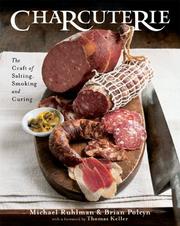
Now step up to the discipline. Charcuterie by Michael Ruhlman is the modern cornerstone — it introduces cures, salts, and the safety-critical basics of preserved meats in a way beginners can follow. It is the bridge between fresh and cured, and you should read it carefully before attempting anything smoked or air-dried. The Sausage Maker's Bible by Peter Kolesnichenko widens your repertoire across fresh, cooked, and cured styles as a comprehensive reference.
Master smoke, then fermentation
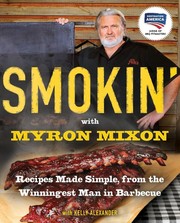
For the smoked and barbecue side, Smokin' with Myron Mixon by Myron Mixon and Smoke & spice by Cheryl Alters Jamison teach the fire, wood, and time that make great smoked sausage — approachable and deeply practical.
Finally, the summit: The Art of Making Fermented Sausages by Stanley Marianski is the definitive, science-forward guide to dry-cured and fermented sausages, where cultures, cure salts, humidity, and temperature must all be controlled precisely. Treat it as a manual you follow exactly, not a book to improvise from. Close with Salumi, also by Ruhlman, which applies these principles to the Italian whole-muscle and salami tradition beautifully.
Read in order, these take you from a fresh breakfast link to a properly cured salami — and, crucially, teach the food-safety discipline that dry-curing demands. Sausage sits at the heart of many cuisines, so this path pairs with the regional cooking subjects in the ReadingSherpa index. Follow the full path to make sausage safely and well. Curing and fermenting meat carries real safety risks — follow tested recipes and cure guidelines exactly, and when in doubt, consult a food-safety authority.
Follow the full reading path →
Ready to learn something deeply?
Build a reading path — free