Best Books on Butterfly Gardening, in Order
This curriculum takes a beginner butterfly gardener from foundational identification and garden design all the way through advanced host-plant ecology, regional species knowledge, and monarch conservation science. Each stage builds on the last: you first learn to see and name butterflies, then design a garden that serves both nectar and host-plant needs, then deepen your understanding of caterpillar habitat and regional species, and finally engage with the urgent science of monarch conservation.
Foundations: Seeing & Naming Butterflies
BeginnerBuild a working vocabulary for butterfly identification, life cycles, and the basic distinction between nectar plants and host plants before touching a trowel.
▸ Study plan for this stage
Pace: 2–3 weeks, ~20–25 pages/day
- Butterfly anatomy and morphology (wings, antennae, proboscis, body segments) for accurate field identification
- Complete metamorphosis: egg, larva, chrysalis, adult stages and their ecological roles
- Host plants vs. nectar plants: why caterpillars need specific host plants while adults feed on diverse nectar sources
- Regional butterfly species identification using field marks (wing patterns, colors, size, flight behavior)
- Life cycle timing and phenology: how butterfly emergence aligns with plant blooming cycles
- The relationship between native plants and butterfly populations in local ecosystems
- Common butterfly families and their distinguishing characteristics (Swallowtails, Monarchs, Blues, Skippers, etc.)
- What are the four stages of butterfly metamorphosis, and what does the caterpillar do in each stage?
- What is the difference between a host plant and a nectar plant, and why do butterflies need both?
- How would you identify a butterfly in the field using wing patterns, body size, and flight behavior?
- Which native plants in your region serve as host plants for common butterfly species?
- Why is understanding butterfly phenology (timing) important when planning a butterfly garden?
- What are the key anatomical features that distinguish different butterfly families?
- Create a visual identification guide: sketch or photograph 5–8 butterfly species common to your region, labeling key field marks (wing patterns, antennae, body shape)
- Build a life-cycle diagram: draw or create a poster showing all four metamorphosis stages with notes on duration and what the caterpillar/chrysalis needs
- Research and list: identify 3–5 host plants and 5–8 nectar plants native to your region, organized by butterfly species they support
- Field observation practice: spend 2–3 sessions outdoors (15–30 minutes each) observing and sketching butterflies in your area, noting species, behavior, and plants they visit
- Vocabulary flashcards: create 20–25 cards covering butterfly anatomy terms, life-cycle stages, and plant types; quiz yourself weekly
- Regional species inventory: using a field guide or online resource, compile a checklist of 10–15 butterfly species in your area with their host and nectar plants listed
Next up: This stage equips you with the visual vocabulary and ecological knowledge to recognize which butterflies you want to attract and what plants they require, setting the foundation for the next stage where you'll learn to design and prepare garden spaces that support specific butterfly species.
A visually rich, beginner-friendly field guide that teaches you to identify species by region and understand their basic biology — essential vocabulary before designing any garden.
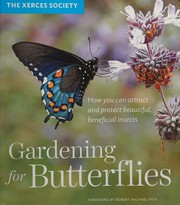
Published by the Xerces Society, this is the single best introductory overview of butterfly gardening, clearly explaining the host-plant vs. nectar-plant distinction and how to plan a garden from scratch.
Garden Design: Nectar & Host Plants in Practice
BeginnerLearn how to select, combine, and grow specific nectar and host plants that attract and sustain butterflies through their entire life cycle.
▸ Study plan for this stage
Pace: 4–5 weeks, ~25–30 pages/day. Start with "The Life Cycles of Butterflies" (1–2 weeks), then move to "Planting in a Post-Wild World" (2–3 weeks), with overlap for integration exercises in the final week.
- The four-stage butterfly life cycle (egg, larva, chrysalis, adult) and how each stage requires different plant resources
- Host plants vs. nectar plants: why caterpillars need species-specific host plants while adults feed on diverse nectar sources
- Plant selection criteria: matching plant families and bloom times to local butterfly species and their seasonal needs
- Ecological plant combinations: designing polycultures that provide continuous nectar and host plant availability across seasons
- Soil health and native plant integration as foundations for supporting butterfly populations in designed landscapes
- Succession and resilience in garden design: how to create self-sustaining systems that adapt to environmental change
- What are the four life stages of butterflies, and what does each stage require from plants in your garden?
- Why can't you use the same plants for both caterpillar host plants and adult nectar sources, and what does this mean for your plant selection strategy?
- How do you identify which host plants are needed for butterfly species native to your region?
- What criteria should guide your choice of nectar plants, and how should you time their blooms across the growing season?
- How can you design a garden layout that combines host and nectar plants to support butterflies from egg through adult stages?
- What role do soil health and native plant communities play in creating a resilient butterfly garden?
- Create a life-cycle chart for 2–3 butterfly species native to your region, noting the specific host plants their caterpillars require and the nectar plants adults prefer
- Conduct a local plant inventory: visit a native plant nursery or botanical garden and photograph/document host and nectar plants available in your area
- Design a seasonal bloom calendar for your garden space, mapping out which plants flower in spring, summer, and fall to ensure continuous nectar availability
- Sketch a small garden layout (even 4×4 feet) that includes at least one host plant and three nectar plants, with notes on spacing, soil prep, and maintenance
- Plant or transplant at least one host plant and two nectar plants in your garden or a container, documenting soil preparation and initial care
- Interview a local butterfly expert, native plant nursery staff, or experienced butterfly gardener about plant combinations that work in your climate zone
Next up: This stage grounds you in the biological and ecological foundations needed to design functional butterfly gardens; the next stage will likely focus on implementation at larger scales—whether expanding to full-yard designs, community gardens, or understanding how to maintain and monitor your garden's butterfly populations over time.
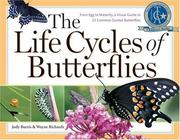
A stunning photo-driven guide to 23 common species from egg to adult, cementing your understanding of what caterpillars need from host plants — the 'why' behind every planting decision.

Teaches ecological planting design principles — layering natives, mimicking plant communities — giving your butterfly garden structure that supports caterpillar habitat, not just adult nectar sources.
Advanced: Monarch Conservation & Citizen Science
ExpertUnderstand the science, ecology, and conservation crisis surrounding monarch butterflies, and learn how your garden connects to large-scale conservation efforts.
▸ Study plan for this stage
Pace: 8–10 weeks, ~40–50 pages/day (accounting for dense scientific content and reflection time)
- The monarch migration cycle and its vulnerability to climate change, habitat loss, and pesticides
- The coevolutionary relationship between monarchs and milkweed plants, and why milkweed diversity matters for monarch survival
- The role of citizen science in monarch conservation and how individual gardeners contribute to large-scale ecological data collection
- The Mexican overwintering sites as critical bottlenecks in the monarch lifecycle and the geopolitical/conservation challenges protecting them
- Toxin sequestration and how monarchs use milkweed alkaloids as defense mechanisms against predators
- The interconnection between agricultural practices (particularly herbicide use) and monarch population decline
- How garden design and native plant selection directly impact monarch breeding success and migration support
- The scientific methods and long-term studies that have revealed monarch population trends and conservation needs
- What are the major threats to monarch populations across their full migration cycle, and how do climate and habitat loss interact to create a conservation crisis?
- Explain the coevolutionary relationship between monarchs and milkweed: why is milkweed diversity important, and how do different milkweed species affect monarch fitness?
- How do monarchs use milkweed toxins as a defense strategy, and what does this reveal about the specificity of their ecological niche?
- What role do citizen science projects play in monarch conservation, and how can individual gardeners contribute meaningful data to large-scale research?
- Describe the monarch overwintering sites in Mexico: why are they ecologically critical, and what conservation and geopolitical challenges threaten them?
- How have herbicide use and agricultural intensification contributed to monarch decline, and what does this suggest about the relationship between human land use and butterfly populations?
- Create a detailed map of the monarch migration route using data from both books, marking key breeding grounds, migration corridors, and overwintering sites; annotate with specific threats mentioned in each location
- Conduct a milkweed audit of your local region: identify which native milkweed species are present, research their toxin profiles and monarch suitability (using Agrawal's framework), and assess availability in local nurseries
- Design a monarch-supporting garden plan for a specific space (your yard, a community garden, or a school plot) that incorporates multiple milkweed species, nectar sources, and addresses local climate/migration timing
- Participate in or set up a citizen science project (such as Monarch Watch or iNaturalist) and document monarchs or milkweed in your area for at least 4 weeks; record observations and reflect on what data you're contributing
- Read and annotate one peer-reviewed scientific paper cited in 'Monarchs and Milkweed' that studies monarch-milkweed interactions or population dynamics; write a 2–3 page summary connecting it to Agrawal's arguments
- Create a visual comparison chart showing different milkweed species' characteristics (toxin levels, geographic range, monarch preference, growing conditions) based on information from both books, then use it to make planting recommendations for your region
Next up: This stage equips you with the scientific foundation and conservation context needed to move into the next level, where you'll translate this knowledge into large-scale habitat restoration projects, policy advocacy, or specialized breeding and reintroduction work.
A narrative deep-dive into monarch migration science and the researchers who study it — builds the scientific and emotional context for why monarch conservation is urgent and complex.

A rigorous, research-based account of the monarch-milkweed relationship by a leading ecologist, giving you the advanced scientific grounding to make truly informed host-plant and conservation decisions in your garden.
Discussion
Keep reading
Paths that share books, cover the same subject, or open a related topic.