Almost every beginner butterfly garden makes the same mistake: it is planted entirely for adults. Nectar plants everywhere, butterfly bush by the patio, and no host plants at all — which means butterflies visit, feed and leave to breed somewhere else. A garden that supports a population needs the plants caterpillars eat, and those plants get chewed, which is the part gardeners have to make peace with.
That single insight reorders the reading. Start with a book that takes host plants seriously, then learn the life cycle well enough to recognise what is happening in your beds, then widen out to how planting communities work and what large-scale conservation actually requires.
The practical foundation
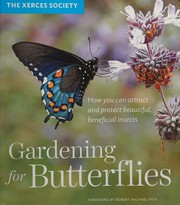
Begin with Gardening for butterflies from the Xerces Society, with Scott Hoffman Black among its authors. It is the most reliable starting point because it is written by an invertebrate conservation organisation rather than a nursery: host plants and nectar plants get equal billing, regional plant lists are specific, and there is candid guidance on pesticides, including the neonicotinoid residues that come in on nursery stock. Read the host-plant chapters twice.
Learn to read your own garden
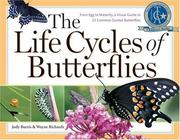
Then The life cycles of butterflies by Judy Burris and Wayne Richards, a close-up photographic guide following two dozen species from egg through chrysalis to adult. Its value is entirely practical: once you can identify eggs and early instars, you stop mistaking your own caterpillars for pests and start noticing whether your habitat is being used at all. Keep it outside with you.
Design that holds together
Planting in a post-wild world by Thomas Rainer and Claudia West is the design-thinking book. Its argument is that plants should be arranged as layered communities that cover the ground, rather than as specimens in mulch — which produces habitat that supports insects continuously through the season and needs less maintenance. It is the book that turns a butterfly plant list into a functioning garden.
The wider story
The last two books zoom out. Four Wings and a Prayer by Sue Halpern follows the people who worked out where eastern monarchs go in winter — an absorbing account of amateur tagging, scientific rivalry and a migration that was a genuine mystery until recently.
Then Monarchs and Milkweed by Anurag Agrawal, the most scientifically substantial book on this list. It is a detailed account of the coevolutionary arms race between monarchs and the milkweeds they depend on: toxins, tolerance, and why the relationship is so specific. Agrawal is also careful about the contested science of monarch decline — researchers disagree about how much is caused by loss of breeding habitat versus conditions on the migration route and overwintering grounds. He presents that disagreement rather than resolving it, which is the right posture.
What to do while reading
Do not wait to finish the list. Identify your region's common species and their host plants from the first book, plant a few, and then use the life-cycle guide to see what shows up. And check where your plants came from — nursery stock treated with systemic insecticides can kill the caterpillars you are trying to attract, which is a failure no amount of good design fixes.
Follow the full path for the stage-by-stage plan, or browse related growing guides at the butterfly gardening hub.
Follow the full ordered path here: How to Learn Butterfly Gardening from Books, in Order.
Ready to learn something deeply?
Build a reading path — free