Best Books on Bikepacking, in Reading Order
This curriculum takes a complete beginner from zero bikepacking knowledge to confident route-planner and long-distance rider across four progressive stages. It opens with the spirit and culture of adventure cycling, moves through the practical craft of bike setup, packing, and navigation, then deepens into wilderness camp skills, and finally celebrates the world's great long routes through the eyes of those who have ridden them.
Bike, Bags & Kit — The Practical Foundation
BeginnerChoose and configure a bikepacking-ready bike, select the right bag system, and build a lightweight, functional kit list from scratch.
▸ Study plan for this stage
Pace: 4–5 weeks, ~25–30 pages/day (focusing on Parts 1–3: bike selection, components, and gear systems)
- Bike geometry and frame materials suited to loaded touring and bikepacking
- Component selection criteria: drivetrain, brakes, wheels, and tires for off-road and mixed-terrain riding
- Weight distribution and load-carrying capacity across frame, bags, and body
- Bag system design: frame bags, seat bags, handlebar rolls, and pannier alternatives for bikepacking
- Tire choice and pressure management for varied terrain and payload
- Gear ratios and gearing strategy for climbing with a loaded bike
- Essential systems integration: how bike, bags, and kit work together as a cohesive unit
- What frame geometry and materials does Burke recommend for long-distance loaded cycling, and why do these differ from road or mountain bikes?
- How should you select drivetrain components (chainrings, cassette, derailleurs) when carrying a heavy load over varied terrain?
- What are the trade-offs between different bag systems (frame bags, seat bags, handlebar packs) in terms of weight, accessibility, and bike handling?
- How does tire selection—width, tread pattern, and pressure—change when bikepacking versus road cycling, and what does Burke advise?
- What is the relationship between bike weight, load capacity, and component durability for long-distance touring?
- How do you calculate and distribute weight across your bike and body to maintain stability and control on technical terrain?
- Select a bike frame (existing or hypothetical) and justify your choice using Burke's criteria for geometry, material, and load capacity; document the reasoning
- Build a complete component spec sheet for a bikepacking bike, including drivetrain, brakes, wheels, and tires; compare at least two gear-ratio options for climbing loaded
- Sketch or photograph a bag system layout for your intended bikepacking trip, showing frame bag, seat bag, handlebar roll, and any other bags; calculate total capacity and weight distribution
- Weigh and categorize your actual gear into 'must-have,' 'should-have,' and 'nice-to-have'; then assign each item to a specific bag location based on access frequency and weight distribution principles
- Test tire pressure and handling on a loaded bike (or simulate load with water bottles/sandbags) on varied terrain; record how pressure and load affect traction and control
- Create a pre-trip bike inspection checklist based on Burke's maintenance and durability guidance; perform it on your own bike and document any issues found
Next up: This stage equips you with a dialed-in, properly configured bike and bag system; the next stage will focus on planning routes, managing nutrition and water, and executing multi-day trips with confidence.
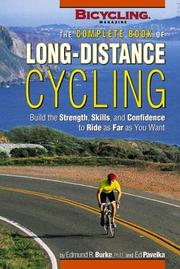
Provides the essential cycling-specific physiology, nutrition, and bike-fit knowledge that underpins all long-distance riding; read this second so gear decisions are grounded in how your body actually works on a bike.
Route Planning, Navigation & Camp Craft
IntermediatePlan multi-day routes using maps and GPS, navigate confidently in the field, and master lightweight camping skills — shelter, water, food, and Leave No Trace.
▸ Study plan for this stage
Pace: 8–10 weeks, ~25–30 pages/day. Start with Clelland (2 weeks), move to Burns (3–4 weeks for depth), then Tapon (2–3 weeks). Build in 1–2 weeks for field practice between books.
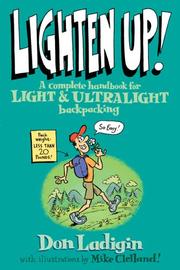
- Ultralight gear selection and pack weight optimization for multi-day routes (Clelland)
- Map reading, compass navigation, and GPS use in varied terrain (Burns)
- Route planning methodology: distance, elevation, water sources, and resupply logistics
- Lightweight shelter systems and camp craft for Leave No Trace principles (Clelland)
- Water sourcing, treatment, and storage in wilderness settings
- Food planning, caloric needs, and lightweight meal strategies for self-supported trips
- Navigation decision-making and route-finding confidence in the field (Burns, Tapon)
- Personal hiking philosophy and adapting routes to your own pace and style (Tapon)
- How do you calculate pack weight and identify the heaviest items to optimize for a multi-day bikepacking route?
- What are the steps to navigate using a topographic map and compass when GPS fails?
- How do you plan a multi-day route that accounts for water sources, elevation gain, and resupply points?
- What are the core Leave No Trace principles and how do you apply them to lightweight camping?
- How do you assess water quality and choose appropriate treatment methods for different wilderness sources?
- What factors should influence your route choice: distance, terrain, weather, personal fitness, and bike capability?
- Complete a full pack shakedown: weigh every item, identify the top 5 heaviest pieces, and research ultralight alternatives (Clelland focus).
- Study a USGS topographic map of a local area; practice identifying contour lines, elevation changes, water features, and landmarks.
- Conduct a compass navigation exercise: set a bearing, navigate to a waypoint without GPS, then verify with a map.
- Plan a real 2–3 day bikepacking route using maps and GPS: identify water sources, camping spots, resupply options, and elevation profile.
- Set up and break down your shelter system 5+ times, timing yourself and practicing Leave No Trace site selection and cleanup.
- Conduct a water sourcing and treatment field test: collect water from 3 different sources, treat using your chosen method, and document the process.
Next up: Mastering route planning, navigation, and camp craft equips you to execute multi-day trips safely and efficiently, setting the foundation for the next stage: managing logistics, handling unexpected conditions, and refining your personal bikepacking style on increasingly ambitious routes.
The gold-standard primer on going light in the backcountry; its shelter, sleep-system, and food principles transfer directly to bikepacking and teach the 'why' behind every gram saved.
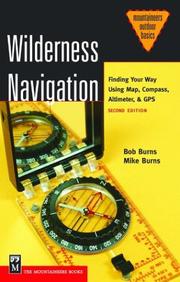
A clear, well-illustrated guide to map, compass, and GPS navigation in wild terrain — essential reading before tackling remote bikepacking routes where phone signal disappears.
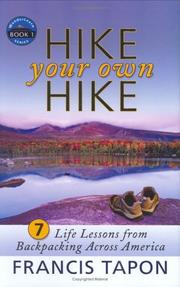
Tapon's philosophy of self-reliant, flexible long-distance travel teaches the decision-making and mental resilience needed for multi-week bikepacking trips — bridges camp craft into the expedition mindset.
The Great Routes — Epic Rides & Long-Distance Inspiration
ExpertUnderstand the world's iconic long-distance bikepacking routes, learn from those who have ridden them, and gain the strategic thinking to plan and complete a major expedition.
▸ Study plan for this stage
Pace: 6–8 weeks, ~40–50 pages/day with reflection days. Read "Riding Outside the Lines" (weeks 1–3), then "Man Who Cycled the World" (weeks 4–6), with weeks 7–8 dedicated to synthesis and expedition planning.
- Route selection and research: How to identify, evaluate, and choose long-distance bikepacking routes based on terrain, climate, logistics, and personal goals
- Mental resilience and problem-solving: Strategies for overcoming physical and psychological challenges during extended expeditions, drawing from real-world accounts of setbacks and adaptations
- Logistical planning for major expeditions: Managing resupply, navigation, accommodation, and contingency planning across diverse geographies and cultures
- Self-sufficiency and minimalism: Balancing gear weight, comfort, and functionality to sustain yourself independently over weeks or months
- Cultural immersion and human connection: Using bikepacking as a vehicle for meaningful encounters with people and places, not just geographic conquest
- Pacing and periodization: Understanding how to structure training, manage fatigue, and maintain momentum over ultra-long distances
- Documentation and narrative: Capturing and sharing your journey in ways that inspire others and create accountability
- What are the key differences between Joe Kurmaskie's philosophy of 'riding outside the lines' and conventional bikepacking route planning, and how does this mindset influence decision-making during a long expedition?
- Describe Mark Beaumont's approach to global route planning and logistics in 'Man Who Cycled the World.' What were his major strategic decisions, and how did they differ from or align with the approaches discussed in 'Riding Outside the Lines'?
- What physical, mental, and logistical challenges did Kurmaskie and Beaumont face during their respective journeys, and what specific strategies did they employ to overcome them?
- How do both authors balance self-sufficiency with accepting help from others? What does this reveal about the social and psychological dimensions of long-distance bikepacking?
- Based on the routes and experiences described in both books, what criteria would you use to select a major bikepacking expedition suited to your own skills, interests, and constraints?
- How would you design a resupply and navigation strategy for a 2,000+ mile bikepacking expedition in a region unfamiliar to you, drawing on lessons from both authors?
- Route analysis: Select one route from each book (e.g., Kurmaskie's route and Beaumont's world route). Create detailed comparison charts covering distance, terrain, climate, resupply points, and difficulty. Identify what made each route successful or challenging.
- Expedition planning simulation: Design a 1,500–3,000 mile bikepacking expedition for a region you've never visited. Include route selection rationale, monthly timeline, resupply strategy, gear list, budget estimate, and contingency plans for weather, injury, or mechanical failure.
- Logistical deep-dive: Map out the resupply infrastructure (towns, shops, water sources, camping) for a 500-mile segment of a real-world route. Identify gaps and propose solutions (caching, mail drops, local contacts).
- Mental resilience journal: As you read, keep a journal documenting the hardest moments Kurmaskie and Beaumont faced. For each, write a brief analysis of their coping strategy and how you might adapt it to your own challenges.
- Gear audit and minimalism challenge: Review the gear choices mentioned in both books. Create your own ultra-light bikepacking kit for a 2-week expedition, justifying each item and explaining what you'd eliminate compared to standard touring setups.
- Route narrative project: Write a detailed narrative account (2,000–3,000 words) of a hypothetical week-long segment of your designed expedition, incorporating sensory details, logistical decisions, and human encounters inspired by the storytelling in both books.
Next up: This stage equips you with the strategic, logistical, and psychological frameworks to conceive and execute a major bikepacking expedition; the next stage will focus on the practical execution—training, gear optimization, risk management, and real-time decision-making during the actual ride.
A vivid account of riding across Europe that illustrates real-world route planning, border logistics, and daily problem-solving on a long self-supported tour.
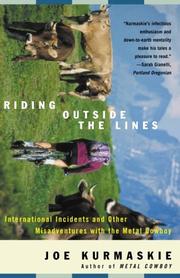
Kurmaskie's adventure dispatches from remote corners of the world showcase how experienced bikepackers adapt to the unexpected — essential reading for anyone planning a route beyond the well-mapped.

Beaumont's record-breaking round-the-world ride is the definitive modern account of extreme long-distance cycling logistics, mental endurance, and expedition planning — the capstone read that ties every earlier lesson together.
Discussion
Keep reading
Paths that share books, cover the same subject, or open a related topic.