Bikepacking is a hybrid discipline, and that is exactly where new riders come unstuck. People arrive from road cycling with the fitness but no idea how to shelter, navigate or ration off-grid; people arrive from backpacking with the camp skills but no sense of how a loaded bike handles at hour nine on rough gravel. There is not yet a single canonical bikepacking manual, so the reading path borrows from both parent sports.
Order matters because kit choices only make sense once you understand the ride they are serving. Decide how far you intend to go and how your body holds up first; then cut weight; then learn to find your way when the route file fails.
The riding body first
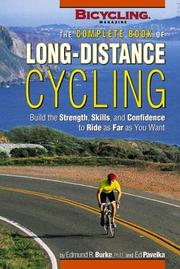
Start with The complete book of long-distance cycling by Edmund Burke and Ed Pavelka. It is the endurance foundation: training progressions, pacing, on-bike nutrition, saddle and contact-point problems, and the recovery mechanics of consecutive long days. Some of the gear discussion is dated, and the book predates modern bikepacking entirely — read it for the physiology and the multi-day pacing, which have not changed.
Cutting the load
Then Ultralight backpackin' tips by Mike Clelland. It is a hiking book, hand-illustrated and slightly eccentric, and it is still the fastest way to internalise the ultralight mindset: weigh everything, question every item, understand which cuts are safe and which are stupid. Bikepacking bags punish bulk more than weight, so translate rather than copy — but the discipline of thinking transfers cleanly.
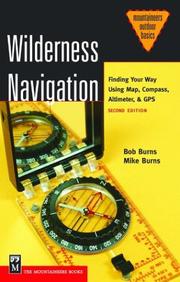
Pair it with Wilderness navigation by Bob and Mike Burns, a compact, well-taught primer on map, compass, altimeter and GPS. Route files fail, phones die, and gravel networks are full of unsigned junctions. This is the skill most likely to matter on the day something goes wrong, and it is the one riders most often skip.
Then the long rides
The narratives come last, once you know enough to read them critically instead of romantically. Hike Your Own Hike by Francis Tapon draws life lessons from a long-distance thru-hike; take it as a book about decision-making under fatigue and self-imposed rules, which is most of what a multi-day ride is.
Riding Outside the Lines by Joe Kurmaskie is the funny one — a collection of touring misadventures that is honest about how much of self-supported travel is improvisation, weather and strangers. Then Man Who Cycled the World by Mark Beaumont, the record-setting circumnavigation account, which is the clearest window into what genuinely relentless daily mileage does to a person. Read it as an outer bound, not a template.
A note on scope
None of these books is a bikepacking bag-and-frame buying guide, and that is deliberate — gear-specific advice ages out in a season or two, while pacing, load discipline and navigation do not. Use current online route resources and community forums for kit, and use these for the parts that stay true.
Ride shorter overnights while you read; a single night out teaches you more about your setup than any chapter will. Follow the full path for the stage-by-stage plan, or start from the bikepacking hub.
Follow the full ordered path here: Bikepacking: The Best Books to Read, in Order.