The Best Books on Thru-Hiking Long Trails
This curriculum starts with the most celebrated narrative accounts of America's iconic long trails to build intuition and trail culture literacy, then moves into practical planning and gear strategy, and finally deepens into advanced wilderness skills and the philosophical dimensions of long-distance hiking. Because the learner is already intermediate, foundational backpacking basics are skipped in favor of trail-specific wisdom and nuanced preparation.
Trail Stories & Culture: Learning from Those Who've Done It
IntermediateAbsorb the lived reality of thru-hiking — the rhythms, culture, mental arc, and hard-won lessons — through the eyes of experienced hikers on the AT and PCT before diving into planning.
▸ Study plan for this stage
Pace: 8–10 weeks, ~40–50 pages/day. Read one book per 2.5–3 weeks to allow time for reflection and note-taking between titles.
- The daily rhythm and physical reality of thru-hiking: miles, terrain, weather, and bodily endurance across weeks and months
- The psychological arc of a long trail: initial euphoria, the mid-trail crisis (the 'Virginia Blues' or equivalent), and the complex emotions of finishing
- Trail culture and community: the role of trail names, shelter conversations, trail towns, and the bonds formed with other hikers
- Solo vs. social hiking: how solitude, introspection, and unexpected human connection shape the thru-hiking experience
- Preparation vs. reality: the gap between what you plan and what actually happens—gear failures, injury, weather, and mental resilience
- Personal transformation through hiking: how the trail forces confrontation with identity, fear, grief, and self-reliance
- The role of humor, absurdity, and perspective: how hikers process hardship and maintain morale on the trail
- What are the major physical and logistical challenges Bryson, Strayed, and Miller each face on their respective trails, and how do they differ?
- Describe the emotional arc that each author experiences during their thru-hike. Where do they hit their lowest point, and what helps them push through?
- How does trail culture—including trail names, shelter dynamics, and trail towns—function as a support system in each narrative?
- What does each author learn about themselves through the experience of thru-hiking, and how does solitude play a role in that self-discovery?
- Compare how Bryson's humor, Strayed's grief-processing, and Miller's spiritual seeking each serve as coping mechanisms on the trail.
- What gaps exist between what each author expected before starting and what they actually encountered? What surprised them most?
- Keep a 'Trail Lessons Journal' while reading: after each book, write 1–2 pages on the most important lesson about thru-hiking culture, psychology, or logistics you learned from that author.
- Create a side-by-side comparison chart of the three hikes (AT vs. PCT, Bryson vs. Strayed vs. Miller): note terrain, season, duration, major challenges, and emotional turning points.
- Write a 500-word reflection on which author's experience resonates most with you and why—what aspects of their journey feel most relevant to your own potential thru-hike?
- Identify and annotate 3–5 passages from each book that capture the 'lived reality' of thru-hiking most vividly. Explain why each passage stuck with you.
- Interview a local thru-hiker (in person, by phone, or online) and ask them which of these three books most accurately reflects their experience. Record their response and compare it to the authors' accounts.
- Create a 'Trail Culture Glossary' as you read: define trail slang, culture norms, and community practices mentioned across all three books (e.g., trail names, shelter etiquette, town stops).
Next up: These narratives establish the emotional, social, and physical reality of thru-hiking, giving you a visceral sense of what to expect; the next stage will translate that lived understanding into concrete planning—route selection, gear choices, training, and logistics—so you can prepare intelligently rather than naively.

The most widely-read AT narrative; sets the cultural stage, introduces trail vocabulary (shelters, blazes, trail towns), and honestly portrays the gap between expectation and reality — essential framing for any serious planner.
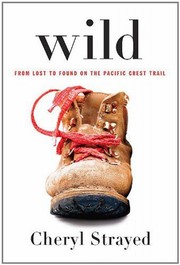
The defining PCT memoir; read second to contrast AT culture with PCT culture and to deeply explore the psychological and emotional arc of a thru-hike, which is as important to prepare for as the physical demands.

A methodical, gear-conscious AT thru-hike account written by a planner-type hiker; bridges the gap between inspirational narrative and practical preparation, making it the perfect transition into the planning stage.
Planning & Logistics: Building Your Blueprint
IntermediateDevelop a concrete, trail-specific planning framework covering permits, resupply, budgeting, timeline, and the unique logistics of the AT, PCT, and CDT.
▸ Study plan for this stage
Pace: 4–5 weeks, ~40–50 pages/day. Start with "Appalachian Trials" (1 week), move to "Thru-hiking will break your heart" (1.5 weeks), then "The Pacific Crest Trail hiker's handbook" (1.5–2 weeks) to allow time for deeper engagement with Jardine's technical content.
- Permit systems and regulations: understanding AT, PCT, and CDT permit requirements, lottery systems, and timing constraints
- Resupply strategy: mapping town stops, mail drops, and food caching across different trail ecosystems and terrain
- Budget planning: calculating daily/weekly costs, accounting for trail-specific expenses (permits, shuttles, hostels), and building contingency funds
- Timeline construction: balancing mileage targets, weather windows, permit start dates, and personal fitness to create a realistic thru-hike schedule
- Trail-specific logistics: understanding the distinct challenges of AT (water sources, shelter availability), PCT (desert water, permit lottery), and CDT (route-finding, resupply gaps)
- Mental and emotional preparation: recognizing common breaking points, managing expectations, and building resilience strategies before the trail
- Ultralight and efficient gear selection: applying Jardine's framework to minimize pack weight while maintaining safety and comfort on long trails
- Navigation and route planning: using maps, guidebooks, and digital tools to plan daily segments and identify critical decision points
- What are the key differences in permit acquisition between the AT, PCT, and CDT, and how should these differences shape your planning timeline?
- How do you build a resupply strategy that accounts for trail-specific challenges like desert water sources on the PCT or limited towns on the CDT?
- What are the major cost categories for a thru-hike, and how would you adjust your budget based on trail choice and personal priorities?
- How do you construct a realistic timeline that balances your fitness level, permit constraints, weather windows, and personal goals?
- What are the common emotional and mental breaking points identified in Quinn's account, and what preventive strategies can you build into your plan?
- How does Jardine's ultralight philosophy apply to your specific trail choice, and what gear decisions would you prioritize to reduce pack weight?
- Create a detailed permit timeline for your chosen trail: research current lottery dates, application deadlines, and start-date windows; map out your personal constraints (job, family, fitness) against these dates
- Build a resupply spreadsheet for 100+ miles of your chosen trail: identify all towns within reasonable hitching distance, calculate days between resupplies, note water sources, and flag any gaps requiring mail drops or caching
- Develop a bottom-up budget: list every expense category (permits, gear, food, lodging, transport), research actual costs for your trail, and create high/medium/low scenarios with contingency funds
- Draft a realistic timeline: calculate your target daily mileage based on fitness and terrain, identify weather windows and permit start dates, and create a day-by-day or week-by-week skeleton schedule for the first 500 miles
- Write a personal breaking-point analysis: identify 3–4 scenarios from Quinn's account that resonate with your fears or concerns, and develop specific coping strategies or plan adjustments to mitigate them
- Create a gear audit using Jardine's ultralight principles: weigh your current pack and contents, identify the 5–10 heaviest items, research lighter alternatives, and calculate potential weight savings and cost trade-offs
Next up: This stage equips you with a concrete, trail-specific blueprint—permits locked, resupply mapped, budget set, timeline realistic—so the next stage can focus on physical training, skill-building, and mental conditioning to actually execute that plan on the trail.

Focuses almost entirely on the psychological preparation and goal-setting process for the AT; read first in this stage because mental strategy must be planned before logistics, not after.

A dual PCT/CDT narrative packed with hard logistical detail — water carries, resupply boxes, permit windows — that teaches planning through vivid storytelling rather than dry instruction.

The foundational planning and systems-thinking text for long trails; Jardine's lightweight philosophy and resupply strategy revolutionized thru-hiking and remains essential reading for any serious planner.
Gear Mastery: Systems, Weight, and the Long Haul
IntermediateBuild a sophisticated, trail-tested gear system optimized for multi-month hiking, understanding the trade-offs between weight, durability, comfort, and cost.
▸ Study plan for this stage
Pace: 4–5 weeks, ~40–50 pages/day with 2–3 days per week for gear audits and field testing
- The ultralight philosophy: identifying and eliminating unnecessary weight without sacrificing safety or function
- Systems-based thinking: how individual gear choices interact and compound across shelter, sleep, clothing, and pack systems
- The weight-to-benefit ratio: understanding diminishing returns and making intentional trade-offs between weight reduction, durability, cost, and comfort
- Gear testing and iteration: how to evaluate equipment in real conditions and refine your setup over multiple trips
- Base weight calculations and pack weight management: tracking, analyzing, and optimizing your total load for multi-month expeditions
- Ultralight alternatives and DIY solutions: evaluating commercial ultralight gear, cottage manufacturers, and home-made options for your specific needs
- Durability and longevity: balancing ultralight materials with the wear patterns and failure modes of extended thru-hikes
- What is the core philosophy of ultralight backpacking, and how does it differ from simply buying the lightest gear available?
- How do individual gear choices in shelter, sleep system, and clothing interact as a system, and what happens when you optimize one component without considering the others?
- What is base weight, how do you calculate it, and why is it a more useful metric than total pack weight for long-distance hiking?
- How do you evaluate whether a weight reduction is worth the cost or durability trade-off for a multi-month thru-hike?
- What are the key failure modes and durability concerns for ultralight gear on extended trips, and how do you mitigate them?
- How can you use field testing and iterative refinement to build a gear system that works for your body, hiking style, and the specific trail you're hiking?
- Conduct a complete base weight audit: list every item you currently own or plan to use, weigh it, categorize it (shelter, sleep, clothing, cook, etc.), and calculate your base weight; identify the three heaviest categories and brainstorm reduction strategies
- Read and annotate one chapter from each book focusing on a single gear category (e.g., shelter systems or sleep systems); create a comparison table of ultralight options with weight, cost, durability, and pros/cons for each
- Select one piece of gear you currently own and research three ultralight alternatives (commercial, cottage, or DIY); evaluate the weight savings, cost difference, and durability trade-offs in a written analysis
- Take a day hike or overnight trip with your current full setup; track actual weight, comfort, and performance; identify three specific items that caused discomfort or felt unnecessary, and plan modifications for the next trip
- Design a complete ultralight gear system for a specific 2–4 week thru-hike (e.g., a section of the AT or PCT); justify each choice with reference to concepts from the books and your own priorities (weight, cost, durability)
- Create a gear testing protocol: list 5–7 key metrics you'll evaluate on your next trip (weight, durability, comfort, packability, etc.); use it to systematically assess one new piece of gear and document lessons learned
Next up: This stage equips you with the knowledge and hands-on experience to build a dialed-in, intentional gear system—the foundation for the next stage, which will address the mental, physical, and logistical challenges of executing a multi-month thru-hike with confidence and resilience.

A concise, illustrated primer on ultralight principles that efficiently upgrades an intermediate hiker's gear thinking without overwhelming detail — the right entry point for this stage.

Provides a systematic, category-by-category framework for auditing and reducing pack weight, building directly on Clelland's principles with more structured decision-making tools.
Deep Trail Wisdom: Advanced Skills & the Long View
ExpertInternalize advanced wilderness navigation, safety, and the deeper philosophy of long-distance travel — moving from competent hiker to truly self-sufficient, reflective trail traveler.
▸ Study plan for this stage
Pace: 4–5 weeks, ~25–30 pages/day, with 2–3 dedicated practice days per week for foot care drills and blister prevention experiments
- Anatomy and biomechanics of the foot under sustained load and how individual variations affect trail performance
- Blister formation mechanisms and the multi-layered prevention strategy (moisture management, friction reduction, pressure distribution)
- Foot care as a foundational self-sufficiency skill—recognizing that foot health directly determines trail longevity and safety
- Taping, padding, and footwear selection techniques tailored to individual foot structure and trail conditions
- Early detection and field treatment of common foot problems (blisters, hot spots, toenail issues, fungal infections)
- The psychological and practical resilience that comes from mastering a often-overlooked but critical aspect of trail life
- Integration of foot care into a comprehensive pre-hike preparation and daily trail routine
- What are the primary mechanisms by which blisters form, and how do moisture, friction, and pressure interact in blister development?
- How do you assess your individual foot structure and use that assessment to select appropriate footwear and prevention strategies?
- What is a complete pre-hike foot preparation routine, and why does it matter for long-distance hiking?
- Describe at least three different taping or padding techniques and when you would use each one on a thru-hike.
- How do you recognize the early warning signs of foot problems (hot spots, pressure points) and intervene before they become serious injuries?
- What is your personal foot care kit for a multi-week thru-hike, and how would you modify it based on terrain and season?
- Conduct a detailed self-assessment of your own foot structure: arch type, width, pressure points, and any asymmetries; document findings with photos or sketches
- Practice taping and padding techniques on your own feet or a volunteer's feet until you can apply three different methods smoothly and confidently
- Perform a footwear audit: try on multiple shoes/boots in the conditions described in the book, noting how each performs on short test hikes
- Create a personalized foot care kit and pre-hike foot preparation checklist; test it on a 5–10 mile day hike
- Conduct a 'blister experiment': deliberately create friction conditions on a short hike to understand your personal blister threshold and early warning signs
- Interview or shadow an experienced thru-hiker about their foot care routine and any lessons learned; compare their approach to Vonhof's recommendations
- Simulate field treatment: practice diagnosing and treating common foot problems (hot spots, blisters, toenail issues) using the book's guidance in a controlled setting before you need it on trail
Next up: This mastery of foot care—the unglamorous but essential foundation of self-sufficiency—prepares you to tackle longer, more remote stretches of trail with confidence, knowing that you can prevent and manage one of the most common reasons thru-hikers are forced to quit, and sets the stage for integrating this skill into a broader philosophy of proactive, reflective wilderness self-reliance.

The definitive reference on foot care for long-distance hikers; read at this stage because foot problems are the #1 reason thru-hikes end early, and this level of detail is best absorbed after you understand the full trail context.
Discussion
Keep reading
Paths that share books, cover the same subject, or open a related topic.