Best Books on Beer Styles and Tasting, in Order
This four-stage curriculum takes a complete beginner from zero beer knowledge to confident expertise in styles, tasting, brewing science, and food pairing. Each stage builds directly on the last: you first build sensory vocabulary and style awareness, then explore the world's style families in depth, then understand the brewing mechanics behind each style, and finally master the table — pairing beer with food like a professional.
Foundations: Tasting, Vocabulary & Style Awareness
BeginnerDevelop a working sensory vocabulary, understand how to taste beer critically, and get a broad map of the major style families before diving deep.
▸ Study plan for this stage
Pace: 4–5 weeks, ~25–30 pages/day. Start with "The Naked Pint" (weeks 1–2, ~200 pages), then "How to Taste" (weeks 3–5, ~150 pages). Allocate 2–3 days per book for review and tasting practice.
- The five senses in beer tasting: appearance, aroma, flavor, mouthfeel, and finish—how each contributes to style identification
- Core beer vocabulary from 'The Naked Pint': IBU, ABV, malt, hops, yeast, fermentation, and how these ingredients shape taste and character
- Major beer style families and their defining characteristics: lagers vs. ales, light vs. dark, hoppy vs. malty, and regional traditions
- Critical tasting technique from 'How to Taste': proper glassware, temperature, pouring, and systematic sensory evaluation
- Flavor descriptors and aroma wheels: learning to name what you taste (fruit, spice, grain, earth, citrus, etc.) rather than vague impressions
- How brewing ingredients and processes (grain selection, hop varieties, fermentation temperature, aging) directly influence sensory outcomes
- The relationship between beer style history and contemporary examples: why certain styles taste the way they do
- What are the five sensory dimensions of beer tasting, and what specific characteristics should you evaluate in each?
- Explain the difference between ales and lagers in terms of yeast type, fermentation temperature, and resulting flavor profiles.
- Name at least four major beer style families (e.g., IPAs, stouts, pilsners, wheat beers) and describe the defining characteristics of each.
- What role do IBU and ABV play in beer style, and how do they influence what you taste and feel when drinking?
- Describe the proper technique for tasting beer critically: what steps do you follow, and why does each matter?
- How do malt and hops contribute differently to a beer's flavor, aroma, and mouthfeel? Give specific examples from beers you've tasted.
- Conduct a 'blind triangle test': obtain three beers (two identical, one different style), taste them without labels, and identify which two are the same. Record your sensory observations.
- Build a personal flavor wheel: taste 4–5 beers from different styles over one week, documenting aroma and flavor notes for each using descriptors from 'How to Taste'.
- Create a style comparison chart: select two contrasting styles (e.g., IPA vs. stout), taste them side-by-side, and document differences in appearance, aroma, flavor, mouthfeel, and finish.
- Practice proper pouring and serving: pour the same beer into three different glasses (pint, snifter, tulip) and note how glassware affects aroma perception and drinking experience.
- Ingredient-to-flavor mapping: select a beer, research its grain bill and hop varieties using the book's explanations, then taste it while actively listening for those specific flavors.
- Tasting journal: over 3 weeks, taste one new beer every 2–3 days, recording appearance (color, head), aroma, flavor, mouthfeel, finish, and style family using consistent vocabulary.
Next up: This stage equips you with sensory literacy and a mental map of major styles, preparing you to dive into deep dives on specific style families—their history, regional variations, brewing techniques, and food pairings—in the next stage.

A friendly, jargon-free introduction to beer tasting and styles written specifically for beginners — the perfect first book to build confidence and curiosity.

Trains the palate systematically across all senses; reading this second gives you the tasting framework you'll apply to every beer style you encounter going forward.
The Style Families: A World Tour
BeginnerUnderstand the major beer style families — lagers, ales, wheat beers, stouts, sours, and more — their origins, defining characteristics, and classic examples.
▸ Study plan for this stage
Pace: 6–8 weeks, ~40–50 pages/day (approximately 2–3 weeks per book with overlap for note-taking and tasting practice)
- The historical origins and geographic roots of major beer style families (lagers, ales, wheat beers, stouts, porters, sours, IPAs, etc.)
- How fermentation temperature, yeast type, and brewing ingredients define style characteristics and flavor profiles
- The sensory attributes of each style family—color, aroma, body, bitterness, and finish—and how to identify them in tasting
- The distinction between traditional/classic examples of a style and modern interpretations or regional variations
- The relationship between brewing ingredients (malts, hops, water chemistry) and the resulting beer style
- How to use structured tasting methodology to evaluate and compare beers within and across style families
- The cultural and commercial context that shaped the development and evolution of beer styles
- What are the six to eight major beer style families, and what are the defining characteristics (fermentation type, flavor profile, origin) of each?
- How do lagers and ales differ in fermentation temperature, yeast behavior, and resulting flavor complexity, and what classic examples exemplify each?
- What role do specific ingredients—such as wheat, rye, or particular hop varieties—play in defining wheat beers, sours, and other specialty styles?
- How can you use the tasting framework from Mosher to systematically evaluate a beer's appearance, aroma, flavor, and mouthfeel to identify its style family?
- What are the historical and geographic origins of at least three major style families, and how did trade, climate, and local ingredients shape their development?
- How do modern craft brewers reinterpret or innovate within traditional style families, and what makes a beer a 'classic example' versus a modern variation?
- Create a style family reference sheet: for each major family (lagers, ales, wheat beers, stouts, sours, IPAs, etc.), document origin, fermentation type, key ingredients, flavor profile, and 2–3 classic examples from Oliver's companion
- Conduct a structured tasting flight: select one beer from at least four different style families and use Mosher's tasting methodology (appearance → aroma → flavor → mouthfeel → finish) to evaluate each; record observations in a tasting journal
- Build a 'style map' showing the geographic origins and historical evolution of three major style families; use Oliver's historical context to trace how each style developed and spread globally
- Blind tasting challenge: have a friend or group member present 3–4 unmarked beers from different styles; use your knowledge of characteristics to identify the style family and explain your reasoning
- Ingredient analysis exercise: select three beers from different styles and research their grain bills and hop varieties; connect these ingredients back to the flavor profiles you taste and the style family definitions
- Comparative tasting: select two beers from the same style family (one classic/traditional, one modern craft interpretation) and document how they align with or diverge from the style's defining characteristics
Next up: This stage establishes the foundational vocabulary and sensory recognition of beer styles, preparing you to explore brewing techniques, ingredient science, and the practical skills needed to brew or critique beers in the next stage.
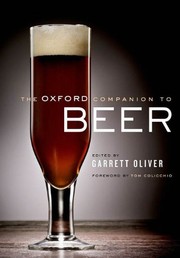
The definitive A-to-Z reference on beer styles, ingredients, and history; use it as a guided read through style families now that you have a tasting vocabulary.
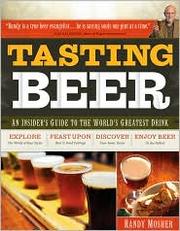
Covers every major style family with clear descriptions, flavor profiles, and history — the single most complete beginner-to-intermediate style guide in print.
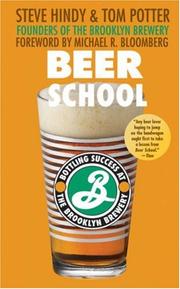
Grounds style knowledge in real-world brewery context, helping you understand why certain styles exist and how they evolved commercially.
Off-Flavors, Brewing Basics & the Science Behind Styles
IntermediateUnderstand the brewing processes — malt, hops, yeast, water — that define each style, and learn to identify off-flavors so you can evaluate beer with precision.
▸ Study plan for this stage
Pace: 8–10 weeks, ~25–30 pages/day (alternating between books: 2–3 weeks on Brewing Classic Styles, then 2–3 weeks on Yeast, then 2–3 weeks reviewing both with focused re-reads on complex sections)
- How malt selection (base malts, specialty malts, roast levels) directly shapes beer color, body, and flavor profile across different styles
- Hop chemistry: alpha acids, beta acids, and essential oils—and how timing of additions (bittering, flavor, aroma) creates the characteristic bitterness and aroma of each style
- Yeast strains as a primary style differentiator: how ale vs. lager yeast, fermentation temperature, and yeast characteristics (attenuation, flocculation, ester production) define style outcomes
- Water chemistry and mineral content: how sulfate, chloride, and pH affect hop perception, malt expression, and final beer character in different styles
- Off-flavor identification: diacetyl, acetaldehyde, phenolics, DMS, oxidation, and infection—their causes, prevention, and how to detect them in tasting
- The brewing process as an integrated system: how mashing, boiling, fermentation temperature, and conditioning work together to produce a specific style
- Style guidelines as a framework: understanding BJCP categories and how the four pillars (malt, hops, yeast, water) combine to define historical and modern beer styles
- How do different malt types (pale, crystal, roasted) contribute to the flavor, color, and mouthfeel of a beer, and which malts are essential to specific styles covered in Brewing Classic Styles?
- Explain the relationship between hop alpha acids, essential oils, and boil timing. Why would a pale ale use different hops or addition schedules than a pilsner?
- What are the key differences between ale and lager yeast strains, and how do fermentation temperature and yeast characteristics (attenuation, esters) shape the final beer in different styles?
- Describe three common off-flavors (e.g., diacetyl, acetaldehyde, DMS), their causes during brewing or fermentation, and how you would identify them in a tasting
- How do water mineral profiles (sulfate vs. chloride) influence hop perception and malt expression, and why might you adjust water chemistry for a specific style?
- Choose two beer styles from Brewing Classic Styles and explain how the combination of malt, hops, yeast, and water creates their distinct character
- Create a 'style profile sheet' for 5–6 beer styles from Brewing Classic Styles, documenting the malt bill, hop schedule, yeast strain, water profile, and expected flavor/aroma characteristics
- Conduct a blind tasting of 3–4 commercial beers from different styles (e.g., pale ale, pilsner, stout) and attempt to identify off-flavors, hop character, and malt-driven flavors; compare your notes to published tasting profiles
- Brew or observe a batch of beer (if possible) and track fermentation temperature, yeast behavior, and timeline; correlate observations to concepts in Yeast (attenuation, flocculation, ester production)
- Perform a 'hop comparison tasting': sample IPAs or pale ales brewed with different hop varieties and boil schedules, and note how alpha acids, essential oils, and timing affect bitterness and aroma
- Write a 2–3 page analysis of a specific beer style (e.g., German Pilsner, English Brown Ale) explaining how malt, hops, yeast, and water combine to define it; reference specific recipes or guidance from Brewing Classic Styles
- Create a troubleshooting guide: list 5–6 off-flavors, their causes, and prevention strategies based on Yeast and Brewing Classic Styles; include tasting notes or references to help identify each
Next up: This stage equips you with the scientific and technical foundation to understand why beers taste the way they do, preparing you to advance to recipe formulation, water chemistry adjustments, and advanced fermentation control in the next stage.

Walks through BJCP style guidelines with recipes and process notes, revealing exactly which brewing decisions create each style's signature character.
A deep dive into hops — the ingredient most responsible for differentiating style families — building crucial technical intuition for IPAs, lagers, and beyond.

Demystifies yeast's role in creating the flavor profiles of ales, lagers, Belgians, and sours, and explains how fermentation faults and off-flavors arise.
Mastery: Pairing Beer with Food
ExpertApply deep style knowledge at the table — pairing beer with food using principles of complement, contrast, and cut — and communicate those pairings with authority.
▸ Study plan for this stage
Pace: 6–8 weeks, ~40–50 pages/day, with 2–3 tasting sessions per week
- The three core pairing principles: complement (matching intensity and flavor families), contrast (cutting richness, balancing heat), and cut (using carbonation and bitterness to cleanse the palate)
- How beer's core components—bitterness (IBUs), sweetness, body, carbonation, and alcohol—interact with food flavors and textures
- The flavor and structural profiles of major beer styles (IPAs, stouts, lagers, sours, etc.) and their specific food affinities
- Sensory evaluation techniques: tasting beer and food together to identify synergies and conflicts before making pairing recommendations
- The role of fermentation byproducts and yeast character in creating unexpected pairing opportunities
- How to communicate pairing logic clearly to others—articulating why a beer works with a dish, not just that it does
- Regional and cultural pairing traditions: how breweries and cuisines have evolved together historically
- What are the three core principles of beer and food pairing, and how do you apply each one in practice?
- How do the bitterness, sweetness, body, and carbonation of a beer affect its pairing potential with different foods?
- Given a specific dish (e.g., spicy curry, rich steak, delicate fish), how would you select a beer style and explain your reasoning using complement, contrast, or cut?
- What are the key flavor and structural characteristics of at least five major beer styles, and which foods naturally align with each?
- How do you conduct a structured tasting to evaluate whether a beer-and-food pairing works, and what sensory cues indicate success or failure?
- How would you explain a beer-and-food pairing recommendation to a customer or dinner guest in a way that demonstrates authority and understanding?
- Conduct blind tastings of 3–4 beer styles (e.g., IPA, stout, pilsner, sour) and document their flavor profiles, body, carbonation, and bitterness; then predict which foods would pair well before tasting
- Pair each of the major beer styles covered in the books with at least two dishes (one complementary, one contrasting); taste and evaluate each pairing, noting which principle drove the success or failure
- Host a structured tasting dinner for 4–6 people where you select beers and dishes, explain each pairing using the three principles, and gather feedback on how well the pairings worked
- Create a pairing guide for a specific cuisine (e.g., Indian, Mexican, Italian, Thai) that includes at least 5–6 beer-and-dish combinations with written justifications for each
- Taste a beer and a dish separately, then together, and write a detailed sensory analysis of how they interact—noting which flavors amplify, which clash, and how carbonation or bitterness affects the palate
- Practice 'reverse pairing': select a challenging dish (e.g., spicy, acidic, or heavily seasoned) and systematically test different beer styles to find the best match, documenting your reasoning
Next up: This stage equips you to pair beer with food at a professional or expert-host level; the next stage will likely deepen your ability to innovate beyond established pairings—creating unexpected combinations, understanding the chemistry of flavor interactions at a molecular level, or developing pairing menus for specific events or venues.
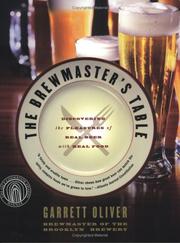
The canonical text on beer and food pairing, written by a brewmaster; it synthesizes style knowledge into practical pairing principles organized by style family.

A modern, visually rich pairing guide that reinforces Oliver's principles with contemporary recipes and style pairings, cementing mastery through practical application.
Discussion
Keep reading
Paths that share books, cover the same subject, or open a related topic.