Mead Making: The Best Books to Brew Honey Wine at Home
This curriculum is designed for the intermediate home brewer who already understands basic fermentation concepts and wants to master mead making — from honey selection and yeast management to advanced styles like melomels, metheglins, and beyond. The four stages move from solidifying core mead-specific knowledge, through recipe-driven practice, into the science and troubleshooting that separates good mead from great mead.
Mead Foundations (Intermediate Entry)
IntermediateBuild a confident, mead-specific vocabulary and workflow: honey varieties, must preparation, yeast selection, nutrient additions (TOSNA/staggered), and basic troubleshooting for stuck fermentations.
▸ Study plan for this stage
Pace: 4–5 weeks, ~25–30 pages/day, with 2–3 days per week dedicated to practical exercises and note-taking
- Honey varieties and their flavor/fermentation profiles (wildflower, clover, orange blossom, etc.) and how to select honey for different mead styles
- Must preparation: water chemistry, pH adjustment, and sanitization protocols to establish a stable fermentation environment
- Yeast selection criteria: strain characteristics, alcohol tolerance, temperature ranges, and flavor contributions for different mead types
- Nutrient management using TOSNA (Total Oxidative Stress Nutrient Addition) and staggered nutrient additions to prevent stuck fermentations
- Fermentation monitoring: gravity readings, temperature control, and recognizing signs of stalled or stuck fermentations
- Troubleshooting stuck fermentations: diagnosis, intervention strategies, and prevention through proper nutrient planning
- Mead-specific vocabulary: must, specific gravity, nutrient requirements, yeast health, and fermentation phases
- Basic workflow from ingredient selection through primary fermentation setup
- What are the key differences between wildflower, clover, and varietal honeys, and how do these differences affect fermentation and final flavor?
- Describe the TOSNA protocol: when are nutrients added, what nutrients are used, and why staggered additions prevent stuck fermentations better than single additions?
- How do you select an appropriate yeast strain for a specific mead style, and what factors (alcohol tolerance, temperature, flavor profile) should guide your choice?
- What steps should you take to prepare your must, and why is water chemistry and pH important before fermentation begins?
- How do you recognize a stuck fermentation, and what are the first diagnostic steps and intervention strategies you would attempt?
- What is the relationship between yeast health, nutrient availability, and fermentation completion in mead-making?
- Create a reference chart comparing 5–6 honey varieties (color, flavor notes, fermentation characteristics) based on Acton's descriptions; use this to plan a mead recipe
- Prepare a must for a test batch: measure water, adjust pH if needed, calculate and add nutrients using TOSNA principles, and document your process
- Select three different yeast strains and write a comparison sheet covering alcohol tolerance, temperature range, flavor contributions, and ideal mead styles for each
- Practice taking and interpreting hydrometer readings: measure specific gravity at multiple points during a fermentation and calculate potential alcohol and fermentation progress
- Brew a small experimental batch (1–2 gallons) following Acton's basic protocol, tracking temperature and gravity daily to observe fermentation progression
- Develop a troubleshooting decision tree: map out symptoms of a stuck fermentation and the diagnostic/intervention steps you would take at each branch
Next up: This stage equips you with the foundational knowledge and hands-on confidence to execute reliable fermentations, preparing you to advance to recipe development, aging strategies, and advanced techniques that build on this solid technical base.
A concise, practical companion that reinforces core techniques — must preparation, gravity management, and clarification — with a British winemaking perspective that broadens your toolkit before moving into more complex styles.
Recipes, Styles & Fruit Meads
IntermediateExpand into the full spectrum of mead styles — melomels, metheglins, cysers, and braggots — using structured recipes to practice ingredient ratios, fruit additions, and flavoring techniques.
▸ Study plan for this stage
Pace: 4–5 weeks, ~40–50 pages/day. Start with Schramm's foundational chapters on fruit meads and variations (weeks 1–2), then transition to Minnick's style-focused sections and recipe applications (weeks 3–5), allowing time for recipe analysis and planning between reading sessions.
- Melomel fundamentals: fruit selection, juice vs. whole fruit additions, timing of fruit additions, and how fruit chemistry affects fermentation and final flavor
- Metheglin construction: spice selection, spice ratios, integration timing, and balancing spice intensity without overpowering base mead character
- Cyser and braggot distinctions: how apple juice/cider and grain adjuncts modify mead base, fermentation profiles, and flavor complexity compared to traditional meads
- Ingredient ratio scaling: converting recipes across batch sizes, adjusting honey-to-water ratios for different fruit and adjunct additions, and compensating for sugar contributions from secondary ingredients
- Fermentation management across styles: how fruit, spices, and adjuncts alter yeast behavior, nutrient requirements, temperature control, and aging timelines
- Flavor development and integration: layering complementary ingredients, managing tannins from fruit and spices, and understanding how aging affects mead character across different styles
- Recipe structure and documentation: reading, analyzing, and adapting published recipes; understanding ingredient lists, process notes, and expected outcomes from Schramm and Minnick's examples
- What are the key differences between adding fruit juice versus whole fruit to a mead, and when would you choose each method based on desired flavor profile?
- How do you calculate and adjust honey-to-water ratios when adding fruit, spices, or grain adjuncts, and what sugar contributions must you account for?
- Describe the fermentation and aging timeline for a melomel versus a metheglin—what challenges does each style present, and how do you manage them?
- What defines a cyser and a braggot, and how do their ingredient bases and fermentation characteristics differ from traditional meads and from each other?
- Given a published recipe from Schramm or Minnick, how would you evaluate its ingredient ratios, process steps, and expected flavor outcome, and what adjustments might you make for your own batch?
- How do tannins, acidity, and alcohol interact across different mead styles, and what role do fruit and spices play in balancing these elements?
- Analyze 3–4 melomel recipes from Schramm's 'The Compleat Meadmaker': map out fruit types, addition timing, honey ratios, and expected fermentation duration; identify patterns in successful recipes
- Create a metheglin recipe from scratch using Schramm's spice guidelines: select 3–5 complementary spices, determine ratios based on intensity and style, and document your reasoning for each choice
- Compare a cyser and a braggot recipe side-by-side (from either book): chart ingredient lists, fermentation profiles, and aging notes; write a short analysis of how apple juice and grain adjuncts change the mead base differently
- Scale a 1-gallon recipe from Minnick or Schramm up to 5 gallons: recalculate all ingredient quantities, adjust honey-to-water ratios for fruit/adjunct additions, and verify nutrient and yeast pitch rates
- Conduct a fruit-addition timing experiment plan: design a hypothetical split batch (same base mead, different fruit-addition points) using guidance from Schramm; document expected differences in flavor extraction and fermentation
- Create a personal recipe notebook entry for one mead style: document a chosen recipe, annotate it with your understanding of why each ingredient and step matters, and note what you would adjust on a second batch
Next up: This stage equips you with the structured knowledge and hands-on recipe experience to confidently execute diverse mead styles, preparing you to move into advanced topics such as wild fermentation, experimental adjuncts, and troubleshooting fermentation challenges across complex recipes.
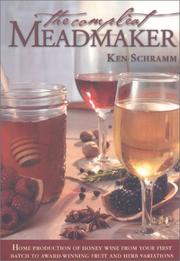
Schramm's recipe-rich follow-up dives deep into melomels and specialty meads; reading it after his foundational work lets you apply established principles directly to fruit and spice-forward styles.

Provides cultural and historical context for mead styles worldwide, helping you understand why certain ingredient combinations exist and inspiring creative recipe development grounded in tradition.
Fermentation Science & Process Control
ExpertUnderstand the underlying microbiology, chemistry, and process variables — pH, nutrients, oxygen, temperature — so you can diagnose problems, prevent off-flavors, and consistently reproduce excellent results.
▸ Study plan for this stage
Pace: 8–10 weeks, ~40–50 pages/day. Start with "Yeast" (weeks 1–5, ~250 pages), then move to "The Art of Fermentation" (weeks 6–10, ~300 pages). Allocate 1–2 days per week for hands-on lab work and mead trials.
- Yeast biology: strain selection, life cycle, metabolism pathways (aerobic vs. anaerobic), and how yeast behavior drives flavor and fermentation speed
- Nutrient requirements: nitrogen sources, vitamins, minerals, and how deficiencies cause stuck fermentations or off-flavors
- pH dynamics: how pH shifts during fermentation, optimal ranges for yeast health and mead quality, and pH measurement/adjustment techniques
- Oxygen management: the role of aeration in lag phase, yeast reproduction, and why anaerobic conditions are critical post-lag to prevent oxidation
- Temperature control: how temperature affects yeast metabolism, fermentation rate, ester/phenol production, and dormancy
- Microbial contamination: identifying wild yeast and bacterial spoilage, sanitation protocols, and sulfite use as a preventive tool
- Fermentation troubleshooting: diagnosing stuck ferments, off-flavors (acetaldehyde, sulfur compounds), and recovery strategies
- Fermentation as a living system: understanding fermentation as a dynamic ecosystem where microbial succession, competition, and environmental conditions shape outcomes
- What are the key differences between ale and lager yeast metabolism, and how would you choose a strain for a specific mead style?
- Why is nitrogen (in the form of amino acids and ammonia) critical during the lag phase, and what happens if a mead is nitrogen-starved?
- How does pH change during fermentation, and what is the optimal pH range for mead fermentation? How would you measure and adjust it?
- Explain the role of oxygen in yeast reproduction and why aeration timing matters—when should you aerate, and when should you stop?
- How does temperature affect yeast metabolism and fermentation byproduct profiles? What temperature range would you use for a clean vs. fruity mead?
- What are the signs of a stuck fermentation, and what troubleshooting steps would you take based on the underlying cause (nutrient deficiency, temperature, pH, contamination)?
- How do wild yeasts and bacteria spoil mead, and what sanitation and chemical (sulfite) strategies prevent contamination?
- Yeast strain comparison: Pitch two different strains (e.g., Lalvin D47 vs. EC-1118) into identical honey-water solutions and track fermentation speed, final gravity, and flavor profile over 4–6 weeks. Record temperature, gravity, and tasting notes weekly.
- Nutrient titration experiment: Make three small-batch meads with identical honey and yeast but varying nutrient additions (none, minimal, optimal per White's guidelines). Observe lag phase duration, fermentation vigor, and final flavor to understand nutrient impact.
- pH monitoring and adjustment: Measure pH daily during a mead fermentation, plot the curve, and practice adjusting pH with acid or base. Compare a pH-controlled batch to an uncontrolled one.
- Aeration protocol test: Ferment two identical batches—one with aggressive aeration for 48 hours, one with minimal aeration—and measure yeast cell count, fermentation rate, and oxidation markers to understand oxygen's role.
- Temperature stress trial: Ferment identical meads at three different temperatures (e.g., 60°F, 70°F, 80°F) and evaluate fermentation timeline, ester production, and off-flavor development.
- Sanitation and contamination challenge: Deliberately inoculate a small mead with wild yeast or bacteria (or use a known contaminated honey), observe spoilage signs, and test sulfite as a preventive in a parallel batch.
Next up: Mastering fermentation science and process control equips you to move into advanced mead design—blending ingredients, managing complex fermentations with multiple yeast strains, and creating meads with intentional flavor profiles and aging strategies.

Though beer-focused, this is the definitive accessible text on yeast physiology, health, and management; the principles of nutrient requirements, stress responses, and off-flavor production transfer directly and critically to mead fermentation.

Broadens your fermentation intuition with a deep, holistic view of microbial ecosystems and wild fermentation — essential context for understanding what is happening in your mead at a biological level and for experimenting with wild or raw-honey meads.
Mastery: Sensory Evaluation, Refinement & Competition
ExpertDevelop a trained palate, learn to evaluate and correct finished mead, understand blending and aging strategies, and produce meads that meet competition-level standards.
▸ Study plan for this stage
Pace: 4–5 weeks, ~25–30 pages/day with daily sensory practice sessions
- Sensory perception fundamentals: how taste, smell, and mouthfeel work together to evaluate beverages
- Flavor wheel methodology and structured tasting vocabulary for consistent evaluation
- Off-flavor identification and diagnosis (oxidation, infection, sulfur compounds, etc.)
- Mead-specific sensory attributes: honey character, fermentation byproducts, aging effects, and balance
- Comparative tasting techniques and how to calibrate your palate against reference standards
- Sensory bias recognition and how to conduct blind tastings to avoid subjective distortion
- Translating sensory observations into actionable corrections and refinement strategies
- What are the primary sensory pathways (orthonasal vs. retronasal olfaction) and how do they contribute to flavor perception in mead?
- How do you construct and use a flavor wheel to describe mead characteristics consistently and communicate with other makers?
- What are the most common off-flavors in mead, what causes them, and how can you distinguish them in a blind tasting?
- How does honey variety, fermentation temperature, and aging time manifest in the sensory profile of finished mead?
- What is the role of reference standards in calibrating your palate, and how do you conduct a valid blind tasting?
- How do you identify and mitigate sensory bias (expectation bias, anchoring, fatigue) in your own evaluations?
- Conduct daily sensory warm-ups: smell and taste 5–7 reference samples (honey varietals, fermented beverages, pure flavor compounds) to train olfactory memory and establish baseline palate sensitivity
- Build a personal flavor wheel for mead: create a written/visual reference of 30–40 descriptors you can reliably identify, organized by category (floral, fruity, spicy, earthy, etc.)
- Perform 3–4 structured blind tastings of your own meads or commercial reference samples, documenting observations in a standardized tasting sheet before revealing identities
- Taste and evaluate 2–3 meads with known off-flavors (oxidized, infected, or over-sulfited examples if available) and practice diagnosing the sensory root cause
- Conduct a comparative tasting: evaluate the same mead style (e.g., traditional dry) across 3–4 different honey sources or fermentation conditions to understand how variables affect sensory outcome
- Keep a sensory journal for 4 weeks: log daily tasting notes on your own mead samples, recording changes over time and correlating observations with production decisions
Next up: This stage equips you with the trained palate and diagnostic vocabulary needed to evaluate mead quality objectively, setting the foundation for the next stage where you'll apply these skills to strategic blending, advanced aging techniques, and competition preparation.

The best accessible guide to structured sensory evaluation and off-flavor identification; applying its tasting framework to mead sharpens your ability to diagnose faults and articulate what a finished mead needs.
Discussion
Keep reading
Paths that share books, cover the same subject, or open a related topic.