The Best Books on Managing Arthritis, in Order
This curriculum moves from understanding what arthritis is and how it feels, to actively managing it through lifestyle, diet, and movement, and finally to deeper clinical and integrative knowledge for long-term self-advocacy alongside a medical team. Each stage builds the vocabulary and confidence needed for the next, so no prior medical knowledge is assumed at the start.
Foundations: Understanding Arthritis
BeginnerUnderstand what osteoarthritis and rheumatoid arthritis are, how they differ, what drives inflammation and joint damage, and how to have productive conversations with your doctor.
▸ Study plan for this stage
Pace: 4–5 weeks, ~25–30 pages/day, with 2–3 days per week for reflection and exercises
- Osteoarthritis as a degenerative joint disease: cartilage breakdown, bone changes, and the role of wear-and-tear versus systemic factors
- The difference between osteoarthritis and rheumatoid arthritis: inflammatory mechanisms, onset patterns, and affected populations
- Inflammation and joint damage: how inflammatory cytokines, immune response, and mechanical stress contribute to OA progression
- Risk factors for osteoarthritis: age, genetics, obesity, previous injury, occupation, and lifestyle factors
- The biopsychosocial model of arthritis: how physical, emotional, and social factors interact in disease experience and management
- Effective communication with healthcare providers: preparing for appointments, asking clarifying questions, and advocating for your needs
- The role of early intervention and lifestyle modification in slowing OA progression and improving quality of life
- What is osteoarthritis and what happens to the joint at a structural level? How does it differ from rheumatoid arthritis?
- What are the main risk factors for developing osteoarthritis, and which ones can you modify through lifestyle choices?
- How does inflammation contribute to joint damage in arthritis, and what role do immune and mechanical factors play?
- What questions should you ask your doctor to better understand your diagnosis, treatment options, and prognosis?
- How do physical, emotional, and social factors interact to affect your experience living with osteoarthritis?
- What are the key lifestyle modifications recommended in the Foundation's guide, and how do they help slow disease progression?
- Create a visual diagram or concept map showing the structural changes in an osteoarthritic joint versus a healthy joint, labeling cartilage, bone, synovial fluid, and inflammation markers
- Write a one-page comparison table contrasting osteoarthritis and rheumatoid arthritis across onset, joint pattern, inflammatory markers, and typical age of diagnosis
- Prepare a list of 8–10 specific questions to ask your doctor at your next appointment, organized by category (diagnosis, prognosis, treatment options, lifestyle)
- Document your current risk factors for osteoarthritis and identify 2–3 modifiable factors you can address; create a simple action plan for each
- Keep a 1-week symptom and activity journal noting joint pain, stiffness, activities that worsen or improve symptoms, and emotional responses—then reflect on patterns
- Role-play or write out a conversation with your doctor where you advocate for a specific concern or ask for clarification on a treatment recommendation
Next up: This foundation in understanding osteoarthritis's mechanisms, risk factors, and the importance of doctor communication prepares you to move into practical management strategies—such as exercise, nutrition, pain management, and self-care techniques—that directly slow progression and improve daily function.

Published by the leading U.S. patient advocacy organization, this is the clearest plain-language primer on OA—covering diagnosis, symptoms, and the full range of treatment options. Read it first to build core vocabulary.
A focused companion guide specifically on RA—its autoimmune mechanisms, disease-modifying drugs, and monitoring—so the reader understands how RA differs fundamentally from OA before diving into management strategies.
Movement & Physical Therapy
BeginnerLearn safe, evidence-based exercise and movement strategies that reduce pain, protect joints, and rebuild strength and flexibility for both OA and RA.
▸ Study plan for this stage
Pace: 4–5 weeks, ~25–30 pages/day, with 2–3 rest days per week for practice integration
- Safe joint mechanics and body alignment principles for arthritis management
- Yoga-based movement sequences designed specifically for OA and RA pain reduction
- Progressive strength-building exercises that protect vulnerable joints while rebuilding capacity
- Flexibility and range-of-motion work tailored to arthritic limitations
- How to modify movements based on pain levels and individual joint restrictions
- The role of consistency and gradual progression in physical therapy outcomes
- Breathing, mindfulness, and body awareness as pain-management tools during movement
- What are the key principles of safe alignment and joint protection when performing exercises for arthritis?
- How do the yoga sequences in Fishman's work differ for OA versus RA, and why are these distinctions important?
- What progression strategy does Allan recommend for building strength without aggravating arthritic joints?
- How should you modify or stop an exercise if you experience pain during movement?
- What role does flexibility training play in reducing arthritis symptoms, and how does it complement strength work?
- How can breathing and mindfulness enhance the effectiveness of physical therapy for arthritis?
- Practice 3–4 foundational yoga poses from Fishman's beginner sequences daily, focusing on alignment cues and joint safety
- Perform one full-body gentle movement routine from either book 3–4 times per week, documenting any pain changes
- Hold and breathe through 5–6 flexibility stretches targeting major joints (hips, knees, shoulders, wrists) for 2–3 minutes each, 5 days/week
- Complete a progressive strength circuit (e.g., modified wall push-ups, seated leg lifts, arm circles) twice weekly, increasing reps by 1–2 every week
- Record your pain level (0–10 scale) before and after each practice session for 2 weeks to identify which movements help most
- Teach one yoga pose or movement from the books to a friend or family member, explaining the joint-protection principles behind it
Next up: This stage equips you with practical, evidence-based movement tools and body awareness to manage arthritis symptoms; the next stage will likely build on this foundation by integrating nutrition, medication management, and lifestyle strategies to create a comprehensive, multi-faceted approach to long-term arthritis relief.

Written by a physician and yoga teacher, this book offers a medically grounded, joint-safe yoga program with clear modifications—ideal for beginners who need to move but fear making pain worse.

Bridges lifestyle and movement by sharing a research-backed personal recovery story, reinforcing why consistent gentle activity is non-negotiable and motivating readers to commit to a movement habit.
Diet & Inflammation
IntermediateUnderstand the science of dietary inflammation and apply anti-inflammatory eating patterns that have the strongest evidence for reducing arthritis symptoms.
▸ Study plan for this stage
Pace: 4-5 weeks, ~25-30 pages/day, with 2-3 days per week dedicated to recipe testing and meal planning
- The inflammatory cascade: how certain foods trigger pro-inflammatory cytokines and how others suppress them
- The omega-3 to omega-6 ratio and its critical role in arthritis symptom management
- Specific food categories to eliminate or minimize: refined carbohydrates, trans fats, nightshade vegetables (for sensitive individuals), and processed foods
- Anti-inflammatory superfoods and their bioactive compounds: fatty fish, leafy greens, berries, nuts, seeds, and spices like turmeric and ginger
- The gut-inflammation connection: how digestive health influences systemic inflammation and joint pain
- Practical meal planning and substitution strategies for transitioning to an anti-inflammatory diet without feeling deprived
- Reading food labels and identifying hidden inflammatory ingredients in commercial products
- Individual variation: how to identify your personal inflammatory triggers through elimination and reintroduction
- What is the mechanism by which omega-3 fatty acids reduce inflammation compared to omega-6 fatty acids, and what is the optimal ratio for arthritis management?
- Which food categories does Black identify as most inflammatory for arthritis sufferers, and what are the evidence-based alternatives?
- How do refined carbohydrates and processed foods contribute to systemic inflammation, and what specific compounds should you avoid?
- What role does gut health play in the inflammation-arthritis connection, and how can dietary choices support digestive healing?
- How do you identify your personal inflammatory food triggers, and what is the systematic approach to elimination and reintroduction?
- What are the key anti-inflammatory spices and herbs discussed in the book, and what are their active compounds?
- Complete a 7-day food and symptom journal: track everything you eat and rate your arthritis pain/stiffness daily to establish a baseline and identify patterns
- Perform a pantry audit: identify and list all processed foods, oils, and ingredients in your kitchen that Black categorizes as inflammatory, then research healthier substitutes
- Plan and prepare 3 recipes from Black's recipe section, focusing on different meal types (breakfast, lunch, dinner), noting preparation time and ingredient sourcing
- Create a personalized anti-inflammatory shopping list based on Black's guidelines, organized by food category, and use it for one full week of grocery shopping
- Conduct a 2-week elimination diet removing the top inflammatory foods Black identifies, then systematically reintroduce one food every 3 days while tracking symptoms
- Research and compare omega-3 content across different fish species and plant-based sources; create a weekly meal plan that achieves Black's recommended omega-3 to omega-6 ratio
Next up: This stage establishes the dietary foundation for managing inflammation, preparing you to layer in more advanced strategies such as targeted supplementation, meal timing optimization, and personalized nutritional protocols in the next stage.

Extends the dietary framework into everyday cooking with recipes and a deeper look at specific anti-inflammatory foods, making the principles from the previous book immediately actionable in the kitchen.
Integrative & Mind-Body Management
IntermediateAdd evidence-based integrative tools—stress reduction, sleep, supplements, and pain psychology—to build a comprehensive self-management plan that works alongside medical treatment.
▸ Study plan for this stage
Pace: 4–5 weeks, ~25–30 pages/day (approximately 150–160 pages total across both books)
- Mindfulness-based pain management: how present-moment awareness and non-judgmental observation reduce the emotional and cognitive amplification of pain signals
- The pain neuromatrix model: understanding how the brain constructs the pain experience through sensory, emotional, and cognitive pathways, and how mindfulness interrupts this cycle
- Stress, sleep, and inflammation: the bidirectional relationship between psychological stress, poor sleep quality, and arthritis flare-ups
- Somatic awareness and body scanning: practical techniques to notice tension patterns, distinguish between pain sensation and suffering, and develop compassionate self-awareness
- Integrating supplements and lifestyle factors: evidence-based guidance on anti-inflammatory nutrition, joint-supporting supplements, and movement practices that complement medical treatment
- Pain psychology and acceptance: shifting from pain elimination as the sole goal to building a meaningful life despite chronic pain through acceptance and commitment strategies
- Personalized self-management planning: synthesizing mindfulness, sleep hygiene, nutrition, and medical care into a coherent, sustainable daily routine
- How does mindfulness-based pain management differ from distraction or positive thinking, and why does non-judgmental awareness of pain sensations reduce suffering?
- What is the pain neuromatrix, and how do emotional and cognitive factors influence the intensity and persistence of arthritis pain?
- How do chronic stress and poor sleep quality perpetuate inflammation and arthritis symptoms, and what are evidence-based strategies to interrupt this cycle?
- What is the difference between pain sensation and suffering, and how can body scanning and somatic awareness help you manage this distinction in daily life?
- Which supplements and dietary approaches have evidence for reducing arthritis inflammation, and how should they be integrated with medical treatment?
- How can acceptance-based approaches to chronic pain lead to better quality of life and functional outcomes than pain-elimination-focused strategies?
- Complete a 10-minute body scan meditation daily for 2 weeks, noting which joints or areas hold tension and how awareness itself changes your relationship to discomfort
- Keep a pain and mood journal for 1 week, tracking pain intensity, stress level, sleep quality, and any supplements or foods consumed to identify personal triggers and patterns
- Practice the 'STOP' technique (Stop, Take a breath, Observe, Proceed) when you notice pain escalating, and record how this interrupts the automatic pain-stress-tension cycle
- Design a personalized sleep hygiene protocol based on Sobel's guidance, implement it for 2 weeks, and measure changes in morning stiffness and daytime pain levels
- Research and trial one evidence-based supplement (e.g., omega-3, curcumin, or glucosamine) under medical guidance, documenting baseline pain levels and any changes over 4 weeks
- Create a written 'pain acceptance statement' that acknowledges your arthritis while affirming values and activities you want to pursue despite pain, and review it weekly
Next up: This stage equips you with psychological resilience, lifestyle optimization, and evidence-based complementary tools that form the foundation for the next stage—whether that involves advanced medical options, specialized movement therapies, or long-term sustainability strategies—by establishing a mindset and daily practice that actively supports healing rather than passively waiting for treatment.
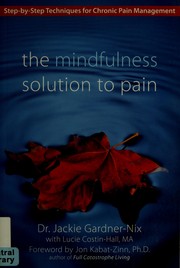
Introduces mindfulness-based stress reduction (MBSR) adapted specifically for chronic pain conditions including arthritis, giving readers powerful mental tools to change their relationship with pain.

A well-researched consumer guide that synthesizes clinical evidence on exercise, supplements, and complementary therapies, helping readers critically evaluate options and integrate them safely with their doctor's plan.
Advanced: Clinical Depth & Long-Term Advocacy
ExpertDevelop a sophisticated understanding of arthritis treatment science—biologics, disease progression, research frontiers—so you can be a fully informed partner in your own long-term care.
▸ Study plan for this stage
Pace: 6–8 weeks, ~40–50 pages/day (approximately 280–350 pages per book, with time for reflection and note-taking)
- The immunological mechanisms underlying rheumatoid arthritis: how the immune system attacks joint tissue and the cascade of inflammatory responses that drive disease progression
- Biologic therapies and targeted DMARDs: how TNF inhibitors, IL-6 inhibitors, JAK inhibitors, and B-cell therapies work at the molecular level to interrupt disease pathways
- The gut microbiome and intestinal permeability ('leaky gut') as root causes of autoimmune activation and how dietary interventions can restore immune tolerance
- The 4Rs protocol (Remove, Restore, Repair, Rebalance): a systematic framework for addressing underlying causes rather than just managing symptoms
- Disease progression patterns, remission criteria, and how early aggressive treatment prevents irreversible joint damage and disability
- Integration of conventional rheumatology with functional medicine approaches: when to use biologics, when to prioritize lifestyle, and how to combine both for optimal outcomes
- Personalized medicine: genetic predisposition (HLA-DR, shared epitope), environmental triggers, and stress as modifiable factors in disease management
- Long-term monitoring, side effects of advanced therapies, and strategies for sustainable self-advocacy within the healthcare system
- Explain the pathophysiology of rheumatoid arthritis: how does the immune system recognize joint tissue as foreign, and what is the role of TNF-alpha, IL-6, and B cells in perpetuating inflammation?
- Compare and contrast the mechanisms of action of at least three classes of biologic therapies (e.g., TNF inhibitors, IL-6 inhibitors, JAK inhibitors). When would a rheumatologist choose one over another?
- What is the 'leaky gut' hypothesis, and how does intestinal permeability contribute to autoimmune disease? What dietary and lifestyle changes can restore intestinal barrier function?
- Describe the 4Rs protocol and explain how each phase (Remove, Restore, Repair, Rebalance) addresses root causes of autoimmunity rather than just suppressing symptoms.
- What does 'remission' mean in rheumatoid arthritis, and why is early aggressive treatment critical for preventing irreversible joint damage?
- How do genetic factors (HLA-DR, shared epitope), environmental triggers, and stress interact to determine disease onset and severity? What can you control?
- Create a detailed flowchart mapping the inflammatory cascade in RA: starting from immune activation, through TNF/IL-6 signaling, to joint destruction. Annotate where each major drug class intervenes.
- Research and document your own biologic therapy (or one you're considering): mechanism of action, efficacy data, side effect profile, monitoring requirements, and cost. Present findings as a one-page patient summary.
- Conduct a personal dietary audit for 1 week, tracking foods that may trigger inflammation or damage gut integrity (refined carbs, processed foods, potential food sensitivities). Redesign 3 meals using the Remove/Restore principles from Myers.
- Interview your rheumatologist or gastroenterologist about your individual genetic risk factors, HLA status, and environmental triggers. Document their answers and create a personalized disease-risk profile.
- Design a 12-week 'Repair & Rebalance' protocol for yourself: specify supplements (e.g., L-glutamine, bone broth, probiotics), stress-reduction practices, sleep targets, and exercise modifications. Include measurable endpoints (e.g., CRP levels, symptom scores).
- Write a detailed 'Patient Advocacy Brief' for your healthcare team: summarize your understanding of your disease, your treatment goals, and your preferred approach (conventional, functional, or integrated). Use evidence from both books to justify your position.
Next up: This stage equips you with the scientific literacy and self-advocacy skills to navigate advanced treatment decisions independently, positioning you to engage with emerging research, clinical trials, or specialized care pathways in subsequent stages of your arthritis management journey.

Written with rheumatologists, this is the most comprehensive patient-facing guide to RA treatment strategy, covering biologics, treat-to-target protocols, and shared decision-making—ideal for readers now ready for clinical depth.

Presents a functional-medicine perspective on autoimmune-driven arthritis (RA, psoriatic), synthesizing gut health, environmental triggers, and lifestyle into a systems-level view that complements conventional rheumatology care.
Discussion
Keep reading
Paths that share books, cover the same subject, or open a related topic.