Understanding Thyroid Health: The Best Books on Hypothyroidism and Hashimoto's
This curriculum takes a beginner from "what is the thyroid?" all the way to advanced functional and dietary strategies for managing hypothyroidism and Hashimoto's. Each stage builds on the last — starting with accessible patient-friendly overviews, moving into condition-specific deep dives, then tackling testing, medication, and finally root-cause nutrition and lifestyle protocols that complement conventional medical care.
Foundations: Understanding Your Thyroid
BeginnerGrasp how the thyroid works, what can go wrong, and the full landscape of symptoms, so you can have informed conversations with your doctor from day one.
▸ Study plan for this stage
Pace: 4–5 weeks, ~25–30 pages/day. "The Thyroid Connection" (approximately 300 pages) in weeks 1–2, then "Your Healthy Pregnancy with Thyroid Disease" (approximately 250 pages) in weeks 3–5, with 2–3 days built in for review and reflection.
- The thyroid's role in metabolism, energy, mood, and immune function: how it acts as the body's metabolic thermostat
- The HPT axis (hypothalamus-pituitary-thyroid) and how TSH, T3, and T4 work together to regulate thyroid function
- Root causes of thyroid dysfunction: autoimmunity (Hashimoto's, Graves'), inflammation, leaky gut, food sensitivities, and environmental triggers
- The full spectrum of thyroid symptoms across physical, cognitive, and emotional domains—beyond fatigue and weight gain
- Why conventional testing (TSH alone) often misses thyroid problems and what comprehensive testing looks like
- The critical link between thyroid health and pregnancy outcomes, fertility, and postpartum recovery
- How diet, gut health, stress, and lifestyle directly impact thyroid function and symptom management
- The importance of functional medicine approaches to thyroid care and advocating for yourself with healthcare providers
- Explain how the HPT axis works and why TSH alone is an incomplete picture of thyroid health.
- What are the main root causes of thyroid dysfunction discussed in 'The Thyroid Connection,' and how do they differ from conventional understanding?
- Describe the full range of thyroid symptoms—physical, cognitive, and emotional—that someone might experience before diagnosis.
- Why is thyroid health especially critical during pregnancy and postpartum, according to 'Your Healthy Pregnancy with Thyroid Disease'?
- What dietary and lifestyle changes does Amy Myers recommend to support thyroid function, and which ones apply to pregnant women?
- How would you prepare for a doctor's appointment to advocate for comprehensive thyroid testing and functional medicine approaches?
- Create a personal symptom inventory: list all symptoms you or a family member experience, then cross-reference them against the symptom checklists in both books to identify potential thyroid connections.
- Map your own HPT axis: draw and label the hypothalamus, pituitary, and thyroid, then write out how TSH, T3, and T4 communicate in your own words without looking at the book.
- Audit your current diet and lifestyle against Myers' recommendations: identify 3 foods to eliminate and 3 to add, plus 2 stress-reduction practices to implement.
- Write a one-page summary of your family's thyroid history (if known) and any autoimmune conditions; note which root causes from the books might apply to your situation.
- Prepare a thyroid health questionnaire for your next doctor's visit, including questions about comprehensive testing (free T3, free T4, antibodies) based on what you've learned.
- If applicable, create a pregnancy + thyroid health action plan using Trentini's book: outline preconception, prenatal, and postpartum monitoring and supplementation strategies.
Next up: This foundation equips you with the knowledge to recognize thyroid dysfunction, understand its root causes, and advocate effectively for comprehensive testing—preparing you to move into the next stage, which will likely deepen your understanding of specific conditions (Hashimoto's, Graves', etc.) and advanced treatment protocols.

A highly accessible, patient-friendly introduction that explains thyroid physiology, common conditions, and why so many people go undiagnosed. Perfect first read for a complete beginner.

Co-authored by a leading thyroid patient advocate, this book reinforces foundational symptom recognition and testing concepts in plain language, broadening the beginner's vocabulary before moving deeper.
Going Deeper: Hypothyroidism & Hashimoto's Explained
BeginnerUnderstand the specific mechanisms of hypothyroidism and Hashimoto's thyroiditis — including the autoimmune component — and learn what optimal (not just 'normal') lab results look like.
▸ Study plan for this stage
Pace: 6–8 weeks, ~25–35 pages/day (accounting for dense medical content and note-taking). Wentz's book first (3–4 weeks), then Barnes (2–3 weeks), with 1 week for integration and review.
- The autoimmune mechanism in Hashimoto's: how the immune system attacks thyroid peroxidase (TPO) and thyroglobulin, and the role of molecular mimicry and intestinal permeability
- Hypothyroidism pathophysiology: TSH, T4, T3, and reverse T3 dynamics; why TSH-only testing is insufficient
- Optimal vs. 'normal' lab ranges: understanding functional medicine reference ranges and why conventional 'normal' may mask subclinical dysfunction
- Root causes and triggers in Hashimoto's: infections, leaky gut, food sensitivities (gluten, dairy, soy), stress, and nutrient deficiencies (selenium, zinc, iron)
- Lifestyle interventions: dietary modifications, stress management, sleep optimization, and supplementation strategies specific to Hashimoto's
- Basal metabolic rate (BMR) assessment and the role of body temperature in diagnosing hypothyroidism (Barnes' approach)
- The gut-thyroid axis: how intestinal health, dysbiosis, and inflammation perpetuate autoimmune thyroid disease
- Medication considerations: T4-only vs. combination T4/T3 therapy, and when lifestyle alone is insufficient
- What is molecular mimicry, and how does it contribute to the autoimmune attack on the thyroid in Hashimoto's?
- Why is TSH alone an inadequate marker for thyroid health, and what additional labs (free T4, free T3, reverse T3, TPO, thyroglobulin antibodies) should be assessed?
- What are the functional medicine reference ranges for TSH, free T4, and free T3, and how do they differ from conventional 'normal' ranges?
- Describe three root causes of Hashimoto's that Wentz identifies, and explain the mechanism by which each triggers or perpetuates autoimmune thyroid disease.
- How does intestinal permeability ('leaky gut') contribute to Hashimoto's, and what dietary or lifestyle changes can help restore gut barrier function?
- What is basal body temperature, how did Barnes use it diagnostically, and what are its limitations compared to modern lab testing?
- Request your own thyroid labs (TSH, free T4, free T3, reverse T3, TPO antibodies, thyroglobulin antibodies) and plot them against both conventional and functional medicine reference ranges; write a one-page analysis of what your results reveal.
- Create a personal 'root cause inventory': identify which of Wentz's root causes (infections, leaky gut, food sensitivities, stress, nutrient deficiencies) are most relevant to you, and gather evidence (symptoms, past infections, dietary patterns, stress history).
- Design a 30-day elimination diet experiment removing gluten, dairy, and soy; track symptoms, energy, and digestion daily in a journal, then reintroduce each food individually and note reactions.
- Calculate your basal metabolic rate using Barnes' method (take underarm temperature first thing in morning for 3 days, average it); compare to modern BMR calculators and reflect on any discrepancies.
- Research one nutrient deficiency mentioned in Wentz (selenium, zinc, iron, or iodine): find your current levels via lab work or functional assessment, then design a 12-week supplementation or dietary protocol to optimize it.
- Interview a functional medicine practitioner or Hashimoto's health coach about their approach to root-cause diagnosis; compare their methodology to Wentz's framework and document key differences.
Next up: This stage equips you with the mechanistic understanding and lab literacy needed to move into the next stage—whether that's optimizing treatment protocols, exploring advanced testing (like intestinal permeability markers or pathogen screening), or learning how to work with practitioners to personalize your thyroid management plan.

The definitive patient-centered guide to Hashimoto's; Wentz (a pharmacist and patient herself) explains the autoimmune process, triggers, and a systematic approach to identifying your personal root causes.
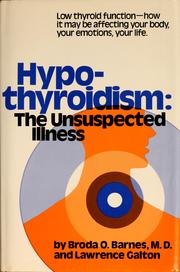
A classic foundational text that challenged mainstream TSH-only thinking; reading it here gives historical context and introduces the concept that symptoms and basal temperature matter alongside lab numbers.
Testing & Medication: Becoming Your Own Advocate
IntermediateDecode thyroid lab panels (TSH, Free T4, Free T3, reverse T3, antibodies), understand the differences between levothyroxine, T3, and desiccated thyroid, and learn how to work with — and push back on — your doctor.
▸ Study plan for this stage
Pace: 4–5 weeks, ~40–50 pages/day (approximately 250–300 pages total)
- TSH is not the complete picture: understanding why TSH alone is insufficient for thyroid diagnosis and why Free T4, Free T3, and Reverse T3 matter
- The functional vs. conventional reference range debate: how 'normal' TSH can mask hypothyroidism and why patient symptoms matter
- Levothyroxine monotherapy limitations: why T4-only treatment fails many patients and the case for combination therapy
- T3 therapy and desiccated thyroid: how these alternatives work, their benefits, and why conventional medicine often resists them
- Antibody testing (TPO, thyroglobulin): recognizing autoimmune thyroiditis and how it changes treatment strategy
- Patient advocacy skills: how to interpret your own labs, document symptoms, challenge doctor dismissal, and seek informed practitioners
- The role of Reverse T3: understanding why high Reverse T3 indicates blocked T3 conversion and requires different treatment approaches
- Why is TSH alone an inadequate marker for thyroid health, and what additional tests should a complete thyroid panel include?
- What is the difference between conventional reference ranges and functional reference ranges for TSH, and why does this matter for symptom resolution?
- How does levothyroxine work in the body, and what are the main reasons it fails to resolve symptoms in a significant portion of patients?
- What is Reverse T3, how is it produced, and what does elevated Reverse T3 tell you about your thyroid conversion and treatment needs?
- How do desiccated thyroid and T3-containing medications differ from levothyroxine, and what evidence does Bowthorpe present for their effectiveness?
- What are TPO and thyroglobulin antibodies, and how should their presence change your approach to thyroid treatment and lifestyle?
- How can you effectively advocate for yourself with a doctor who dismisses your symptoms or refuses to test beyond TSH?
- Obtain your own recent thyroid lab results (or use a sample panel from the book). Map each value (TSH, Free T4, Free T3, Reverse T3, TPO, thyroglobulin) against both conventional and functional reference ranges; note which values fall into the 'normal' conventional range but suggest dysfunction by functional standards.
- Create a symptom-to-lab correlation chart: list your top 10 hypothyroid symptoms and research which lab abnormalities (low Free T3, high Reverse T3, low Free T4, elevated antibodies) typically correlate with each; use Bowthorpe's case studies as reference.
- Write a one-page 'lab interpretation guide' for yourself summarizing what each test measures, optimal ranges per Bowthorpe, and red flags that warrant treatment changes.
- Role-play a doctor's appointment: write out a script for how you would present your symptoms and lab results to a skeptical doctor, including specific language for requesting T3 testing or combination therapy without being dismissed.
- Research and compare three different thyroid medications (levothyroxine, liothyronine/T3, and a desiccated thyroid product): create a table showing mechanism, typical dosing, pros/cons, and which patient profiles each suits best based on Bowthorpe's framework.
- Document your own symptom baseline: record 5–10 key symptoms (fatigue, brain fog, cold intolerance, etc.) with severity ratings (1–10) before any treatment change; this becomes your personal 'before' snapshot for evaluating future medication adjustments.
- Identify a thyroid-literate practitioner in your area (functional medicine MD, naturopath, or informed endocrinologist) and review their approach to testing and medication; compare their philosophy to Bowthorpe's recommendations.
Next up: This stage equips you to read your own lab data and negotiate treatment with informed practitioners, setting the foundation for the next stage's focus on optimizing dosing, managing conversion issues, and addressing the nutritional and lifestyle factors that determine whether medication actually works.

The go-to patient-advocacy resource on why T4-only treatment often fails and how to navigate the full range of thyroid hormones; builds directly on the lab vocabulary introduced in Stage 2.
Diet, Gut & Root Causes
IntermediateApply evidence-informed dietary and lifestyle strategies — including gluten-free, anti-inflammatory, and gut-healing protocols — that reduce autoimmune flares and support thyroid hormone conversion.
▸ Study plan for this stage
Pace: 6–8 weeks, ~40–50 pages/day (alternating between both books to build integrated understanding)
- The four pillars of Hashimoto's management: stress, sleep, diet, and infections/gut dysbiosis as root causes of autoimmune thyroid disease
- Leaky gut (intestinal permeability) as the gateway to autoimmune activation and how to identify and heal it
- Elimination diet protocols (gluten, dairy, soy, corn, sugar) and systematic reintroduction to identify personal triggers
- The role of gut dysbiosis in thyroid hormone conversion and how probiotics, prebiotics, and dietary fiber restore microbial balance
- Anti-inflammatory eating patterns: low-omega-6, adequate omega-3, nutrient-dense whole foods that support T4-to-T3 conversion
- Molecular mimicry and cross-reactivity: how food proteins (especially gluten) trigger antibodies against thyroid peroxidase (TPO) and thyroglobulin
- Functional medicine testing beyond TSH: TPO antibodies, thyroglobulin antibodies, free T3, free T4, and reverse T3 to guide dietary interventions
- Practical implementation: meal planning, label reading, dining out strategies, and building a sustainable anti-inflammatory lifestyle
- What are the four pillars of Hashimoto's protocol, and how does each one contribute to reducing autoimmune flares?
- Explain the mechanism of leaky gut and why it is considered a prerequisite for autoimmune thyroid disease to develop or worsen.
- What foods should be eliminated in an initial elimination diet, and what is the scientific rationale for removing each category?
- How does gut dysbiosis impair thyroid hormone conversion, and what dietary and probiotic strategies restore healthy microbiota?
- What is molecular mimicry, and how does gluten specifically trigger cross-reactive antibodies against thyroid tissue?
- How would you design a personalized reintroduction protocol after an elimination phase, and what symptoms or biomarkers would indicate a food trigger?
- What functional medicine tests go beyond TSH, and how do results guide dietary and supplemental interventions?
- Complete a 30-day strict elimination diet (removing gluten, dairy, soy, corn, refined sugar, and seed oils) while tracking energy, digestion, brain fog, and joint pain daily in a journal.
- Order functional medicine labs (TPO, thyroglobulin antibodies, free T3, free T4, reverse T3) before and after 8 weeks of dietary changes to measure antibody reduction and hormone optimization.
- Create a personalized meal plan for one week using anti-inflammatory, gut-healing recipes from both books; include macronutrient targets and omega-3:omega-6 ratios.
- Perform a systematic food reintroduction: introduce one eliminated food every 3–5 days, document any symptoms (bloating, fatigue, joint pain, brain fog), and decide whether to keep or remove it permanently.
- Audit your current pantry and grocery shopping list; identify hidden sources of gluten, seed oils, and inflammatory ingredients, then replace with approved alternatives.
- Design a 'dining out survival guide' for your top 3 restaurants or food environments (work, family gatherings, etc.) that lists safe meals and how to communicate dietary needs clearly.
Next up: This stage equips you with the dietary and lifestyle foundation to reduce autoimmune flares and optimize hormone conversion; the next stage will layer in targeted supplementation, stress management, and sleep protocols to address the remaining pillars of comprehensive thyroid restoration.

Wentz's follow-up to her first book; now that you understand the condition, this gives a structured 90-day protocol covering diet, supplements, and gut healing — a natural next step.

Broadens the dietary lens to the full autoimmune spectrum, explaining leaky gut, food sensitivities, and the Myers Way elimination diet — directly applicable to Hashimoto's management.
Advanced Integration: Functional & Holistic Mastery
ExpertSynthesize everything — hormones, adrenals, nutrients, stress, and environmental triggers — into a personalized, whole-systems approach that works alongside your medical team for long-term thyroid health.
▸ Study plan for this stage
Pace: 8–10 weeks, ~25–30 pages/day (mix of reading and integration work). Allocate 4–5 weeks to Kharrazian's book, then 3–4 weeks to Romm's, with 1 week for synthesis and personalization.
- Why standard TSH/T4 testing misses functional thyroid dysfunction and how to interpret a complete thyroid panel (Free T3, Free T4, antibodies, reverse T3) to identify root causes
- The gut-thyroid axis: how intestinal permeability, dysbiosis, and food sensitivities (especially gluten) drive thyroid autoimmunity and perpetuate symptoms despite normal labs
- Adrenal dysfunction and HPA axis dysregulation as a primary driver of persistent thyroid symptoms; how cortisol imbalances block thyroid hormone conversion and receptor sensitivity
- Nutritional deficiencies (iron, selenium, zinc, B vitamins, iodine) that impair thyroid hormone synthesis, conversion, and cellular utilization—and how to assess and correct them
- Environmental and lifestyle triggers (stress, sleep, exercise intensity, xenoestrogens, heavy metals) that perpetuate thyroid dysfunction even with medication
- The functional medicine model: treating the whole system (immune, metabolic, hormonal, detoxification) rather than isolated TSH, and building a personalized protocol that works with your doctor
- How to systematically identify your individual thyroid stressors through symptom patterns, labs, and elimination/reintroduction protocols
- Creating a sustainable, long-term thyroid recovery plan that integrates nutrition, stress management, sleep optimization, and targeted supplementation
- Why do many people with 'normal' TSH still have thyroid symptoms, and what additional labs beyond TSH should you request to uncover functional thyroid problems?
- How does intestinal permeability contribute to thyroid autoimmunity, and what dietary and lifestyle changes can help restore gut barrier function?
- What is the relationship between adrenal dysfunction and thyroid hormone conversion, and how do you recognize signs of HPA axis dysregulation in your own body?
- Which micronutrients are essential for thyroid function, how do you identify deficiencies, and what is a practical approach to supplementation?
- How do you systematically identify your personal thyroid triggers (food, stress, environmental), and what is a realistic timeline for symptom improvement?
- How can you work collaboratively with your medical team to implement a functional medicine approach while respecting conventional treatment boundaries?
- Request a complete thyroid panel from your doctor (TSH, Free T3, Free T4, TPO antibodies, thyroglobulin antibodies, reverse T3) and learn to interpret each marker; track how your symptoms correlate with these values over time
- Conduct a 4–6 week elimination diet (removing gluten, dairy, and common inflammatory foods) while keeping a detailed symptom and energy log; reintroduce foods one at a time to identify personal triggers
- Assess your adrenal function using a symptom checklist (energy crashes, salt cravings, sleep disruption, stress sensitivity); if indicated, consider a 24-hour cortisol saliva test and track how stress management affects your thyroid symptoms
- Audit your current nutrient status: get labs for iron (ferritin, serum iron), selenium, zinc, and B vitamins; create a personalized supplementation plan based on deficiencies and work with a practitioner to monitor dosing
- Map your personal thyroid stressors by reviewing the past 3–6 months: identify patterns in symptom flares linked to specific foods, stress events, sleep disruption, or environmental exposures; prioritize 2–3 modifiable factors to address first
- Design a 90-day personalized thyroid recovery protocol that integrates dietary changes, stress management (meditation, yoga, or breathwork), sleep optimization, and targeted supplements; schedule monthly check-ins with your doctor to adjust as needed
Next up: This stage equips you with a comprehensive, systems-based understanding of thyroid dysfunction and a personalized protocol—preparing you to either deepen specialized knowledge in a particular domain (e.g., autoimmune thyroid disease, hormonal interactions, or advanced supplementation) or move into implementation and long-term management with confidence and medical partnership.

A functional medicine deep-dive into the brain-thyroid-gut-adrenal axis; requires the vocabulary and context built in all prior stages and is the most clinically sophisticated book in the curriculum.

Written by an MD and herbalist, this book ties together adrenal fatigue, thyroid dysfunction, blood sugar, and stress into one unified framework — the ideal capstone for a holistic, empowered patient.
Discussion
Keep reading
Paths that share books, cover the same subject, or open a related topic.