The Best Books on Understanding and Managing Bipolar Disorder
This curriculum starts at an intermediate level, assuming the learner already has a basic awareness of mental health concepts, and builds toward a deep, practical, and clinically-informed understanding of bipolar disorder. The four stages move from personal insight and foundational science, through evidence-based self-management tools, into advanced clinical understanding, and finally toward sustaining long-term recovery and supporting others.
Foundations: Understanding the Bipolar Landscape
BeginnerBuild a clear, grounded understanding of what bipolar disorder is — its types, symptoms, neuroscience, and lived experience — so that later clinical and therapeutic material lands with full context.
▸ Study plan for this stage
Pace: 8–10 weeks, ~40–50 pages/day (mix of memoir and clinical text; allow extra time for reflection on personal narratives)
- The lived experience of bipolar disorder across mood episodes: how mania, hypomania, depression, and mixed states feel and manifest in real time
- The biological and neurochemical basis of bipolar disorder: neurotransmitter systems, brain circuitry, and genetic/environmental factors
- Diagnostic criteria and classification: Bipolar I vs. Bipolar II, cyclothymia, and the spectrum nature of the condition
- The trajectory and natural history of bipolar disorder: age of onset, episode patterns, and long-term course without and with treatment
- The intersection of creativity, productivity, and mood dysregulation: how bipolar experiences shape cognition and behavior
- Medication and treatment foundations: how psychopharmacology addresses mood regulation at the neurochemical level
- The role of stigma, identity, and acceptance in living with bipolar disorder
- What are the key differences between Bipolar I, Bipolar II, and cyclothymia in terms of episode severity and duration?
- How does Kay Jamison describe the subjective experience of a manic or hypomanic episode, and what neurochemical processes does Mondimore identify as underlying these states?
- What are the main neurotransmitter systems implicated in bipolar disorder, and how do mood stabilizers and other medications target them?
- What does Jamison's memoir reveal about the relationship between bipolar disorder and creative thinking, and how does Mondimore contextualize this scientifically?
- What are the typical age of onset, episode frequency, and long-term prognosis for bipolar disorder, and how do these vary across the diagnostic spectrum?
- How do stigma and denial affect diagnosis and treatment-seeking in bipolar disorder, as illustrated in Jamison's personal journey?
- Create a detailed mood timeline: map Jamison's described episodes (manic, depressive, mixed) onto a calendar, noting triggers, symptoms, and duration; compare this to Mondimore's clinical descriptions of episode patterns
- Neurotransmitter mapping exercise: draw or diagram the brain systems involved in mood regulation (serotonin, norepinephrine, dopamine pathways) and annotate how each medication class mentioned in Mondimore works on these systems
- Symptom checklist comparison: list the DSM-5 criteria for Bipolar I and II (from Mondimore), then find specific passages in Jamison's memoir that illustrate each criterion; note which symptoms are most prominent in her account
- Reflection journal: after reading key chapters from Jamison, write 2–3 pages on how her descriptions of mood states challenge or confirm common stereotypes about bipolar disorder
- Case study synthesis: using Mondimore's clinical framework, write a brief diagnostic formulation of Jamison's condition—age of onset, episode pattern, severity, and treatment response—as if she were a patient case study
- Creative-cognition analysis: identify moments in Jamison's memoir where she describes enhanced creativity, productivity, or insight during elevated moods; research and document what Mondimore says about the neurobiology of creativity in bipolar disorder
Next up: This stage grounds you in the phenomenology and biology of bipolar disorder, preparing you to engage with clinical assessment, differential diagnosis, and evidence-based treatment protocols in the next stage.

A landmark memoir by a clinical psychologist who has bipolar disorder herself — it makes the inner world of mania and depression viscerally real and establishes the emotional vocabulary needed for everything that follows.

A psychiatrist's clear, jargon-free overview of bipolar types, causes, diagnosis, and treatment options; reading this second ensures the memoir's experiences are now mapped onto solid clinical facts.
The Science and the Cycle: Going Deeper
IntermediateUnderstand the neuroscience, mood cycle mechanics, and the critical role of medication and lifestyle — developing the analytical framework to recognize patterns and triggers in oneself or a loved one.
▸ Study plan for this stage
Pace: 8–10 weeks, ~40–50 pages/day (alternating between both books; start with "Touched with Fire" for narrative foundation, then shift to "The Bipolar Disorder Survival Guide" for clinical depth)
- Neurobiological basis of bipolar disorder: neurotransmitter dysregulation, circadian rhythm disruption, and brain imaging findings that explain mood cycling
- The bipolar mood cycle: recognizing prodromal signs, the progression from euthymia through hypomania/mania to depression, and the role of stressors and sleep disruption in triggering episodes
- Medication mechanisms and efficacy: how mood stabilizers, antipsychotics, and antidepressants work at the neurochemical level, and the importance of adherence despite side effects
- Psychosocial triggers and early warning signs: identifying personal patterns in sleep, social stress, substance use, and seasonal factors that precede mood episodes
- The relationship between creativity, productivity, and bipolar disorder: understanding both the risks of untreated cycling and the potential for stability to preserve functioning and meaning
- Lifestyle interventions as co-treatment: sleep hygiene, stress management, social rhythm therapy, and behavioral strategies that complement pharmacotherapy
- The role of family and support systems: how loved ones can recognize warning signs, support medication adherence, and maintain healthy boundaries during episodes
- What are the primary neurobiological mechanisms underlying bipolar disorder, and how do current medications target these mechanisms?
- How can you recognize the early warning signs (prodromal symptoms) of an approaching manic or depressive episode in yourself or a loved one?
- What is the relationship between sleep disruption and mood cycling, and why is sleep hygiene a critical intervention?
- How do psychosocial stressors (relationships, work, seasonal changes) interact with biological vulnerability to trigger or worsen mood episodes?
- What are the key barriers to medication adherence in bipolar disorder, and what strategies can overcome them?
- How can someone with bipolar disorder maintain meaningful work, creativity, and relationships while managing the condition with medication and lifestyle changes?
- Create a personal mood and trigger log: track your own (or a loved one's) mood, sleep, stress level, and social events for 2–3 weeks; identify patterns and potential prodromal signs
- Map your bipolar cycle: using Jamison's and Miklowitz's descriptions, sketch your own typical progression from euthymia through hypomania/mania and depression, noting duration and severity
- Medication research project: select one medication mentioned in the Survival Guide, research its mechanism of action, side effects, and efficacy data; present findings in a 1–2 page summary
- Early warning signs worksheet: list 5–10 personal or observed early warning signs of mania and depression; create a concrete action plan for each (e.g., call therapist, increase sleep, reduce caffeine)
- Sleep and rhythm audit: evaluate your current sleep schedule, circadian rhythm, and social rhythm; design a realistic 4-week sleep hygiene and social rhythm plan based on Miklowitz's recommendations
- Case study analysis: using examples from Jamison's memoir and Miklowitz's clinical vignettes, analyze how a specific person's mood cycle unfolded, what triggers were present, and what interventions might have helped
Next up: This stage equips you with the scientific and personal literacy to recognize bipolar patterns and understand why treatment works, preparing you to move into the next stage—managing the practical, relational, and long-term challenges of living well with bipolar disorder.

Jamison's scholarly exploration of the link between bipolar disorder and artistic temperament deepens understanding of the hypomanic and manic spectrum, and why mood episodes can feel compelling as well as destructive.

One of the most evidence-based self-help books available, written by a leading researcher; it introduces mood charting, trigger identification, and the family-focused therapy model that underpins the next stage.
Building the Stability Plan: Skills and Tools
IntermediateTranslate knowledge into a personalized, actionable stability plan using proven therapeutic frameworks — including CBT, IPSRT, and behavioral activation — to manage episodes and reduce relapse.
▸ Study plan for this stage
Pace: 8–10 weeks, ~40–50 pages/day (with workbook exercises interspersed). Week 1–3: Basco's CBT book (foundational frameworks); Week 4–6: The Bipolar Workbook (hands-on application); Week 7–8: Fast's Loving Someone (relational stability); Week 8–10: Integration and personalization of your stability plan.
- Core CBT principles applied to bipolar disorder: identifying thought patterns, behavioral triggers, and mood-episode cycles specific to your condition
- IPSRT (Interpersonal and Social Rhythm Therapy) framework: how sleep, routine, and social rhythms directly regulate mood stability
- Behavioral activation strategies: using structured activity scheduling to interrupt depressive spirals and manage hypomanic energy
- Mood monitoring and early warning signs: recognizing prodromal symptoms and personal relapse signatures before full episodes emerge
- Cognitive restructuring for bipolar-specific thoughts: challenging catastrophic thinking, grandiosity, and shame-based narratives unique to mood cycling
- Building a personalized stability plan: integrating medication adherence, sleep hygiene, stress management, and social support into one coherent system
- Relational dynamics and communication: how to maintain relationships and set boundaries while managing bipolar disorder in partnership with loved ones
- Relapse prevention: creating concrete action plans, crisis protocols, and accountability structures to sustain long-term stability
- How do the CBT principles in Basco's framework help you identify the specific thought patterns and behavioral triggers that precede your manic or depressive episodes?
- What are the three pillars of IPSRT, and how would you apply each one to stabilize your daily life (sleep schedule, social rhythm, and routine)?
- Describe your personal early warning signs for an approaching mood episode and explain how you would use behavioral activation or cognitive restructuring to intervene early.
- What does your personalized stability plan include, and how do the tools from all three books integrate into one actionable system you can use daily?
- How can you communicate your stability plan and relapse triggers to a partner or loved one, and what boundaries or support structures does Fast's book suggest for maintaining relationships?
- What is your concrete relapse prevention protocol—including crisis contacts, medication reminders, and behavioral safeguards—and how will you monitor adherence?
- Complete the thought record worksheets from Basco's CBT book for at least 5 real mood episodes or stressful events; identify recurring cognitive distortions (catastrophizing, black-and-white thinking, etc.) and practice reframing them.
- Use The Bipolar Workbook's mood tracking charts for 4–6 weeks; plot sleep, activity level, social interactions, and mood to visually identify your personal IPSRT rhythms and triggers.
- Design a weekly behavioral activation schedule from The Bipolar Workbook: list 10–15 valued activities, schedule 3–5 per week, and track completion and mood impact.
- Create a one-page early warning signs checklist specific to your manic and depressive episodes (drawing from Basco's framework); include specific thoughts, behaviors, and physical sensations you notice.
- Write a draft stability plan document (2–3 pages) that integrates CBT coping strategies, IPSRT sleep/routine targets, behavioral activation goals, and relapse triggers; include daily, weekly, and monthly check-in practices.
- Role-play or write out a conversation with a partner or family member using Fast's communication templates; practice explaining your stability plan, triggers, and how they can support you without enabling or controlling.
Next up: This stage equips you with a personalized, evidence-based toolkit for managing bipolar disorder in real time; the next stage will likely deepen your understanding of long-term lifestyle integration, advanced relapse prevention, and navigating specific life domains (work, relationships, parenting) while maintaining stability.

A structured, workbook-style guide grounded in CBT that teaches concrete skills for catching early warning signs, challenging distorted thinking, and building a relapse prevention plan — the practical core of any stability toolkit.

The accessible companion to the CBT text above, filled with exercises and worksheets; reading it here lets the learner immediately apply the concepts from the previous book to their own life.

Even for those with the diagnosis themselves, this book's relationship-focused stability plans and communication tools are invaluable for building a support network — a critical pillar of any recovery plan.
Advanced Recovery: Long-Term Wellness and Clinical Depth
ExpertAchieve a sophisticated, long-view understanding of sustained recovery — including medication adherence, the role of sleep and circadian rhythms, and how to partner effectively with a treatment team over a lifetime.
▸ Study plan for this stage
Pace: 8–10 weeks, ~40–50 pages/day (Goodwin first: ~4–5 weeks for dense clinical material; Fast second: ~3–4 weeks for practical application)
- Neurobiological mechanisms of mood cycling and how long-term medication stabilizes neural pathways
- Medication adherence as a cornerstone of sustained recovery: recognizing side effects, managing them, and staying committed through remission
- Sleep and circadian rhythm disruption as both trigger and warning sign; sleep hygiene as a primary intervention
- The bipolar prodrome and early warning signs: how to detect relapse risk before full episodes emerge
- Building and maintaining a collaborative treatment team (psychiatrist, therapist, family, peer support) and communicating effectively across roles
- Individual variability in bipolar presentation and treatment response: why one person's protocol differs from another's
- Lifestyle factors (stress management, routine, substance use, exercise) as adjuncts to medication, not replacements
- Long-term outcome trajectories: realistic expectations for work, relationships, and quality of life with optimal management
- What are the key neurobiological differences between bipolar I and bipolar II, and how do these differences inform medication selection and long-term prognosis?
- Describe the relationship between sleep disruption and mood cycling in bipolar disorder. Why is sleep architecture so critical to relapse prevention?
- What are the most common reasons people discontinue mood stabilizers, and what strategies does the literature suggest for maintaining adherence during stable periods?
- How can you recognize your own prodromal (early warning) signs, and what concrete actions should you take when they appear?
- Explain the roles of a psychiatrist, therapist, and peer support in a comprehensive long-term treatment plan. How should these relationships communicate and coordinate?
- What lifestyle modifications have the strongest evidence for reducing relapse risk, and how do you integrate them realistically into daily life?
- Create a personal medication timeline: document your current regimen, any side effects, and how each medication has affected your mood and functioning. Identify one conversation to have with your prescriber based on this audit.
- Develop a sleep protocol: track your sleep for 2 weeks (duration, quality, consistency), identify your personal sleep threshold (hours needed to stay stable), and design a non-negotiable sleep routine with contingency plans for disruptions.
- Map your prodromal signature: list 5–7 early warning signs specific to you (e.g., racing thoughts, decreased need for sleep, irritability) and create a one-page action card to carry with you or post at home.
- Conduct a treatment team audit: identify your current providers and support people, assess communication gaps, and schedule one meeting (in person or by email) to clarify roles and establish a shared relapse prevention plan.
- Practice a relapse prevention conversation: role-play or write out how you would tell a trusted person (partner, family member, therapist) that you're noticing warning signs and need support—focus on specificity and asking for concrete help.
- Design a 30-day lifestyle experiment: choose one evidence-based intervention (consistent sleep schedule, daily 20-minute walk, stress-reduction practice, or substance-use boundary) and track its impact on mood stability using a simple daily log.
Next up: This stage equips you with both the clinical depth (from Goodwin's neurobiological framework) and the practical self-management tools (from Fast's recovery strategies) needed to move into specialized topics such as bipolar disorder across the lifespan, comorbid conditions, or advanced psychotherapy modalities that build on a foundation of stable medication and lifestyle management.
The definitive clinical reference on bipolar disorder, co-authored by two of the field's foremost researchers; reading it at this stage allows the learner to engage with the full scientific literature from a position of strong prior knowledge.
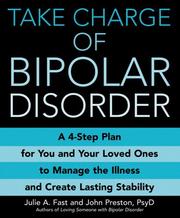
Fast's comprehensive wellness system — covering sleep, relationships, medications, and lifestyle — synthesizes everything learned in prior stages into a long-term, self-directed recovery roadmap to sustain stability for years.
Discussion
Keep reading
Paths that share books, cover the same subject, or open a related topic.