The Best Books on Celiac Disease and Gluten-Free Living
This curriculum takes a complete beginner from first suspecting celiac disease all the way to confidently managing a gluten-free life — medically, nutritionally, and culinarily. Each stage builds on the last: you first understand the disease and get diagnosed, then learn to heal and eat safely, and finally master label reading, cross-contamination, and cooking with skill and joy.
Understanding & Getting Diagnosed
BeginnerUnderstand what celiac disease is, how it differs from gluten sensitivity, why diagnosis matters, and what steps to take with your doctor before changing your diet.
▸ Study plan for this stage
Pace: 2–3 weeks, ~25–30 pages/day, with 2–3 reflection days built in
- Celiac disease is an autoimmune disorder triggered by gluten ingestion, not a food allergy or simple intolerance
- The pathophysiology of celiac disease: how gluten damages the small intestine and why the immune system attacks intestinal tissue
- Key differences between celiac disease, non-celiac gluten sensitivity, and wheat allergy—and why misdiagnosis is common
- The importance of diagnosis before eliminating gluten: a gluten-free diet makes serological and endoscopic testing unreliable
- Common symptoms and presentations of celiac disease across different age groups and disease severity
- The diagnostic pathway: blood tests (tissue transglutaminase antibodies), genetic testing, and upper endoscopy with biopsy
- How to prepare for and communicate with your doctor about celiac disease testing
- The role of genetics (HLA-DQ2 and HLA-DQ8) in celiac disease susceptibility and what it means for family screening
- What is the fundamental difference between celiac disease and non-celiac gluten sensitivity, and why does this distinction matter for diagnosis?
- Explain the autoimmune mechanism of celiac disease: what happens in the small intestine when someone with celiac disease consumes gluten?
- Why is it critical to remain on a gluten-containing diet before being tested for celiac disease, and what happens if you go gluten-free beforehand?
- What are the three main diagnostic tests for celiac disease, and what does each one reveal?
- How do symptoms of celiac disease vary across different age groups, and what are some atypical presentations?
- What role do HLA-DQ2 and HLA-DQ8 play in celiac disease, and what does a negative genetic test mean for your risk?
- Create a symptom inventory: list all symptoms mentioned in Green's book that you or a family member experience, then categorize them as gastrointestinal, dermatological, neurological, or systemic to prepare for a doctor's conversation
- Write a one-page summary of the diagnostic pathway in your own words, including the order of tests and what each result would mean—use this as a reference sheet for your doctor's appointment
- Research and document your family's medical history for autoimmune conditions, anemia, and gastrointestinal issues; identify relatives who might benefit from screening based on Green's discussion of genetic risk
- Prepare a list of questions for your doctor based on Green's book, including: 'Should I be tested for celiac disease?', 'What tests will you order?', and 'How long should I stay on gluten before testing?'
- Compare and contrast celiac disease, non-celiac gluten sensitivity, and wheat allergy using a three-column chart; include symptoms, mechanisms, and diagnostic methods from Green's text
- Keep a 1-week symptom and food diary before your doctor's appointment, noting any correlation between gluten consumption and symptoms—bring this to your appointment as evidence
Next up: This stage equips you with the medical knowledge and diagnostic clarity needed to move forward confidently—whether that's pursuing testing, understanding your diagnosis, or preparing for the dietary and lifestyle changes covered in the next stage.
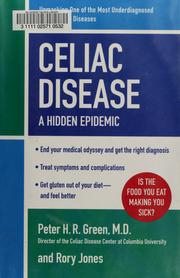
Written by the director of the Celiac Disease Center at Columbia University, this is the gold-standard patient guide to understanding the disease, its symptoms, and the critical importance of getting a proper diagnosis before going gluten-free.
Healing Your Gut & Understanding the Science
BeginnerLearn how the gut heals after a celiac diagnosis, what nutrients are commonly depleted, and how to support recovery through diet and lifestyle.
▸ Study plan for this stage
Pace: 4–5 weeks, ~25–30 pages/day. Start with "Grain Brain" (2–3 weeks), then "Real Life with Celiac Disease" (2 weeks). Allow 2–3 days between books for reflection and integration.
- How gluten triggers intestinal damage in celiac disease and the inflammatory cascade that follows
- The role of the gut barrier (intestinal permeability) and how it heals after eliminating gluten
- Common nutrient deficiencies in newly diagnosed celiacs (iron, B12, calcium, fat-soluble vitamins) and why they occur
- The connection between brain health and gut health, and how gluten affects neurological function
- Practical strategies for supporting gut healing through nutrient-dense, gluten-free foods and lifestyle changes
- How to identify hidden sources of gluten and prevent cross-contamination in daily life
- The timeline and expectations for gut healing and symptom improvement after diagnosis
- What is the mechanism by which gluten damages the intestinal lining in celiac disease, and how does this damage affect nutrient absorption?
- Which nutrients are most commonly depleted in newly diagnosed celiacs, and why does this depletion occur?
- How does the gut barrier heal after gluten elimination, and what is a realistic timeline for recovery?
- What is the gut-brain connection described in 'Grain Brain,' and how does gluten affect neurological health?
- What are the most common hidden sources of gluten, and how can you prevent cross-contamination in your kitchen and meals?
- What dietary and lifestyle changes does 'Real Life with Celiac Disease' recommend to support gut healing and overall wellness?
- Create a personal nutrient-tracking log: For one week, record all foods eaten and identify which meals contain the nutrients most commonly depleted in celiac disease (iron, B12, calcium, vitamin D). Note any gaps.
- Kitchen audit: Inspect your pantry, refrigerator, and common cooking tools for hidden gluten sources. Create a list of items to replace and a shopping list of certified gluten-free alternatives.
- Meal plan design: Plan 7 days of gluten-free meals that specifically target nutrient repletion, using recipes or meal ideas from 'Real Life with Celiac Disease.' Include sources of iron, B12, calcium, and healthy fats.
- Cross-contamination prevention plan: Map out your kitchen workflow and identify 3–5 high-risk areas for cross-contamination. Develop a practical protocol (e.g., dedicated cutting boards, separate toasters) and document it.
- Symptom and healing timeline journal: Start tracking your symptoms, energy levels, and digestion daily for 2–3 weeks. Note any improvements and correlate them with dietary changes and the healing timeline discussed in the books.
- Label-reading practice: Visit a grocery store and spend 30 minutes reading ingredient labels on 10–15 packaged foods you commonly eat. Identify which are safe, which contain gluten, and which are ambiguous. Research any unclear items.
Next up: This stage establishes the scientific foundation for why gluten-free living is essential and equips you with practical knowledge of gut healing and nutrient repletion, preparing you to move into the next stage where you'll learn advanced strategies for long-term wellness, managing social situations, and optimizing your gluten-free lifestyle beyond the basics.
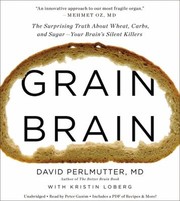
Broadens your understanding of how gluten and diet affect the gut-brain axis, helping you appreciate why strict adherence matters for long-term health beyond just digestive symptoms.
A practical, dietitian-led companion that addresses the real-world challenges of healing — nutrient deficiencies, follow-up testing, and managing setbacks — making it the ideal bridge between diagnosis and daily living.
Reading Labels & Living Safely Gluten-Free
IntermediateMaster food label reading, understand hidden gluten sources, avoid cross-contamination at home and when dining out, and build a safe gluten-free kitchen.
▸ Study plan for this stage
Pace: 6–8 weeks, ~25–30 pages/day, with 2–3 days per week dedicated to hands-on kitchen and label-reading practice
- How to read and interpret food labels for gluten content, including understanding terms like 'gluten-free,' 'may contain,' and PPM (parts per million) thresholds
- Hidden sources of gluten in processed foods, condiments, medications, supplements, and unexpected products (sauces, broths, seasonings)
- Cross-contamination risks in shared kitchens, dining establishments, and food preparation—and practical strategies to prevent it
- Setting up a safe gluten-free kitchen: dedicated utensils, cutting boards, toasters, and storage systems to eliminate cross-contact
- Navigating restaurant menus and communicating safely with food service staff about gluten-free needs
- Understanding the science behind gluten sensitivity and celiac disease as it relates to safe food choices (from Fasano's perspective)
- Building confidence in identifying safe versus unsafe foods through systematic label review and ingredient knowledge
- Creating personal protocols for grocery shopping, meal prep, and dining out that minimize risk and reduce anxiety
- What are the key differences between 'gluten-free,' 'may contain gluten,' and 'processed in a facility with gluten,' and how do you use this information to make safe choices?
- Name at least five hidden sources of gluten in processed foods and condiments that are not obviously grain-based
- How do you set up a gluten-free kitchen to prevent cross-contamination, and what are the most critical items to dedicate or replace?
- What questions should you ask a restaurant server or chef to ensure a meal is safe for someone with celiac disease?
- How does understanding the science of gluten sensitivity (per Fasano) inform your approach to label reading and food safety?
- What is your personal protocol for reading labels at the grocery store, and how do you verify a product is truly safe for you?
- Label audit: Spend 30 minutes in your pantry and refrigerator reading every label on packaged foods. Categorize each item as 'safe,' 'unsafe,' or 'uncertain' based on Lowell's criteria, then verify uncertain items online or by contacting manufacturers
- Hidden gluten hunt: Using Lowell's list of hidden gluten sources, go through your kitchen and identify three products you didn't realize contained gluten (e.g., soy sauce, salad dressing, bouillon cubes). Document the gluten-containing ingredient on each
- Kitchen redesign project: Map out your current kitchen and create a plan for a gluten-free zone—identify which utensils, cutting boards, toasters, and storage areas you'll dedicate or replace. Implement at least one change this week
- Restaurant reconnaissance: Choose three restaurants you frequent and obtain their menus (online or in person). Research their gluten-free options and write out a safe ordering script for each, including questions to ask staff
- Ingredient deep-dive: Select five processed foods you eat regularly and trace each ingredient back to its source. Identify which ones carry gluten risk and find gluten-free alternatives
- Cross-contamination scenario planning: Write out step-by-step protocols for five common kitchen tasks (making a sandwich, preparing a shared meal, using a shared toaster, etc.) that prevent cross-contact with gluten
Next up: This stage equips you with the practical vigilance and systems to live safely gluten-free in real-world settings; the next stage will deepen your understanding of long-term health management, nutritional optimization, and healing strategies specific to celiac disease.
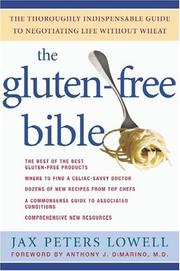
A comprehensive lifestyle reference covering label laws, restaurant strategies, travel, and social situations — read this first in the stage to build a full safety framework.

Fasano's patient-facing guide pairs the science of gluten-related disorders with concrete advice on navigating a gluten-free life safely, reinforcing and deepening the label and cross-contamination knowledge from the previous book.
Eating Well: Gluten-Free Cooking & Baking
IntermediateCook and bake delicious, nutritious gluten-free meals with confidence, understanding how alternative flours and ingredients work so you can adapt any recipe.
▸ Study plan for this stage
Pace: 8–10 weeks, ~40–50 pages/day, with 2–3 cooking/baking sessions per week
- How alternative gluten-free flours (rice, almond, coconut, tapioca, etc.) behave differently than wheat flour in baking and cooking
- The role of binders (xanthan gum, psyllium husk, eggs) in replacing gluten's structural function
- America's Test Kitchen's scientific approach to testing and adapting recipes for gluten-free success
- Flavor development and texture optimization in gluten-free baked goods and savory dishes
- Building confidence through understanding ingredient interactions rather than rigid recipe-following
- Shauna James Ahern's philosophy of cooking with joy and creativity despite dietary restrictions
- Practical techniques for adapting mainstream recipes to gluten-free versions
- Nutritional balance and whole-food approaches to gluten-free eating
- Why do different gluten-free flours require different liquid ratios, and how do you adjust a recipe when substituting one flour for another?
- What is the purpose of binders in gluten-free baking, and when would you use xanthan gum versus eggs versus other options?
- How does America's Test Kitchen's testing methodology help you understand why a gluten-free recipe fails or succeeds?
- What are the key differences between baking with gluten-free flour blends versus single-grain flours, and when would you choose each?
- How can you adapt a traditional wheat-based recipe to gluten-free while maintaining flavor and texture?
- What does Shauna James Ahern mean by cooking 'with joy' in the context of gluten-free living, and how does this mindset change your approach to meal planning?
- Bake at least 3 recipes from 'The How Can It Be Gluten Free Cookbook' (one bread, one cake/cookie, one savory item), documenting how the flours and binders work
- Conduct a flour substitution experiment: make the same recipe twice using different gluten-free flour blends and compare results in texture, taste, and structure
- Adapt one of your favorite traditional wheat-based recipes to gluten-free using principles from both books; test it and refine it
- Prepare a full meal from 'Gluten-Free Girl and the Chef' that showcases seasonal ingredients and Shauna's philosophy; reflect on how the cooking process felt different
- Create a personal gluten-free pantry guide documenting your preferred flours, binders, and ratios based on recipes you've tested
- Host a gluten-free dinner or baking session for friends/family using recipes from both books, and gather feedback on flavor and texture
Next up: This stage equips you with the scientific and creative foundations to cook and bake gluten-free with confidence, preparing you to move into the next stage where you'll apply these skills to meal planning, nutrition optimization, and managing gluten-free living in social and dining-out contexts.

America's Test Kitchen rigorously tested every recipe and explains the science of gluten-free baking (flour blends, binders, ratios), giving you the intuition to succeed rather than just follow recipes blindly.

A warm, narrative-driven cookbook that reframes gluten-free cooking as joyful and abundant rather than restrictive — best read after the technical ATK book so you can apply craft with creativity.
Long-Term Mastery & Thriving
ExpertIntegrate everything — medical, nutritional, culinary, and social — into a sustainable, joyful gluten-free life, and understand the latest research on celiac management.
▸ Study plan for this stage
Pace: 4–5 weeks, ~40–50 pages/day (approximately 300 pages total). Allocate 1 week for initial read-through, 2–3 weeks for deep-dive chapters and annotation, and 1 week for integration and application exercises.
- Modern wheat's genetic modification and its role in celiac disease and non-celiac gluten sensitivity—understanding how wheat has changed over the past 50 years
- The inflammatory cascade triggered by wheat consumption: how gluten and related proteins (amylase-trypsin inhibitors, lectins) damage the intestinal lining and trigger systemic inflammation
- Wheat's neurological effects: the 'brain fog,' mood disorders, and neurological symptoms that extend beyond digestive issues
- Metabolic consequences of wheat consumption: blood sugar dysregulation, insulin resistance, and their role in weight gain and metabolic disease
- The distinction between celiac disease, non-celiac gluten sensitivity, and wheat allergy—and why many people benefit from wheat elimination regardless of formal diagnosis
- Practical strategies for complete wheat elimination: reading labels, identifying hidden sources, and navigating a wheat-centric food environment
- Long-term health optimization on a wheat-free diet: nutritional adequacy, supplementation, and sustained energy and mental clarity
- Building a sustainable, joyful wheat-free lifestyle: social navigation, dining out, family dynamics, and reframing food choices as empowerment rather than deprivation
- How has modern wheat breeding changed the protein composition and gluten content of wheat compared to heritage varieties, and what does Davis argue about the implications for celiac disease?
- What are the mechanisms by which wheat proteins trigger intestinal damage and systemic inflammation, and how do these extend beyond the small intestine?
- What neurological and psychiatric symptoms does Davis link to wheat consumption, and what is the proposed mechanism?
- How does wheat consumption affect blood glucose regulation and insulin sensitivity, and what role does this play in weight gain and metabolic disease according to Davis?
- What are the practical steps for identifying and eliminating all sources of wheat from your diet, including hidden sources?
- How can you maintain nutritional adequacy and sustained energy on a wheat-free diet, and what supplementation might be necessary?
- What strategies does Davis recommend for navigating social situations, dining out, and family dynamics while maintaining a wheat-free lifestyle?
- Complete a 7-day food and symptom diary before starting the wheat elimination: record all foods consumed, energy levels, digestion, mood, and any neurological symptoms. This baseline will help you measure improvements.
- Conduct a thorough pantry audit: identify all wheat-containing products in your home (breads, cereals, pasta, sauces, processed foods) and research wheat-free alternatives. Create a shopping list of replacement foods.
- Read food labels intensively for one week: practice identifying hidden wheat sources (modified food starch, hydrolyzed vegetable protein, certain spice blends) and document what you find. This builds label-reading fluency.
- Plan and prepare three wheat-free meals from scratch using whole foods (vegetables, proteins, healthy fats, non-wheat grains). Document the recipes and your experience—this builds confidence in wheat-free cooking.
- Eliminate wheat completely for 2–3 weeks and track symptoms daily: energy, digestion, mood, mental clarity, skin, sleep quality, and any pain or inflammation. Compare to your baseline diary.
- Research and visit a local restaurant or café that offers wheat-free options; practice ordering and dining out confidently. Debrief on what worked and what you'd do differently.
- Interview or have a conversation with one person in your life (family member, friend, colleague) about your wheat-free lifestyle: practice explaining your reasons clearly and non-defensively, and address any concerns or misconceptions they raise.
Next up: This stage equips you with the scientific rationale, practical skills, and emotional resilience to sustain a wheat-free life—preparing you to move into specialized domains (advanced culinary mastery, competitive athletics on a gluten-free diet, or managing celiac disease in clinical settings) with deep confidence and evidence-based conviction.
Expands the repertoire with more complex recipes and techniques, challenging you to apply your now-solid understanding of gluten-free cooking at a higher level.

Provides a broader nutritional and societal perspective on wheat and gluten in the modern food supply, helping long-term celiacs make fully informed choices about whole-food, naturally gluten-free eating patterns.
Discussion
Keep reading
Paths that share books, cover the same subject, or open a related topic.