Endometriosis is a complex, chronic condition that is frequently dismissed and misdiagnosed, and many people spend years searching for answers. Reading about it can be genuinely empowering, but it is important to be clear up front: these books complement, they do not replace, care from a qualified medical team. Endometriosis often needs specialist diagnosis and treatment, and self-management works best alongside professional guidance.
The order that works starts with understanding the disease and the approaches people use to manage symptoms, then turns to lived experience and the broader story of how women's pain has been neglected — context that helps you advocate for yourself. Throughout, treat diet and lifestyle books as tools to discuss with your clinician, not as cures.
Understanding the disease and its management
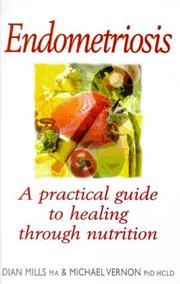
Start by building a working picture. Endometriosis : a key to healing through nutrition by Dian Shepperson Mills explores the role diet may play in symptom management, a common entry point for patients — best used as a conversation starter with a professional. Beating Endo by Iris Kerin Orbuch MD, written by a specialist, is a thorough, medically grounded guide to a whole-body management approach and is one of the most respected books on this path. The Endometriosis Health and Diet Program and Stop Endometriosis and Pelvic Pain, both drawing on Andrew Cook's clinical work, round out the practical, physician-informed picture of managing symptoms and pain.
Deeper approaches and specialist perspective
Next, go further into strategies people find useful. Heal Endo by Katie Edmonds looks at lifestyle and nutrition through a patient-researcher lens, offering detailed self-management ideas to weigh with your team. The doctor will see you now by Tamer Seckin, an excision surgeon, explains the disease and the case for specialist surgical care clearly, and Endometriosis: Outsmarts Your Pain by Jessica Drummond adds a functional, pain-focused perspective. These help you understand your options so you can ask better questions of your own doctors.
The bigger picture and advocacy
The final arc is about being heard. Doing harm by Maya Dusenbery is a rigorously reported account of how medicine has historically dismissed women's pain, and it will sharpen your resolve to be taken seriously. Ask me about my uterus by Abby Norman is a powerful memoir of the long, frustrating road to an endometriosis diagnosis that many readers find validating. Together they turn private frustration into informed advocacy.
Read in this order and endometriosis becomes less bewildering and more navigable. Follow the full path to understand your condition and your options, and use that knowledge to partner with a qualified medical team rather than in place of one.
Follow the full reading path →
Ready to learn something deeply?
Build a reading path — free