Dropshipping is marketed as a shortcut, which is exactly why so many attempts fail. Underneath the low-inventory model it is a real business: you have to validate demand, build a store that converts, and drive profitable traffic. Skip the fundamentals and you burn ad budget on products nobody wants.
A good reading order builds the business thinking first, then the specific model, then the conversion and traffic skills that determine whether it works. Each book below fits one of those stages, and none of them can substitute for the hard experience of running real campaigns.
Think like a founder
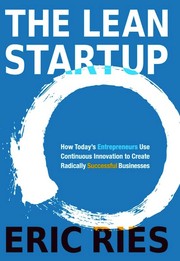
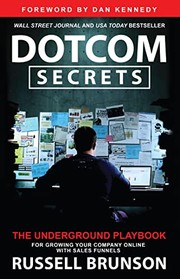
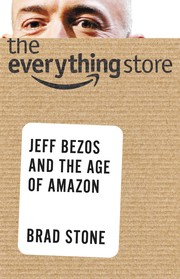
Start with The Lean Startup, which teaches validated learning — testing demand cheaply before you commit, the single most important habit for any dropshipper. Dotcom Secrets then lays out the funnel-based approach to selling online that structures how you move a visitor toward a purchase. For a wider sense of what great e-commerce looks like, The Everything Store chronicles Amazon's rise and the customer-obsession that defines the industry you are entering.
Learn the model and the store
With founder instincts forming, get specific. Dropshipping on Amazon addresses the mechanics of the model itself — sourcing, fulfillment, and the platform realities. Your store must also convert, and Don't Make Me Think is the classic on usability, teaching you to build a site that does not confuse or lose buyers. Together they turn the abstract model into a working shop.
Master traffic and copy
Sales come down to persuasion and paid traffic. Launch teaches a proven sequence for building anticipation and selling in waves. Breakthrough advertising is a deep education in the psychology of demand and how copy taps it. The ultimate guide to facebook advertising covers the paid-social channel most dropshippers rely on, and Traction rounds it out with a framework for finding the acquisition channels that actually scale.
Work these in order and dropshipping stops looking like a lottery and starts looking like a testable business. Follow the full path, but treat it as a foundation for real, careful experimentation, not a guarantee — the numbers only work if the product and the ads truly do.
Follow the full reading path →
Ready to learn something deeply?
Build a reading path — free