There is no good textbook on the advertising industry, and you should be glad. The literature that matters is practitioner manuals, insider memoirs, business journalism and a small body of empirical marketing science — and the useful skill is knowing which of those you are holding. An agency founder writing about his own methods is producing a sales document as well as an education. A journalist embedded on an account for two years is producing something else. Both are worth your time for different reasons.
So the order here is not overview-to-advanced. It is craft first, because you cannot judge the arguments without knowing what the work is; then the insider view of how agencies actually operate; then outsiders looking in; then the evidence that tests the whole tradition.
The practitioner canon
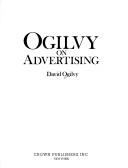
Confessions of an advertising man by David Ogilvy is where most people start and deserves its place — it is opinionated, extremely quotable, and it is also an advertisement for Ogilvy and Mather. Ogilvy on advertising is the later, more practical, heavily illustrated version. The two overlap substantially; if you want one, take the earlier book for the reading pleasure and the later one for the actual technique. Hey, Whipple, squeeze this by Luke Sullivan is the best modern craft book on writing and concepting, and is unusually honest about how bad most work is and why. My Life in Advertising & Scientific Advertising by Claude C. Hopkins collects the two books from the 1920s that founded the measurement-and-testing tradition; almost every claim in modern direct-response marketing is downstream of them.
The agencies themselves
Bill Bernbach's book by Bob Levenson documents the creative revolution at Doyle Dane Bernbach through the work itself, assembled by a colleague — insider, admiring, and the best visual record of the moment advertising changed. A big life in advertising by Mary Wells Lawrence is the memoir of the first woman to run a public company on the New York Stock Exchange, and is candid about the deal-making the craft books leave out. Truth, lies, and advertising by Jon Steel is the standard text on account planning, which is the discipline of finding out what people actually think before writing anything; Perfect Pitch is his book on how agencies win business, and is genuinely useful well outside advertising.
Outsiders looking in
Where the Suckers Moon by Randall Rothenberg is the best book on this list. Rothenberg, a journalist, followed a single account from pitch to campaign to collapse, and the result is the most complete outside portrait of how agency decisions really get made — political, personal and only occasionally rational. Adland by Mark Tungate is the broad international history and the right place to get the chronology and the agency lineages straight. The Anatomy of Humbug: How to Think Differently about Advertising by Paul Feldwick is an insider's demolition of the industry's competing theories of how advertising works, and is the pivot into the last section.
What the evidence says
How Brands Grow by Byron Sharp is an academic marketing scientist's assault on much of the received wisdom above — on targeting, loyalty and differentiation — grounded in purchase data. The Long and the Short of it by Les Binet and Peter Field analyses a large database of campaigns to argue about the balance between brand building and short-term activation, and is the most cited evidence in the business. Finish with The hidden persuaders by Vance Packard, the 1957 exposé that first made motivational research a public scandal; parts of it read as period alarm, and it also invented the popular vocabulary of advertising critique that is still in use.
Work the full path and you will be able to tell a strong claim from a well-told anecdote — which, in this industry, is most of the job. For the campaigns that ended up in court, the tobacco industry is the obvious next path.
Follow the full ordered path here: The Advertising Industry: Best Books on How Agencies Really Work, in Order.
Ready to learn something deeply?
Build a reading path — free