Fashion is covered by three separate literatures that rarely acknowledge each other. There is business journalism about conglomerates and margins. There is narrative writing about designers and houses, which is often superb and almost never about money. And there is campaigning work about garment supply chains, which is the most morally urgent and the least interested in how the industry is structured.
Read them in the wrong order and none of it lands. The designer books assume you know why a house needs a creative director. The supply-chain books assume you know why a retailer wants fifty-two micro-seasons. So this path builds the commercial shape first, then the houses, then the consequences — and it is worth flagging as you go which books are reported, which are memoir, and which are arguing for a policy.
The commercial shape
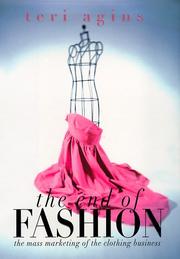
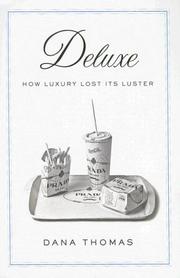
The End of Fashion was published in 1999 and argued that designer fashion was becoming a marketing business in which the clothes mattered less than the brand and the licensing. It called the direction correctly and its specifics are now a period piece — it predates fast fashion at scale, Instagram and the resale market, so read it for the thesis and not the landscape. Deluxe is the essential business book here: how family luxury houses were rolled up into conglomerates, and what happened to craft and price when they were. Fashion brands is the flattest and most useful reference on how fashion marketing actually operates, closer to a trade textbook than a narrative.
Houses, designers and myth-making
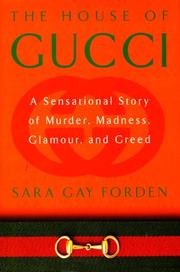
The house of Gucci is business history that happens to include a murder, and it is genuinely good on family firms and succession. The Beautiful Fall covers Paris in the 1970s through Saint Laurent and Lagerfeld, and is the best account of how creative rivalry becomes commercial positioning. The Battle of Versailles takes a single 1973 show and uses it to explain the arrival of American ready-to-wear and of Black models on the couture stage — narrow, superbly reported history.
Gods and kings pairs Galliano and McQueen and is the sharpest book on what the conglomerate model demanded of the people at the top of it: more collections, faster, forever. Grace is an insider memoir from decades inside magazine styling, and should be read as one — charming, first-hand, and not an analysis of anything.
The supply chain, and the case against
Overdressed and To die for were both published just before the 2013 Rana Plaza collapse, and both are advocacy books making the environmental and labour case against fast fashion. They hold up on the fundamentals, but read them knowing that the disaster which changed the public conversation happens after their final pages. Fashionopolis is the post-Rana-Plaza update from the author of Deluxe, and it also covers the technology and small-scale manufacturing responses, which the earlier two could not.
Hijacking the runway takes the celebrity-brand phenomenon seriously as a business development rather than treating it as a joke, which is the correct call.
Two books that are not about the business
Fashion at the Edge is academic writing about the darker end of 1990s runway design and its meaning. The Fashion System is Roland Barthes analysing how fashion writing manufactures significance, and it is semiotics, not commerce. Both are rewarding, both are last, and neither belongs early — if you want the industry rather than the theory, you can stop before them without missing anything structural. Related patterns of brand defence and supply-chain externality show up in the fast food industry path too.
Follow the full ordered path here: How the Fashion Industry Really Works: The Best Books, in Order.
Ready to learn something deeply?
Build a reading path — free