Writing children's books: an ordered reading list from picture books to middle grade
This four-stage curriculum takes a beginner from the fundamental mindset of writing for children all the way through the craft specifics of picture books, chapter books, and middle grade fiction, and finally into the professional realities of querying and publishing. Each stage builds on the last: you must understand how children read before you can master voice, and you must master voice before you can navigate the industry with confidence.
Foundations: The Mindset of Writing for Children
BeginnerUnderstand what makes children's literature distinct, develop a reader-first mindset, and grasp the core principles of storytelling that underpin all formats.
▸ Study plan for this stage
Pace: 4–5 weeks, ~25–30 pages/day. Start with Wyndham (approximately 200–250 pages), then move to Flaherty (approximately 150–180 pages). Allocate 1 week per book for initial reading, then 1–2 weeks for review, reflection, and exercises.
- The developmental stages of child readers and how their cognitive abilities shape what stories they can understand and enjoy
- The reader-first mindset: writing to serve the child's perspective, interests, and emotional needs rather than imposing adult agendas
- The distinction between writing for children versus writing for adults—including voice, pacing, vocabulary, and thematic complexity
- Story structure as the backbone of all children's literature: how beginning, middle, and end function to create meaning and engagement
- Character authenticity in children's books: creating protagonists and supporting characters that children recognize and care about
- The role of emotion and truth in children's storytelling—why honesty about feelings matters more than saccharine messaging
- How constraints (word count, age-appropriateness, format) become creative opportunities rather than limitations
- The foundational narrative elements that work across all children's book formats: conflict, resolution, and the emotional arc
- What are the key developmental differences between readers at ages 5–7, 8–10, and 11–13, and how should these differences shape your story choices?
- How does Wyndham define the reader-first mindset, and why is it essential to avoid writing 'down' to children?
- What are the main structural differences between a picture book story, a chapter book, and a middle-grade novel in terms of pacing and emotional beats?
- According to Flaherty, what are the essential elements of story, and how do they work together to create a coherent narrative?
- Why is authenticity of emotion more important than a 'happy ending' in children's literature, and what examples from the texts illustrate this?
- How can you use the constraints of children's publishing (word limits, age-appropriateness) as creative tools rather than obstacles?
- Read 3–5 children's books across different age groups (picture book, early reader, middle-grade) and annotate them using Wyndham's framework: identify the target age, the voice, the pacing, and the emotional core. Note how each book respects its audience.
- Write a 500-word character sketch of a child protagonist (age 7–10) based on your own childhood memory or observation. Focus on capturing their authentic voice, concerns, and emotional logic—not what adults think children should care about.
- Take a simple personal anecdote or conflict from your own life and outline it as a story using Flaherty's story elements (setup, conflict, climax, resolution). Then rewrite it twice: once for a 5-year-old and once for a 10-year-old, noting how the emotional core stays the same but the complexity changes.
- Analyze the opening page/paragraph of 3 children's books and identify how each one establishes voice and draws the reader in. What techniques does Wyndham or Flaherty help you recognize?
- Write a 1-page story (200–300 words) for children ages 6–8 that contains genuine emotion (fear, disappointment, joy, curiosity) without a preachy message. Afterward, reflect: did you serve the child's experience or impose an adult lesson?
- Create a 'reader profile' for a specific age group (e.g., 8-year-olds) based on Wyndham's developmental insights. Then pitch 3 story ideas that would resonate with this reader, explaining why each idea respects their cognitive and emotional stage.
Next up: This stage establishes the philosophical and structural foundations—understanding your reader and how stories work—that enable you to move into the next stage, where you'll apply these principles to specific genres and formats (picture books, chapter books, middle-grade novels) with concrete craft techniques.
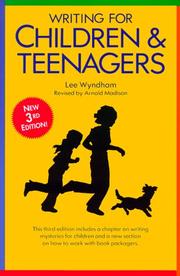
A classic, comprehensive primer that orients the complete beginner to the children's book landscape — its formats, its audience, and its unique demands. Read this first to build the vocabulary used in every later book.

Grounds the learner in universal storytelling principles — structure, character, tension — before diving into format-specific craft. Reading it here ensures later, format-specific advice lands on solid narrative instincts.
Picture Books: The Smallest Canvas, the Deepest Craft
BeginnerMaster the unique constraints and opportunities of the picture book form: the 32-page dummy, the interplay of text and art, lyrical language, and the deceptive simplicity that makes the format so hard to write well.
▸ Study plan for this stage
Pace: 4–5 weeks, ~20–25 pages/day (approximately 140 pages total across both books, with time for reflection and dummy creation)
- The 32-page dummy as the structural foundation of picture books and how to use it as a planning tool
- The symbiotic relationship between text and illustration: how words and images must work together, not compete
- Lyrical and economical language: choosing every word with precision and using rhythm, repetition, and sound devices to create musicality
- The deceptive simplicity of picture books: why the constraint of few words makes the craft exceptionally difficult and demands ruthless editing
- Picture book story structure: how to build narrative tension and emotional resonance within severe space limitations
- The role of white space, pacing, and page turns in controlling reader experience and building anticipation
- Understanding your audience: how age-appropriate language, themes, and illustration cues shape every creative decision
- Why is the 32-page dummy considered essential to picture book writing, and how does it differ from writing a story first and fitting it to pages?
- How do text and illustration function differently in a picture book compared to a chapter book, and what does it mean for a writer to 'show through pictures' rather than tell through words?
- What techniques can you use to create lyrical, memorable language in picture books, and why does rhythm matter as much as vocabulary?
- Why do picture books require more ruthless editing than longer-form children's literature, and what is the relationship between constraint and creativity?
- How do page turns, white space, and pacing control the reader's emotional experience, and how should you plan for these elements while writing?
- What are the key differences between writing for board books, toddlers, preschoolers, and early readers, and how do these distinctions affect your word choice and story structure?
- Create a 32-page dummy for a picture book idea using blank pages or a template; map out where text appears, where images carry the story, and where white space creates breathing room
- Rewrite a folktale or fairy tale as a picture book manuscript (500–800 words), focusing on cutting every unnecessary word while maintaining emotional impact
- Write three different opening lines for a picture book, each using different sound devices (alliteration, assonance, rhyme) and choose which creates the strongest hook
- Analyze one picture book from the recommended authors (or another well-known picture book) by identifying: where text is essential, where images do the heavy lifting, and how page turns create suspense or surprise
- Write a picture book manuscript (500–800 words) for a specific age group (toddlers, preschoolers, early readers) and revise it for a different age group, noting how language, themes, and pacing must shift
- Create a detailed 'story map' for your picture book dummy showing: emotional beats, pacing (fast/slow pages), illustration focus on each spread, and how text supports or complements the visual narrative
Next up: This stage equips you with the technical mastery of picture book form—the constraints, structure, and craft—preparing you to move into the next stage where you'll explore specific genres within picture books (rhyming, narrative, concept books) and learn how to pitch and publish your work in a competitive market.

The single most thorough craft guide dedicated to picture books; covers structure, rhythm, word choice, and revision in a logical sequence. Start here to get a complete framework before reading more targeted advice.

A playful, encouraging guide to finding your voice and generating ideas; its exercises are especially effective at unlocking the child-like perspective picture book writers must sustain.
Chapter Books & Middle Grade: Voice, Structure, and Character
IntermediateLearn how to sustain a longer narrative for young readers — building compelling child protagonists, managing plot and pacing across chapters, and writing in an authentic middle-grade or chapter-book voice.
▸ Study plan for this stage
Pace: 4–5 weeks, ~25–30 pages/day (approximately 2 weeks per book, with overlap for exercises)
- Middle-grade voice: age-appropriate vocabulary, humor, and emotional authenticity that resonates with 8–12-year-old readers
- Child protagonist development: creating relatable, flawed characters with clear motivations, fears, and growth arcs specific to middle-grade concerns
- Chapter structure and pacing: breaking longer narratives into digestible chapters that maintain momentum and end with hooks to keep readers turning pages
- Story architecture for chapter books: understanding three-act structure, subplot management, and how to sustain tension across 200–400 pages
- Emotional truth and sensory detail: using concrete, lived experiences and authentic feelings to ground narratives in a child's perspective
- Dialogue and voice consistency: writing dialogue that reveals character, advances plot, and sounds natural to how children actually speak
- Plot mechanics for middle grade: balancing external adventure with internal emotional journeys, managing multiple storylines, and earning satisfying resolutions
- How do you identify and maintain an authentic middle-grade voice throughout a longer narrative, and what are the common pitfalls that make writing sound 'too young' or 'too old'?
- What makes a middle-grade protagonist compelling, and how do you balance their agency with age-appropriate challenges and limitations?
- How should you structure chapters in a chapter book to maintain pacing and reader engagement across a full manuscript?
- What is the relationship between emotional truth and plot in middle-grade fiction, and how do you weave a child's internal journey with external events?
- How do you write dialogue that feels authentic to how children speak while also serving plot and character development?
- What are the key differences in story structure between a picture book, a chapter book, and a middle-grade novel, and how do you apply this knowledge to your own work?
- Read and annotate 3–4 published middle-grade chapter books (e.g., *Ramona* series, *Junie B. Jones*, *The Baby-Sitters Club*), noting voice markers, chapter length, pacing patterns, and how each chapter ends
- Write 2–3 short voice exercises (500–750 words each) in the voice of a child protagonist aged 8–10, focusing on capturing authentic speech patterns, humor, and emotional honesty without condescension
- Create a detailed character profile for a middle-grade protagonist, including their core fear, desire, flaw, and how these will drive the plot across a full chapter book
- Outline a 3-act structure for a chapter-book idea, breaking it into 12–15 chapters with specific plot points and emotional beats, noting how each chapter ends to maintain momentum
- Write the opening chapter (1,500–2,000 words) of your chapter-book manuscript, incorporating voice, character introduction, and a hook that makes readers want to turn the page
- Revise a scene of dialogue between two child characters, ensuring it sounds natural, reveals character, and moves the plot forward without exposition or unnatural speech patterns
- Analyze the emotional arc of a published middle-grade novel chapter by chapter, mapping how the protagonist's internal journey parallels the external plot
Next up: This stage equips you with the foundational skills to write sustained, character-driven narratives for middle readers; the next stage will likely deepen your craft by exploring genre-specific conventions (fantasy, mystery, realistic fiction) and advanced revision techniques for polishing a full manuscript.

A former literary agent's deep dive into middle grade and young adult craft — character interiority, voice, plot architecture, and what makes manuscripts stand out. The best single-volume guide for longer children's fiction.

Introduces an inside-out, character-driven approach to plotting that is particularly powerful for middle grade, where the protagonist's internal change is as important as external plot. Deepens everything learned in the previous two books.
Publication: From Manuscript to Bookshelf
ExpertUnderstand the children's publishing industry end-to-end — how to revise with professional eyes, write a query letter, find an agent, and navigate the submission process for both picture books and longer fiction.
▸ Study plan for this stage
Pace: 4–5 weeks, ~40–50 pages/day. Start with Friedman's foundational business chapters (1–2 weeks), then move to Seuling's practical publishing guide (2–3 weeks), allowing time for overlap and reflection between books.
- The modern publishing landscape: traditional vs. self-publishing paths, market trends, and where children's books fit
- Query letter architecture: hook, pitch, bio, and how to tailor it for agents and publishers
- Agent selection and submission strategy: researching agents, understanding their MSWL (manuscript wish list), and managing multiple submissions
- Manuscript revision with professional standards: developmental editing, copyediting, and how to incorporate feedback without losing your voice
- Picture book vs. chapter book/middle grade/YA submission differences: format, word count, and agent expectations for each category
- Contract negotiation basics: understanding advances, royalties, rights, and red flags in publishing agreements
- Building an author platform: how visibility and credentials strengthen your query and publishing prospects
- The submission timeline and rejection resilience: realistic expectations for response times and how to handle setbacks
- What are the key differences between querying a picture book manuscript versus a middle-grade novel, and how should your query letter differ?
- How do you research and identify agents who represent children's books in your specific genre or category?
- What are the essential components of a professional query letter, and what mistakes do agents say they see most often?
- What is the difference between developmental editing, line editing, and copyediting, and when should each happen in your revision process?
- What should you look for in a publishing contract, and what terms are negotiable versus standard?
- How can you build an author platform before publication, and why do agents and publishers care about it?
- Write three different query letters for the same manuscript, each tailored to a different agent's MSWL, and compare how you adjusted your pitch
- Research 10–15 agents who represent children's books in your target category; create a submission tracker with their names, agencies, submission guidelines, and MSWL notes
- Take a chapter or section of your manuscript and revise it using developmental feedback principles from Friedman and Seuling; identify structural, pacing, and character issues before line editing
- Draft a one-page author bio and platform summary highlighting credentials, social media presence, teaching experience, or other relevant visibility that would appeal to agents
- Analyze 3–5 published children's books in your category: note their word count, structure, pacing, and how they're pitched on publisher websites; compare to your manuscript
- Write a mock contract negotiation scenario: identify 5–10 key contract terms from Friedman's guidance and decide which you'd prioritize, which you'd negotiate, and which you'd accept as standard
Next up: This stage equips you with the industry knowledge and practical tools to position your manuscript professionally; the next stage will likely focus on executing your submission strategy, building relationships with agents and editors, and managing the long-term author career beyond the first book deal.

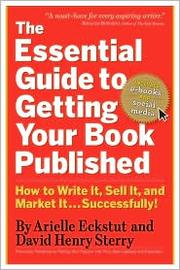
The most authoritative and up-to-date guide to the publishing industry; covers agents, contracts, platforms, and career strategy in clear, honest terms. Read this first in the stage to demystify the business before tackling submission specifics.
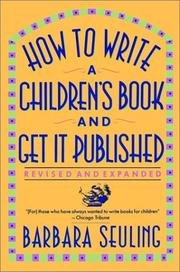
A practical, children's-specific companion to Friedman's broader industry guide, walking through manuscript preparation, finding the right publishers, and the submission process for every children's format covered in this curriculum.
Discussion
Keep reading
Paths that share books, cover the same subject, or open a related topic.