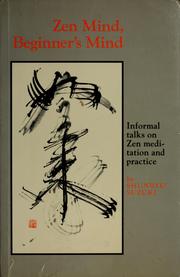
Wrestling for beginners: essential books on takedowns and technique
This curriculum builds a wrestler from the ground up — starting with the physical fundamentals and core techniques, moving through specialized skill sets like takedowns and escapes, then advancing into conditioning science and high-level strategic thinking. Each stage assumes mastery of the previous, so the vocabulary, body awareness, and tactical intuition compound naturally across the four stages.
Foundations of the Sport
BeginnerUnderstand wrestling's history, culture, and core philosophy, and get a mental map of the sport before stepping on the mat seriously.
▸ Study plan for this stage
Pace: 2–3 weeks, ~40–50 pages/day (approximately 200–250 pages total)
- Wrestling as a foundational martial art and its role in mixed martial arts (MMA)
- Core wrestling techniques: takedowns, positional control, and ground dominance
- The philosophy of leverage and efficiency over raw strength
- How wrestling builds mental toughness, discipline, and competitive mindset
- The practical application of wrestling principles to fighting and self-defense
- Randy Couture's personal journey and how elite-level wrestling translates to combat sports
- Why does Randy Couture emphasize wrestling as the foundation for fighting, and what advantages does it provide in combat?
- What are the core wrestling principles (leverage, positioning, control) and how do they differ from striking-based approaches?
- How can a beginner wrestler develop the mental toughness and discipline that Couture describes?
- What are the key takedown techniques covered in the book, and when should each be applied?
- How does wrestling-based ground control create advantages in a fighting context?
- What does Couture identify as the connection between wrestling training and overall fighting effectiveness?
- Perform 10 minutes of daily drilling on basic takedown mechanics (single-leg, double-leg) using a heavy bag or partner, focusing on form over speed
- Shadow-wrestle for 5–10 minutes daily, practicing footwork, level changes, and shot setup without a partner
- Keep a training journal documenting which techniques from the book you've attempted and how they felt; note questions for clarification
- Watch 2–3 full wrestling or MMA matches (linked to concepts in the book) and identify the takedown and control principles Couture describes
- Practice positional holds (side control, mount, guard) on a grappling dummy or with a partner for 10–15 minutes, 3–4 times per week
- Attend a local wrestling class or open mat session and attempt one new technique from the book in a live setting, then reflect on what worked
Next up: This stage equips you with wrestling's historical and philosophical foundation plus basic technical knowledge, preparing you to move into deeper technical study or sport-specific training where you'll refine takedowns, footwork, and positional transitions under live pressure.

A legendary champion breaks down wrestling fundamentals in plain language, making it the perfect first exposure to how wrestling concepts translate into real grappling situations. It builds the mental model a beginner needs before drilling technique.
Takedowns & Escapes — Core Technique
BeginnerBuild a reliable technical toolkit of takedowns, shots, and escapes, and understand the mechanical principles behind why each technique works.
▸ Study plan for this stage
Pace: 4–5 weeks, ~20–25 pages/day with 2–3 days per week dedicated to mat practice
- Stance and base as the foundation for all takedown entries
- Shot mechanics: level changes, penetration steps, and finish variations (single-leg, double-leg, high-crotch)
- Escape fundamentals: hip escape, sit-out, stand-up, and bridge techniques
- Leverage and weight distribution principles that make techniques work against resistance
- Timing and setup: how to recognize openings and chain techniques together
- Common defensive reactions and how to adjust your offense in response
- Footwork patterns that create angles and prevent opponent counters
- What are the mechanical differences between a double-leg and single-leg takedown, and when is each most effective?
- Explain the relationship between a proper level change and successful shot penetration.
- What is the primary principle behind the hip escape, and how does it create space to stand?
- How do you maintain base and balance while defending against a takedown attempt?
- What setup moves or feints does Mysnyk recommend before executing a takedown?
- How do you chain escapes together when your first attempt is defended?
- Drill level changes and penetration steps 10 times daily without a partner, focusing on explosive hip drive and knee bend
- Practice shot entries (double-leg, single-leg, high-crotch) against a stationary partner 5 reps each, then add light resistance
- Perform hip escapes from bottom position 20 reps per session, emphasizing hip placement and timing
- Drill sit-outs and stand-ups from bottom position 15 reps each, building explosive power and control
- Shadow-wrestle (solo drilling) full takedown sequences: setup → shot → finish, 3 rounds of 2 minutes
- Spar lightly with a partner focusing on one takedown and one escape per session, building timing and feel
- Video yourself executing key techniques and compare to Mysnyk's form; identify gaps in mechanics
Next up: Understanding the mechanical principles and reliable execution of foundational takedowns and escapes prepares you to learn how to chain techniques together, read opponent reactions in real time, and develop the advanced positioning and counter-wrestling strategies needed at intermediate level.
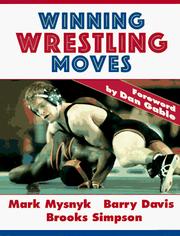
Picks up where general instruction leaves off, providing detailed breakdowns of setups, finishes, and counters for takedowns and escapes, reinforcing the mechanical intuition built in the previous book.
Conditioning & Athletic Development
IntermediateDevelop the sport-specific strength, endurance, and body composition required to execute technique under fatigue across a full match and a full season.
▸ Study plan for this stage
Pace: 4–5 weeks, ~40–50 pages/day (with 2–3 days per week for practical application and review)
- Periodization models (macrocycles, mesocycles, microcycles) and how to structure training across a wrestling season to peak at the right times
- Sport-specific strength development: identifying which movement patterns, muscle groups, and force-velocity characteristics matter most for wrestling
- Energy system training: how to build aerobic capacity, anaerobic power, and lactate tolerance for the repeated high-intensity efforts in wrestling matches
- Recovery and adaptation: the physiological basis for why rest, nutrition, and training variation prevent overtraining and maximize performance gains
- Testing and assessment protocols: how to measure strength, power, endurance, and body composition to track progress and adjust training
- Load management and progressive overload: principles for increasing training intensity and volume safely to drive continuous improvement
- Fatigue resistance and work capacity: training methods to maintain technical execution and decision-making when physically exhausted
- What is periodization, and how would you structure a macrocycle, mesocycle, and microcycle for a wrestler preparing for a competitive season?
- Which energy systems are most heavily taxed during a wrestling match, and what training methods develop each one?
- How do you identify sport-specific strength needs for wrestling, and what testing methods reveal whether an athlete has adequate strength and power?
- What are the key principles of progressive overload, and how do you apply them without causing overtraining or injury?
- How does recovery (sleep, nutrition, active recovery) fit into a periodized training plan, and why is it as important as the training stimulus itself?
- What is fatigue resistance, and how do you train an athlete to maintain wrestling technique and decision-making in the final minutes of a match or tournament?
- Map out a full 12-week macrocycle for a wrestler: define the phases (preparation, competition, transition), mesocycle lengths, and the primary training focus of each block
- Conduct a movement analysis of 3–5 key wrestling positions or techniques (e.g., shot defense, top control, scrambles) and identify the primary movers, force demands, and energy systems involved
- Design a sport-specific strength program for a wrestler using Supertraining principles: select 4–6 exercises, specify load/rep ranges, and explain why each addresses wrestling demands
- Create a weekly training template that integrates strength, power, conditioning, and skill work; include volume and intensity targets for each modality
- Test and record baseline measurements: max strength (e.g., squat, bench), power (vertical jump, broad jump), aerobic capacity (Cooper test or 12-min run), and body composition; repeat every 2–3 weeks to track progress
- Design a 2-week mesocycle that progresses from high-volume/moderate-intensity to lower-volume/high-intensity work, and explain the physiological adaptations you expect
- Program a sport-specific conditioning session (e.g., 6-minute match simulation with prescribed work/rest intervals) and measure heart rate, lactate, or perceived exertion to assess readiness and fatigue tolerance
Next up: This stage equips you with the scientific framework and practical tools to build the physical foundation wrestling demands; the next stage will apply these principles to refine technique, strategy, and competition-specific preparation so that your hard-earned conditioning translates into match success.

The definitive scientific text on strength and athletic conditioning; reading it after sport-specific conditioning work gives wrestlers the deeper physiological understanding needed to design intelligent, periodized training programs.
Strategy, Control & High-Level Thinking
ExpertThink like a coach and a champion — understand match strategy, positional control, scoring systems, and the mental game that separates good wrestlers from great ones.
▸ Study plan for this stage
Pace: 8–10 weeks, ~25–30 pages/day (mix of reading and reflection)
- Self 1 vs. Self 2: The difference between the thinking mind and the intuitive performer; how to quiet self-doubt and trust your body in competition
- The role of relaxed concentration in peak performance; how tension and over-analysis sabotage wrestling technique
- Presence and awareness as competitive advantages; staying in the moment rather than anticipating or second-guessing
- The plateau as a natural and necessary part of mastery; how to push through stagnation without burning out
- Deliberate practice and the long-term commitment required to reach elite levels; why shortcuts fail
- The coach's mindset: teaching and refining technique while managing the mental and emotional dimensions of your wrestler
- Scoring systems and positional control as expressions of strategic thinking, not just rule-following
- The mental game: confidence, resilience, and the ability to execute under pressure when it matters most
- What is the difference between Self 1 and Self 2 in Gallwey's model, and how does this distinction apply to wrestling performance?
- How does 'relaxed concentration' improve wrestling technique, and what happens when a wrestler becomes too tense or analytical during a match?
- According to Leonard, why is the plateau an essential part of mastery, and how should a wrestler or coach respond to periods of stagnation?
- What role does presence and moment-to-moment awareness play in executing strategy and controlling your opponent?
- How does deliberate practice differ from general training, and why is this distinction critical for reaching championship-level wrestling?
- What mental and emotional skills separate a good wrestler from a great one, and how can these be developed intentionally?
- Film study with a focus on presence: Watch 3–5 matches (your own or elite wrestlers) and identify moments where the wrestler was fully present vs. distracted or over-thinking; note how this affected decision-making and execution
- Self 1 vs. Self 2 journaling: After each practice or match, write down the internal dialogue you experienced; identify which voice was helpful and which was sabotaging your performance
- Relaxed concentration drills: Practice 2–3 high-pressure wrestling scenarios (live wrestling, takedown chains, position holds) while consciously maintaining calm breathing and trusting your technique without commentary
- Plateau navigation: Identify one area where you've hit a performance plateau; design a 2–3 week micro-cycle of deliberate practice targeting that specific skill with measurable daily/weekly progress markers
- Coach's strategy session: If you're coaching, observe one of your wrestlers and write a brief analysis of their mental game during competition; identify one area where mindset is limiting performance and design a targeted intervention
- Presence practice in live wrestling: Compete in 3–5 live matches with the explicit goal of staying fully present and responsive rather than executing a pre-planned strategy; reflect on how this changes your adaptability and decision-making
Next up: This stage equips you with the mental frameworks and strategic awareness to understand wrestling at the highest level; the next stage will likely focus on translating these insights into specific technical systems, match preparation protocols, and championship-level execution under the ultimate pressure.

The landmark book on sports psychology and performance under pressure; its principles of Self 1 vs. Self 2 and relaxed concentration apply directly to wrestling's high-stress, split-second decision-making environment.
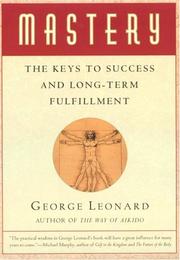
Closes the curriculum by reframing the long-term journey of skill acquisition — helping the wrestler embrace the plateau, commit to deliberate practice, and develop the identity of a lifelong student of the sport.
Discussion
Keep reading
Paths that share books, cover the same subject, or open a related topic.