Best Books on Winter Camping, in Reading Order
This curriculum is built for an intermediate outdoorsperson who already has basic camping experience and wants to master the specific demands of winter: thermoregulation, shelter construction, cold-weather nutrition and cooking, and safe travel in snow and ice. The three stages move from consolidating core winter-camping knowledge, through hands-on technical skills (sleep systems, snow shelters, cold cooking), to advanced expedition-level travel and risk management — each stage's books building the vocabulary and judgment needed for the next.
Winter Camping Foundations
IntermediateEstablish a solid, unified mental model of cold-weather camping: layering systems, staying warm and dry, camp routines, and the mindset differences between three-season and winter travel.
▸ Study plan for this stage
Pace: 4–5 weeks, ~25–30 pages/day. Start with "Winterwise" (weeks 1–2.5), then move to "The Winter Camping Handbook" (weeks 2.5–5). Allocate 2–3 days per week for hands-on practice and reflection.
- The three-layer system (base, insulation, shell) and how each layer functions independently to manage moisture and temperature in extreme cold
- The critical difference between staying warm through activity versus staying warm at rest—and why winter camping demands both strategies
- Camp routines and daily rhythms in winter: sleep systems, cooking efficiency, water management, and minimizing time outside the tent
- How hypothermia and frostbite develop, and the behavioral and physiological warning signs that precede them
- Shelter design and site selection for winter: wind protection, insulation from ground, ventilation to prevent condensation buildup
- The psychological and logistical shift from three-season to winter travel: slower pace, higher caloric needs, equipment redundancy, and margin for error
- Moisture management as the core problem of winter camping—sweat, breath, and ground moisture all threaten the integrity of your insulation system
- Explain the function of each layer in the three-layer system and why wearing all three is not always the answer to staying warm.
- What are the key behavioral and physiological signs of early hypothermia, and how does Dunn or Gorman recommend responding to them?
- Describe the ideal winter camp routine from wake-up to sleep, and explain why timing and efficiency matter more in winter than in three-season camping.
- How does moisture management differ between active travel and rest periods, and what specific strategies does each book recommend?
- What site selection and shelter design features are non-negotiable for safe winter camping, and why?
- Compare the mindset, pacing, and equipment redundancy required for winter travel versus three-season camping. What fundamentally changes?
- Conduct a full layering audit: try on and test your base, insulation, and shell layers in a cold environment (or a walk-in freezer). Note how each layer feels when dry, damp, and wet, and how they interact.
- Build a mock winter camp in your backyard or a cold location: set up your tent, test your sleep system, and practice your morning and evening routines. Time each task and identify bottlenecks.
- Prepare a winter meal plan for a 3-day trip using the principles from Gorman's handbook: calculate calories, plan water management, and practice cooking in cold conditions (even if simulated).
- Create a personal cold-weather emergency response checklist based on hypothermia and frostbite warning signs from Dunn. Practice recognizing early symptoms in yourself and a partner.
- Analyze three potential winter camp sites (photos or real locations) using Dunn's and Gorman's criteria: evaluate wind exposure, insulation potential, water access, and shelter options. Justify your choices.
- Sleep in your winter sleep system in a cold environment (garage, unheated space, or outdoors) and journal about moisture, temperature management, and comfort. Adjust your system based on observations.
Next up: This stage builds the foundational knowledge and muscle memory needed to safely execute winter trips; the next stage will likely focus on advanced skills—navigation in whiteout conditions, avalanche awareness, or multi-day expedition planning—that assume you can reliably stay warm, dry, and fed in a static winter camp.
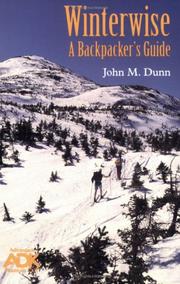
A concise, practical primer written specifically for backpackers stepping into winter. It covers layering, moisture management, and cold-camp routines in plain language, giving you the shared vocabulary the rest of the curriculum assumes.
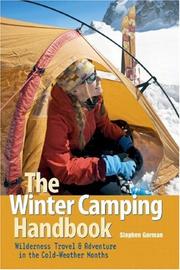
The most comprehensive single-volume treatment of the subject — gear selection, nutrition, navigation, and emergency protocols. Read it second to flesh out and challenge the framework Dunn introduces, and to see how all the pieces interact.
Sleep Systems & Staying Warm
IntermediateDeeply understand cold-weather sleep systems (bags, quilts, pads, vapor barriers), the physiology of staying warm overnight, and how to dial in a personal system for a range of winter temperatures.
▸ Study plan for this stage
Pace: 4–5 weeks, ~25–30 pages/day. Start with Giesbrecht's medical foundation (1–2 weeks), then Canterbury's practical systems (2–3 weeks), with overlap for integration.
- Thermoregulation physiology: how the body loses heat (conduction, convection, radiation, evaporation) and the stages of hypothermia from shivering to unconsciousness
- Sleep system components: insulation ratings (R-value), fill types (down vs. synthetic), temperature ratings, and how each layer (bag/quilt, pad, vapor barrier) addresses specific heat-loss mechanisms
- Microclimate management: the role of vapor barriers, clothing layers, and sleeping position in preventing moisture accumulation and maintaining warmth overnight
- Individual variation in cold tolerance: metabolic rate, body composition, and acclimatization differences that require personal system calibration rather than reliance on manufacturer ratings alone
- Pad selection and placement: ground insulation as the primary defense against conductive heat loss, and how pad R-value interacts with bag insulation
- Real-world system testing: field assessment of sleep comfort, moisture management, and thermal adequacy across temperature ranges
- Explain the four mechanisms of heat loss from the body and which sleep-system component addresses each one most effectively.
- What is the difference between down and synthetic insulation in cold-weather sleep systems, and when is each preferable in winter camping?
- How do vapor barriers work to maintain warmth, and what is the risk of misusing them?
- Why is ground insulation (sleeping pad) often more critical than bag insulation in winter camping, and how do you calculate adequate R-value for a given temperature?
- Describe the stages of hypothermia and the physiological changes that occur—how does this knowledge inform your sleep-system choices?
- How would you design a personal sleep system for a range of winter temperatures (20°F to −10°F), accounting for individual metabolic differences?
- Read and annotate Giesbrecht's chapters on heat loss mechanisms and hypothermia stages; create a visual diagram linking each heat-loss pathway to a sleep-system solution.
- Compare three sleeping bags or quilts (down, synthetic, hybrid) by researching their R-values, fill weights, and temperature ratings; create a decision matrix for your own climate.
- Conduct a sleeping-pad inventory: measure or research the R-values of pads you own or have access to, and calculate whether they meet the rule of thumb (R-value ≥ temperature in °F / 20) for your target winter range.
- Set up a test sleep in a cold environment (garage, unheated space, or early-season camp) with your current system; record core comfort, moisture, and any cold spots; adjust one variable (e.g., vapor barrier, clothing layer) and repeat.
- Build a personal sleep-system specification sheet: list your metabolic profile (fast/slow metabolism, body type), target temperature range, and the exact combination of bag/quilt, pad, and layers you would use; justify each choice using Giesbrecht's physiology.
- Interview or survey experienced winter campers about their sleep systems and cold-tolerance differences; document how their choices diverge from manufacturer recommendations and why.
Next up: This stage equips you with the physiological reasoning and system-design principles needed to move into shelter selection and site preparation, where you'll learn how tent design, insulation, and microclimate engineering extend and protect your sleep system in extreme conditions.

Written by the world's leading hypothermia researcher, this book explains the physiology of cold injury in accessible terms. Understanding what is actually happening in your body is the foundation for every gear and behavior decision that follows.

Bridges the gap between gear-dependent camping and skill-based warmth — fire-making, insulation from natural materials, and improvised shelters. Reading it here teaches you to think about warmth as a system of redundant layers, not just equipment.
Snow Shelters & Cold-Weather Cooking
IntermediateLearn to build reliable snow shelters (quinzhee, snow trench, igloo) and master cold-weather cooking: stove selection, fuel behavior in the cold, high-calorie meal planning, and melting snow for water.
▸ Study plan for this stage
Pace: 4–5 weeks, ~25–30 pages/day. Allocate 2–3 weeks to "Snow Sense" (avalanche hazard assessment and snow shelter site selection), then 2 weeks to "NOLS Cookery" (cold-weather cooking techniques and meal planning).
- Snow metamorphosis and crystal structure: how temperature, wind, and time transform snow into shelter-building material
- Site selection and hazard assessment for snow shelters: reading slope angle, wind loading, avalanche terrain, and ground stability
- Quinzhee, snow trench, and igloo construction: materials, structural principles, ventilation, and insulation properties
- Cold-weather stove selection and fuel behavior: how temperature, altitude, and fuel type affect performance in winter conditions
- Snow-to-water conversion: melting efficiency, fuel consumption, and preventing dehydration in extreme cold
- High-calorie meal planning and macronutrient balance: meeting 4,000–6,000+ daily calorie needs in winter with limited cooking time
- Preventing and managing cold-related injuries: hypothermia, frostbite, and dehydration through nutrition and shelter design
- What are the key differences between depth hoar, wind slab, and consolidated snow, and why does each matter for shelter construction?
- How do you assess avalanche risk and identify safe snow shelter sites using slope angle, aspect, and wind exposure?
- Compare the structural advantages and disadvantages of a quinzhee, snow trench, and igloo in different snow conditions.
- Why do liquid fuels (white gas, kerosene) outperform canister stoves in extreme cold, and what are the trade-offs?
- How much fuel is required to melt snow for drinking water in winter, and what strategies minimize fuel consumption?
- Design a 3-day winter camping meal plan that meets 5,000+ calories per day using NOLS principles, accounting for cooking time and fuel constraints.
- How does shelter insulation (snow's R-value, platform design, ventilation) prevent condensation and maintain survivable interior temperatures?
- Read and annotate the snow metamorphosis chapters in 'Snow Sense'; sketch crystal structures and label depth hoar, wind slab, and sun crust with notes on shelter suitability.
- Conduct a mock site assessment: using topographic maps and photos of winter terrain, identify avalanche hazards, wind exposure, and shelter-building snow quality for three different locations.
- Build a small quinzhee (3–4 feet tall) in your yard or a local park; document construction time, snow consistency, and interior temperature before and after ventilation holes.
- Test two stove types (liquid fuel and canister) side-by-side in cold conditions (below 20°F if possible); measure time to boil 1 liter of snow and fuel consumption for each.
- Plan and cook a full day's meals (breakfast, lunch, dinner, snacks) using NOLS Cookery recipes; calculate total calories, macronutrient ratios, and fuel consumption.
- Create a detailed packing list and meal plan for a 2-day winter camping trip; cross-reference stove choice, fuel quantity, and shelter type with expected conditions and calorie needs.
Next up: This stage equips you with the practical shelter-building and nutrition skills to survive and thrive in winter; the next stage will layer on advanced navigation, emergency protocols, and multi-day expedition planning in extreme alpine environments.
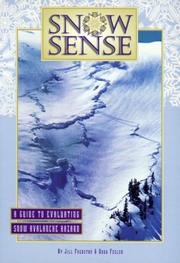
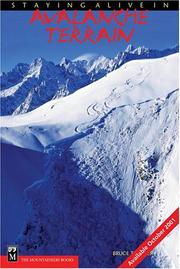
Fredston's avalanche and snowpack guide teaches you to read snow as a material — essential knowledge before you start cutting into it for shelters. It reframes snow from a hazard into a resource you can understand and work with.

The gold-standard backcountry cooking reference, with extensive cold-weather guidance on caloric density, stove efficiency, and meal planning for high-output winter days. Place it here so cooking decisions are informed by the shelter and energy context already established.
Winter Travel Safety & Navigation
ExpertMaster safe travel in winter terrain: snowshoe and ski touring technique, route-finding in whiteout conditions, avalanche awareness, and expedition-level risk management and rescue.
▸ Study plan for this stage
Pace: 8–10 weeks, ~40–50 pages/day, with 2–3 days per week dedicated to field practice and skill drills
- Winter terrain assessment and route-finding techniques in low-visibility conditions, including map and compass navigation, GPS use, and terrain association
- Snowshoe and ski touring mechanics: efficient movement, energy management, and technique adaptation across variable snow conditions
- Avalanche formation, terrain analysis, and stability evaluation using the Rutschblock test, compression test, and other field assessment methods
- Avalanche rescue procedures: beacon search, probe techniques, and rapid victim extraction in expedition contexts
- Winter-specific hazard recognition: cornices, wind slabs, sun cups, and other snow features that affect route safety
- Expedition-level risk management: decision-making frameworks, turnaround times, weather forecasting interpretation, and group dynamics in high-consequence environments
- Rescue and emergency response in remote winter terrain: self-rescue, team rescue, and communication protocols
- Physiological and psychological factors in winter travel: cold injury prevention, altitude effects, and decision fatigue management
- What are the key steps in conducting a field-based avalanche stability assessment, and how do you interpret the results to make a go/no-go decision?
- Describe the complete process of locating and extracting an avalanche victim using beacon, probe, and shovel, including how you manage time and team coordination.
- How do you navigate safely in a whiteout using map, compass, and terrain association, and what decision rules should you apply to avoid getting lost or entering hazardous terrain?
- What are the physiological and environmental factors that lead to cornices, wind slabs, and other dangerous snow features, and how do you identify and avoid them?
- Explain the risk management decision-making framework for a winter expedition: how do you set turnaround times, interpret weather forecasts, and manage group dynamics under stress?
- What are the biomechanical principles of efficient snowshoe and ski touring technique, and how do you adapt your movement to different snow conditions and slopes?
- Complete all navigation exercises in 'Mountaineering: The Freedom of the Hills' (map and compass work, GPS operation, terrain association drills) in both clear and simulated low-visibility conditions.
- Perform at least 5 field-based avalanche stability tests (Rutschblock, compression test, extended column test) in varied terrain and snow conditions, documenting results and interpretations.
- Conduct a full avalanche rescue simulation: beacon burial, search, probe location, and shovel excavation of a practice victim, timing yourself and refining efficiency.
- Lead a winter navigation exercise in actual whiteout or near-whiteout conditions, using only map and compass to navigate a 3–5 mile route with multiple waypoints.
- Practice snowshoe and ski touring technique on slopes of varying angle and snow condition (powder, crust, wind slab, corn), focusing on efficiency, balance, and energy management.
- Develop a detailed risk management plan for a hypothetical winter expedition: set turnaround times, interpret weather data, identify hazards, and document decision rules for different scenarios.
Next up: This stage equips you with the technical and decision-making skills to travel safely in winter terrain; the next stage will focus on integrating these skills into multi-day expedition planning, camp craft, and sustained cold-weather survival in remote environments.

The definitive technical reference for mountain travel — crampon and ice axe use, rope travel on snow, self-arrest, and crevasse rescue. Its chapters on snow travel and weather are indispensable for anyone moving through serious winter terrain.
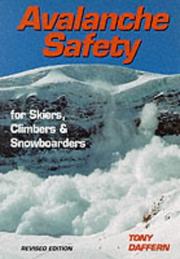
A practical, field-oriented companion to Snow Sense that focuses on decision-making frameworks, rescue protocols, and terrain management. Reading it last ties together everything learned about snowpack, travel, and risk into actionable go/no-go judgment.
Discussion
Keep reading
Paths that share books, cover the same subject, or open a related topic.