Camping and car camping: the best books to get outdoors with confidence
This curriculum takes a complete beginner from "never camped before" to a confident, well-equipped car camper who can plan trips, set up a comfortable campsite, cook great meals outdoors, and handle safety situations. Each stage builds on the last — starting with mindset and gear basics, moving into hands-on skills and cooking, and finishing with deeper outdoor knowledge and trip planning.
Foundations: Gear, Mindset & First Nights Out
BeginnerUnderstand what car camping actually involves, learn what gear you need (and don't need), and feel confident enough to plan and execute your very first campout.
▸ Study plan for this stage
Pace: 8–10 weeks, ~25–30 pages/day. Weeks 1–3: "Camping's Top Secrets" (read actively, take notes on gear checklists). Weeks 4–6: "The Ultimate Hiker's Gear Guide" (focus on car camping sections, skip ultralight backpacking details). Weeks 7–10: "Bushcraft 101" (practice skills as you read).
- Car camping is fundamentally different from backpacking: weight and bulk are not constraints, so prioritize comfort, durability, and functionality over minimalism
- The 'Big Four' essentials for car camping: shelter (tent), sleep system (bag + pad), cooking setup, and lighting—everything else is secondary
- Gear selection is personal and iterative: start with basics, test them in real conditions, and upgrade based on actual needs rather than marketing hype
- Campsite selection and setup (location, water access, weather protection, fire safety) directly determines comfort and safety more than any single piece of gear
- Fundamental bushcraft skills (fire-building, water sourcing, basic knot-tying, shelter assessment) build confidence and self-reliance in the outdoors
- The mindset shift required: moving from 'camping is roughing it' to 'camping is intentional outdoor living with the right preparation'
- Testing gear at home and on short trips before committing to longer adventures reduces anxiety and prevents costly mistakes
- What are the three most critical mistakes beginners make when choosing car camping gear, and how do you avoid each one?
- Describe your ideal car camping sleep system (tent, sleeping bag, pad): why did you choose each component, and what conditions is it rated for?
- How would you select a campsite in an unfamiliar area, and what specific features would you look for to ensure safety and comfort?
- Explain the relationship between proper gear selection and campsite choice—why can't one compensate entirely for the other?
- Walk through the steps to build a fire safely from scratch using natural materials, and explain why fire-building is a confidence-building skill for car campers
- Plan a complete first car camping trip (destination, duration, gear list, meal plan): justify each decision based on what you've learned
- Create a detailed gear checklist for a 2-night car camping trip in spring/fall weather, organized by category (shelter, sleep, cooking, safety, comfort). Cross-reference it against checklists in 'Camping's Top Secrets'.
- Visit a local outdoor retailer or browse online and physically compare three tent models in your budget range. Document weight, setup time, ventilation, and weather resistance; explain which you'd choose and why.
- Conduct a 'backyard test': set up your tent (or a borrowed one) in your yard, sleep in it for one night with your sleeping bag and pad, and journal about comfort, condensation, and any issues discovered.
- Practice fire-building in a safe location (fire pit, fireplace, or outdoor fire ring) using the methods from 'Bushcraft 101': gather tinder, kindling, and fuel wood; build and light three different fire lay structures (teepee, log cabin, lean-to).
- Prepare a complete meal outdoors using a camp stove or campfire (from 'Camping's Top Secrets' or 'Bushcraft 101' recipes). Time yourself, note what worked and what didn't, and identify any missing gear.
- Scout a local campground or dispersed camping area in person. Evaluate 3–5 potential campsites using criteria from the books: water access, wind protection, drainage, level ground, proximity to hazards. Write a site assessment for each.
Next up: This stage equips you with the knowledge and hands-on confidence to execute a safe, comfortable first car camping trip; the next stage will deepen your skills in trip planning, navigation, weather management, and longer multi-day expeditions.
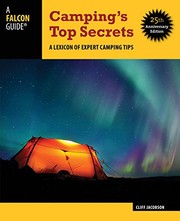
A legendary, no-nonsense primer by one of America's most trusted outdoor educators. Read this first to build a solid mental model of camping fundamentals — shelter, weather, gear selection — before spending a dime on equipment.

Though hiking-focused, Skurka's systematic framework for evaluating gear (layering, shelter, sleep systems) gives car campers a smart, critical lens for choosing equipment rather than just buying whatever REI recommends.

Read after the gear guides to understand the 'why' behind outdoor tools and shelter — this grounds your gear choices in real-world function and builds confidence before your first trip.
Setting Up Camp: Comfort, Safety & Campsite Skills
BeginnerLearn how to set up a comfortable, organized campsite; handle common safety situations; practice Leave No Trace ethics; and sleep well outdoors.

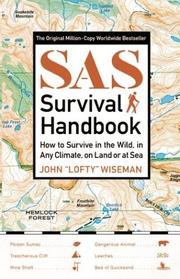
A classic, accessible survival and safety reference that every camper should read early. It covers fire, water, shelter, and navigation in plain language — essential safety vocabulary before you head out alone.

The definitive guide to LNT principles — campsite selection, waste disposal, fire impact — which are now expected knowledge at most campgrounds and public lands. Read this before your first real trip.
Camp Cooking: Eating Well Outdoors
IntermediatePlan and cook satisfying, safe, and delicious meals at the campsite using car camping-friendly equipment, from simple one-pot dinners to impressive camp feasts.
Cast iron is the workhorse of car camp cooking. This book deepens your technique with recipes and methods that translate directly to a campfire or camp stove, building on the basics from the previous book.
Trip Planning & Going Further
IntermediatePlan multi-night car camping trips with confidence — choosing destinations, reading maps, understanding weather, and organizing logistics for groups or families.
▸ Study plan for this stage
Pace: 6–8 weeks, ~40–50 pages/day (mix of dense technical sections and practical chapters)
- Map reading fundamentals: interpreting contour lines, grid references, scale, and terrain symbols to navigate unfamiliar areas
- Route finding and terrain assessment: identifying safe passages, recognizing hazards, and adapting plans based on ground conditions
- Weather interpretation and preparation: reading forecasts, understanding mountain weather patterns, and packing appropriate gear for variable conditions
- Logistics and group management: planning food, water, campsites, and schedules for multi-night trips with families or groups
- Navigation tools and techniques: using compass, GPS, and map combinations to stay oriented in remote areas
- Risk assessment and decision-making: evaluating hazards, setting turnaround times, and knowing when to abandon or modify plans
- Seasonal considerations: understanding how terrain, weather, and daylight hours change across seasons and affect trip viability
- How do you read contour lines on a topographic map to understand elevation gain, slope steepness, and terrain features?
- What steps would you take to plan a 3-night car camping trip for a family of four, including route selection, campsite research, and contingency planning?
- How do you use a compass and map together to verify your location and navigate when GPS is unavailable or unreliable?
- What weather patterns and seasonal factors should influence your destination choice and gear selection for a multi-night trip?
- How do you assess terrain hazards (rockfall, exposure, water crossings, etc.) and decide whether to proceed, modify, or abandon a planned route?
- What logistical factors (water sources, mileage, elevation gain, group fitness) must you balance when planning a multi-night group camping trip?
- Obtain a topographic map of a region you want to visit and practice identifying contour patterns, elevation changes, and terrain features without consulting the legend first; then verify your interpretations
- Plan a complete 2–3 night car camping trip from scratch: choose a destination, research campsites, plot a route on a map, check the weather forecast, and create a packing list and daily schedule
- Practice compass navigation in a local park or familiar area: take a bearing from a map, walk it in the field, triangulate your position using landmarks, and verify with GPS
- Collect weather forecasts for a planned trip destination over 1–2 weeks and analyze how conditions change; note which forecast elements would affect your gear, route, or timing decisions
- Create a group trip logistics spreadsheet for 4–6 people covering food, water, mileage, elevation gain, camp locations, and contingency options; identify potential bottlenecks or conflicts
- Conduct a 'armchair hazard assessment' of a published route using maps, photos, and trip reports: identify rockfall zones, exposure, water crossings, and other hazards, then decide if you'd attempt it and why
Next up: This stage equips you with the foundational navigation, planning, and risk-assessment skills needed to confidently execute multi-night trips; the next stage will build on these skills by introducing advanced terrain navigation, weather prediction, and emergency response in more remote or challenging environments.
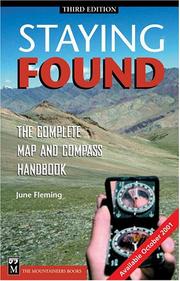
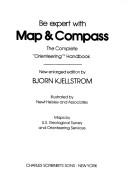
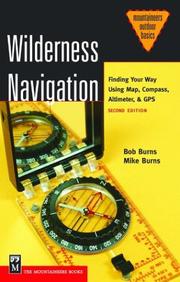
An approachable, highly readable guide to map and compass navigation. Car campers often underestimate the value of navigation skills; this book fills that gap before trips get more ambitious.

The gold-standard outdoor reference for trip planning, weather reading, and risk management. Dip into the relevant chapters — weather, camping, safety — to elevate your planning process well beyond the basics.
Mastery & Deeper Connection to the Outdoors
ExpertDevelop a richer relationship with the natural world, refine your outdoor philosophy, and gain the knowledge to handle more challenging conditions and remote car camping destinations.
▸ Study plan for this stage
Pace: 8–10 weeks, ~25–30 pages/day. Read "A Sand County Almanac" (weeks 1–4, ~60 pages/week), then "Deep Survival" (weeks 5–8, ~70 pages/week). Weeks 9–10: review, reflection, and integration exercises.
- Leopold's land ethic: expanding moral responsibility beyond humans to soils, waters, plants, and animals as an integrated community
- Ecological thinking: understanding how individual actions ripple through interconnected natural systems
- Mindful observation: developing patience and attention to seasonal patterns, wildlife behavior, and landscape details
- Survival psychology: recognizing how panic, denial, and cognitive errors undermine decision-making in emergencies
- Adaptive thinking under stress: maintaining flexibility, managing fear, and using experience to solve novel problems
- Risk assessment and prevention: identifying hazards before they become crises through preparation and situational awareness
- Connecting outdoor philosophy to practice: translating Leopold's ethics into responsible, low-impact car camping and wilderness travel
- What does Leopold mean by the 'land ethic,' and how does it differ from viewing nature as a resource to be exploited?
- How does Leopold's concept of 'thinking like a mountain' apply to your understanding of ecological time scales and your role as a visitor to wild places?
- What are the key cognitive and psychological errors that Gonzales identifies in survival failures, and how can awareness of these biases improve your decision-making in the field?
- How does Gonzales distinguish between panic and productive fear, and why is this distinction critical for handling emergencies while car camping or in remote areas?
- What connections can you draw between Leopold's land ethic and the responsible outdoor practices Gonzales implicitly advocates through his survival case studies?
- How would you design a car camping trip that reflects both Leopold's ecological values and the risk-management principles from 'Deep Survival'?
- Complete a seasonal phenology journal: spend 2–3 weeks observing and recording one specific natural area near your home or a car camping destination (weather, plant growth, animal activity, light changes). Reflect on how Leopold's essays connect to your observations.
- Write a personal land ethic statement: after finishing 'A Sand County Almanac,' draft 1–2 pages describing your own ethical relationship to the natural world and how it will guide your camping and outdoor decisions.
- Analyze a survival case study: choose one detailed account from 'Deep Survival,' identify the cognitive errors and decision points, and write a brief reflection on how you would have approached the situation differently.
- Conduct a risk assessment for a planned car camping trip: list potential hazards, identify early warning signs, and develop prevention and response strategies informed by Gonzales's principles.
- Practice low-impact camping: plan and execute a car camping trip intentionally designed to minimize ecological footprint (minimal fire, pack-out all waste, stay on established sites). Document how Leopold's ideas shaped your choices.
- Create a survival decision-making guide: develop a personal checklist or framework for staying calm and thinking clearly under stress, drawing on Gonzales's insights and your own outdoor experience.
Next up: This stage transforms you from a recreational camper into an ecologically conscious, psychologically resilient outdoors person—setting the foundation for the next stage, which will likely focus on specialized skills (navigation, wilderness medicine, advanced backcountry travel) or specific ecosystems, all grounded in the ethical and psychological frameworks you've now internalized.

The foundational text of outdoor ethics and land stewardship. Reading this transforms camping from a recreational activity into a meaningful, mindful practice — the mark of a truly seasoned camper.
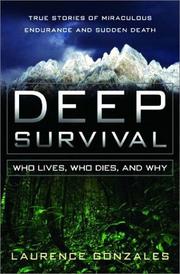
A fascinating, science-backed exploration of why some people survive dangerous outdoor situations and others don't. This capstone read sharpens your decision-making mindset for any future adventure.
Discussion
Keep reading
Paths that share books, cover the same subject, or open a related topic.