Best Books to Become a Park Ranger, in Order
This curriculum moves from a vivid, ground-level feel for what park ranger life is actually like, through the two main career tracks (interpretation and law enforcement), into the seasonal-to-permanent hiring pipeline and the federal application process. Each stage builds the vocabulary, context, and insider knowledge needed to get the most out of the next, so a beginner ends up with a genuinely deep, practical understanding of the career.
The Job as It Really Is
BeginnerBuild a vivid, honest picture of day-to-day ranger life — the rewards, the hardships, and the full range of duties — before committing to a specific track.
▸ Study plan for this stage
Pace: 4–5 weeks, ~40–50 pages/day (approximately 200–250 pages total)
- The emotional and psychological toll of ranger work: isolation, trauma exposure, and burnout
- The full spectrum of ranger duties: law enforcement, search and rescue, resource management, and visitor services
- The gap between public perception and ranger reality: what the job actually entails versus romantic notions
- Workplace culture and institutional challenges: bureaucracy, understaffing, and lack of support systems
- Personal sacrifice and lifestyle trade-offs: remote postings, low pay, family strain, and physical demands
- Ethical dilemmas rangers face: balancing conservation, visitor safety, and personal integrity
- How ranger experiences vary by region, park type, and individual temperament
- What are the major categories of work a park ranger performs, and which ones surprised you most based on Lankford's accounts?
- How does Lankford portray the emotional and psychological challenges of ranger work, and what specific incidents illustrate these challenges?
- What gaps exist between how the public perceives park rangers and what their actual job entails?
- What institutional or systemic problems does Lankford identify that make ranger work harder or more dangerous?
- What personal sacrifices do rangers make, and how do these affect their families and long-term career sustainability?
- Based on Lankford's experiences, what qualities or resilience factors seem necessary to succeed as a ranger?
- Create a detailed day-in-the-life timeline for a ranger based on one of Lankford's anecdotes, noting the emotional and physical demands at each stage
- Compile a list of the most surprising or disturbing incidents Lankford describes, categorize them by type (e.g., visitor behavior, environmental crisis, personal trauma), and reflect on what each reveals about the job
- Write a letter from a ranger to a prospective applicant warning them about three specific realities of the job that Lankford highlights
- Interview a park ranger (in person or by phone) and compare their account of daily work to Lankford's portrayal—note similarities, differences, and what surprised you
- Create a visual map or chart showing the trade-offs of ranger life (e.g., solitude vs. isolation, conservation impact vs. low pay, adventure vs. danger) with specific examples from the book
- Reflect in writing: Which of Lankford's experiences would most challenge you personally, and why? What would you need to thrive in those situations?
Next up: This stage establishes the unvarnished reality of ranger work, equipping you with honest expectations and self-awareness before the next stage, which will likely guide you toward choosing a specific ranger specialization or park type that aligns with your strengths and values.

A former NPS ranger writes candidly about rescues, deaths, crime, and the emotional weight of the job. It is the single best 'reality check' book for anyone romanticizing the career, and it introduces both the law-enforcement and interpretive sides naturally.
The Interpretation Track
BeginnerUnderstand what interpretive rangers actually do, master the theory and practice of environmental interpretation, and see how it shapes a career path.
▸ Study plan for this stage
Pace: 4–5 weeks, ~25–30 pages/day. Week 1–2: "Interpreting Our Heritage" (Tilden's foundational principles); Week 3–5: "Environmental Interpretation" (Ham's practical methods and theory deepening).
- Tilden's six principles of interpretation: relating to visitor interests, revealing deeper meanings, provoking thought over instruction, and addressing the whole person
- The distinction between information and interpretation—how rangers transform facts into meaningful narratives
- Audience-centered interpretation: tailoring messages to visitor knowledge, age, and emotional engagement
- Environmental interpretation as a tool for conservation and behavior change, not just education
- The role of firsthand experience and sensory engagement in making interpretation memorable
- Interpretation as a career pathway: how these skills differentiate ranger roles and enable advancement
- Planning and delivering effective interpretive programs: from thematic development to live delivery
- What are Tilden's six principles of interpretation, and why does he emphasize provoking thought over instruction?
- How does environmental interpretation differ from traditional environmental education, and what makes it more effective for changing visitor behavior?
- What does it mean to 'relate interpretation to the personality and experience of the visitor,' and how would you apply this to a specific audience (e.g., children, elderly visitors, international tourists)?
- How would you design an interpretive program around a single theme, and what role does firsthand experience play in its success?
- What are the key steps in planning an interpretive talk or walk, and how do you balance information delivery with emotional engagement?
- How does mastering interpretation position a ranger for career growth and specialization within the National Park Service or similar agencies?
- Read and annotate Tilden's six principles, then identify real-world examples of each principle in existing park ranger talks, museum exhibits, or nature documentaries
- Design a 15-minute interpretive talk on a local natural or cultural feature (real or hypothetical), explicitly addressing Tilden's principles and Ham's audience-centered approach
- Conduct a 'live interpretation' practice session with a friend or family member, then reflect on which moments engaged them emotionally and which felt like mere information delivery
- Analyze a park ranger's existing interpretive program (video, transcript, or in-person visit) using Ham's framework: identify the theme, audience assumptions, and techniques used to provoke thought
- Create a visitor profile for three different audiences (e.g., school group, senior citizens, international visitors) and write how you would interpret the same site differently for each
- Develop a one-page 'interpretive plan' for a specific park feature, including theme, key messages, sensory elements, and how you'd measure whether visitors were 'provoked to think'
Next up: This stage equips you with the philosophical foundation and practical toolkit of interpretation—the core competency that defines many ranger careers—preparing you to move into specialized tracks such as cultural resource interpretation, wilderness guiding, or visitor services management.
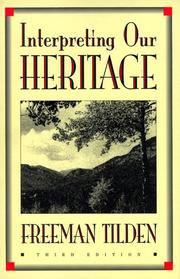
The foundational text of the entire interpretation profession, required reading in virtually every NPS training program. Start here to learn the vocabulary and principles every interpretive ranger is expected to know.
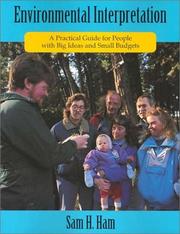
Ham translates Tilden's principles into concrete, research-backed techniques for talks, signs, and tours. Reading it after Tilden shows how the philosophy becomes daily practice on the ground.
The Law Enforcement Track
IntermediateUnderstand the law enforcement ranger role — its legal authority, unique challenges, and how it differs from municipal policing — and decide whether this track fits your goals.
▸ Study plan for this stage
Pace: 4–5 weeks, ~40–50 pages/day (the book is ~330 pages; adjust pace based on density of case studies)
- Legal authority and jurisdiction of park rangers in federal protected lands versus municipal law enforcement
- How environmental hazards, isolation, and wilderness conditions create unique law enforcement challenges distinct from urban policing
- The role of investigation and evidence-gathering in remote, high-consequence incidents within parks
- Ranger decision-making under uncertainty: when to intervene, when to educate, and when to enforce
- How park ranger work balances resource protection, visitor safety, and law enforcement responsibilities
- The psychological and physical toll of law enforcement in wilderness settings and how rangers manage trauma
- Preventive strategies and visitor education as alternatives to enforcement in park management
- What legal authorities do park rangers have that differ from municipal police officers, and what are the limits of their jurisdiction?
- How do environmental hazards (thermal features, wildlife, terrain, weather) complicate law enforcement investigations in national parks?
- Describe at least three types of incidents covered in the book and explain what made each one a law enforcement challenge rather than a simple accident.
- What role does visitor education and prevention play in reducing the need for enforcement actions in parks?
- How do rangers gather evidence and conduct investigations in remote locations where traditional forensic resources may be unavailable?
- Based on the cases in the book, what personal qualities and skills are essential for a law enforcement ranger?
- Create a comparison chart: list 5–6 incidents from the book and categorize each by type (accident, negligence, criminal intent, environmental hazard). Note which required law enforcement intervention and why.
- Write a 1–2 page incident report for one death described in the book, using standard law enforcement report structure (who, what, when, where, why, how, evidence, conclusion).
- Research and document the specific legal codes and regulations that apply to Yellowstone National Park; compare them to regulations in a state park or municipal jurisdiction.
- Interview a park ranger (in person or via email) about a non-fatal incident they handled; ask how they determined whether enforcement, education, or rescue was appropriate.
- Develop a visitor safety briefing or educational sign for a specific hazard mentioned in the book (e.g., thermal features, wildlife encounters); explain how education can prevent incidents.
- Reflect in writing: identify one case from the book where you would have made a different decision as the responding ranger, and justify your reasoning based on legal authority and safety principles.
Next up: This stage establishes the legal, investigative, and interpersonal foundations of law enforcement ranger work through real-world consequences; the next stage will likely explore the practical skills, training pathways, and career progression needed to succeed in this demanding role.
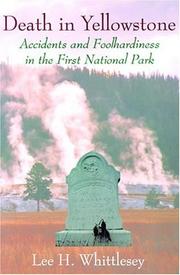
A Yellowstone park historian documents the full range of fatalities in the park, giving deep context for the search-and-rescue, investigation, and public-safety work that LE rangers perform daily.
The Seasonal Path In
IntermediateUnderstand how most rangers actually enter the NPS — through seasonal positions — and what life on the seasonal circuit looks like before landing a permanent appointment.
▸ Study plan for this stage
Pace: 4–5 weeks, ~25–30 pages/day
- Seasonal employment as the primary entry point to NPS careers
- How to identify, apply for, and secure seasonal ranger positions
- The practical realities of seasonal work: pay, housing, contracts, and job mobility
- Building a competitive resume and application strategy for federal positions
- Networking and relationship-building within the seasonal ranger community
- Geographic flexibility and the 'circuit' of seasonal positions across different parks
- How seasonal experience translates into permanent appointments and career advancement
- What are the main pathways to entering the NPS as a seasonal ranger, and why are seasonal positions the most common entry point?
- What practical challenges (housing, pay, contract length) do seasonal rangers face, and how do successful candidates navigate them?
- How should you structure your resume and federal application to stand out for seasonal ranger positions?
- What does the 'seasonal circuit' look like, and how do rangers strategically move between positions to build experience?
- How can networking and relationships with park staff influence your chances of converting a seasonal position into a permanent appointment?
- What skills and certifications are most valuable for advancing from seasonal to permanent ranger roles?
- Create a detailed profile of 3–5 seasonal ranger positions currently posted on USAJobs.gov, noting location, pay, housing provisions, and required qualifications
- Draft a federal resume tailored specifically for a seasonal ranger position, highlighting transferable skills and outdoor/park experience
- Map out a hypothetical 2–3 year 'seasonal circuit' for yourself, identifying parks and positions you'd target and explaining your geographic strategy
- Interview (in person or via email) a current or former seasonal ranger about their entry experience, challenges, and path to permanence—document their story
- Analyze the application materials (cover letter, resume, certifications) of a successful seasonal ranger candidate and identify what made them competitive
- Create a networking action plan: identify 5 parks or rangers you'll contact, draft outreach messages, and set a timeline for follow-up
Next up: This stage equips you with the practical knowledge and strategic mindset to enter the seasonal system; the next stage will focus on thriving once you're in—managing the realities of seasonal life, building the specific skills that lead to permanent positions, and understanding the formal pathways to conversion.

While broader than parks, this widely-used guide covers seasonal and temporary outdoor work culture, contracts, and the mindset of building a career through short stints — directly applicable to the NPS seasonal ladder and useful for planning multi-season strategies.
The Federal Hiring Process
ExpertMaster the USAJOBS application system, federal resume writing, veterans' preference, and the specific occupational series (0025, 0083, 1811) used to hire park rangers so you can compete effectively.
▸ Study plan for this stage
Pace: 4–5 weeks, ~25–30 pages/day, with 2–3 dedicated days per week for resume drafting and USAJOBS practice
- The USAJOBS platform architecture, search filters, and job announcement anatomy (including occupational series codes 0025, 0083, 1811 for park rangers)
- Federal resume formatting standards: KSAs (Knowledge, Skills, Abilities), accomplishment statements, and the Outline Format required by federal hiring
- Kathryn Kraemer Troutman's 'Ten Steps' methodology and how each step maps to competitive federal application success
- Veterans' preference rules, service-connected disability ratings, and how they affect ranking and selection in federal hiring
- Occupational questionnaires, assessment tests, and the federal evaluation process from application through interview
- Tailoring application materials to specific park ranger job announcements and agency requirements
- Common federal hiring pitfalls and how to avoid them (generic resumes, missing KSAs, incomplete applications)
- What are the three main occupational series codes used to hire park rangers, and what are the key differences in their job duties and qualification requirements?
- Explain the 'Ten Steps' framework from Troutman's guide and how each step contributes to a competitive federal application.
- How do you format a federal resume according to Outline Format standards, and why is this different from a private-sector resume?
- What is veterans' preference, how does it work in federal hiring, and how would it affect your ranking if you were a service-connected veteran applying for a park ranger position?
- Describe the anatomy of a USAJOBS job announcement for a park ranger role: what sections matter most, and what red flags should you watch for?
- How do you identify and write accomplishment statements that demonstrate KSAs relevant to a specific park ranger position?
- Complete a full USAJOBS account setup and practice searching for park ranger positions (0025, 0083, 1811) across at least three different federal agencies; save and annotate 5–10 real job announcements
- Draft a federal resume in Outline Format (2–3 pages) using your own work history, highlighting accomplishments relevant to park ranger duties (visitor safety, resource management, law enforcement, etc.)
- Select one saved park ranger job announcement and write 4–6 KSA accomplishment statements tailored to that specific posting
- Complete a mock occupational questionnaire for a park ranger position, then review your answers against the job announcement to ensure alignment
- Create a comparison table of three different park ranger job announcements (from different agencies or series codes) and identify the unique qualifications, KSAs, and assessment methods for each
- Conduct a peer or mentor review of your draft federal resume and KSA statements, incorporating feedback on clarity, accomplishment specificity, and federal formatting compliance
Next up: This stage equips you with the technical knowledge and application materials needed to successfully submit competitive federal applications; the next stage will focus on interview preparation, agency-specific strategies, and networking within the National Park Service and federal land management community to move from application to offer.

The definitive civilian guide to navigating USAJOBS, writing a compliant federal resume, and understanding hiring authorities. Read this first in the stage to decode the system before applying to any ranger announcement.
Discussion
Keep reading
Paths that share books, cover the same subject, or open a related topic.