Wildlife photography: the best books to learn in order
This curriculum takes a beginner wildlife photographer from zero to field-ready, building in four deliberate stages: first establishing core photography and naturalist instincts, then mastering the specialized gear and fieldcraft of wildlife work, then refining artistic vision and composition, and finally studying the masters to develop a personal creative voice. Each stage assumes the vocabulary and skills of the one before it, so reading in order is essential.
Foundations: Camera, Light & the Photographer's Eye
BeginnerUnderstand how a camera works (exposure triangle, autofocus, RAW files) and begin seeing light and moments the way a photographer does — before specializing in wildlife.
▸ Study plan for this stage
Pace: 4–5 weeks, ~25–30 pages/day. Week 1–2: "Understanding Exposure" (focus on exposure triangle, metering, and practical examples). Week 3: Transition and review. Week 4–5: "The Photographer's Eye" (composition, visual design, and seeing light in real scenes).
- The exposure triangle: how aperture, shutter speed, and ISO interact to control exposure and creative outcomes
- Light as the fundamental material of photography: quality, direction, color temperature, and how to read it in any environment
- Metering modes and how cameras measure light (spot, center-weighted, matrix) to make exposure decisions
- RAW vs. JPEG: why RAW files preserve more information and enable better post-processing control
- Autofocus systems: how they work, when to trust them, and when to override for wildlife subjects
- Composition fundamentals: visual weight, balance, leading lines, and framing to guide the viewer's eye
- The photographer's eye: training yourself to see moments, anticipate action, and recognize compelling light before pressing the shutter
- Translating intention into technical settings: using exposure and composition as tools to express what you see and feel
- How do aperture, shutter speed, and ISO work together, and what creative trade-offs does each choice entail?
- What are the main metering modes, and when would you choose each one to expose for wildlife in different lighting conditions?
- Why is shooting in RAW important for wildlife photography, and what advantages does it give you in post-processing?
- How do you read and interpret light in a scene—direction, quality, color temperature—to make it work for your image?
- What is autofocus, how do different AF modes work, and when should you switch to manual focus for wildlife?
- How do composition principles like leading lines, balance, and framing help tell a story or direct attention in a photograph?
- What does it mean to develop 'the photographer's eye,' and how do you train yourself to see moments before they happen?
- How do you translate a creative vision or emotional response into specific camera settings and compositional choices?
- Exposure triangle drills: photograph the same subject at 5 different aperture/shutter/ISO combinations and compare how each affects depth of field, motion blur, and noise. Document your settings and observations.
- Metering mode comparison: shoot the same wildlife scene (or a stand-in subject) using spot, center-weighted, and matrix metering. Analyze which mode gave the most accurate exposure for your subject and why.
- RAW workflow practice: shoot 10 images in RAW+JPEG, then process the RAW files in your editing software (Lightroom, Capture One, etc.). Compare the latitude and detail recovery possible in RAW vs. the JPEG straight out of camera.
- Light reading exercise: spend 30 minutes in a natural setting (park, garden, forest) without your camera. Observe and sketch or describe the direction, quality, and color of light at different times of day. Note how it changes the mood and visibility of subjects.
- Autofocus mode testing: photograph a moving subject (pet, bird, or person) using different AF modes (single-shot, continuous, zone, etc.). Evaluate focus accuracy and speed for each, then document when you'd use each mode for wildlife.
- Composition study: select 5 wildlife photographs from a book or online gallery that you find compelling. Analyze each using Freeman's principles—identify leading lines, balance, visual weight, framing, and how these choices guide your eye and tell a story.
- Personal vision journal: over 2 weeks, take 3–5 photographs daily with a specific compositional or lighting goal in mind (e.g., 'capture side-lit subjects,' 'use leading lines to frame the animal'). Review weekly and note patterns in what works and what you're learning to see.
- Blind exposure challenge: photograph a scene without checking your camera's meter or histogram. Estimate exposure based on light reading alone, then review and compare your guess to the actual result. Repeat 10 times to build intuition.
Next up: This stage equips you with the technical foundation (exposure, focus, RAW workflow) and visual literacy (light, composition, seeing moments) needed to move into wildlife-specific techniques—such as tracking fast-moving subjects, using specialized lenses, and adapting to unpredictable natural light in the field.
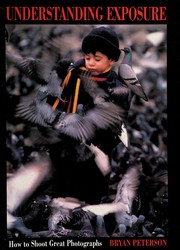
The single clearest explanation of aperture, shutter speed, and ISO for beginners — mastering exposure is non-negotiable before you ever point a lens at a moving animal.
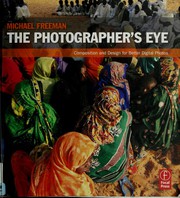
Trains your compositional instincts and visual thinking; reading this second means you immediately apply a creative framework to the technical foundation Peterson built.
Going Deeper: Technique, Light & Storytelling
IntermediateElevate images from technically correct to emotionally powerful by mastering natural light, action-stopping technique, and narrative composition specific to wildlife subjects.
▸ Study plan for this stage
Pace: 8–10 weeks, ~40–50 pages/day with 2–3 days per week dedicated to field practice
- Natural light management in wildlife photography: golden hour, backlighting, and diffusion techniques for creating depth and mood
- Shutter speed, aperture, and ISO mastery for freezing action while maintaining subject sharpness and background separation
- Composition strategies specific to wildlife: rule of thirds, leading lines, negative space, and behavioral framing to convey narrative
- Bird photography as a case study: species-specific behavior prediction, perching vs. in-flight capture, and feather detail rendering
- Emotional storytelling through wildlife imagery: using light, pose, and environmental context to evoke viewer connection
- Field identification and ecological knowledge: understanding subject behavior and habitat to anticipate decisive moments
- Post-processing restraint: enhancing mood and clarity without artificial manipulation that undermines authenticity
- How do you use backlighting and diffusion in natural light to create emotional depth in a wildlife image, and when is each technique most effective?
- What shutter speed, aperture, and ISO combination would you choose to capture a bird in flight while maintaining sharp eyes and a blurred background, and why?
- How does the rule of thirds and negative space differ when composing a stationary animal versus an animal in motion, and how does this affect storytelling?
- What behavioral cues in birds (or other wildlife) signal an imminent action moment, and how would you position yourself to anticipate and capture it?
- How can you use environmental context (habitat, light, pose) in a single frame to tell a complete story about your subject without relying on captions?
- What are three common post-processing mistakes in wildlife photography that undermine authenticity, and how do you avoid them?
- Shoot during golden hour (sunrise/sunset) focusing on one species; compare backlighting, sidelighting, and frontlighting versions of the same subject to understand mood differences
- Photograph birds in flight at varying shutter speeds (1/1000s, 1/2000s, 1/4000s) and apertures (f/5.6, f/8, f/11) to find your personal threshold for sharp eyes with motion blur in wings
- Spend one full session photographing a single perched bird, capturing 10+ compositions using different framings (tight headshot, full body, with environmental context, negative space variations)
- Create a behavior study: observe and photograph one species for 2–3 hours, documenting feeding, preening, territorial, and nesting behaviors to understand action prediction
- Photograph the same wildlife subject under three different natural light conditions (overcast, direct sun, dappled shade) and analyze how light quality changes emotional impact
- Select 5 of your wildlife images and write a one-sentence narrative for each; then reshoot those subjects with the narrative in mind, comparing emotional resonance
- Review 20 images from 'The Art of Bird Photography' and identify the specific light direction, aperture effect (depth of field), and compositional choice in each; replicate one technique in the field
Next up: This stage transforms you from a technically competent wildlife photographer into a visual storyteller, preparing you to specialize in a specific subject (whether birds, mammals, or ecosystems) and develop a cohesive personal style in the next stage.

The Gerlachs are wildlife photography educators who go deep on autofocus strategies, burst shooting, and light quality for animals — exactly the intermediate leap needed after fieldcraft basics.
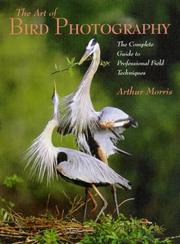
Though focused on birds, Morris's lessons on light angle, background control, and working with fast-moving subjects are universally applicable and written by one of the world's most respected wildlife photographers.
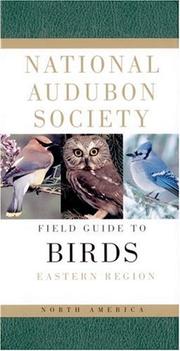
A naturalist reference that deepens your understanding of animal behavior and habitat — knowing your subject is half the battle in anticipating the decisive moment.
Mastery: Vision, Portfolio & the Creative Voice
ExpertStudy the philosophy and artistic vision of master wildlife photographers to develop a distinctive personal style and understand what makes an image transcend documentation to become art.
▸ Study plan for this stage
Pace: 4–5 weeks, ~25–30 pages/day, with 2–3 days per week dedicated to portfolio review and creative reflection
- Art Wolfe's philosophy of visual storytelling: how observation, patience, and deep subject knowledge transform wildlife documentation into narrative art
- The concept of 'vanishing' as both ecological warning and artistic metaphor—using photography to reveal what is being lost and why it matters
- Compositional mastery through restraint: how negative space, light, and timing create emotional resonance rather than visual clutter
- Building a cohesive artistic vision across a body of work—consistency of voice, theme, and aesthetic that unifies disparate images into a portfolio statement
- The photographer's responsibility: balancing artistic ambition with ethical representation of endangered subjects and ecosystems
- Developing a personal visual language: identifying recurring themes, color palettes, and compositional preferences that signal your unique perspective
- The role of technical skill as invisible foundation: mastering exposure, focus, and timing so they never distract from the story being told
- What is Art Wolfe's core philosophy about the relationship between wildlife photography and conservation storytelling, and how does he use images to communicate ecological urgency?
- How does Wolfe use composition, light, and timing to elevate a wildlife image from documentation to art? Identify 3–4 specific examples from the book and analyze what makes them transcendent.
- What recurring themes, subjects, or visual approaches appear throughout Wolfe's work, and what do they reveal about his artistic priorities and worldview?
- How can you identify and articulate your own distinctive visual voice in wildlife photography? What are your signature compositional choices, subject affinities, or thematic concerns?
- What ethical considerations does Wolfe address regarding wildlife photography, and how do they influence your approach to subject selection and image-making?
- How would you structure a cohesive portfolio of 15–20 images that tells a unified story and reflects your personal artistic vision rather than simply showcasing technical skill?
- Read *Vanishing Act* with a dedicated notebook: annotate 10–15 images that resonate most deeply, noting what compositional, emotional, or narrative elements make them powerful. Write 2–3 sentences per image explaining why it transcends documentation.
- Create a visual analysis document: select 5 images from *Vanishing Act*, reproduce them (or describe them in detail), and deconstruct each using a framework of composition, light, subject behavior, and emotional intent. Identify what Wolfe's choices reveal about his artistic priorities.
- Audit your own existing portfolio (20–30 images): identify recurring compositional patterns, color palettes, subject types, and emotional tones. Write a 1-page statement describing your emerging visual voice and how it differs from or aligns with Wolfe's approach.
- Shoot a focused series (15–20 images over 2–3 weeks) on a single subject or ecosystem with the explicit goal of creating a narrative arc—not just documenting behavior, but telling a story about change, relationship, or vulnerability. Review against Wolfe's philosophy.
- Curate a personal 'vision board' of 8–10 images (from *Vanishing Act* or your own work) that exemplify your artistic goals. Write a manifesto (300–500 words) articulating your photographic philosophy, your relationship to your subjects, and what you want your images to communicate.
- Conduct a comparative analysis: choose one subject Wolfe has photographed extensively and research how other master wildlife photographers have approached the same subject. Write a reflection on how Wolfe's unique vision shaped his interpretation and how you might develop your own distinctive approach to a familiar subject.
Next up: This stage establishes the philosophical and artistic foundations of your personal vision; the next stage will likely focus on executing that vision through advanced technical mastery, building a cohesive body of work, and learning the business and presentation skills needed to share your artistic voice with the world.

Wolfe's landmark camouflage project teaches advanced observation and the art of seeing what is hidden — a masterclass in patience, fieldcraft, and the photographer's eye at their highest level.
Discussion
Keep reading
Paths that share books, cover the same subject, or open a related topic.