Landscape photography: books to capture stunning outdoor scenes
This curriculum takes a beginner landscape photographer from core visual principles all the way through advanced field craft, light mastery, and post-processing — building each skill on the last. The path moves from seeing and composing, to understanding light and planning, to mastering gear and technique in the field, and finally to crafting a finished image in post-production.
Foundations: Learning to See
BeginnerDevelop a photographer's eye — understand composition, visual design, and what makes a landscape image compelling before worrying about gear or settings.
▸ Study plan for this stage
Pace: 4–5 weeks, ~25–30 pages/day. Start with "Understanding Exposure" (Week 1–2), then move to "The Photographer's Eye" (Week 3–5). Allow time for reflection and field practice between reading sessions.
- The exposure triangle (aperture, shutter speed, ISO) and how each element controls light and creative intent, not just technical correctness
- Composition fundamentals: balance, leading lines, framing, and the rule of thirds as a starting point, not a rule
- Visual hierarchy and how to direct the viewer's eye through deliberate placement and contrast
- The relationship between subject, background, and negative space in creating compelling landscape images
- How light quality (direction, color, intensity) shapes mood and emotional impact in photographs
- The difference between seeing technically and seeing photographically — training your eye to recognize compelling moments and arrangements before pressing the shutter
- Depth and layering in landscape composition: foreground, middle ground, and background working together
- Personal visual language: understanding why certain images resonate and how to develop your own aesthetic preferences
- How do aperture, shutter speed, and ISO work together, and how would you adjust each to achieve a specific creative goal (e.g., motion blur in water, sharp depth of field across a landscape)?
- What is the difference between 'correct' exposure and 'intentional' exposure, and when might you deliberately overexpose or underexpose a scene?
- Describe three compositional techniques from 'The Photographer's Eye' and explain how each guides the viewer's attention in a landscape image.
- How do foreground, middle ground, and background elements work together to create depth and visual interest in a landscape photograph?
- What role does light quality (direction, color, time of day) play in determining whether a landscape scene is worth photographing, and how would you position yourself to use light intentionally?
- How can you train yourself to 'see photographically' rather than just looking at a scene, and what specific visual elements should you actively scan for when scouting a location?
- Exposure study: Photograph the same landscape scene at three different times of day (golden hour, midday, blue hour). For each, intentionally adjust exposure to match your creative intent, then compare and reflect on how exposure choices changed the mood and impact.
- Composition analysis: Select 5 landscape photographs you admire (from books, galleries, or online). For each, identify the compositional techniques at work (leading lines, rule of thirds, framing, balance, etc.) and write a brief explanation of how each technique guides your eye.
- Rule of thirds exploration: Shoot the same subject or scene using three different compositional approaches—one following the rule of thirds strictly, one breaking it intentionally, and one using leading lines. Compare the results and discuss which feels most compelling and why.
- Foreground-middle-background exercise: Find a landscape location and take 6 shots, each emphasizing a different depth layer (close foreground in focus, middle ground as primary subject, distant background as focal point, etc.). Evaluate which layering creates the strongest sense of depth.
- Light quality observation: Spend 2–3 hours at one location photographing during different light conditions (harsh sun, overcast, golden hour, shadows). Note how light direction, color temperature, and intensity change the visual impact and emotional tone of the same scene.
- Photographer's eye journal: Over 2 weeks, keep a daily visual journal. Each day, identify one compelling landscape composition you encounter (in person or in images) and sketch or describe it, noting which compositional principles make it work. Reflect on patterns in what draws your eye.
Next up: This stage builds your visual foundation and trains you to recognize compelling compositions and light before you engage with camera settings—preparing you to move into the next stage where you'll learn how to translate these visual insights into technical execution using specific gear and camera modes.
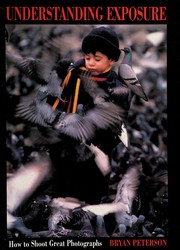
The perfect starting point: Peterson demystifies aperture, shutter speed, and ISO in plain language, giving beginners the technical confidence to control their camera intentionally from day one.

Teaches the grammar of visual composition — framing, balance, light, and moment — building the vocabulary needed to evaluate and improve every landscape shot you take.
Intermediate Mastery: Light, Vision & Storytelling
IntermediateDeepen your understanding of natural light in all its forms, develop a personal creative vision, and learn to tell a story through a landscape image rather than simply document a scene.
▸ Study plan for this stage
Pace: 8–10 weeks, ~40–50 pages/day with 2–3 days per week for field practice and reflection
- Light as the primary subject: understanding how direction, quality, color temperature, and intensity of natural light shape mood and meaning in landscape photography
- The decisive moment in landscape photography: recognizing and waiting for the convergence of light, weather, and composition that creates a compelling image
- Personal vision and visual language: developing a consistent aesthetic and thematic approach rather than chasing technical perfection or copying established styles
- Storytelling through landscape: using visual elements (foreground, middle ground, background, light, color) to convey narrative, emotion, and place-specific meaning
- Seeing like a photographer: training your eye to anticipate light changes, recognize compositional opportunities, and understand how the camera interprets what the human eye perceives
- The relationship between technical mastery and artistic intent: balancing exposure, focus, and camera settings as tools to serve your creative vision, not as ends in themselves
- Emotional and spiritual connection to place: how deep observation and repeated visits to locations deepen your understanding and strengthen your visual storytelling
- How does Galen Rowell use the concept of 'mountain light' to define a specific approach to landscape photography, and what role does timing and patience play in capturing it?
- What does Bruce Barnbaum mean by 'the art of photography,' and how does he distinguish between technical competence and artistic vision?
- How can you use natural light—including golden hour, blue hour, overcast conditions, and dramatic storm light—to convey different emotions and narratives in a single landscape?
- What is your personal visual language or aesthetic, and how do the principles in these books help you develop and refine it?
- How do you move beyond documentary photography to tell a story through a landscape image? What visual and compositional choices support this shift?
- How does understanding the 'decisive moment' in landscape photography change the way you plan and execute a shoot?
- Read 'Mountain Light' (Weeks 1–4) and create a visual journal: for each chapter or section, find or sketch one image (from Rowell or your own work) that exemplifies the light concept discussed, and write 100–150 words on how the light serves the story
- Conduct a 'light study' over 2–3 weeks: photograph the same landscape location at different times of day and in different weather conditions (golden hour, midday, blue hour, overcast, stormy). Compare the images and write about how light transforms the narrative and emotional impact
- Read 'The Art of Photography' (Weeks 5–8) and complete Barnbaum's exercises or prompts if included; if not, select 3–5 of your own landscape images and critique them using Barnbaum's framework—what is the artistic intent, and do the technical and compositional choices support it?
- Shoot a 'personal vision series': identify a theme, location, or subject that resonates with you emotionally, and create 10–15 images over 4–6 weeks that tell a cohesive story. Document your decision-making process (why this light, this angle, this moment?) in a written or audio journal
- Analyze 3–5 landscape photographs by Galen Rowell or another master photographer: for each, identify the light source, the time of day, the weather conditions, and the emotional or narrative effect. Write about how the photographer's choices align with the principles in the books
- Create a 'vision statement' for your landscape photography: in 200–300 words, describe your aesthetic, the themes or places that matter to you, the emotions you want to evoke, and how you plan to develop your unique voice. Revisit and refine this statement at the end of the stage
Next up: By internalizing how light, vision, and storytelling work together, you'll be ready to advance to the next stage, which likely focuses on refining technical mastery, exploring advanced compositional strategies, or applying these principles to specialized landscape genres (e.g., wilderness, urban, seascapes, or long-term projects).
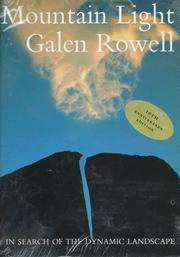
A landmark work by one of the greatest outdoor photographers; Rowell's essays on the quality of natural light in wilderness settings will permanently change how you observe and pursue light in the field.
Bridges technical skill and artistic vision — Barnbaum pushes you to ask *why* you're making an image, not just how, elevating your landscape work from competent to expressive.
Advanced Field Technique: Gear, Conditions & Seasons
IntermediateMaster advanced camera techniques — long exposures, filters, hyperfocal distance, shooting in extreme weather — and build a complete system for planning and executing images in any season.
▸ Study plan for this stage
Pace: 4–5 weeks, ~25–30 pages/day, with 2–3 days per week dedicated to field practice and gear testing
- Long exposure techniques: shutter speed, neutral density filters, and motion blur as compositional tools
- Filter systems: polarizing, graduated ND, and color filters for controlling light and atmosphere in landscape work
- Hyperfocal distance and depth-of-field calculation for maximum sharpness across the frame
- Extreme weather shooting: protecting gear, adapting technique, and leveraging harsh conditions for dramatic imagery
- Seasonal light and landscape transformation: planning shoots around seasonal changes, color shifts, and weather patterns
- Complete camera system design: matching lenses, filters, and accessories to your shooting style and environment
- Seeing like a photographer: developing visual awareness, recognizing light quality, and translating intention into technical execution
- Post-processing integration: understanding how in-camera technique (exposure, white balance, filter choices) affects Photoshop workflow
- How do you calculate hyperfocal distance for a given aperture and focal length, and why is this critical for landscape sharpness?
- What are the practical differences between polarizing, graduated ND, and solid ND filters, and when would you use each in a landscape scenario?
- How do long exposures change the visual impact of moving water, clouds, and vegetation, and what shutter speeds produce different effects?
- Describe a complete pre-shoot planning process for a landscape location across different seasons, including gear selection and weather contingencies.
- What technical and compositional adjustments do you make when shooting in extreme conditions (heavy rain, snow, intense sun, high winds)?
- How does understanding light quality and direction inform your choice of camera settings, filter selection, and composition?
- Shoot a series of long exposures (2–30 seconds) of the same water or cloud scene with different ND filters and shutter speeds; compare how motion blur changes the mood and composition
- Test hyperfocal distance in the field: pick a landscape scene, calculate hyperfocal distance for 2–3 apertures, shoot at each, and examine sharpness from foreground to background in Photoshop
- Create a complete filter kit inventory for your camera system; document each filter's purpose, optical characteristics, and ideal use cases based on Sheppard's recommendations
- Photograph the same landscape location across 2–3 different seasons or weather conditions; analyze how light, color, and atmosphere change, and how your technical approach adapts
- Shoot in one extreme weather condition (rain, snow, high wind, intense sun) with full gear protection; document your protective measures and any technique adjustments needed
- Conduct a 'seeing exercise': spend 30 minutes at one location without shooting, observing light direction, quality, color temperature, and compositional possibilities; then shoot with heightened intentionality
Next up: This stage equips you with the technical mastery and environmental awareness to execute any landscape image you envision; the next stage will deepen your compositional sophistication and teach you to synthesize these tools into a cohesive visual voice and body of work.
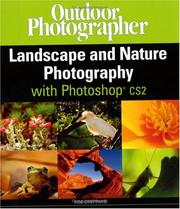
A thorough, field-tested guide to the full range of outdoor conditions — fog, snow, golden hour, storms — with practical advice on filters, tripods, and seasonal planning.
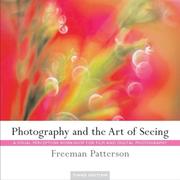
Challenges advanced shooters to break habitual ways of seeing and experiment with perspective, abstraction, and design — essential for pushing past technically correct images into truly original landscape work.
Post-Processing: Crafting the Final Image
ExpertLearn to process RAW landscape files with intention — mastering tonal control, color grading, luminosity masking, and sky/detail work to produce finished images that match your creative vision.
▸ Study plan for this stage
Pace: 4–5 weeks, ~40–50 pages/day (focusing on post-processing chapters), with 2–3 dedicated practice days per week for hands-on editing
- RAW file workflow and non-destructive editing principles in Photoshop
- Tonal control through Curves, Levels, and Shadows/Highlights adjustments
- Color grading using Color Balance, Hue/Saturation, and selective color tools
- Luminosity masking and layer masks for precise, localized adjustments
- Sky replacement and detail enhancement techniques specific to landscape work
- Smart Objects and adjustment layers for maintaining editing flexibility
- Output sharpening and export settings optimized for different media
- Building a repeatable editing workflow that aligns with creative intent
- How do you set up a non-destructive RAW workflow in Photoshop, and why is this critical for landscape photography?
- Explain the relationship between Curves, Levels, and Shadows/Highlights—when would you use each for landscape tonal control?
- What is a luminosity mask, and how does it enable more precise color and tonal adjustments than standard layer masks?
- Walk through a complete color grading workflow for a landscape image: how would you adjust color balance, saturation, and selective colors to match your vision?
- Describe the process for sky replacement or enhancement in a landscape image—what tools and techniques does Photoshop offer?
- How do you prepare a finished landscape image for output (sharpening, color space, file format) depending on whether it's for print or web?
- Process 3 RAW landscape files using only Curves and Levels adjustments; document your tonal decisions and compare results
- Create a luminosity mask from scratch on a landscape image and use it to selectively brighten or darken specific tonal ranges
- Grade a landscape image through a complete color workflow: establish color balance, adjust saturation selectively, and apply targeted hue shifts to match a mood or reference
- Practice sky replacement or enhancement on 2 landscape images—experiment with both manual masking and content-aware tools
- Build a custom Photoshop action or preset that captures your preferred editing workflow; apply it to 5 images and refine based on results
- Edit a challenging landscape image (mixed lighting, blown highlights, or color cast) using all techniques learned; write a brief reflection on your decision-making process
Next up: Mastering intentional post-processing in Photoshop equips you to translate your creative vision into finished images, setting the foundation for the next stage where you'll learn to evaluate, critique, and refine your work within a broader portfolio and professional context.
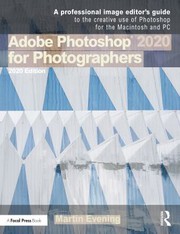
The canonical advanced Photoshop reference; teaches luminosity masking, layer-based dodging and burning, and compositing techniques that allow precise, professional-grade finishing of landscape photographs.
Discussion
Keep reading
Paths that share books, cover the same subject, or open a related topic.