Intermittent fasting: the best books on the science and practice, in order
This curriculum builds from accessible introductions to intermittent fasting all the way through the rigorous metabolic science and longevity research that underpins it. Starting with practical, motivating overviews, the path progressively layers in the biochemistry of fasting, circadian biology, and cellular repair mechanisms — giving the reader both the "how" and the deeply evidence-based "why" behind every eating window and fasting protocol.
Foundations: What Fasting Is and Why It Works
BeginnerUnderstand the core concept of intermittent fasting, its main protocols (16:8, 5:2, OMAD), and the basic metabolic logic — fat burning, insulin, and metabolic switching — without needing a science background.
▸ Study plan for this stage
Pace: 4–5 weeks, ~40–50 pages/day. Start with "The Complete Guide to Fasting" (weeks 1–3, ~300 pages), then move to "Delay, Don't Deny" (weeks 4–5, ~200 pages). This allows time for reflection and note-taking between books.
- Intermittent fasting as a pattern of eating (when you eat) rather than what you eat, and how it differs from traditional calorie restriction
- The three main protocols: 16:8 (time-restricted eating), 5:2 (eating normally 5 days, restricting 2 days), and OMAD (one meal a day), with their respective advantages and use cases
- Insulin's role in fat storage and how fasting lowers insulin levels to enable fat burning
- Metabolic switching: the shift from glucose-burning to fat-burning and ketone production, and the timeline for this transition
- The physiological difference between fed and fasted states, and how extended fasting triggers autophagy and cellular repair
- Common myths about fasting (starvation mode, muscle loss, breakfast necessity) and evidence-based rebuttals from both books
- How fasting fits into real life: practical implementation strategies, hunger management, and sustainability for different lifestyles
- The distinction between fasting as a tool for weight loss versus metabolic health and longevity
- What is intermittent fasting, and how does it differ from simply eating less food?
- Describe the three main intermittent fasting protocols (16:8, 5:2, OMAD) and explain which might be best suited for a beginner and why.
- Explain the role of insulin in fat storage and how fasting lowers insulin to promote fat burning.
- What is metabolic switching, and approximately how long does it take for the body to shift from burning glucose to burning fat?
- What happens during autophagy, and why is it considered beneficial in the context of fasting?
- Name three common myths about fasting and provide evidence-based counter-arguments for each.
- Track your current eating pattern for 3 days: note meal times, hunger levels, and energy. Then identify which fasting protocol (16:8, 5:2, or OMAD) seems most compatible with your schedule and lifestyle.
- Create a visual timeline showing the metabolic switching process: label the fed state, early fasting (0–12 hours), fat-burning phase (12–24 hours), and ketone production (24+ hours). Add notes on what's happening physiologically at each stage.
- Write a one-page summary of how insulin works in the body (using Fung's explanation) and draw a diagram showing the difference in insulin levels between a typical eating pattern and a fasting pattern.
- Interview or survey 2–3 people about their beliefs regarding fasting (e.g., 'Does skipping breakfast slow your metabolism?'). Then use evidence from the books to write a respectful, fact-based response to each myth.
- Plan a 24-hour trial fast or a 16:8 eating window for one day this week. Document your hunger, energy, mood, and any surprises. Reflect on how it felt and whether you'd adjust the protocol.
- Create a comparison table of the three main protocols (16:8, 5:2, OMAD) with columns for: ease of adherence, social compatibility, time to fat-burning, and best use case. Use examples from both books.
Next up: This stage establishes the metabolic and practical foundations of fasting, preparing you to explore advanced topics such as fasting for specific health conditions, optimizing fasting protocols for individual goals, and navigating challenges like social eating and hormonal considerations.

The single best starting point: a physician-authored, accessible overview of fasting protocols and their rationale, written for a general audience. It establishes the vocabulary (insulin, ketosis, metabolic switching) used throughout the rest of the curriculum.

A practical, experience-driven companion that focuses on the 'clean fast' and real-world adherence strategies. Reading it second grounds the theory from Fung in everyday routine and common beginner pitfalls.
Eating Windows & Circadian Science
BeginnerLearn how the timing of eating — not just its absence — interacts with the body's circadian clock, and understand why when you eat matters as much as what you eat.
▸ Study plan for this stage
Pace: 4–5 weeks, ~40 pages/day. Start with "The Circadian Code" (weeks 1–3, ~300 pages), then "Fast. Feast. Repeat." (weeks 4–5, ~150 pages). Allow 2–3 days between books to consolidate learning.
- Circadian rhythms govern cellular processes beyond sleep—including metabolism, hormone release, and nutrient absorption—making meal timing as critical as meal content
- Light exposure is the master clock regulator: morning light synchronizes circadian rhythms and improves metabolic health, while evening light disrupts them
- The body has optimal eating windows aligned with circadian peaks in insulin sensitivity and digestive capacity, typically during daylight hours
- Eating outside your circadian rhythm (late-night eating, constant snacking) desynchronizes your internal clock and impairs metabolic function
- Intermittent fasting works partly because it consolidates eating into aligned windows, allowing circadian recovery during fasting periods
- Individual chronotypes (early birds vs. night owls) require personalized eating windows rather than one-size-fits-all protocols
- Consistency in eating timing trains your circadian system more effectively than calorie restriction alone
- How does light exposure regulate your circadian clock, and why does morning light exposure improve metabolic health?
- What is the relationship between your circadian rhythm and insulin sensitivity, and why do eating windows matter?
- How does eating outside your natural circadian rhythm (e.g., late-night meals) affect your metabolism and health?
- What is your chronotype, and how should it influence when you choose to eat?
- Why does intermittent fasting work better when eating windows align with circadian peaks rather than occurring randomly?
- How can you use the principles from these books to design a personalized eating schedule that fits your lifestyle?
- Track your natural energy and hunger patterns for 1 week without changing eating habits; identify your chronotype and circadian peaks
- Implement a 2-week morning light exposure protocol (30 min of sunlight within 1 hour of waking) and journal changes in sleep quality, energy, and hunger timing
- Design a personalized eating window based on your chronotype and circadian science from the books; write out the rationale for your chosen times
- Conduct a 2-week experiment: eat all meals within a 10-hour window aligned with your circadian rhythm, tracking energy, digestion, and sleep quality
- Create a visual circadian timeline showing your body's hormone peaks (cortisol, melatonin, insulin sensitivity) and overlay your proposed eating window
- Interview someone with a different chronotype about their natural eating patterns; compare their rhythm to yours using concepts from 'The Circadian Code'
Next up: This stage establishes the *why* and *when* of intermittent fasting by grounding it in circadian science; the next stage will likely focus on the *how*—specific fasting protocols, implementation strategies, and troubleshooting real-world challenges.

Written by the world's leading researcher on time-restricted eating, this book translates Panda's landmark lab findings into practical eating-window guidance. It introduces circadian biology as the scientific backbone of intermittent fasting.

Builds directly on circadian concepts to offer a structured, evidence-referenced lifestyle framework. Reading it after Panda helps the learner apply circadian principles to concrete daily schedules.
Metabolic Science: Insulin, Obesity, and Fasting Physiology
IntermediateDevelop a mechanistic understanding of how fasting affects insulin resistance, weight regulation, and metabolic disease — moving from 'it works' to 'here is exactly why it works at a physiological level.'
▸ Study plan for this stage
Pace: 8–10 weeks, ~25–30 pages/day. Start with "The Obesity Code" (4–5 weeks, ~300 pages), then "Good Calories, Bad Calories" (4–5 weeks, ~500 pages). Allocate 1 week for review and synthesis.
- Insulin as the primary driver of fat storage and obesity, not calories alone — the hormonal model vs. the caloric model
- How refined carbohydrates and sugar trigger hyperinsulinemia and disrupt satiety signaling, leading to overeating and weight gain
- The role of insulin resistance in metabolic disease: how chronically elevated insulin impairs glucose uptake and promotes fat accumulation
- Fasting as a tool to lower insulin levels and restore insulin sensitivity, breaking the cycle of insulin-driven obesity
- The difference between weight regulation (hormonal) and energy balance (thermodynamic) — why calorie restriction fails long-term
- How dietary fat quality, fiber, and food processing affect insulin response and metabolic health differently than calorie content alone
- The historical and scientific evidence for why low-carb, whole-food approaches align with human metabolic physiology
- Leptin resistance and the role of insulin in disrupting appetite regulation and energy homeostasis
- Explain the hormonal model of obesity presented in 'The Obesity Code' and how it differs from the traditional calorie-in/calorie-out model. Why does Fung argue that insulin, not calories, is the primary driver of weight gain?
- What is insulin resistance, and how does it develop? How does chronic hyperinsulinemia (elevated insulin) contribute to metabolic disease and obesity?
- According to Taubes in 'Good Calories, Bad Calories,' what is the distinction between 'good calories' and 'bad calories,' and how do refined carbohydrates differ metabolically from whole foods?
- How does fasting lower insulin levels and restore insulin sensitivity? What physiological changes occur during a fasting period that make it effective for weight loss and metabolic health?
- Why do traditional calorie-restriction diets often fail long-term? How does the hormonal regulation of appetite and satiety explain this failure better than energy balance alone?
- What role does leptin play in appetite regulation, and how does insulin resistance disrupt leptin signaling? How does this explain why obese individuals often remain hungry despite excess energy stores?
- Track your own insulin response: Measure blood glucose or use a continuous glucose monitor (CGM) while eating different foods (refined carbs vs. whole foods, fasted vs. fed state). Document the patterns and correlate with hunger, energy, and cravings.
- Create a detailed food journal for 1–2 weeks, categorizing foods by their likely insulin impact (high glycemic index, processed, whole foods). Reflect on hunger patterns, satiety, and energy levels in relation to food choices.
- Design a hypothetical fasting protocol for someone with insulin resistance based on Fung's principles. Write out the rationale: why this fasting schedule, meal composition, and expected timeline for insulin sensitivity recovery.
- Analyze a case study: Take a person with obesity and metabolic disease. Using concepts from both books, explain their condition through the lens of insulin resistance and hyperinsulinemia, then propose a dietary intervention grounded in the hormonal model.
- Conduct a literature search: Find 2–3 peer-reviewed studies on insulin resistance, fasting, or low-carb diets. Summarize how the findings align with or challenge the arguments in Fung and Taubes.
- Create a visual diagram or infographic showing the feedback loop: refined carbs → hyperinsulinemia → insulin resistance → leptin resistance → overeating → obesity. Label key mechanisms from both books.
Next up: This stage establishes the *why* behind fasting—the metabolic and hormonal mechanisms—which prepares you to learn the *how* in the next stage: practical implementation, individual variation, and real-world protocols tailored to different metabolic states and health conditions.

Fung's rigorous examination of insulin as the master regulator of body weight provides the metabolic framework that explains fasting's power. It should be read before deeper biochemistry texts because it bridges clinical observation and mechanism.

A deeply researched investigation of the hormonal and metabolic science of energy regulation. It challenges calorie-centric dogma with primary literature, giving the reader the critical-thinking tools to evaluate fasting research independently.
Cellular Repair, Longevity & Autophagy
IntermediateUnderstand the cellular and molecular mechanisms — especially autophagy, mTOR, and AMPK — that fasting triggers, and connect these pathways to aging, disease prevention, and longevity research.
▸ Study plan for this stage
Pace: 6–8 weeks, ~40 pages/day (alternating between both books; ~3 weeks per book with overlap for integration)
- Autophagy as a cellular 'cleanup' mechanism triggered by fasting and caloric restriction, and its role in removing damaged organelles and proteins
- The NAD+/sirtuins pathway and how fasting activates sirtuins (especially SIRT1 and SIRT3) to regulate cellular stress responses and longevity
- mTOR (mechanistic target of rapamycin) as a nutrient sensor that suppresses autophagy when active, and how fasting downregulates mTOR to enable cellular repair
- AMPK (AMP-activated protein kinase) as an energy sensor that activates during fasting to trigger metabolic switching and longevity pathways
- The hallmarks of aging (genomic instability, telomere shortening, epigenetic changes, mitochondrial dysfunction) and how fasting interventions address them
- Circadian rhythms and time-restricted eating as mechanisms to synchronize cellular repair with the body's natural cycles
- Protein quality control, mitochondrial health, and the role of periodic fasting in preventing age-related diseases (cancer, neurodegeneration, metabolic disease)
- The longevity diet framework: plant-based nutrition, periodic fasting, and caloric restriction mimetics as practical applications of cellular repair science
- What is autophagy, how is it triggered by fasting, and why is it considered essential for cellular repair and longevity?
- Explain the NAD+/sirtuins axis: how does fasting increase NAD+ levels, and what are the downstream effects of sirtuin activation on aging?
- How do mTOR and AMPK function as nutrient and energy sensors, and why is the balance between them critical during fasting?
- Which hallmarks of aging does fasting directly address, and what is the molecular evidence from Sinclair's research?
- What is the longevity diet, and how do its principles (plant-based foods, periodic fasting, caloric restriction) translate the cellular mechanisms into practical lifestyle recommendations?
- How do circadian rhythms influence the effectiveness of fasting protocols, and what does time-restricted eating accomplish at the cellular level?
- Create a visual pathway map showing how fasting activates AMPK → NAD+ increase → sirtuin activation → autophagy → cellular repair; include mTOR suppression as a parallel mechanism
- Read Sinclair's chapters on sirtuins and NAD+ in 'Lifespan' and summarize the key experiments (e.g., resveratrol studies, NMN supplementation trials) that demonstrate sirtuin function
- Diagram the mTOR and AMPK signaling cascades side-by-side, labeling nutrient sensors, downstream effectors, and the effects on autophagy and protein synthesis
- Extract and organize the hallmarks of aging from 'Lifespan' (genomic instability, telomere attrition, epigenetic alterations, etc.) and annotate which ones fasting interventions target with evidence
- Design a personal 4-week time-restricted eating protocol based on Longo's longevity diet framework, specifying eating windows, food choices, and the cellular mechanisms you expect to activate
- Compare and contrast the fasting protocols discussed in both books (e.g., intermittent fasting vs. periodic fasting vs. caloric restriction mimetics) and evaluate their relative effects on autophagy and mTOR suppression based on the evidence presented
Next up: This stage establishes the molecular foundation—autophagy, sirtuins, mTOR, and AMPK—that explains *why* fasting works at the cellular level; the next stage will likely focus on translating these mechanisms into practical, evidence-based fasting protocols and addressing individual variation, safety, and optimization for specific health outcomes.

A Harvard geneticist's synthesis of the science of aging, covering the role of sirtuins, NAD+, mTOR, and caloric restriction in longevity. It provides the molecular context that explains why fasting is studied as an anti-aging intervention.

Longo is one of the world's foremost fasting researchers; this book presents his evidence on fasting-mimicking diets and periodic prolonged fasting, grounded in decades of clinical and laboratory data. It bridges cellular science and practical long-term protocols.
Advanced Integration: Fasting, the Brain, and Optimized Practice
ExpertSynthesize everything — metabolic, circadian, and cellular science — while adding the neuroscience of fasting and stress hormesis, enabling the reader to critically evaluate new research and design a personalized, evidence-optimized fasting practice.
▸ Study plan for this stage
Pace: 6–7 weeks, ~40–50 pages/day. "Change Your Brain Every Day" (~400 pages, 2 weeks); "Spark" (~300 pages, 2.5 weeks); synthesis and integration (1.5–2 weeks).
- Brain imaging and the neurobiological basis of decision-making, impulse control, and motivation—how fasting affects prefrontal cortex function and executive function
- The role of BDNF (brain-derived neurotrophic factor) and neurogenesis in response to physical activity and metabolic stress, and how fasting may amplify these mechanisms
- Circadian alignment of fasting protocols with the brain's natural rhythms of focus, mood regulation, and neurochemical cycling
- Stress hormesis: how controlled metabolic stress (fasting) triggers adaptive neuroprotection, mitochondrial biogenesis, and cellular repair pathways
- The gut-brain axis and how fasting-induced changes in microbiota composition influence neurotransmitter production, mood, and cognitive performance
- Integrating daily brain-optimization practices (sleep, movement, nutrition timing) with fasting to maximize cognitive resilience and neuroplasticity
- Critical evaluation of emerging neuroscience research: distinguishing mechanistic plausibility from clinical evidence in fasting and brain health claims
- How does fasting influence prefrontal cortex activity and executive function, and what does this mean for decision-making and impulse control during and after fasting periods?
- What is BDNF, how does physical activity and metabolic stress increase it, and what is the evidence that fasting enhances BDNF-mediated neurogenesis?
- How should you align your fasting schedule with your circadian rhythm to optimize cognitive performance, and what are the trade-offs of fasting at different times of day?
- What is hormesis, and how does fasting-induced cellular stress trigger adaptive neuroprotection and mitochondrial improvements rather than harm?
- How does the gut-brain axis function, and what evidence exists that fasting-induced microbiota changes affect mood, cognition, and neuroinflammation?
- Given the current state of fasting neuroscience research, what claims are well-supported by mechanistic and clinical evidence, and which remain speculative?
- While reading 'Change Your Brain Every Day,' map Amen's brain regions and their functions to your own fasting experience: identify which brain areas you believe are most affected by your current fasting protocol (e.g., prefrontal cortex during decision-making, amygdala during stress) and note observable changes in mood, focus, or impulse control.
- Conduct a 2-week 'cognitive baseline' experiment: measure your focus, mood, and decision-making quality at different times relative to your fasting window (fasted state, fed state, post-exercise) using a simple daily log, then re-read Ratey's sections on BDNF and neurogenesis to interpret your data.
- Create a 'circadian-fasting alignment chart' for your own schedule: plot your natural energy, focus, and mood peaks across the day, overlay your current fasting window, and design a revised fasting protocol that maximizes alignment with your circadian peaks in cognitive performance.
- Design a 'stress hormesis experiment': intentionally combine a 24-hour fast with a structured exercise session (as described in Ratey), document your subjective stress response and recovery, and reflect on whether the experience aligns with Amen's and Ratey's descriptions of adaptive stress.
- Read a recent peer-reviewed paper on fasting and brain health (from a journal like *Neurobiology of Aging* or *Nutrients*), then write a 1-page critical evaluation using the framework from both books: identify the mechanistic claims, assess the quality of evidence, and note what remains unknown.
- Develop a personalized 'brain-optimized fasting protocol' document that integrates: (1) your circadian rhythm, (2) your exercise schedule and BDNF goals, (3) your stress tolerance and hormesis capacity, (4) gut-health practices (sleep, fermented foods, movement), and (5) cognitive performance targets—then pilot it for 3 weeks and refine based on observed outcomes.
Next up: This stage equips you with the neuroscience and personalization framework to move beyond general fasting protocols toward designing and validating your own evidence-based practice, setting the stage for the next phase: implementing advanced monitoring, troubleshooting individual variability, and adapting fasting to specific life contexts and long-term sustainability.

Introduces the neurological dimension of dietary and fasting interventions, including brain imaging evidence on metabolic health. Reading it last adds the cognitive and mental-health layer often missing from purely metabolic fasting literature.
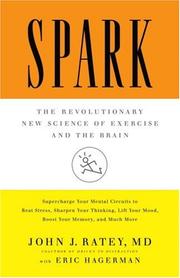
A neuroscientist's evidence-based account of how metabolic states — including those induced by fasting and exercise — reshape brain function and neuroplasticity. It completes the curriculum by connecting fasting physiology to cognitive performance and mental resilience.
Discussion
Keep reading
Paths that share books, cover the same subject, or open a related topic.