Macros and flexible dieting: the best books to track and eat smarter, in order
This curriculum takes a beginner from the absolute basics of nutrition science all the way through the nuanced, evidence-based practice of flexible dieting and macro tracking. Each stage builds on the last — first establishing foundational literacy, then introducing the mechanics of tracking, then deepening understanding of each macronutrient, and finally cementing long-term, sustainable habits.
Foundations: How Food & Calories Work
BeginnerUnderstand what calories and macronutrients are, why they matter, and how the body uses food as fuel — building the vocabulary needed for everything that follows.
▸ Study plan for this stage
Pace: 4–5 weeks, ~25–30 pages/day. Start with "How Not to Diet" (weeks 1–3, focusing on the introductory sections on calorie basics and food quality), then transition to "The Lean Muscle Diet" (weeks 3–5, emphasizing macronutrient breakdowns and practical application).
- Calories as units of energy and their role in weight management and body composition
- The three macronutrients (protein, carbohydrates, fats) and their distinct metabolic roles and caloric density
- How the body processes different foods and macronutrients differently despite equal calorie counts
- The concept of caloric deficit, surplus, and maintenance as foundational to dietary outcomes
- Food quality and nutrient density as factors beyond simple calorie counting
- Basal metabolic rate (BMR) and total daily energy expenditure (TDEE) as personalized baselines
- How macronutrient ratios affect satiety, muscle preservation, and body composition goals
- What is a calorie and why do calories matter for body composition, according to Greger and Schuler?
- Explain the three macronutrients, their caloric density per gram, and how the body uses each one differently.
- Why does Greger emphasize food quality and nutrient density alongside calorie counting in 'How Not to Diet'?
- What is the difference between a caloric deficit, surplus, and maintenance, and how does each affect body composition?
- How do protein, carbohydrates, and fats differ in their effects on satiety and muscle preservation, as discussed in 'The Lean Muscle Diet'?
- What is TDEE and BMR, and why is understanding your personal numbers important before adjusting diet?
- Calculate your own BMR and TDEE using the formulas or methods discussed in 'The Lean Muscle Diet', then estimate your daily caloric needs for maintenance.
- Track your food intake for 3 days using a food logging app (MyFitnessPal, Cronometer, etc.), recording calories and macronutrients, then analyze the data against your TDEE.
- Compare two meals of equal calories from 'How Not to Diet' principles—one nutrient-dense, one processed—and write a short reflection on how each would affect satiety and energy levels.
- Create a simple meal plan for one day that hits a specific caloric target and macro ratio (e.g., 2000 calories, 40% protein, 35% carbs, 25% fat) using real foods.
- Read the macronutrient chapters in 'The Lean Muscle Diet' and create a one-page reference sheet summarizing protein, carb, and fat sources, their caloric density, and their roles in muscle and recovery.
- Perform a 'food quality audit' of your current diet: categorize 10 foods you eat regularly by nutrient density and caloric efficiency, using Greger's framework from 'How Not to Diet'.
Next up: This stage establishes the scientific vocabulary and fundamental principles (calories, macros, energy balance) that are essential for the next stage, where you'll learn to strategically manipulate these variables to achieve specific body composition and performance goals.

A rigorous, evidence-based primer on how the body processes food and what the science actually says about weight management — ideal for dispelling myths before building real knowledge.

Introduces the concept of eating to a calorie and macro target in plain, practical language, making it the perfect bridge from general nutrition awareness to intentional macro-based eating.
Core Mechanics: Tracking Calories & Macros
BeginnerLearn how to set calorie and macro targets, use tracking tools accurately, and understand the flexible dieting (IIFYM) framework as a sustainable daily practice.
▸ Study plan for this stage
Pace: 2–3 weeks, ~20–25 pages/day (total ~150–180 pages). Read in focused 45–60 minute sessions, 5–6 days per week, allowing time for note-taking and exercises between chapters.
- Calorie balance as the primary driver of body composition change (energy in vs. energy out)
- Macronutrient ratios (protein, carbs, fats) and their individual roles in performance, satiety, and adherence
- How to calculate personalized calorie and macro targets based on activity level, goals, and individual metabolism
- The IIFYM (If It Fits Your Macros) philosophy: flexibility within a structured framework for sustainable adherence
- Accurate food tracking methods, common tracking errors, and how to use tracking tools (apps, scales, labels) correctly
- Adjusting calories and macros based on progress and real-world feedback over time
- The relationship between macro composition and hunger, energy levels, and training performance
- How do you calculate your daily calorie target, and what role does activity level play in that calculation?
- What are the three macronutrients, and why is protein intake particularly important in flexible dieting?
- What does IIFYM mean, and how does it differ from restrictive or food-based diet approaches?
- What are the most common tracking mistakes, and how do you ensure accurate logging of food intake?
- How should you adjust your calorie and macro targets if you're not seeing progress after 2–4 weeks?
- Why might two people with the same calorie target need different macro ratios, and how do you personalize this?
- Calculate your own daily calorie target using the methods in Aragon's book; document your activity level, goal, and the formula used.
- Set your personal macro targets (protein, carbs, fats) and explain the reasoning behind each ratio based on your goals and preferences.
- Track your food intake for 3 consecutive days using a tracking app (MyFitnessPal, Cronometer, etc.), aiming for accuracy within ±5% of your targets.
- Weigh and measure 10 different foods you eat regularly to calibrate your portion estimation and identify common tracking gaps.
- Create a simple spreadsheet or document that logs your daily calories and macros for 1 week, then calculate your actual average intake vs. your targets.
- Conduct a 'tracking audit': review 1 week of your logged food and identify 3 foods you may have logged incorrectly; re-log them accurately.
- Plan a full day of meals (breakfast, lunch, dinner, snacks) that hit your macro targets within ±5%, then eat and track it to verify accuracy.
Next up: This stage establishes the foundational mechanics of tracking and target-setting, preparing you to move into practical implementation, troubleshooting, and advanced strategies (such as managing adherence, handling social eating, and optimizing macros for specific training goals).

Alan Aragon is one of the foremost evidence-based nutrition researchers; this book is the definitive practical guide to the IIFYM/flexible dieting approach and belongs at the center of this curriculum.
Going Deeper: Protein, Carbs & Fats
IntermediateDevelop a thorough, research-grounded understanding of each macronutrient's role in body composition, performance, and health, enabling smarter macro allocation.
▸ Study plan for this stage
Pace: 6–8 weeks, ~25–30 pages/day. Start with Volek's book (3–4 weeks), then transition to Ivy's book (3–4 weeks). Allocate 1–2 days per week for review, note-taking, and practical application.
- Metabolic flexibility and fat adaptation: how the body shifts between carbohydrate and fat oxidation, and the training adaptations required for low-carb performance
- Protein requirements for body composition and performance: optimal intake ranges across different activity levels and how protein supports muscle retention during caloric manipulation
- Carbohydrate periodization and performance: when and how to strategically use carbohydrates for training intensity, recovery, and competition versus maintaining lower carb intake
- The nutrient timing window: how macronutrient timing around workouts influences muscle protein synthesis, glycogen repletion, and hormonal responses
- Individual macro responsiveness: recognizing that optimal macro ratios vary by genetics, training style, goals, and metabolic state—moving beyond one-size-fits-all recommendations
- Fat quality and hormonal health: distinguishing between fat sources and their effects on inflammation, hormone production, and overall metabolic function
- Practical macro allocation strategies: translating research into personalized macro targets based on body composition goals, activity level, and dietary preference
- What is metabolic flexibility, and how does the body adapt to a low-carbohydrate diet over time? What are the performance implications?
- How do protein requirements differ based on training status, caloric deficit, and goal (muscle gain vs. fat loss), and what does Volek's research suggest about optimal intake?
- When and why would you strategically increase carbohydrate intake despite following a generally lower-carb approach, and how does this relate to training periodization?
- Explain the nutrient timing window: what happens to muscle protein synthesis and glycogen repletion in the hours after training, and how should macros be timed to optimize these processes?
- Why is individual variation in macro responsiveness important, and what factors should you assess when determining someone's optimal macro split?
- How do different fat sources (saturated, polyunsaturated, omega-3 ratios) influence hormonal health and inflammation, and why does this matter for body composition?
- Track your own macros for 2 weeks using a food app, then analyze your current macro split against your stated goals. Identify one macro you're consistently over/under on and adjust your food choices for the next week.
- Create a personalized macro allocation spreadsheet: input your body weight, activity level, and goal (fat loss/muscle gain/maintenance), then calculate protein, carb, and fat targets using the ranges and formulas discussed in both books.
- Design a nutrient timing protocol for your own training: specify your workout time, pre-workout macro intake (from Ivy), intra-workout strategy if applicable, and post-workout meal composition. Track adherence and subjective recovery for 3 weeks.
- Conduct a 2-week carb-cycling experiment: maintain consistent protein and fat, but vary carbs on training days vs. rest days. Log energy, performance, and recovery metrics to assess your personal carb responsiveness.
- Analyze 3 of your typical meals: calculate their macro composition and nutrient timing relative to your training schedule. Rewrite each meal to better align with the principles from both books.
- Create a research summary document: for each macronutrient (protein, carbs, fats), list the key findings from Volek and Ivy, then write 2–3 sentences on how you'll apply each finding to your own nutrition strategy.
Next up: This stage equips you with the research-backed rationale and practical tools to allocate macros intelligently; the next stage will focus on implementing these principles within real-world constraints—managing adherence, adjusting for individual response, and troubleshooting plateaus.

Provides a deep, evidence-based examination of carbohydrate and fat metabolism, giving the reader a balanced view of how manipulating these macros affects energy and body composition.
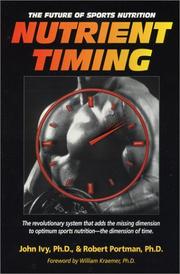
Shifts focus from what you eat to when you eat it, adding the dimension of meal timing and nutrient partitioning that separates intermediate trackers from beginners.
Advanced Application: Periodization & Body Composition
ExpertApply macro and calorie knowledge in structured phases (bulk, cut, maintenance) and understand how to adjust targets over time for continued progress.
▸ Study plan for this stage
Pace: 4–5 weeks, ~25–30 pages/day (approximately 150–180 pages total for the relevant periodization and body composition chapters)
- The three primary training phases (bulking, cutting, maintenance) and their distinct macro/calorie targets and goals
- How to calculate and adjust calorie surpluses and deficits based on weekly progress and body composition changes
- Periodization principles: cycling between phases strategically to maximize muscle gain while minimizing fat accumulation
- Nutrient timing and macro distribution during bulk vs. cut phases to preserve muscle and optimize performance
- How to monitor progress metrics (scale weight, measurements, strength, photos) to inform phase transitions and macro adjustments
- Individual variation in metabolism and how to adjust targets based on real-world results rather than theory alone
- The role of training intensity and volume adjustments across phases to support body composition goals
- What are the recommended calorie surplus and deficit ranges during a bulk and cut, and why does Matthews suggest these specific targets?
- How do you determine when to transition from a bulk to a cut, and what metrics should you track to make this decision?
- What macro adjustments does Matthews recommend when moving from a maintenance phase into a bulk or cut?
- How should you adjust your training approach (volume, intensity, exercise selection) during a cutting phase to preserve muscle mass?
- What is the relationship between weekly weigh-in trends and calorie adjustment in Matthews' system, and how often should you recalibrate?
- How does periodization help prevent plateaus and long-term metabolic adaptation?
- Calculate a 12-week bulk phase for your own stats: determine starting calories, weekly surplus, expected weight gain, and macro targets using Matthews' formulas from the book
- Design a 10-week cutting phase following Matthews' guidelines: set deficit, predict fat loss, plan macro distribution, and identify which training variables to adjust
- Track your own body composition for 2–3 weeks using Matthews' recommended metrics (scale weight, waist/chest/arm measurements, photos); analyze trends and practice making a micro-adjustment to calories
- Create a 6-month periodization plan with two complete bulk/cut cycles, including transition weeks and maintenance phases; justify your phase lengths and targets
- Audit a sample diet plan (yours or a hypothetical one) against Matthews' macro and calorie recommendations for a bulk phase; identify gaps and optimize
- Conduct a case study: take a fictional lifter's 8-week progress data (weight, lifts, photos) and decide whether to continue the phase, adjust macros, or transition—justify using Matthews' principles
Next up: This stage equips you with the strategic framework to implement periodized nutrition in real time; the next stage will likely deepen your ability to troubleshoot stalls, optimize individual responses, and integrate advanced techniques (e.g., refeeds, carb cycling, or nutrient timing) for elite-level body composition control.
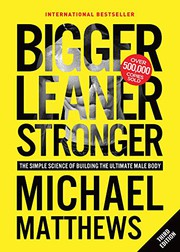
Ties together calorie targets, macro splits, and training phases into a concrete, results-oriented program, serving as a practical capstone for applying everything learned.
Sustainability: Habits, Psychology & Long-Term Success
ExpertUnderstand the behavioral and psychological side of dieting so that flexible eating becomes a permanent, stress-free lifestyle rather than a temporary protocol.
▸ Study plan for this stage
Pace: 8–10 weeks, ~25–30 pages/day (alternating between both books to integrate concepts)
- Habit stacking and environmental design: how to anchor flexible eating behaviors to existing routines and remove friction from healthy choices
- The habit loop (cue, routine, reward): identifying your eating triggers and redesigning the routine while preserving the reward
- Identity-based habits: shifting from 'I'm on a diet' to 'I'm someone who eats intuitively and flexibly'
- Intuitive eating principles: rejecting diet mentality, honoring hunger/fullness cues, and making peace with all foods
- The psychological cost of restriction: how rigid dieting creates deprivation, obsession, and eventual binge cycles
- Mindful eating and body attunement: using hunger/fullness scales and eating without distraction to rebuild trust in your body
- Small, incremental behavior change: how 1% daily improvements compound into permanent lifestyle shifts without willpower depletion
- Intrinsic vs. extrinsic motivation: building sustainable eating habits driven by self-care rather than external rules or appearance goals
- How can you apply habit stacking to anchor flexible eating behaviors into your daily routine, and what environmental changes would remove friction from intuitive food choices?
- Describe your personal eating triggers (cues) and how you might redesign your routine while keeping the reward intact, without relying on restriction.
- What does 'making peace with food' mean in practice, and how does rejecting diet mentality differ from traditional calorie-counting approaches?
- How do you distinguish between true hunger and emotional eating, and what strategies from intuitive eating help you respond appropriately to each?
- Why do rigid diets fail long-term, and how does the habit loop framework explain the cycle of restriction, obsession, and binge eating?
- How would you shift your identity from 'someone on a diet' to 'someone who eats intuitively,' and what daily micro-habits would reinforce this new identity?
- Map your current eating habits using the habit loop framework: identify 3–5 eating cues (time, emotion, location, social), the routine (what you eat), and the reward (satisfaction, comfort, distraction). Write these down.
- Design one habit stack: choose an existing daily routine (e.g., morning coffee, lunch break) and attach a flexible eating behavior to it (e.g., 'After I pour my coffee, I'll check in with my hunger level'). Practice for 2 weeks and journal the results.
- Conduct a 'diet mentality audit': list all the food rules you've internalized ('no carbs after 6pm,' 'I can't eat dessert,' etc.). For each rule, write why you adopted it and how it made you feel. Then reframe 3 rules as flexible choices.
- Practice the hunger/fullness scale: before and after eating for one week, rate your hunger on a 1–10 scale (1=ravenous, 10=uncomfortably full). Aim to eat when you're 3–4 and stop around 6–7. Journal patterns and how this feels different from restriction.
- Identify your top 3 emotional eating triggers (stress, boredom, loneliness, etc.). For each, brainstorm 2–3 non-food coping strategies and test them. Track which ones actually work for you.
- Write a personal 'eating identity statement': complete this sentence 5 different ways: 'I am someone who...' (e.g., 'I am someone who eats intuitively and enjoys all foods without guilt'). Choose one and use it as a daily affirmation for 3 weeks.
Next up: This stage transforms flexible dieting from a technical nutrition strategy into a sustainable psychological and behavioral lifestyle, preparing you to integrate macro awareness with genuine intuitive eating—setting the foundation for the next stage, which will likely focus on practical implementation, meal planning, and troubleshooting real-world scenarios.
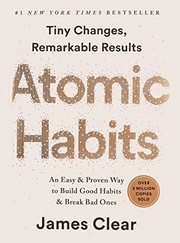
The best modern book on habit formation — applied to nutrition, it explains how to make tracking and healthy eating automatic and self-reinforcing over the long term.
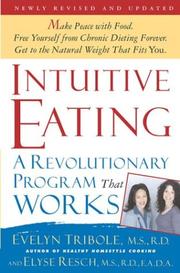
Read last as a counterbalance: after mastering the data-driven side of flexible dieting, this book teaches how to integrate internal hunger cues with external tracking for a truly sustainable relationship with food.
Discussion
Keep reading
Paths that share books, cover the same subject, or open a related topic.