The Kingkiller Chronicle Reading Order and Guide
The Kingkiller Chronicle is two novels and two side stories, and it is unfinished — the third book, The Doors of Stone, has been promised since 2011 and has no publication date. Read the two novels in publication order, treat the novellas as optional companions rather than continuations, and go in knowing the story does not currently end. This path gives you the real sequence first, then honest suggestions for the wait.
The Two Novels
BeginnerRead the actual Chronicle in order and understand what exists and what does not.
▸ Study plan for this stage
Pace: 5–7 weeks for both. The Name of the Wind is 736 pages and The Wise Man's Fear is 1,008 — nearly 1,750 pages together, so 40–50 pages a day is a realistic pace. Before you open page one, know this: the series is unfinished. The third book, The Doors of Stone, has been awaited since The Wise Man's Fea
- The frame story is the point: an innkeeper called Kote is telling his own life to a chronicler over three days, so everything you read is Kvothe's account of Kvothe, told by a man who has already lost
- Kvothe is a self-flattering narrator and the books know it — the gap between the legend he is narrating and the broken man narrating it is the actual subject
- Sympathy, sygaldry, alar and naming are four distinct systems, not one magic; Rothfuss teaches them slowly in The Name of the Wind and never re-explains them in The Wise Man's Fear
- The Chandrian and the Amyr are the two unresolved engines of the plot, seeded in book one and deliberately unanswered — noticing where they surface is most of what rereaders do
- The University, the Maer's court in Vintas, the Adem and the Fae are four almost separate books inside The Wise Man's Fear; its looseness compared to book one is structural, not accidental
- The three-day frame means each novel covers one day of telling, so a third book was always the plan and its absence leaves the frame open rather than merely the plot
- Rothfuss's prose is the reason to be here — the sentence rhythm is the pleasure, and reading fast is the wrong way to take it
- What has happened to Kvothe between the story he is telling and the inn he is telling it from, and how much of that can you actually establish from the text?
- Where does Kvothe's account of himself stop being credible, and what in the frame chapters tells you to distrust it?
- What do the Chandrian appear to want, and what is the difference between what Kvothe believes about them and what the book shows?
- How do the four rules of sympathy actually constrain what a sympathist can do, and where does Kvothe cheat them?
- Why does The Wise Man's Fear spend so long in Ademre, and what does the Adem view of stories do to your reading of Kvothe's own storytelling?
- Having finished book two, what open questions would a third book have to answer — and are you content to hold them indefinitely?
- Read the prologue and epilogue of The Name of the Wind twice before starting chapter one, and again after finishing The Wise Man's Fear. They are the only unmediated view of the present, and they change completely on a second reading.
- Keep a running list of every claim Kvothe makes about himself that no other character corroborates. It is longer than you expect and it is the fastest way to read the frame the way it is built to be read.
- Note every occurrence of the Chandrian, the Amyr and Lanre in either book — song fragments, a mural, a stray remark by Skarpi. Reconstructing that thread yourself is the closest available substitute for the missing third volume.
- Read the Adem chapters aloud for a page or two. Rothfuss shifts sentence length noticeably there, and hearing it makes the stylistic control obvious in a way silent reading does not.
- Before starting The Wise Man's Fear, write down what you think Kvothe's tuition problem, his standing with Ambrose and his search for Denna each amount to. Book two picks all three up without recapping them.
Next up: You now have the whole published Chronicle, which means the two novellas can be read as what they are — companion pieces that fill in the frame and its edges rather than continuations of a story that currently has no next chapter.
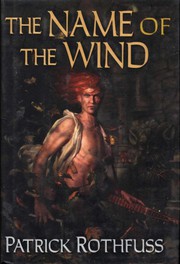
Day One of Kvothe's frame-story account of his own life, and the only correct place to begin. The prose and the storytelling voice are the reason people love this series, and both arrive fully formed on page one.
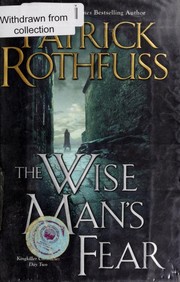
Day Two, longer and looser than the first book, moving Kvothe out of the University and into the wider world. Read immediately after — it assumes everything the first book set up and explains none of it again. Be aware this is where the published story currently stops.
The Side Stories
BeginnerRead the two published companion works, and understand why they are companions rather than sequels.
▸ Study plan for this stage
Pace: A weekend. A Slow Regard of Silent Things is 160 pages and Narrow Road Between Desires is a short illustrated novella; either is a single sitting. Do not read them before finishing The Wise Man's Fear — both are written for readers who already know these people, and A Slow Regard of Silent Things in
- A Slow Regard of Silent Things has almost no dialogue and no conventional plot; it is seven days inside Auri's perception of the Underthing, and it is doing something closer to a prose poem than a story
- Rothfuss opens A Slow Regard of Silent Things with an author's note telling you that you may not want to read this book — that note is sincere and worth taking at face value
- Auri's ordering of objects is a coherent system, not whimsy: things have proper places and proper names, and the novella's tension comes entirely from whether she can get them right
- Narrow Road Between Desires expands the Bast novella first published as The Lightning Tree, and its subject is Bast's bargains with the village children
- Both novellas develop the frame story rather than Kvothe's account, which is why they read as sideways motion rather than progress
- Bast's competence and cruelty in Narrow Road Between Desires reframe the innkeeper chapters of both novels — he is not the loyal student he plays at being
- What is Auri actually doing across the seven days of A Slow Regard of Silent Things, and what counts as success or failure inside her system?
- What does the novella tell you about Auri's history that Kvothe's account of her never does?
- What kind of creature is Bast, and what do the bargains in Narrow Road Between Desires reveal about what he wants from Kvothe?
- Why does Rothfuss warn readers off A Slow Regard of Silent Things, and do you think the warning is about difficulty or about expectation?
- How do these two novellas change your reading of the inn chapters in The Name of the Wind?
- Read A Slow Regard of Silent Things in one sitting rather than across a week — it is short, it has no plot to lose, and its cumulative effect depends on the rhythm not being broken.
- Read Rothfuss's author's note and afterword to A Slow Regard of Silent Things before and after the text. They frame it explicitly as an experiment, and knowing that removes most of the frustration readers report.
- After Narrow Road Between Desires, reread the two or three inn chapters in The Name of the Wind that feature Bast. His behaviour there reads completely differently.
- Write one paragraph on what Auri would say about an object in your own room. It sounds like a game and it is actually the fastest test of whether you followed her logic.
Next up: You have now read everything published in this world, which is exactly the point at which the wait for The Doors of Stone becomes a practical problem — so the last stage is about what to read instead.

A short novella following Auri alone beneath the University, with almost no dialogue and no conventional plot. Rothfuss opens it with an author's note warning you that you may not want to read it — take him seriously, and read it only after The Wise Man's Fear.
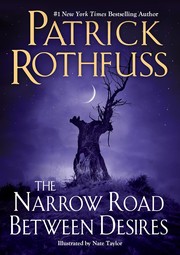
The expanded, illustrated version of the Bast novella first published as The Lightning Tree. It fills in the frame story rather than advancing Kvothe's, which makes it the most rewarding of the side works and the last thing currently published in this world.
While You Wait
IntermediateFind fantasy that scratches the same itch, so an indefinite wait for book three does not become a dead end.
▸ Study plan for this stage
Pace: 6–8 weeks for all three, but there is no hurry — this stage exists precisely because there is no next Kingkiller book to hurry towards. The Lies of Locke Lamora is 544 pages, The Blade Itself 531, and A Wizard of Earthsea only 205. Read Earthsea first if you want a short one, or save it as the palat
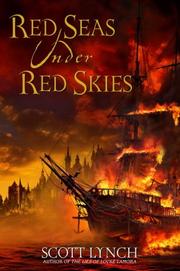
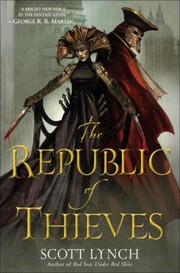
- The Lies of Locke Lamora gives you the thing most Kingkiller readers actually want — a brilliant, arrogant, over-talking protagonist in an ornate invented city — with a con-artist plot and a completed sequence behind it
- Lynch's two-timeline structure does openly what Rothfuss's frame does obliquely: past and present cut against each other on a schedule you can feel
- The Blade Itself is the corrective: Abercrombie writes the same secondary-world fantasy with the romance stripped out, which is a useful antidote to two books inside Kvothe's flattering self-portrait
- Abercrombie's trilogy is finished, so it demonstrates what an ending does to everything preceding it — the exact experience Kingkiller cannot currently offer
- A Wizard of Earthsea is the ancestor: a gifted boy, a school of wizardry, and a magic that runs on true names, all of which Rothfuss's naming and sympathy descend from
- Le Guin's book is 205 pages where Rothfuss takes 736 for a comparable arc — reading them close together is a short course in what compression buys and what it costs
- What does Lynch's alternating-timeline structure give him that Rothfuss's single retrospective frame does not?
- How does Abercrombie undercut the competence fantasy that Kvothe's narration relies on, and does it change how you read Kvothe in retrospect?
- What does A Wizard of Earthsea establish about name-magic that the Kingkiller books assume rather than invent?
- Which of these three completed stories most resembles the ending you were hoping The Doors of Stone would deliver, and why?
- Having read a finished trilogy, is an unfinished one still worth recommending to someone else — and what would you tell them first?
- Read the first chapter of The Lies of Locke Lamora and the first chapter of The Name of the Wind back to back. Both open on a clever boy and a mentor, and the difference in how much each writer withholds is instructive.
- Take one page of The Blade Itself and one page of The Wise Man's Fear and count sentence lengths. Abercrombie's flatness is deliberate craft, not an absence of style, and the contrast makes Rothfuss's rhythm visible.
- After A Wizard of Earthsea, list what Ged and Kvothe are each punished for. The two books take opposite positions on gifted arrogance, and naming that difference is the most useful thing this stage produces.
- Set a personal rule about the third Kingkiller book — check once a year, or stop checking. Readers who fare worst with this series are the ones who keep refreshing for news.
Next up: This is the end of the path: you have everything Rothfuss has published and three strong places to put the reading energy the missing volume would otherwise have taken, so the honest next move is a reread of The Name of the Wind with the frame in mind rather than a wait for news.
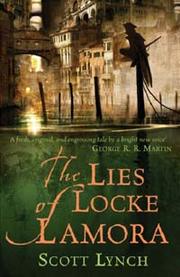
The closest match in tone: a brilliant, arrogant young protagonist, an ornate invented city, and a con-artist plot told across two timelines. If you loved Kvothe's cleverness more than the magic system, start here.
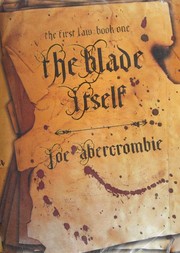
The corrective. Abercrombie writes the same secondary-world fantasy with none of the romance, which is a useful antidote after two books inside Kvothe's flattering account of himself. It is also a completed trilogy.

The book Rothfuss's magic school owes the most to — a gifted boy, a school of wizardry, and a name-based magic that Kvothe's sympathy and naming clearly descend from. Short, and it shows you the tradition he is writing inside.
Discussion
Keep reading
Paths that share books, cover the same subject, or open a related topic.