Square-foot gardening for beginners: best books for high-yield small plots
This curriculum takes a beginner from the core philosophy and method of square-foot gardening through hands-on soil science, raised-bed construction, and finally advanced planning and year-round productivity. Each stage builds directly on the last — you'll first internalize the system, then master the growing medium, then optimize and expand your garden with confidence.
Foundations: The Square-Foot Method
BeginnerUnderstand the core philosophy of square-foot gardening — the grid system, spacing rules, and why it outperforms traditional row gardening — and grow your first vegetables successfully.
▸ Study plan for this stage
Pace: 4–5 weeks, ~25–30 pages/day, with 2–3 days per week dedicated to hands-on setup and planning
- The 4×4 grid system: why square-foot gardening divides beds into 16 squares and how this maximizes yield per square foot compared to traditional row gardening
- Spacing rules and plant density: understanding how many plants fit in each square based on crop type (1, 4, 9, or 16 plants per square) and why proper spacing prevents disease and competition
- The Mel Mix soil formula: the specific blend of peat moss (or coco coir), vermiculite, and blended compost that creates optimal growing conditions without tilling
- Succession planting and crop rotation: how to replant squares after harvest to extend the growing season and maintain soil health across the year
- Vertical growing and trellising: techniques for growing upward to save space and increase productivity in a limited footprint
- Water efficiency and drip irrigation: why square-foot gardening uses 50% less water than traditional methods and how to implement simple watering systems
- Plant selection for beginners: which vegetables are easiest to grow in a square-foot system and why certain crops are ideal for learning the method
- What are the dimensions of a standard square-foot garden bed, and why is the 4×4 grid system superior to traditional row gardening in terms of yield and space efficiency?
- How many plants should you place in a single square for different crop types (e.g., lettuce vs. tomatoes vs. carrots), and what is the reasoning behind these spacing rules?
- What are the three components of the Mel Mix, and why is this soil formula better than traditional garden soil for square-foot gardening?
- How does succession planting work in a square-foot garden, and why is it important for extending your harvest season?
- What are at least three methods for vertical growing in a square-foot garden, and which crops benefit most from trellising?
- Why does square-foot gardening use significantly less water than traditional gardening, and what irrigation methods are recommended for beginners?
- Build or assemble a 4×4 raised bed frame (wood, composite, or kit) and install the grid system (string or wood dividers) to create 16 equal squares
- Prepare the Mel Mix soil formula by sourcing and blending the three components in the correct proportions; document the cost and time required
- Create a planting plan on paper: choose 8–12 beginner-friendly vegetables and map out which squares they'll occupy, accounting for spacing rules from the books
- Plant your first square-foot garden bed with 3–4 different crops (e.g., lettuce, radishes, tomatoes, basil) and photograph the setup
- Set up a simple drip irrigation or soaker hose system for your bed and track watering frequency and water usage over 2 weeks
- Research and build or install one vertical growing structure (trellis, cage, or stake system) for a climbing crop like beans or cucumbers, then plant and monitor growth
Next up: This stage establishes the technical foundation and hands-on confidence needed to move into the next stage, where you'll learn advanced techniques like season extension, pest and disease management, and optimizing yields across multiple beds and growing seasons.
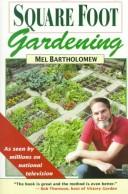
This is the canonical, foundational text that invented the method. Start here to learn the grid layout, plant spacing charts, and the Mel's Mix soil formula that the entire system is built upon.
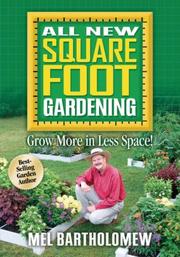
The fully revised and expanded edition adds raised-box construction details, vertical growing, and updated plant spacing — read this immediately after the original to get the most current and complete version of the system.
Soil & Growing Medium Mastery
BeginnerDeeply understand what goes into great soil, how compost works, and how to build and maintain the fertile growing medium that makes square-foot gardening so productive in a small space.
▸ Study plan for this stage
Pace: 8–10 weeks, ~25–30 pages/day. Start with "Teaming with Microbes" (weeks 1–5, ~200 pages), then move to "The Complete Compost Gardening Guide" (weeks 6–10, ~250 pages). Allow 1–2 weeks for hands-on practice between books.
- The soil food web: bacteria, fungi, protozoa, and nematodes work together to create living, fertile soil
- How mycorrhizal fungi form symbiotic relationships with plant roots to improve nutrient uptake and water retention
- The role of organic matter decomposition in building soil structure and releasing plant-available nutrients
- Compost as a biological process: the carbon-to-nitrogen ratio, temperature management, and microbial succession that transforms raw materials into finished compost
- How to layer and manage different compost methods (hot composting, cold composting, vermicomposting) to suit your space and timeline
- Building and maintaining a square-foot garden's growing medium: soil composition, amendments, and seasonal refresh strategies
- The connection between soil biology and plant health: disease suppression, nutrient cycling, and resilience in small-space growing
- What are the main organisms in the soil food web, and how do they interact to make nutrients available to plants?
- How do mycorrhizal fungi benefit plant roots, and what conditions encourage their growth in your soil?
- What is the ideal carbon-to-nitrogen ratio for hot composting, and why does it matter?
- What are the differences between hot composting, cold composting, and vermicomposting, and which method is best for your situation?
- How do you know when compost is finished, and what should the final product look like and smell like?
- What amendments and soil layers should you use to build a productive square-foot garden bed, and how often should you refresh them?
- Start a compost pile or bin using the hot-composting method from 'The Complete Compost Gardening Guide'; monitor temperature, moisture, and carbon-to-nitrogen ratios weekly for 4–6 weeks
- Collect soil samples from your garden or a local source and observe them under a magnifying glass; sketch and identify visible organisms (earthworms, insects, fungi) to connect theory to reality
- Build a square-foot garden bed and layer your growing medium according to the books' recommendations; document the soil composition and take photos for reference
- Create a simple compost tea or extract using finished compost and observe microbial activity; compare plant growth in treated vs. untreated soil over 4–6 weeks
- Interview a local gardener or visit a community garden to see their composting and soil-building practices in action; compare their methods to what you've learned
- Maintain a soil journal: record compost pile progress, soil amendments added, plant performance, and observations about soil structure and biology over 8–10 weeks
Next up: This stage equips you with the biological and practical foundation to understand how to select, plant, and care for specific crops in square-foot gardening, since healthy, living soil is the prerequisite for every plant's success.

Explains the soil food web in accessible terms, giving you the scientific intuition behind why Mel's Mix and compost work — essential before you start mixing or amending your own soil.
Provides practical, thorough guidance on making and using compost — the single most important ingredient in your square-foot beds — covering everything from simple bins to vermicomposting.
Raised Bed Design & Construction
IntermediatePlan, build, and site raised beds of any size or material, understanding drainage, depth, accessibility, and how physical bed design directly supports the square-foot grid system.
▸ Study plan for this stage
Pace: 4–5 weeks, ~25–30 pages/day. Start with "Raised Bed Revolution" (weeks 1–3), then "Epic Tomatoes" (weeks 4–5), allowing time for hands-on bed construction and soil preparation between readings.
- Raised bed sizing, materials, and construction methods that accommodate the square-foot grid system and maximize growing space efficiency
- Site selection and orientation principles: sunlight exposure, water drainage, wind protection, and accessibility for maintenance
- Soil depth requirements for different plant types and how depth directly impacts root development and drainage
- Drainage design and management—slope, permeability, and preventing waterlogging in raised beds
- Accessibility considerations: bed height, width, and pathways that enable year-round gardening and reduce physical strain
- Container and bed design for growing tomatoes specifically, including depth and spacing needs from 'Epic Tomatoes'
- How physical bed design supports the square-foot grid planting method and plant density
- What are the key factors to consider when choosing a location for a raised bed, and how do sunlight, drainage, and wind affect plant growth?
- How do you determine the appropriate depth for a raised bed based on the plants you want to grow, and what are the minimum depths recommended in 'Raised Bed Revolution'?
- What materials are suitable for building raised beds, and what are the pros and cons of each according to Nolan?
- How does raised bed design support the square-foot gardening grid system, and why is bed width particularly important?
- What specific depth and spacing requirements does 'Epic Tomatoes' recommend for growing tomatoes in raised beds or containers?
- How do you design and manage drainage in a raised bed to prevent waterlogging while maintaining adequate moisture for plants?
- Assess three potential sites on your property or a community garden space using Nolan's site-selection criteria (sunlight hours, drainage patterns, wind exposure, accessibility). Document findings with photos and notes.
- Build or plan a raised bed using materials from 'Raised Bed Revolution' (wood, composite, metal, or stone). Record dimensions, material costs, and construction time for future reference.
- Create a drainage test: fill a sample raised bed with your intended soil mix and water it thoroughly. Measure how long water takes to drain and adjust soil composition if needed.
- Design a raised bed layout on paper that incorporates the square-foot grid system and includes the specific spacing and depth requirements for tomatoes from 'Epic Tomatoes'.
- Prepare and fill a raised bed with soil, following Nolan's soil composition guidelines. Document the soil layers and any amendments used.
- Map sunlight patterns on your chosen bed location throughout the day (morning, midday, evening) for at least one week to verify it meets the light requirements for your planned crops.
Next up: This stage equips you with the physical infrastructure and site knowledge to support productive planting; the next stage will focus on the square-foot grid system itself—how to divide beds into sections, select and space plants within the grid, and optimize yields in the beds you've now built.

Covers a wide range of raised-bed styles, materials, and construction techniques with clear visuals — perfect for translating the square-foot grid concept into a real, well-built physical structure.

Uses tomatoes — the most popular square-foot crop — as a deep case study in variety selection, spacing, and vertical support within compact beds, bridging construction knowledge with crop-specific practice.
Planning, Spacing & Crop Diversity
IntermediateMaster succession planting, companion planting, and crop rotation within a square-foot grid to maximize yield across an entire growing season with diverse vegetables.
▸ Study plan for this stage
Pace: 6–8 weeks, ~25–30 pages/day, with 2–3 days per week for planning and hands-on work
- Companion planting principles: which vegetables enhance or inhibit each other's growth, and the science behind plant relationships
- Succession planting techniques: staggering sowings every 2–3 weeks to ensure continuous harvests throughout the season
- Crop rotation strategies: organizing which plant families go where and when to prevent soil depletion and disease buildup
- Square-foot grid optimization: calculating spacing, density, and plant placement to maximize yield within limited space
- Seasonal timing and frost dates: coordinating planting schedules with your local growing season to extend harvest
- Soil health and nutrient management: understanding how different crops deplete and replenish soil nutrients across rotations
- Diversity planning: selecting complementary crops that work together spatially and temporally to reduce pests and disease pressure
- What are the key companion planting relationships described in 'Carrots Love Tomatoes,' and why do certain plants benefit or harm each other?
- How do you design a succession planting schedule for a single square-foot grid to ensure continuous harvests from spring through fall?
- What is crop rotation, and how does Edward C. Smith's approach in 'The Vegetable Gardener's Bible' prevent soil depletion and disease in a small-space garden?
- How do you determine the correct spacing and number of plants per square foot for different vegetables, and how does this change with succession planting?
- How can you combine companion planting, succession planting, and crop rotation into a single integrated plan for a season?
- What role does soil preparation and nutrient cycling play in maintaining productivity across multiple plantings in the same square?
- Create a companion planting matrix: list 15–20 vegetables and map which ones are beneficial neighbors, neutral, or antagonistic based on Riotte's principles
- Design a succession planting calendar: pick 3 fast-growing crops (lettuce, radishes, beans) and plan 4–5 successive sowings 2–3 weeks apart on a timeline
- Map a full-season square-foot garden plan: using Smith's rotation framework, allocate 9–16 squares to different plant families and show how they rotate through the season
- Calculate plant density: for 5 different vegetables, determine how many plants fit in one square foot and adjust for succession plantings
- Build a soil amendment schedule: based on crop families and their nutrient needs, plan when and what to add between successive plantings
- Create a pest and disease prevention strategy: identify 3 common pests/diseases in your region and show how companion planting and crop rotation reduce them
Next up: This stage equips you with the planning and design skills to orchestrate a productive garden across an entire season; the next stage will focus on execution—soil preparation, seed starting, transplanting, and real-time management to bring these plans to life.

The classic companion planting reference — teaches which plants help or hinder each other, directly informing how you fill each square in your grid for maximum health and yield.
A comprehensive A-to-Z vegetable reference covering spacing, soil needs, and timing for dozens of crops — the ideal lookup guide to consult as you plan each square of your beds.
Year-Round Productivity & Advanced Techniques
ExpertExtend your growing season into fall and winter, use season-extension tools like cold frames and row covers, and apply advanced techniques to get multiple harvests per year from the same compact space.
▸ Study plan for this stage
Pace: 8–10 weeks, ~25–30 pages/day, with 1–2 weeks between books for integration and practice
- Season-extension infrastructure: cold frames, row covers, low tunnels, and high tunnels as tools to manipulate microclimate and extend growing seasons into fall and winter
- Crop selection and succession planning for year-round production: choosing cold-hardy varieties, timing plantings, and sequencing harvests across seasons
- Soil health and fertility management at scale: building and maintaining soil structure, nutrient cycling, and microbial life in intensive, multi-harvest systems
- Intensive spacing and bed preparation techniques: maximizing yield per square foot through proper spacing, intercropping, and efficient bed design
- Market-driven production planning: aligning crop selection, timing, and volume with market demand to create a profitable, sustainable operation
- Mechanization and labor efficiency: using appropriate tools and techniques to reduce physical labor while maintaining soil health and productivity
- Pest and disease management in season-extended environments: preventing and managing problems in controlled microclimates without relying on heavy chemical inputs
- What are the key differences between cold frames, row covers, low tunnels, and high tunnels, and when would you use each for extending your growing season?
- How do you plan crop succession and timing to ensure continuous harvests across fall, winter, and spring in a cold climate?
- What cold-hardy crops does Coleman recommend for winter production, and what are their minimum temperature and light requirements?
- How does Fortier's market gardening model differ from traditional gardening, and what role does season extension play in his profitability strategy?
- What soil management practices are essential for maintaining fertility and structure in an intensive, year-round production system?
- How do you calculate spacing, intercropping patterns, and bed layouts to maximize yield per square foot while maintaining plant health?
- What are the main pest and disease pressures in season-extended growing environments, and what prevention and management strategies work best?
- Build or install a cold frame or row cover system in your garden; document temperature differences inside vs. outside over 2–3 weeks
- Plan a 12-month crop succession calendar for your climate zone, specifying varieties, planting dates, and expected harvest windows for at least 8 crops
- Conduct a soil test and amend your beds according to Coleman's and Fortier's recommendations; track soil structure and fertility changes over the season
- Design and lay out an intensive bed using Fortier's spacing and intercropping techniques; measure and record actual yields per square foot
- Start seeds indoors for fall and winter crops using Coleman's timing guidelines; track germination rates and transplant success
- Set up a simple pest and disease monitoring system (scouting log) for your season-extended beds; document problems and test 2–3 organic solutions
- Interview a local market gardener or season-extension practitioner about their infrastructure, crop choices, and profitability; synthesize insights into your own plan
Next up: This stage equips you with the infrastructure, crop knowledge, and production systems to grow year-round in your climate, setting the foundation for the next stage: scaling these techniques into a full market operation, integrating advanced soil-building practices, or specializing in high-value crops for direct sales.
The definitive guide to year-round vegetable growing using cold frames, low tunnels, and variety selection — directly applicable to square-foot beds and the logical next step once your warm-season system is dialed in.

Demonstrates how intensive, small-space growing principles (very similar to square-foot methods) can be pushed to their productive limit — ideal for gardeners who want to maximize every square inch with professional-level planning.
Discussion
Keep reading
Paths that share books, cover the same subject, or open a related topic.