Grape and vine growing: essential books to start your own vineyard
This curriculum takes a backyard grower from zero knowledge to confident, hands-on vineyard management across four progressive stages. Each stage builds on the last — starting with the big picture of how grapes grow, moving through practical skills like trellising and pruning, then diving into variety selection and pest control, and finally reaching the level of a serious home viticulturist who can troubleshoot and refine their vineyard year after year.
Foundations: How Grapes Grow
BeginnerUnderstand the biology of the grapevine, the annual growth cycle, and what a backyard vineyard actually requires before planting a single vine.
▸ Study plan for this stage
Pace: 4–5 weeks, ~25–30 pages/day. Start with "From Vines to Wines" (weeks 1–2, ~200 pages), then move to "The Grape Grower" (weeks 3–5, ~250 pages). Build in 2–3 days mid-stage for review and reflection.
- Grapevine anatomy and physiology: roots, canopy structure, and how vines convert sunlight into fruit
- The annual growth cycle: dormancy, budbreak, flowering, fruit set, veraison, and harvest timing
- Soil requirements and site selection: drainage, pH, nutrient needs, and microclimate considerations
- Pruning fundamentals: why and when to prune, the relationship between vegetative and reproductive growth
- Pest and disease management basics: common threats to backyard vines and organic/sustainable approaches
- Varietal selection: how to choose grape types suited to your climate and goals
- Water management: irrigation needs across the growing season and stress effects on fruit quality
- Realistic expectations: time, labor, and infrastructure needed before planting (trellising, fencing, tools)
- Describe the annual growth cycle of a grapevine from dormancy through harvest, and explain what triggers each major stage.
- What are the key soil and site characteristics that determine whether a location is suitable for a backyard vineyard?
- How does pruning influence the balance between vegetative growth and fruit production, and why is this balance critical?
- What are 3–4 common pests or diseases in your region, and what preventive or management strategies does Rombough recommend?
- How do water availability and stress affect grape quality, and what irrigation approach is appropriate for a small vineyard?
- What infrastructure, tools, and labor commitments should you plan for before planting your first vine?
- Map your site: sketch your backyard noting sun exposure (full sun = 6+ hours), drainage patterns, wind direction, and proximity to water. Compare against Cox and Rombough's site-selection criteria.
- Soil test: collect soil samples from your intended planting area and send to a local extension office. Document pH, nutrient levels, and drainage. Identify what amendments (if any) you'll need based on the books' recommendations.
- Phenology journal: observe and record the growth stages of a wild grapevine or a neighbor's vine over 2–3 weeks (or use photos/video if vines aren't accessible). Match each stage to the annual cycle described in the readings.
- Varietal research: select 3 grape varieties suited to your climate zone. Create a comparison chart noting disease resistance, ripening time, flavor profile, and pruning requirements using both books' guidance.
- Trellis design: sketch a simple trellis or training system for your space (e.g., T-trellis, cordon, cane pruning). Calculate materials needed and cost based on your site dimensions.
- Pest and disease ID: photograph or collect images of 4–5 common pests/diseases in your region. For each, note the symptoms, timing, and management strategy from Rombough's chapters.
Next up: This stage equips you with the biological and environmental knowledge to make an informed planting decision; the next stage will likely focus on propagation, site preparation, and the first-year establishment techniques needed to get vines off to a strong start.

A friendly, comprehensive introduction to growing grapes and making wine at home — perfect first read because it covers the full cycle from soil to harvest without overwhelming a beginner.
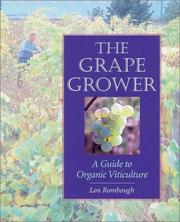
Widely regarded as the definitive backyard and small-scale grape-growing reference; read second to solidify foundational knowledge of vine biology, site selection, and variety basics before tackling specific techniques.
Getting Planted: Site, Soil & Trellising
BeginnerBe able to choose and prepare a planting site, build an appropriate trellis system, and get young vines established correctly.
▸ Study plan for this stage
Pace: 4–5 weeks, ~25–30 pages/day (approximately 150–180 pages total)
- Light interception and canopy management as the foundation for healthy vine growth and fruit quality
- Soil assessment and preparation: texture, drainage, pH, and nutrient profiles specific to vineyard sites
- Site selection criteria: aspect, slope, frost risk, and microclimate evaluation
- Trellis system design and construction: choosing between vertical shoot positioning, Geneva double curtain, and other systems based on site conditions
- Young vine establishment: planting depth, rootstock selection, and first-year management practices
- The relationship between sunlight exposure, photosynthesis, and vine vigor in the context of site and trellis choices
- How does canopy architecture influence light interception, and why does this matter for both vine health and wine quality?
- What soil characteristics should you assess before planting, and how do you determine if a site needs amendment?
- How do you evaluate a potential vineyard site for aspect, slope, and microclimate risks (especially frost)?
- What are the main differences between common trellis systems, and which factors should guide your choice for a specific site?
- What are the critical steps in planting and establishing young vines to ensure long-term productivity?
- How do sunlight, soil conditions, and trellis design work together to create optimal growing conditions?
- Conduct a soil assessment of a potential planting site: collect samples, test texture (jar test), drainage rate, and pH; document findings in a site profile
- Create a detailed site map showing aspect, slope, elevation changes, frost pockets, and shade patterns using compass readings and observation
- Design a trellis system plan for a hypothetical vineyard: sketch the layout, specify post spacing, wire configuration, and justify your choice based on site conditions and expected vine vigor
- Build a small-scale trellis prototype (2–3 posts, 4–6 feet tall) using materials from *Sunlight into Wine* specifications; practice proper post setting and wire tensioning
- Plan and execute a planting trial: prepare soil, plant 3–5 young vines in a test area, document planting depth and initial care, and monitor establishment over 8–12 weeks
- Analyze a vineyard's existing canopy and trellis system: photograph it, assess light penetration at different canopy positions, and identify how design choices affect sunlight distribution
Next up: Understanding how site, soil, and trellis systems create the physical framework for vine growth prepares you to move into the next stage, where you'll learn to actively manage that canopy and optimize vine performance through pruning, training, and seasonal adjustments.

The authoritative guide to canopy management and trellis design; introduces the science of how sunlight and airflow affect vine health and fruit quality, giving the reader a solid framework before pruning is introduced.
Core Skills: Pruning, Training & Varieties
IntermediateConfidently prune and train vines through all seasons, and select the right grape varieties for your climate and goals.
▸ Study plan for this stage
Pace: 8–10 weeks, ~40–50 pages/day (with 2–3 days per week for field observation and note-taking)
- Grape variety classification systems: how to read ampelography and identify key traits (vigor, ripening time, disease resistance) that determine suitability for your climate
- Phenology and seasonal timing: understanding bud break, flowering, véraison, and harvest windows to match varieties to your growing season length
- Rootstock selection and its role in vigor control, disease resistance, and adaptation to soil conditions—essential for training decisions
- Pruning fundamentals: cane vs. spur pruning, bud count calculations, and how pruning intensity affects yield and quality
- Training systems and their relationship to variety characteristics: how to match training architecture (cordon, head-trained, VSP, etc.) to a variety's growth habit and your climate
- Disease and pest susceptibility by variety: how to select varieties that reduce chemical input and match your region's pathogen pressure
- Terroir and variety expression: how climate, soil, and variety interact to shape vine performance and wine character
- How do you use ampelographic data (leaf shape, cluster morphology, berry size) from Wine Grapes to identify a variety and predict its vigor and ripening requirements?
- What is the relationship between a variety's phenology and your local growing season length, and how do you use this to select appropriate varieties for your climate?
- How does rootstock choice influence pruning strategy and training system selection for a given variety?
- Explain the difference between cane and spur pruning, and describe how you would decide which to use for a specific variety based on its fruitfulness patterns and vigor
- How do disease susceptibilities listed in Wine Grapes (e.g., powdery mildew, downy mildew, phylloxera resistance) inform your variety selection and integrated pest management strategy?
- Given a variety's characteristics from Wine Grapes, how would you select and justify a training system (e.g., head-trained vs. cordon) for your vineyard conditions?
- Create a personal variety selection matrix: list 5–8 varieties you're considering, extract key data from Wine Grapes (ripening time, vigor, disease resistance, rootstock compatibility), and score each against your climate, soil, and management goals
- Phenology tracking: select 2–3 varieties from Wine Grapes and research their typical bud break and harvest dates in your region; map these against your frost-free window and average growing degree days to assess fit
- Rootstock research project: for your top 3 candidate varieties, identify compatible rootstocks using Wine Grapes and regional nursery data; document how each rootstock choice would influence your pruning and training decisions
- Pruning plan sketch: for one variety, draw a head-trained or cordon-trained vine at dormancy, label bud positions, calculate bud count based on desired yield, and justify your cane vs. spur pruning choice using the variety's fruitfulness data
- Disease resistance audit: cross-reference your candidate varieties with Wine Grapes' disease susceptibility notes and your region's pathogen pressure; create a short report on which varieties reduce fungicide need and why
- Field observation walk: visit a local vineyard or experimental planting with multiple varieties; observe training systems in place, note how they match (or don't match) each variety's growth habit, and compare observations to Wine Grapes descriptions
Next up: This stage equips you with the knowledge to choose the right varieties and understand their pruning and training needs; the next stage will deepen your hands-on execution skills—learning the precise cuts, timing, and adjustments needed to implement these systems season by season.

The definitive reference on over 1,300 grape varieties — their characteristics, climate needs, and flavor profiles — essential reading when choosing which varieties to plant or expand with.
Advanced Management: Pests, Disease & Vineyard Health
ExpertDiagnose and manage common grape pests and diseases, implement an integrated pest management plan, and sustain a healthy, productive backyard vineyard long-term.
▸ Study plan for this stage
Pace: 8–10 weeks, ~25–30 pages/day. Start with the Compendium (4–5 weeks) to build diagnostic and management foundations, then transition to The Backyard Vintner (3–4 weeks) to integrate holistic vineyard health practices. Allow 1 week for review and applied projects.
- Visual identification and symptom recognition of major grape diseases (powdery mildew, downy mildew, black rot, phomopsis, botrytis) and pests (Japanese beetles, spider mites, phylloxera, leafhoppers)
- Disease lifecycle and epidemiology: understanding conditions that favor infection (moisture, temperature, timing) to predict and prevent outbreaks
- Integrated Pest Management (IPM) principles: combining cultural practices, monitoring, biological controls, and targeted chemical interventions to minimize pesticide use
- Preventive vineyard management: canopy management, pruning, sanitation, and site selection to reduce disease pressure naturally
- Seasonal spray schedules and product selection: timing applications to critical growth stages and choosing fungicides/insecticides appropriate to your region and pest pressure
- Sustainable long-term vineyard health: soil management, rootstock selection, variety choice, and record-keeping to build resilience and productivity
- How do you distinguish between powdery mildew and downy mildew on grape leaves and fruit, and what environmental conditions favor each?
- What is the lifecycle of black rot, and at what critical growth stages should preventive sprays be applied?
- Describe an integrated pest management plan for your vineyard: what monitoring methods, cultural practices, and chemical controls would you use, and in what sequence?
- How do canopy management, pruning, and sanitation practices reduce disease pressure without relying solely on fungicides?
- What factors should guide your choice of grape varieties and rootstocks for disease resistance in your specific climate?
- How would you design a seasonal spray schedule for your vineyard, and what records would you keep to refine it year to year?
- Create a visual identification guide: photograph or sketch 5–6 common grape diseases and pests in your vineyard (or from online resources if unavailable locally). Label symptoms, affected plant parts, and conditions that favor each.
- Develop a complete IPM plan for your vineyard: identify your top 3 pest/disease threats, map out monitoring methods (scouting schedule, traps, visual inspection), cultural controls (pruning, canopy thinning), and a seasonal spray calendar with product names and application timings.
- Conduct a canopy management audit: assess your current vines' canopy density, leaf coverage, and air circulation. Propose and implement 2–3 pruning or training adjustments to improve disease prevention.
- Set up a vineyard monitoring system: establish weekly scouting routes, use sticky traps for insects, and record weather (humidity, temperature, rainfall) alongside pest/disease observations for 4–6 weeks.
- Evaluate your soil and rootstock: test soil pH, organic matter, and drainage; research rootstock options suited to your region's phylloxera pressure and soil conditions, and document how your current choices align with disease resistance.
- Create a 3-year vineyard health log: document all pest/disease incidents, treatments applied, outcomes, and seasonal patterns. Use this to refine your management strategy and predict future pressure points.
Next up: This stage equips you with the diagnostic and management tools to keep your vineyard healthy and productive; the next stage will likely focus on optimizing harvest timing, fermentation, and winemaking to transform that healthy fruit into quality wine.

The gold-standard diagnostic reference for grape growers; now that the reader understands vine growth and management, this book provides the depth needed to identify and respond to any health problem in the vineyard.

A capstone read that ties together growing, pest management, and harvest decisions from the perspective of an experienced small-scale grower, helping the reader synthesize everything into a coherent annual vineyard plan.
Discussion
Keep reading
Paths that share books, cover the same subject, or open a related topic.