Backyard berry growing: the best books for strawberries, blueberries, and more
This curriculum takes a complete beginner from zero gardening knowledge to confident, season-after-season berry production in their own backyard. The four stages build deliberately — first establishing core gardening instincts, then diving into berry-specific practice, then mastering the soil and pruning skills that separate mediocre harvests from exceptional ones, and finally thinking like a long-term fruit gardener who plans, troubleshoots, and optimizes across years.
Foundations: The Gardening Mindset
BeginnerUnderstand basic plant biology, soil health, and the seasonal rhythms of a productive food garden — the vocabulary and intuition every berry book assumes you already have.
▸ Study plan for this stage
Pace: 6–8 weeks, ~25–30 pages/day (alternating between books: 2–3 weeks on The Vegetable Gardener's Bible, then 2–3 weeks on Teaming with Microbes, with 1–2 weeks for overlap and review)
- Soil as a living ecosystem: understanding the role of bacteria, fungi, and other microorganisms in nutrient cycling and plant health
- The soil food web: how decomposers, predators, and plants interact to create fertile, self-regulating soil
- Seasonal timing and plant phenology: recognizing when to plant, prune, and harvest based on your climate zone and local conditions
- Soil structure and composition: the balance of minerals, organic matter, water, and air that supports both plant roots and microbial life
- Nutrient availability and plant nutrition: how soil biology makes nutrients accessible to plant roots, and why NPK alone is insufficient
- Building soil fertility through compost and organic matter: the practical mechanics of decomposition and humus formation
- The gardener's role as a soil steward: how management practices (tilling, mulching, crop rotation) affect the microbial community and long-term productivity
- What are the major groups of soil microorganisms (bacteria, fungi, protozoa, nematodes), and what role does each play in the soil food web?
- How does organic matter decompose into humus, and why is humus critical for both soil structure and nutrient availability?
- What is your USDA hardiness zone, and how does it determine your planting calendar and which berry varieties will thrive in your garden?
- Explain the difference between nutrient availability and nutrient content: why can a soil be rich in minerals yet still fail to feed plants?
- How do common gardening practices (tilling, monoculture, bare soil) disrupt soil biology, and what practices restore it?
- What is the relationship between soil pH, microbial activity, and nutrient cycling, and how do you test and adjust pH in your garden?
- Conduct a soil texture test (the jar test from The Vegetable Gardener's Bible): collect soil from your intended berry bed, layer it in a jar with water and dish soap, shake, and observe settling rates to determine your soil's sand/silt/clay ratio.
- Get a professional soil test done through your local extension office; interpret the results (NPK, pH, organic matter %) and compare them against the recommendations in both books.
- Start a compost pile or bin using kitchen scraps and yard waste; observe decomposition over 4–6 weeks and document temperature changes, material breakdown, and the appearance of decomposer organisms (worms, beetles, fungi).
- Create a hand-drawn or digital map of your garden site showing sun exposure, drainage patterns, existing vegetation, and microclimates; identify the best location for a berry bed based on seasonal rhythms discussed in The Vegetable Gardener's Bible.
- Visit a local farm or demonstration garden that practices soil-building techniques (cover cropping, composting, minimal tillage); interview the gardener about their soil management and microbial philosophy.
- Prepare a 'before' soil sample: collect soil from your intended planting area, photograph it, note its smell, structure, and visible life (earthworms, insects); plan to repeat this exercise after 6 months of soil amendment to observe changes.
Next up: This foundation in soil biology, seasonal timing, and the gardening mindset equips you to evaluate berry varieties and site-specific growing conditions in the next stage, where you'll learn which berries thrive in *your* soil and climate rather than following generic advice.
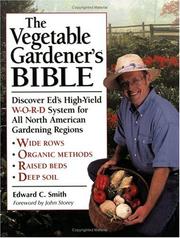
A beginner-friendly, deeply practical introduction to growing food at home. It establishes core concepts — soil preparation, watering, sunlight, and spacing — that apply directly to berry growing and are assumed knowledge in later books.

Berries are long-lived perennials that live or die by soil biology. Reading this early rewires how you think about feeding plants — through the soil food web rather than synthetic fertilizers — which is the philosophy underlying every advanced berry-growing recommendation.
Berry Basics: Strawberries & Brambles First
BeginnerGrow your first successful crops of strawberries and raspberries — the fastest-rewarding and most forgiving backyard berries — using proven, step-by-step guidance.
▸ Study plan for this stage
Pace: 4–5 weeks, ~25–30 pages/day, focusing on chapters covering strawberries and brambles (raspberries, blackberries). Plan to read actively with a notebook, marking sections relevant to your growing zone and garden setup.
- Site selection and soil preparation: choosing a sunny location with well-draining soil and proper pH for strawberries (6.0–6.8) and brambles (6.0–7.0)
- Strawberry varieties and planting methods: understanding June-bearing, everbearing, and day-neutral types, and the matted-row vs. hill-system approaches
- Bramble cane management: recognizing the two-year growth cycle of raspberry and blackberry canes, and the difference between summer-bearing and fall-bearing varieties
- Watering, mulching, and fertilization fundamentals: establishing consistent moisture, using organic mulch to suppress weeds, and applying balanced nutrients at key growth stages
- Pest and disease identification: recognizing common threats (spider mites, cane borers, powdery mildew) and organic control methods suited to home gardens
- Pruning and training techniques: learning when and how to prune strawberry runners, thin raspberry canes, and shape bramble plants for productivity
- Harvesting timing and post-harvest handling: picking berries at peak ripeness and storing them to maximize flavor and shelf life
- What are the three main strawberry types (June-bearing, everbearing, day-neutral), and which would you choose for your garden based on your climate and desired harvest season?
- Explain the two-year cane cycle in raspberries and blackberries: what happens in year one (primocanes) versus year two (floricanes), and why this matters for pruning?
- What soil pH range is ideal for strawberries and brambles, and what amendments would you use if your soil tested outside this range?
- Describe the matted-row system versus the hill system for strawberries: what are the trade-offs in terms of labor, yield, and plant health?
- Name three common pests or diseases that affect strawberries or brambles, and identify one organic control method for each from the book.
- When is the best time to harvest strawberries and raspberries for maximum flavor, and how should you store them immediately after picking?
- Conduct a site assessment of your intended growing area: measure sunlight (aim for 6+ hours), test soil drainage with a simple percolation test, and send a soil sample for pH and nutrient analysis.
- Create a variety selection worksheet for your zone: list 2–3 strawberry varieties and 2–3 bramble varieties suited to your USDA hardiness zone, noting their season type and days to first harvest.
- Prepare a planting bed: amend soil with compost or aged manure to match the recommended pH and organic matter content; create raised beds or mounded rows as described in the book.
- Start a garden journal: document your planting dates, variety names, spacing, and initial watering schedule; take baseline photos of your site.
- Practice pruning technique on a mature bramble plant (or watch a video demonstration while reading the pruning chapter): identify and remove dead canes, thin crowded growth, and tie up remaining canes.
- Set up a simple pest-monitoring routine: scout your plants 2–3 times per week for early signs of spider mites, cane borers, or fungal issues; record observations in your journal.
Next up: Mastering strawberry and bramble fundamentals—from soil prep through first-season care—builds your confidence and hands-on skills, preparing you to expand into slower-growing but equally rewarding berries like blueberries, currants, and gooseberries in the next stage.

A comprehensive, highly regarded guide to growing all types of fruit at home, including strawberries, raspberries, and blueberries. Reading it at this stage gives you a reliable single-source overview before you go deeper into individual crops.
Going Deeper: Blueberries & Soil Mastery
IntermediateMaster the more demanding art of growing blueberries — which require precise soil pH and organic matter — and develop the soil amendment skills that unlock peak productivity across all your berry plants.
▸ Study plan for this stage
Pace: 4–5 weeks, ~25–30 pages/day, with 2–3 days per week dedicated to soil testing and amendment practice
- Soil pH measurement and adjustment: understanding why blueberries require acidic soil (4.5–5.5 pH) and how to test and modify pH using sulfur, peat moss, and other amendments
- Organic matter and nutrient cycling: how decomposing organic material feeds soil biology and makes nutrients available to plants over time
- Cation exchange capacity (CEC) and base saturation: the soil's ability to hold and release nutrients, and how to interpret soil test results to guide amendment decisions
- Mineral nutrient balance: recognizing deficiencies and excesses in calcium, magnesium, potassium, and trace elements through soil testing and plant symptoms
- Building a living soil ecosystem: cultivating beneficial microbes and fungi that enhance nutrient availability and plant resilience
- Blueberry-specific soil preparation: creating the acidic, well-draining, organic-rich environment that blueberries demand for consistent yields
- Soil amendment strategies: selecting and applying the right materials (compost, sulfur, lime, rock powders) based on soil test data rather than guesswork
- Long-term soil building: understanding that nutrient-dense production is a multi-year process requiring patience and observation
- Why do blueberries require acidic soil, and what is the optimal pH range? How would you test your soil pH and what amendments would you use to lower it if needed?
- What is cation exchange capacity (CEC), and why does Solomon emphasize it as central to understanding your soil's nutrient-holding ability?
- How do you interpret a comprehensive soil test, and what specific decisions would you make about amendments based on the results?
- Describe the relationship between organic matter, soil biology, and nutrient availability. Why is building organic matter a long-term investment rather than a quick fix?
- What are the signs of common nutrient deficiencies in blueberries (calcium, magnesium, potassium), and how would you address them through soil amendment rather than foliar sprays?
- How would you design a soil amendment plan for a new blueberry bed, and what timeline would you follow to prepare it properly?
- Conduct a comprehensive soil test on your current or planned blueberry growing area using a reputable lab (or DIY kit); document the results and interpret them using Solomon's framework for CEC, base saturation, and nutrient ratios
- Calculate the sulfur or other pH-lowering amendments needed for your specific soil based on soil test results and target pH; apply amendments and re-test after 6–8 weeks to verify pH shift
- Build a blueberry bed amendment plan on paper: specify the organic materials (peat moss, compost, aged bark), mineral amendments (sulfur, rock powders), and application rates based on your soil test and Solomon's recommendations
- Create a soil biology observation journal: monitor microbial activity, earthworm presence, and plant vigor in amended vs. unamended soil sections over 8–12 weeks
- Prepare two small test beds (2–3 feet each) with different amendment approaches (one following Solomon's nutrient-balancing method, one using conventional blueberry soil mixes); plant blueberry cuttings or seedlings and compare growth and vigor over one growing season
- Interview or consult with a local soil scientist or experienced blueberry grower about their soil amendment practices; document how their approach aligns with or diverges from Solomon's principles
Next up: This stage equips you with the diagnostic and amendment skills to optimize soil for blueberries specifically, establishing the foundation for the next stage, which will likely expand these soil-mastery principles to managing multiple berry varieties and maximizing productivity across your entire backyard berry ecosystem.
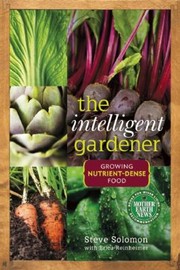
Takes soil amendment from intuition to precision — teaching you how to read a soil test and remineralize your ground for maximum fruit quality. This is the book that explains why your berries taste the way they do, and how to make them taste better.
Advanced Practice: Pruning, Planning & Perennial Systems
ExpertPrune confidently for maximum yield and plant health, design a multi-species berry garden that produces across the whole season, and troubleshoot problems like a seasoned fruit grower.
▸ Study plan for this stage
Pace: 8–10 weeks, ~40–50 pages/day, with 1–2 weeks between books for practice and reflection
- Pruning fundamentals: understanding plant architecture, apical dominance, and how cuts direct growth and productivity
- Species-specific pruning strategies for cane berries (raspberries, blackberries), brambles, and bush berries (blueberries, currants) to maximize yield and health
- Timing and technique: dormant-season vs. summer pruning, heading back vs. thinning, and the consequences of each approach
- Designing a multi-species berry garden with staggered ripening times, complementary growth habits, and efficient use of space
- Integrating berries into landscape design: site selection, microclimates, soil preparation, and aesthetic considerations
- Troubleshooting common problems: disease prevention through pruning, pest management, nutrient deficiencies, and recovery from neglect
- Long-term planning: establishing perennial systems that require less intervention over time and maintain productivity across seasons
- How does understanding apical dominance help you prune a raspberry cane or blueberry bush to increase fruiting wood and overall yield?
- What are the key differences between dormant-season and summer pruning, and when would you use each approach for different berry species?
- How would you design a berry garden that produces fruit from June through October, and what species combinations would you choose?
- Walk through a complete pruning plan for a neglected or overgrown berry planting—what would you remove first, and in what sequence?
- How do site selection, soil conditions, and microclimates influence both the health of your berries and the overall landscape design?
- What pruning and cultural practices prevent or minimize disease and pest pressure in a perennial berry system?
- Read *The Pruning Book* chapters on berry plants; sketch the branch architecture of at least three different berry species (cane, bramble, bush) and annotate where you would make cuts and why
- Prune at least two established berry plants (or one plant twice, in different seasons) while documenting before/after photos and noting the growth response over 4–6 weeks
- Create a detailed site map for a hypothetical or actual backyard berry garden: mark sun exposure, soil type, water access, and microclimates; then design a planting plan with 4–6 berry species that stagger ripening
- Visit a local orchard, botanical garden, or experienced grower's property; observe and photograph their pruning approach and ask about their seasonal maintenance schedule
- Diagnose and develop a recovery plan for an overgrown or neglected berry patch: assess the current state, prioritize what to remove, and outline a 2–3 year rejuvenation strategy
- Build a seasonal calendar for your designed berry garden: note pruning windows, flowering times, harvest periods, and pest/disease risk for each species
Next up: This stage equips you with the technical and design skills to establish and maintain a productive, resilient berry system; the next stage will likely deepen your ability to optimize yield through advanced propagation, breeding, or commercial-scale production techniques.
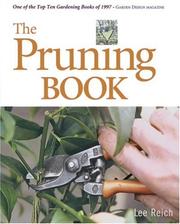
The definitive English-language guide to pruning all woody plants, with dedicated sections on brambles, blueberries, and strawberry renovation. Reading it now — after you understand how your plants grow — makes the reasoning behind every cut immediately clear.

Reich shows how to integrate berries and other fruits into a beautiful, productive backyard system. This is the capstone book: it synthesizes variety selection, spacing, aesthetics, and long-term planning into a whole-garden vision you can implement and enjoy for decades.
Discussion
Keep reading
Paths that share books, cover the same subject, or open a related topic.